Best fishing access on the Red Deer River
Anyone who's ever tried to explore a new fishing spot on a major river knows the frustration: you spend hours looking at maps, driving down back roads, only to find yourself facing "No Trespassing" signs or reaching a spot with no safe access to the water. It can feel like an impossible puzzle, especially on a vast system like the Red Deer River. This guide is here to untangle that frustration, offering clear, actionable information on the best and most accessible fishing points along the Red Deer River, helping you pinpoint ideal spots for a successful and stress-free day on the water.
Understanding the Red Deer River Fishery
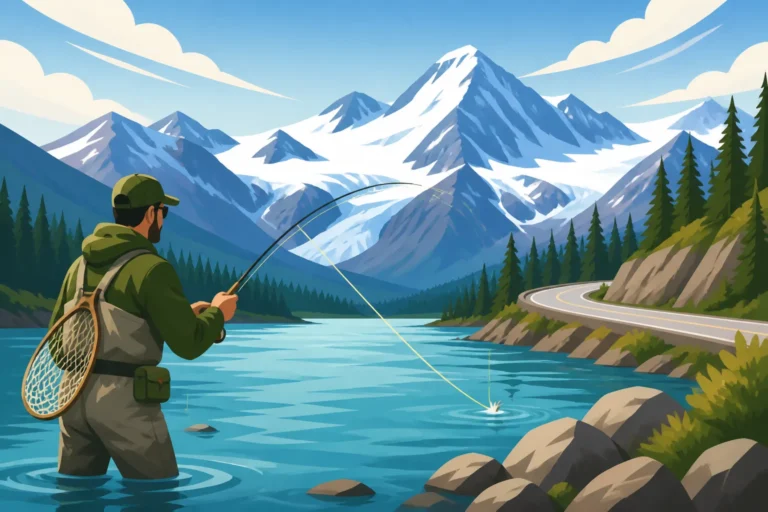
The Red Deer River is one of Alberta's true angling treasures, a ribbon of flowing water that carves its way through diverse landscapes, offering a fantastic variety of fishing experiences. From its headwaters in the Rocky Mountains near Banff National Park, it flows east through rolling parkland, past the city of Red Deer, and eventually empties into the South Saskatchewan River. This journey means the river changes character significantly along its length, influencing the species you'll find and the best ways to access them. Unlike some smaller, more predictable streams, the Red Deer presents a dynamic environment that rewards anglers who understand its nuances.
One of the beauties of the Red Deer River is its seasonal transformation. In spring, after the ice melts and runoff begins to clear, the river often swells, creating powerful currents that can be challenging but also push baitfish into predictable eddies and slackwater areas. Summer brings lower, clearer flows, making wading easier in some sections and allowing for sight fishing opportunities, especially in the upper reaches. Fall sees a return to slightly higher flows and cooler temperatures, often sparking a feeding frenzy before winter sets in. Understanding these cycles is key to successful fishing and finding access points that are safe and productive.
Primary Fish Species Targeted
The Red Deer River boasts a healthy population of several popular sport fish, making it a versatile destination for different angling preferences. Upstream, in the colder, faster-flowing sections closer to the mountains, you'll primarily encounter trout species. Further downstream, as the river widens and warms, it becomes a haven for various prairie species. Knowing what you're likely to catch at a particular access point helps you tailor your gear and techniques.
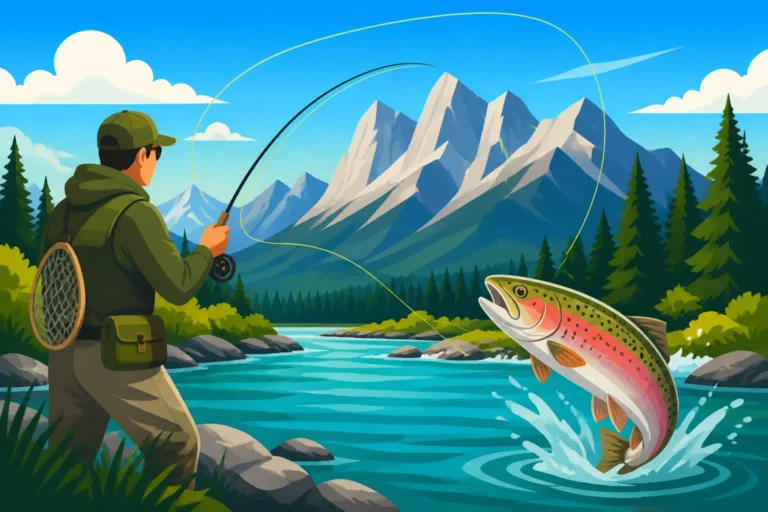
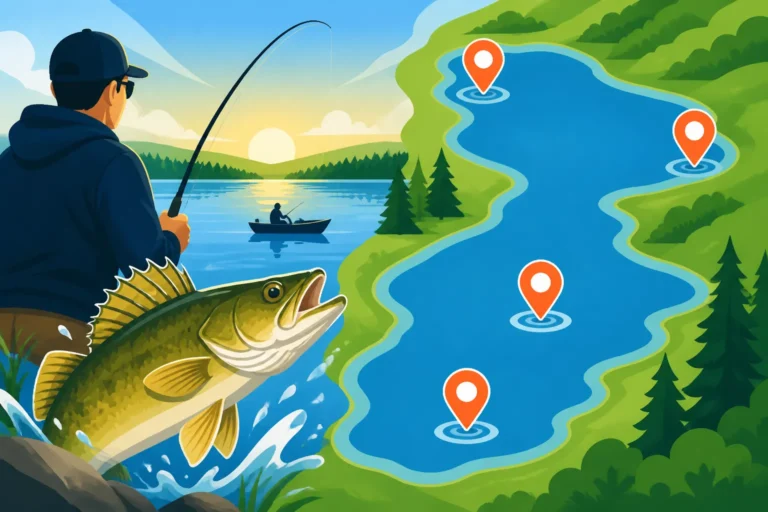
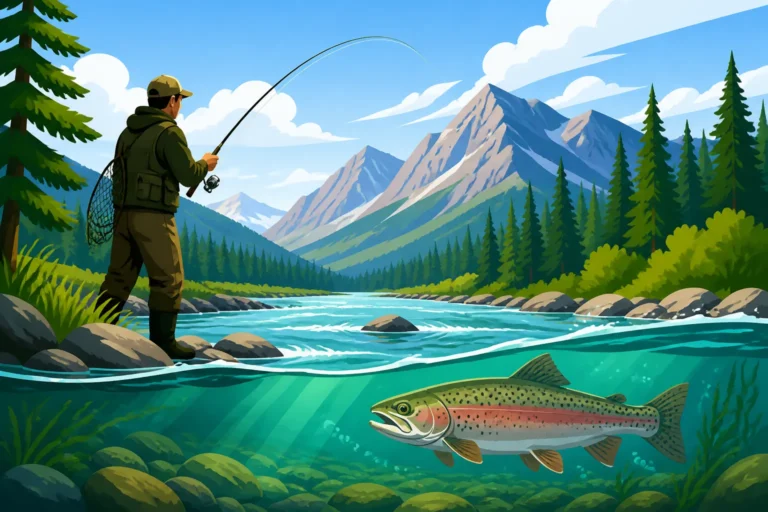
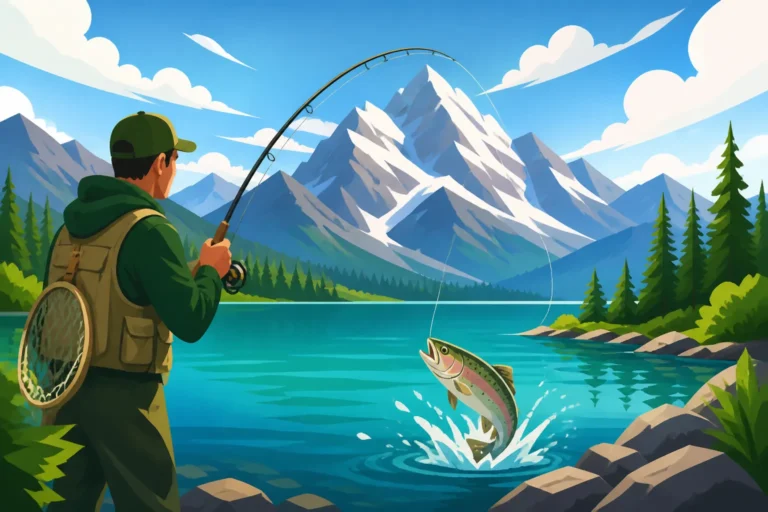
For those venturing into the upper reaches, closer to Sundre or even further west, the Red Deer River offers some excellent opportunities for trout. Rainbow trout are common, often thriving in the oxygen-rich, cooler waters. You might also find brown trout, which are known for their elusive nature and often grow to impressive sizes in these more secluded areas. Further downstream, especially as you approach the city of Red Deer and beyond, the river transitions. Walleye become a prime target, especially in deeper pools and along current breaks. Northern pike are also abundant throughout much of the river, particularly in slower sections with weed beds or submerged cover. Other species like mountain whitefish, particularly in the clearer upstream sections, and even burbot in deeper, colder holes during winter, can also be found. Understanding these shifts is vital; you wouldn't typically target walleye with small dry flies in the mountain sections, nor would you expect to catch a significant amount of rainbow trout near Drumheller. The river truly offers something for everyone, provided you know where and when to look for specific species.
River Characteristics and Seasonal Changes
The Red Deer River is a dynamic system, constantly changing with the seasons, precipitation, and even daily temperature fluctuations. Its characteristics, such as water clarity, flow rate, and depth, directly impact both fish behaviour and the accessibility of various fishing spots. Anglers often find themselves adapting their strategies based on these factors, which is part of the challenge and reward of river fishing.
During spring runoff, typically in May and early June, the river can become a raging torrent, thick with sediment from melting snow and heavy rains. Access points that are usually easy to reach might be partially submerged or completely impassable due to high water. This period makes fishing challenging, as fish tend to hug the banks seeking refuge from the strong currents, and visibility for both fish and anglers is severely reduced. As summer progresses, the river generally recedes to more manageable levels, and water clarity improves significantly. This is often the prime time for fly fishing in the upper trout sections, where wading becomes safer, and for targeting walleye and pike in the lower reaches. Fall brings cooler temperatures and often stable flows, providing excellent conditions for an autumn bite before winter sets in. Then, of course, comes ice fishing season in some of the slower, larger pools and back channels, though river ice can be extremely dangerous and caution is always advised. Each season demands a slightly different approach, and knowing what to expect from the river's character at different times of the year is fundamental to choosing the best access point and fishing successfully.
Popular and Easily Accessible Shore Fishing Locations
For many anglers, especially those just starting out, or families looking for a relaxing day, shore fishing is the go-to method. The Red Deer River offers numerous spots that are easily reachable by vehicle, often with paved access and amenities like parking, picnic tables, or even washrooms. These locations are fantastic because they reduce the logistical headache and let you focus on what truly matters: getting your line in the water. While some experienced anglers might prefer more remote spots, these accessible areas often hold plenty of fish and provide a comfortable, safe environment for everyone.
It's important to remember that "easily accessible" doesn't always mean "crowded." While urban parks might see more foot traffic, many provincial parks or designated public access points offer ample space. A quick check of local park regulations or the latest Alberta Guide to Sportfishing Regulations before you head out is always a good idea. Knowing the rules and respecting fellow anglers ensures a positive experience for everyone.
Urban Oasis: Red Deer City Parks Access
The City of Red Deer itself offers some surprisingly productive and incredibly convenient fishing access points along the river. You don't always need to drive hours into the wilderness to find good fishing; sometimes, the best spots are right in your backyard. These urban parks provide a unique opportunity to combine a family outing with some angling, offering easy parking, paved trails, and often amenities like playgrounds and picnic areas, making them ideal for a relaxed day.
One of the most popular and easiest places to access the Red Deer River within city limits is through McKenzie Trails Park or Great Chief Park. Both offer extensive trail networks that run alongside the river, providing numerous points where you can walk down to the bank and cast a line. McKenzie Trails, with its mature trees and well-maintained pathways, feels like a serene escape despite being so close to the city. Anglers here can target walleye, northern pike, and even the occasional whitefish or trout, especially during migratory periods. Another excellent spot is Bower Ponds, though it's technically an oxbow lake connected to the river, it provides a very calm and family-friendly environment, often stocked and offering great panfish opportunities. Further downstream, but still within a reasonable drive, the Red Deer River Public Access points near the treatment plant offer solid shore fishing. These urban spots are fantastic for a quick evening fish after work, or for teaching a youngster how to cast. Remember to always pack out what you pack in, especially in these community-focused areas, to keep them pristine for everyone.
Provincial Park and Day Use Areas
Moving slightly outside of the immediate city bustle, Alberta's provincial parks and designated day-use areas along the Red Deer River offer fantastic, well-maintained access, often with more natural surroundings and fewer crowds than urban spots. These locations are designed with public recreation in mind, usually providing clear signage, ample parking, and sometimes boat launch facilities, making them excellent choices for a dedicated fishing trip.
A standout location is Tolman East and West Campground near Rumsey. While it's a campground, both sides offer excellent day-use access to the river. The banks are generally stable, and the river here offers diverse structure like deeper holes, sandbars, and current breaks, making it prime habitat for walleye and northern pike. It’s also a beautiful spot for a picnic, making it a great family destination where everyone can enjoy the outdoors. Another fantastic option is Dry Island Buffalo Jump Provincial Park, though fishing access can be a bit more challenging due to the steep terrain. For the determined angler, however, the reward is often a more secluded experience with excellent opportunities for walleye and pike in a truly stunning badlands landscape. While it might not be a "drop your car and fish" spot in all areas, exploring the designated access points can yield incredible results. Always check the park's specific regulations before heading out, as some areas may have unique rules, and be mindful of your footing, especially in the badlands terrain.
Boat Launch and Float Trip Opportunities
While shore fishing offers convenience, nothing beats the freedom of a boat or raft to explore the vastness of the Red Deer River. Having a watercraft allows you to reach those untouched spots, drift through productive stretches, and cover significantly more water than you ever could from the bank. However, launching a boat requires specific facilities, and planning a float trip demands a good understanding of the river's conditions and logistics. This opens up a whole new world of angling possibilities, from targeting deep-water walleye to accessing prime pike habitat in secluded bays.
Boating on the Red Deer River, especially during varying flow rates, requires a degree of experience and preparedness. Always ensure you have all the necessary safety equipment, including life jackets for everyone on board, and that you are familiar with Alberta Boating Laws for Anglers. Reputable online services like FishingBooker often list guides who specialize in river float trips, providing an excellent option for those without their own gear or looking for expert local knowledge. They can help you navigate the best stretches and find hidden gems you might otherwise miss.
Designated Public Boat Launches
For anglers with boats, designated public boat launches are your gateway to deeper, more expansive fishing opportunities on the Red Deer River. These facilities are often well-maintained and provide essential amenities like ramps, docks, and sufficient parking for vehicles with trailers. They eliminate the guesswork of finding a suitable spot to get your boat into the water and serve as popular starting points for many river excursions.
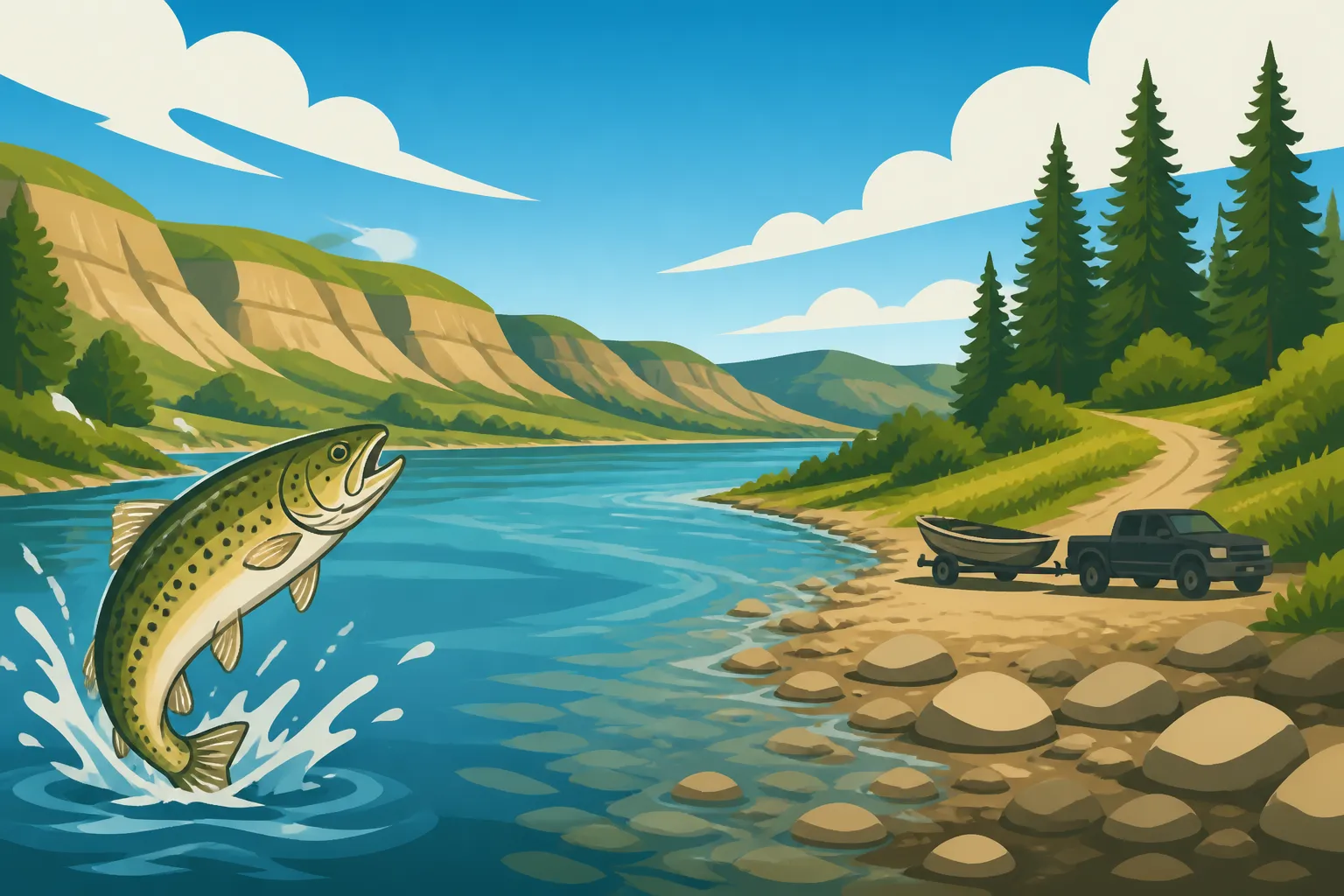
Near the city of Red Deer, the J.J. Collett Natural Area provides access, although it’s more suited for smaller craft like canoes, kayaks, or jon boats due to the less developed nature of the launch. For larger powerboats, you’ll typically need to look at facilities further upstream or downstream where the river is wider and deeper. One such significant launch is near Morrin Bridge southeast of Drumheller, offering good access to the wider, slower-moving sections of the river that hold excellent populations of walleye and pike. This launch is a key access point for those looking to fish the lower Red Deer River. Another solid option, popular with locals and often bustling on weekends, is the launch at Trenville Park near Three Hills. It offers a well-maintained ramp and ample parking, making it a reliable spot for anglers wanting to spend a full day on the water. When planning your trip, always check the current water levels, as exceptionally low or high water can impact the usability of some ramps. Using a service like FishingBooker to scout guide availability in these areas can also give you insights into current conditions and best practices for launching.
Planning a River Float Trip
Float fishing offers an unparalleled experience on the Red Deer River, allowing you to quietly drift through scenic landscapes while casting to untouched spots. It's a fantastic way to cover a lot of water, targeting fish that might not see as much pressure from shore anglers. However, planning a successful float trip involves more than just putting a boat in the water; it requires careful consideration of entry and exit points, shuttle logistics, and river conditions.
The key to a successful float trip is establishing clear put-in and take-out points. For instance, a popular float might be from J.J. Collett Natural Area down to a designated take-out point within the city of Red Deer, or from Trenville Park further downstream to Morrin Bridge. You'll need a shuttle plan – either two vehicles or a kind friend willing to drop you off and pick you up. Always ensure your take-out point is legally accessible and has adequate space for removing your watercraft. Depending on the river's flow, a float can take anywhere from a few hours to a full day, so plan accordingly, especially regarding daylight hours. Kayaks and canoes are excellent for these trips, offering stealth and maneuverability. Make sure to pack all necessary safety gear, including extra paddles, a first-aid kit, and enough food and water. Checking the river flow rates with Alberta Environment and Protected Areas is crucial before embarking on any float trip, as high water can make certain sections dangerous, while extremely low water might mean a lot of dragging. Consider these trips as true adventures, combining the thrill of fishing with the serenity of exploring the river's hidden bends.
Navigating Private Land and Respecting Access
One of the most significant challenges anglers face on any river, including the Red Deer, is understanding land ownership and ensuring legal access. Alberta has a mix of Crown land, public lands, and extensive private property along its waterways. Accidentally trespassing can lead to fines, confrontation, and give all anglers a bad name. It's a frustration that many of us have faced – finding a promising spot on a map only to realize it's inaccessible without permission. Being a responsible angler means not only knowing the Alberta Fishing Regulations Explained but also respecting property rights.
The general rule in Alberta is that you can typically fish the water itself and the banks up to the ordinary high water mark, provided you have legal access to the river without crossing private land. However, establishing that initial access without explicit permission can be tricky. This is where researching public access points, like those mentioned earlier, becomes paramount. Always err on the side of caution; if you're unsure about land ownership or access, it's best to find an alternative spot or, if possible, seek permission directly from the landowner. Good relations with landowners are crucial for maintaining access for all anglers in the long run.
Identifying Public vs. Private Land
Distinguishing between public (Crown) land and private property along the Red Deer River is essential for ethical and legal fishing. While maps can give you a general idea, the actual boundaries on the ground aren't always clear, especially in less developed areas. This can be a source of constant worry for anglers who just want to enjoy their hobby without breaking any rules.
Alberta has resources available to help you identify land ownership. The Alberta Crown Land Spatial Data (ACLS) is a valuable tool, often accessible through various mapping apps or the provincial government's website. These maps overlay land ownership information, showing parcels designated as Crown land, which is generally open for public access, versus private property. Look for large blocks of green or unmarked land which might indicate Crown land. Many anglers also use apps like iHunter or Google Maps with satellite imagery to scout potential access points, looking for clearings, public roads that dead-end at the river, or designated recreational sites. Remember that even if you find Crown land adjacent to the river, the access road to that Crown land might still cross private property. Always pay attention to signage – "No Trespassing" signs are a clear indication to find another route. It’s a bit like detective work, but knowing the difference can save you a lot of hassle and ensure a smooth fishing trip.
The Importance of Permission and "Ask First"
Even with all the maps and online tools, there will be times when the most promising fishing spots appear to be on or across private land. In these situations, the most respectful and effective approach is simple: ask for permission. This "ask first" philosophy is not just a courtesy; it's a critical part of maintaining good relationships with landowners and ensuring future access for the angling community.
Imagine you've driven for an hour, spotted what looks like an incredible hole on the Red Deer River, only to find a fence and a farmhouse nearby. Your first instinct might be frustration, but instead of trying to sneak around or assume access, approaching the landowner politely can often open doors. Many landowners, especially those who cherish the outdoors themselves, are more than willing to grant access to respectful anglers who ask. Be prepared for a "no," but a polite request, perhaps offering to share some of your catch or simply demonstrating respect for their property, can go a long way. Always be clear about your intentions, stick to agreed-upon paths, and never leave any litter behind. A positive interaction can not only grant you access to a fantastic fishing spot but also build goodwill that benefits all anglers. Services like FishingBooker sometimes work with landowners to facilitate access, streamlining this process for guided trips, but for independent anglers, a friendly knock on the door can be the best path to those hard-to-reach honey holes.
Red Deer River Fishing Hotspots Summary Table
To give you a quick overview of some of the great access points along the Red Deer River, here’s a table summarizing key information. This isn't an exhaustive list, but it highlights diverse options for both shore and boat anglers, spanning different sections of the river.
| Access Point Name | Location (Approximate) | Primary Access Type | Main Species Targeted | Amenities/Notes |
|---|---|---|---|---|
| McKenzie Trails Park | Red Deer City | Shore, Kayak | Walleye, Pike, Whitefish | Paved trails, parking, picnic areas, family-friendly |
| Great Chief Park | Red Deer City | Shore | Walleye, Pike | Trails, parking, adjacent to sports facilities |
| Bower Ponds | Red Deer City | Shore | Panfish, Stocked Trout | Oxbow lake, paddle boat rentals, playground, very family-friendly |
| J.J. Collett Natural Area | Penhold (south of Red Deer) | Kayak, Canoe, Shore | Walleye, Pike, Whitefish | Rustic launch, extensive trails, good for smaller craft |
| Trenville Park | Three Hills (east of Innisfail) | Boat Launch, Shore | Walleye, Pike | Well-maintained boat ramp, camping, day-use area, popular for powerboats |
| Tolman East Campground | Rumsey (east of Trochu) | Shore | Walleye, Pike | Campground & day-use, good bank access, scenic badlands setting |
| Morrin Bridge Public Access | Morrin (southeast of Drumheller) | Boat Launch, Shore | Walleye, Pike | Good boat launch for lower river, wide and slow sections |
| Dry Island Buffalo Jump PP | Kneehill County | Shore (hike-in) | Walleye, Pike | Stunning views, challenging access, more secluded, rewarding for adventurous anglers |
Disclaimer
Fishing can be an unpredictable activity, and while this guide provides general information about fishing access on the Red Deer River, conditions can change rapidly. Always prioritize your safety, respect private property, and consult the most current Alberta fishing regulations before heading out. Local conditions, weather, and river levels can significantly impact accessibility and fishing success.