Best Tackle Box Setup for Alberta Anglers
We’ve all been there: standing on the bank of the Bow River or the shore of Lesser Slave Lake, fumbling through a chaotic mess of tangled lines, rusty hooks, and half-empty bait containers. It's frustrating, wastes precious fishing time, and sometimes, means missing that crucial bite because the right lure was buried under a pile of forgotten junk. Crafting the perfect tackle box setup for Alberta's diverse waters isn't just about having the right gear; it's about efficiency, readiness, and ultimately, a more enjoyable and successful day out. This guide will walk you through setting up a tackle box that's organized, efficient, and tailored to the unique challenges and opportunities of fishing in our beautiful province.
Understanding Alberta's Diverse Fisheries
Alberta is a vast province with an incredible array of fishing environments, from the fast-flowing, crystal-clear mountain streams to the immense, sprawling prairie lakes. Your tackle box needs to be as adaptable as the waters you plan to fish, and understanding these differences is the first step in building an effective setup.
Rivers vs. Lakes: Different Demands
Fishing a river like the Oldman or the North Saskatchewan presents entirely different challenges than fishing a large lake like Pigeon Lake or Cold Lake. Rivers often demand lighter tackle, precise casting, and a keen understanding of current, riffles, and pools. You might be targeting trout with small, subtle presentations or drifting bait for walleye in deeper holes. This means your tackle box needs an assortment of small weights, sensitive floats, and perhaps a wider range of smaller jigs and spoons. The snags can be brutal in rivers, so having plenty of extra terminal tackle is a must.
Lakes, on the other hand, can call for heavier gear, especially if you're trolling for pike or lake trout, or fishing deep structure for walleye. You'll need heavier weights to get down to depth, robust leaders to withstand toothy critters, and a selection of larger crankbaits or spoons. Best Fishing Rivers in Alberta and Best Fishing Lakes in Alberta can give you a good overview of what types of environments you might encounter. For lake fishing, you're often covering more water, so lures that can be cast long distances or trolled effectively are key.
Key Species and Their Habits
Alberta is home to a fantastic variety of sport fish, each with its own preferences and fighting styles. Your tackle selection should reflect the species you primarily target.
-
Walleye: Known for their excellent eating quality and light bite, walleye often prefer jigs, crankbaits, and live bait presentations. They can be found near structure, drop-offs, and humps. For walleye, your tackle box should include various jig head weights (1/8 to 1/2 oz), soft plastic grub bodies, crawler harnesses, and a selection of shallow to deep-diving crankbaits in natural baitfish patterns. Don't forget some bottom bouncers if you plan to troll. You'll find more details in How to Catch Walleye in Alberta.
-
Northern Pike: These aggressive predators will hit almost anything, but they love larger, flashy lures like spoons, spinnerbaits, and big crankbaits. Strong leaders are essential to prevent bite-offs. Your pike section should feature heavy-duty leaders (steel or heavy fluorocarbon), a range of spoons (Daredevils, Five of Diamonds), large spinnerbaits with big blades, and substantial jerkbaits or swimbaits. Pike are often found in weed beds and around submerged cover. Learn more about their preferences in How to Catch Northern Pike in Alberta.
-
Trout (Rainbow, Brown, Cutthroat, Brook, Lake, Bull): Alberta's trout fishing is world-class, especially in the mountain and foothill streams. Different trout species have different habitats and feeding habits. Rainbows and browns in rivers like the Bow often respond to flies, small spinners, spoons, or drifted bait. Lake trout in deep, cold lakes like Cold Lake require different tactics, often involving trolling or jigging with heavy spoons and large plastics. For river trout, think small spinners (Mepps, Panther Martin), tiny spoons, delicate floats, and a selection of barbless hooks for catch and release. If you're a fly angler, a separate Fly Fishing for Trout on the Bow River setup might be better, but even spin anglers need some trout-specific gear. Remember, bull trout have special regulations, so be sure to check Alberta Bull Trout Zero Possession Rule.
Seasonal Considerations for Tackle
Just as the landscape changes through the year, so too do the feeding habits and locations of Alberta's fish. A tackle box that shines in summer might be next to useless in winter.
-
Spring: As ice melts and water temperatures rise, fish become more active. This is often a great time for pike in shallow bays and a fantastic trout opener. Your tackle box should prioritize shallow-running crankbaits, spinnerbaits, and versatile jigs that can be worked slowly. Many fish are in pre-spawn or post-spawn patterns, meaning they're either fattening up or recovering, and can be found closer to shore.
-
Summer: High water temperatures often drive fish to deeper, cooler waters, or to seek refuge in shaded areas or heavy cover. Trolling becomes more effective on lakes, and deeper jigging for walleye and lake trout is common. For rivers, early mornings and late evenings are prime. Your summer tackle might include deep-diving crankbaits, heavier jigging spoons, and topwater lures for aggressive pike in low-light conditions.
-
Fall: This is often considered prime time by many anglers as fish fatten up for winter. Aggressive feeding means many lures can be effective. Transitioning fish will move from deep summer haunts to shallower feeding areas. Look for a mix of deep and shallow running lures, and don't be afraid to experiment with larger presentations, especially for pike and walleye.
-
Winter (Ice Fishing): A completely different ball game! Your main tackle box might be put away, replaced by a specialized ice fishing kit. Ice fishing means small jigs, spoons, and live bait for species like perch, walleye, and burbot. Consider a separate setup entirely for this, as detailed in Ice Fishing in Alberta. The lures are generally much smaller and designed for vertical presentation.
Choosing the Right Tackle Box or System
The container itself is perhaps the most crucial "piece of tackle" you'll own. It needs to protect your gear, keep it organized, and be easy to transport. Forget the old rusty metal box with everything rattling around inside; modern options offer incredible versatility.
Traditional Hard Cases vs. Soft Bags and Backpacks
Gone are the days when a clunky, single-compartment metal box was your only choice. Today, you have a fantastic array of options, each with its own benefits and drawbacks.
-
Traditional Hard Cases (Plano, Flambeau): These are the classic multi-tray boxes we grew up with. They're excellent for protecting hard baits, keeping hooks separated, and offering robust protection against bumps and splashes. Many come with multiple cantilever trays that open up for easy access to different sections. They're great if you typically fish from a boat or shore where you can set your box down, and you don't need to carry it long distances. The downside is they can be bulky, and once you open them, they take up a fair bit of space. They're also not very comfortable to carry for extended periods. Brands like Plano offer a vast selection of these, from small utility boxes to massive multi-tray systems.
-
Soft Tackle Bags (Bass Pro Shops, Ugly Stik): These are incredibly popular for their portability and versatility. A soft bag typically holds multiple clear plastic utility boxes (like those from Bass Pro Shops or others) that you can customize for specific lure types or species. This modularity is a huge advantage – you can grab just the boxes you need for a quick trip, leaving the rest at home. Soft bags also have exterior pockets for tools, snacks, and extra line. They are often more comfortable to carry with shoulder straps. The main drawback is less rigid protection for delicate items compared to a hard case, though the interior utility boxes provide good individual protection.
-
Tackle Backpacks (KastKing, Wild River): For the angler who loves to hike into remote spots or needs hands-free carrying, a tackle backpack is a game-changer. These are essentially fishing-specific backpacks with dedicated compartments for utility boxes, often with a large main compartment for bigger gear, and numerous pockets for accessories. They distribute weight evenly, making long treks much easier. They’re perfect for wading rivers or exploring new shorelines. The main considerations are often price and making sure the specific model has enough organized space for your needs.
When choosing, consider where you fish most often. If you're a bank angler who rarely ventures far from the vehicle, a hard case or soft bag works well. If you're hiking into mountain lakes or wading rivers, a backpack is almost a necessity.
Compartmentalization and Organization Features
No matter which type you choose, good compartmentalization is key. Look for:
- Adjustable Dividers: The ability to customize compartment sizes in utility boxes is paramount. This lets you fit everything from tiny trout flies to large pike spoons, preventing them from tangling.
- Clear Lids: For utility boxes, clear lids allow you to see what’s inside at a glance, saving time when you're searching for that specific lure.
- Corrosion Resistance: Some utility boxes are designed with rust-inhibiting features, which can be a lifesaver for metal lures and hooks, especially when fishing around saltwater, though less of a concern for Alberta's freshwaters. Still, protection against moisture is always a good idea.
- External Pockets and Holders: Soft bags and backpacks excel here, offering places for water bottles, fishing pliers, leader material, and your Alberta Fishing Regulations Explained booklet.
A well-organized system allows you to quickly find what you need. Imagine needing a specific crankbait when the fish are biting, and being able to grab it instantly instead of digging through a messy pile. That's the difference organization makes.
Durability and Portability
Your tackle box is going to take a beating, so durability is non-negotiable. Look for:
- Robust Materials: Hard cases should have strong latches and thick plastic. Soft bags and backpacks should feature heavy-duty zippers, reinforced stitching, and water-resistant fabrics. A tear or broken zipper in the field is a nightmare.
- Comfortable Carrying: If you plan to carry your tackle any distance, good handles, shoulder straps, or backpack straps with padding are essential. An uncomfortable carry can quickly ruin a fishing trip.
- Size and Weight: While it’s tempting to bring everything you own, consider the actual weight and size of a fully loaded box. A lighter, more compact system that still holds essentials might be better than a behemoth that’s a pain to move. Remember, you'll also have rods, a cooler, and maybe a chair.
Tackle Box System Comparison
| Feature | Traditional Hard Case | Soft Tackle Bag | Tackle Backpack |
|---|---|---|---|
| Protection | Excellent for hard baits, very rigid. | Good, utility boxes protect contents. | Good, utility boxes protect contents. |
| Organization | Fixed or cantilever trays, some dividers. | Modular (multiple utility boxes), highly customizable. | Modular (multiple utility boxes), highly customizable. |
| Portability | Carries easily by hand, bulky for long distances. | Comfortable with shoulder strap, good for moderate walks. | Excellent for long treks, hands-free. |
| Accessibility | Trays fan out, can take up space when open. | Easy access to specific utility boxes, external pockets. | Easy access to specific utility boxes and pockets. |
| Capacity | Varies from small to very large. | Often holds more than meets the eye due to modularity. | Can hold a significant amount of gear plus personal items. |
| Best Use | Boat, shore fishing near access. | Boat, shore, general purpose. | Hiking, wading, remote access. |
Essential Terminal Tackle for Alberta
Terminal tackle refers to all the bits and pieces at the end of your fishing line: hooks, weights, swivels, and leaders. These small items are crucial for proper lure presentation and landing fish. Having a well-stocked and organized selection of these is non-negotiable.
Hooks: Types, Sizes, and When to Use Them
Hooks are arguably the most important piece of terminal tackle. A dull or improperly sized hook can mean the difference between a triumphant catch and a heartbreaking loss.
-
J-Hooks: The most common type, available in a vast array of sizes and wire gauges. For bait fishing in Alberta, you'll want a selection of sizes from small #10 (for trout with worms or corn) up to larger 1/0 or 2/0 (for walleye with minnows or leeches). Ensure you have both snelled hooks (pre-tied with leader material) and loose hooks for versatility. Consider thin wire hooks for delicate presentations and stronger, heavier wire hooks for larger, more powerful fish.
-
Treble Hooks: Found on most crankbaits, spoons, and topwater lures. While you might not carry loose treble hooks often, it's wise to have a small container of replacement trebles in common sizes (e.g., #4, #6, #8) for when your lure's original hooks get dull, bent, or rusty. A sharp treble hook greatly improves your hook-up ratio on active fish.
-
Circle Hooks: Gaining popularity, especially for live bait fishing where catch and release is practiced. Circle hooks are designed to hook the fish in the corner of the mouth, reducing gut-hooking and improving fish survival. They often require a different hook-setting technique (let the fish swim off with the bait, then slowly reel tight rather than a hard jerk). For walleye, a 1/0 or 2/0 circle hook can be very effective with a minnow.
-
Wide Gap Hooks (Offset Worm Hooks): Primarily used for weedless rigging of soft plastic baits. If you're targeting pike or bass (in ponds where they are present) in heavy cover with soft plastics, these are indispensable. Sizes range from 1/0 to 4/0, depending on the size of your plastic bait.
When stocking your tackle box, think about the species. For river trout, small, sharp, barbless hooks (sizes #8 to #14) are often required or highly recommended to comply with Alberta Barbless Hook Requirement Waters and ensure quick, safe releases. For walleye, a mix of jig hooks (for pouring your own jigs or dressing with plastics) and bait hooks are key. Always prioritize sharpness; a small hook sharpener is a valuable addition to any tackle box.
Weights and Sinkers: Adapting to Conditions
Weights are essential for getting your bait or lure to the desired depth and keeping it there, especially in current or windy conditions.
-
Split Shot: Small, easily attachable weights that pinch onto your line. Perfect for adding a bit of weight to a float rig, light presentations for trout, or fine-tuning the sink rate of a soft plastic. Carry an assortment from tiny BB size up to heavier #3 or #4.
-
Bullet Weights (Slip Sinkers): Tapered weights, usually made of lead or tungsten, that slide freely on your line. These are primarily used for Texas-rigging soft plastics, allowing the bait to move naturally while the weight gets it to the bottom. Tungsten is denser and transmits bottom feel better, but lead is more economical. Sizes from 1/8 oz to 1 oz are common.
-
Egg Sinkers: Oval-shaped weights with a hole through the middle, also designed to slide freely on your line. Ideal for live bait rigs (like a bottom bouncer rig or slip sinker rig) where you want the fish to pick up the bait without feeling the weight's resistance immediately. A range from 1/4 oz to 1 oz will cover most situations for walleye and other bottom feeders.
-
Bottom Bouncers: A specialized weight system, usually an L-shaped wire with a lead weight on the bottom. These are fantastic for trolling or drifting live bait (like a crawler harness) or slow-moving lures along the bottom in lakes and slow rivers. They minimize snags and keep your bait in the strike zone. Carry several in weights from 1/2 oz to 3 oz depending on depth and speed.
-
Drop Shot Weights: Small, cylindrical or round weights with a special swivel or clip at the top, designed for drop-shot rigging. This technique keeps your bait suspended off the bottom at a specific depth, which can be deadly for walleye and other finicky fish. An assortment of 1/8 oz to 1/2 oz is usually sufficient.
Always consider the current, depth, and presentation when choosing a weight. Too light, and your bait won't get down; too heavy, and it'll look unnatural and potentially get snagged more often.
Swivels, Snaps, and Leaders: The Unsung Heroes
These small components play a massive role in preventing line twist, ensuring proper lure action, and protecting your main line from abrasive teeth.
-
Barrel Swivels: Simple, cylindrical swivels that prevent line twist. Essential when using spinners, spoons, or anything that rotates in the water. Line twist can weaken your line and cause tangles. Carry them in various sizes to match your line strength and lure weight.
-
Snap Swivels: A combination of a barrel swivel and a snap clip. These are incredibly convenient for quickly changing lures without retying your line every time. Great for trolling or experimenting with different crankbaits. Ensure the snap is robust enough for the fish you're targeting.
-
Interlock Snaps (Duolock Snaps): Just a snap, without the swivel. These are preferred by many anglers for certain lures (like jerkbaits) where adding a swivel might interfere with the lure's natural action. Again, useful for quick lure changes.
-
Leaders: A short section of stronger, more abrasion-resistant line tied between your main line and your lure/hook.
- Fluorocarbon Leaders: Nearly invisible underwater, fluorocarbon is excellent for wary fish like trout and walleye. It's also more abrasion-resistant than monofilament. You'll want a range of test strengths (e.g., 6 lb to 20 lb) for different species and conditions. A good fluorocarbon leader can make a huge difference in clear Alberta waters.
- Steel Leaders (Wire Leaders): Absolutely essential when targeting toothy critters like northern pike. A pike's sharp teeth can sever monofilament or fluorocarbon instantly. Carry a selection of pre-made steel leaders in various lengths and test strengths (e.g., 20 lb to 50 lb). You can also make your own with leader wire and crimps. Brands like Berkley offer reliable pre-tied options.
Always check your leaders regularly for nicks and abrasions, especially after catching a fish or getting snagged. A damaged leader is a weak point in your system.
Lures and Baits: Matching the Hatch (or the Mood)
This is where the fun really begins! The right lure at the right time can turn a slow day into an unforgettable one. Alberta's diverse fish species mean you'll need a versatile selection.
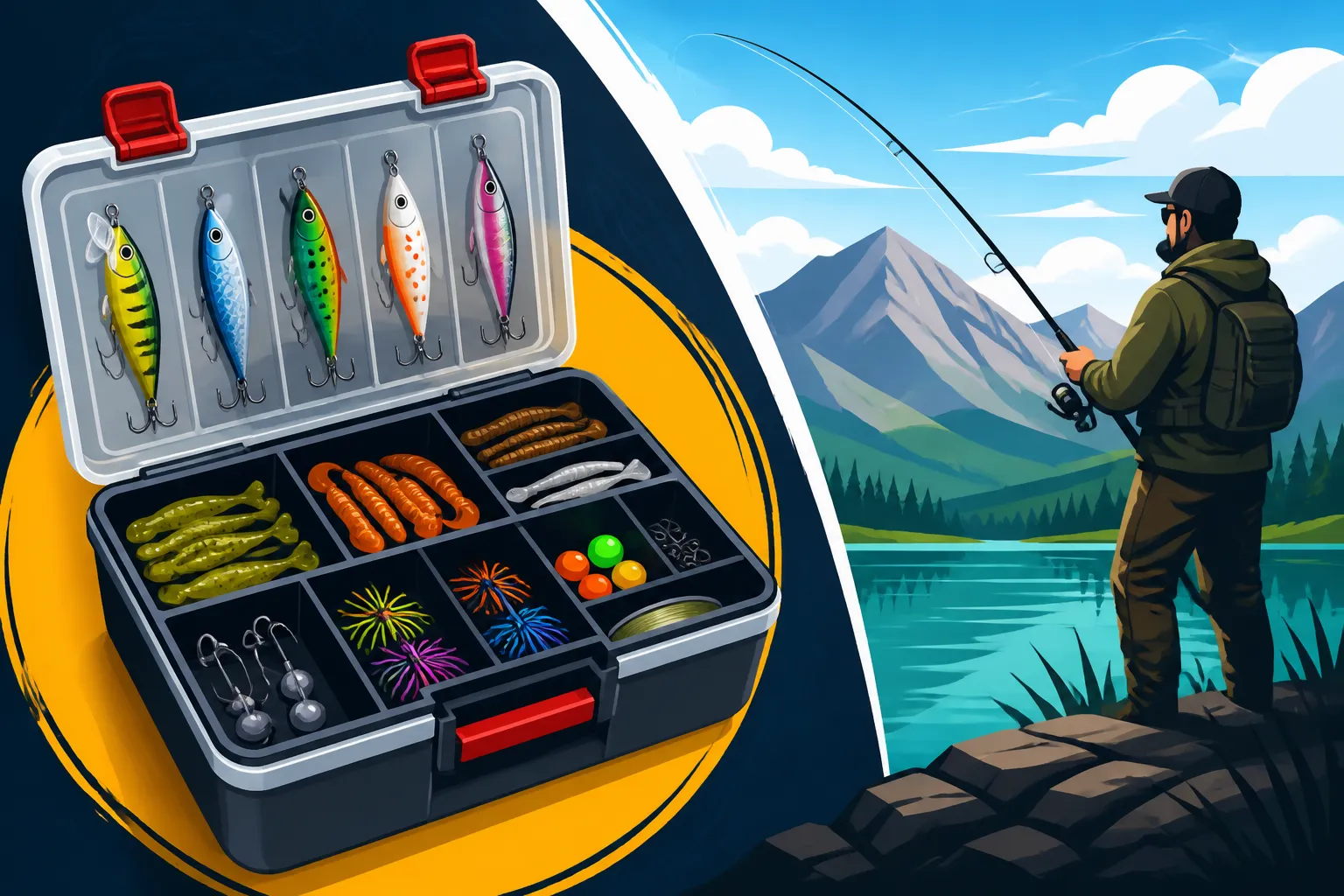
Hard Baits: Crankbaits, Jerkbaits, and Spoons for Pike and Walleye
Hard baits are sculpted from plastic or wood, often designed to mimic baitfish, and feature internal rattles or reflective finishes to attract fish.
-
Crankbaits: These lures have a plastic or metal lip that causes them to dive when retrieved. They come in an endless variety of shapes, sizes, and diving depths (shallow, medium, deep).
- Shallow-Divers: Ideal for fishing over weed beds, shallow flats, or along shorelines for pike and aggressive walleye. Look for lures like the Rapala Shad Rap or Strike King KVD 1.5.
- Medium- and Deep-Divers: Essential for targeting walleye and lake trout in deeper water or when trolling. These baits can reach depths of 10-20+ feet. Consider brands like Berkley Flicker Shad or Rapala Down Deep Husky Jerk. Colour selection is crucial – natural patterns for clear water, brighter patterns for stained or darker water. Check out Best Crankbaits for Alberta Walleye.
-
Jerkbaits: Long, slender hard baits designed to be retrieved with a "jerking" or "twitching" motion, making them dart erratically like a wounded baitfish. They are incredibly effective for triggering strikes from hesitant pike and walleye, especially in cooler water. Suspending jerkbaits (which hover at a certain depth when paused) are particularly deadly. Brands like Rapala Husky Jerk or Lucky Craft Pointer are classics.
-
Spoons: One of the oldest and most versatile lures, spoons wobble and flash as they're retrieved, imitating a dying baitfish.
- Casting Spoons: Heavier, designed for long casts, and effective for pike and lake trout. Classics include the Daredevil, Five of Diamonds, and Little Cleo. They can be retrieved steadily or jigged. Best Lures for Northern Pike in Alberta will give you some excellent options.
- Jigging Spoons: Smaller, often heavier for their size, designed for vertical presentation. Essential for ice fishing or targeting deep-water fish like walleye and lake trout. Brands like Williams Wabler or Luhr-Jensen Krocodile are popular.
Keep a variety of sizes and colours in your tackle box, ranging from natural silver and gold to brighter perch and firetiger patterns.
Soft Plastics: Versatility for Various Species
Soft plastics are incredibly versatile, mimicking worms, grubs, minnows, and crawfish. They are typically rigged on jig heads or weedless hooks.
-
Grubs/Curl-Tail Grubs: Simple, yet highly effective. The curling tail provides enticing action on the retrieve. Excellent for walleye, perch, and even trout when rigged on a light jig head. Carry 2-4 inch sizes in white, chartreuse, and natural colours.
-
Paddle Tail Swimsbaits: These mimic minnows with a paddle-shaped tail that kicks vibrantly on the retrieve. Great for walleye, pike, and lake trout. Rig them on a weighted swimbait hook or a jig head. Sizes from 3-6 inches are common.
-
Stick Baits (Senko-style worms): While more associated with bass fishing, these can be surprisingly effective for finicky walleye when wacky-rigged or Texas-rigged, offering a subtle, enticing fall.
-
Tube Jigs: Hollow soft plastic tubes that can be rigged internally with a jig head. They offer a unique spiral fall and are fantastic for walleye, especially when jigged along the bottom. White, black, and green pumpkin are good starting colours.
-
Creature Baits/Crawfish Imitations: While not always a primary target for Alberta anglers, crawfish are a natural food source in some waters. Having a few crawfish or creature baits can entice larger walleye or pike that are keying on crustaceans.
Always ensure you have jig heads in various weights (1/8 oz to 1/2 oz) to match your soft plastics and fishing conditions.
Jigs and Live Bait Rigs: All-Around Producers
Jigs are a staple for almost every species, and live bait rigs are often the most effective method, especially for walleye.
-
Lead-Head Jigs: The simplest and most versatile lure. A lead head molded onto a hook, designed to be tipped with soft plastic, live bait, or a feather/hair skirt.
- Ball Head Jigs: The most common. Carry an assortment of weights (1/8 oz to 1 oz) and hook sizes.
- Erie/Banana Head Jigs: Designed for vertical jigging, they stand up on the bottom better, presenting the bait upright.
- Bucktail Jigs: Traditional jigs with deer hair, highly effective for walleye, pike, and even lake trout. They have a natural pulsation in the water.
-
Live Bait Rigs: Often out-fishing artificial lures, live bait is a go-to for many Alberta anglers, especially for walleye.
- Crawler Harnesses (Walleye Spinners): These rigs feature multiple hooks, beads, and a spinner blade, designed to be pulled behind a bottom bouncer with a live or artificial nightcrawler. Essential for walleye. Have a variety of blade colours (silver, gold, chartreuse, orange).
- Slip Bobber Rigs: A highly effective way to present live bait (minnows, leeches, worms) at a precise depth. The bobber slides freely on the line, stopping at a pre-set bobber stop. This allows you to cast easily and fish at any depth. Ensure you have bobber stops, beads, and an assortment of bobbers (pencil, round, or pear shaped).
- Still Fishing Rigs: Simple rigs with a hook, a weight, and sometimes a swivel, for fishing bait on the bottom or suspended under a fixed bobber.
Remember to bring a small cooler or bait bucket if you plan to use live bait, especially during warmer months.
Fly Fishing Essentials (for those who dabble or focus)
If you're primarily a fly angler, you'll likely have a separate fly box. However, even spin anglers can benefit from carrying a few fly-fishing-inspired items, or small fly patterns if they encounter specific conditions on trout streams.
- Small Spinners/Spoons: Mentioned earlier, these mimic insects or small baitfish and can be highly effective in trout streams.
- Weighted Indicators: For river fishing with split shot and bait, weighted indicators (similar to fly fishing strike indicators but heavier) can help you detect subtle bites in current.
- Small Jigs: Small marabou jigs or micro-jigs can imitate aquatic insects or minnows, making them deadly for trout.
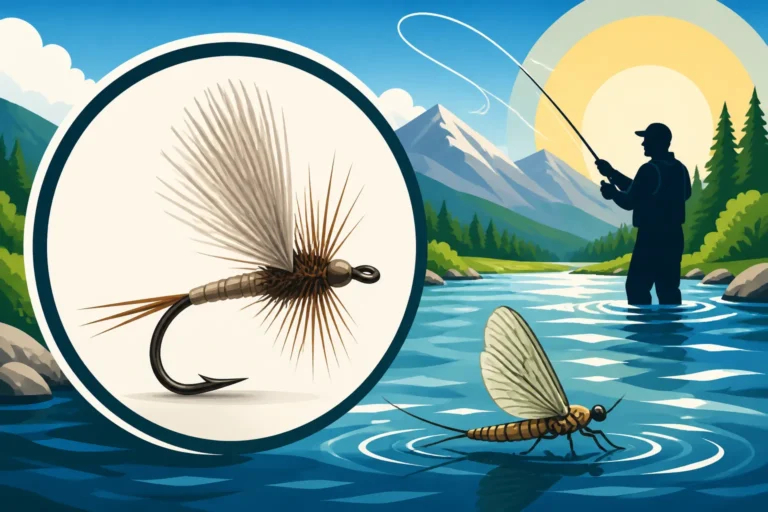
- Small Fly Box: If you occasionally find yourself on a productive trout stream and the fish are rising, having a tiny box with a few dry flies (elk hair caddis, parachute Adams) and nymphs (pheasant tail, hare's ear) can be a real game-changer. These can be fished under a small float with ultra-light spinning gear, though purists might frown upon it, fish don't seem to mind! A fly fishing setup requires its own specialized Best Fly Rods for the Bow River and other gear.
Tools and Accessories Every Angler Needs
Beyond the hooks and lures, a well-stocked tackle box includes an array of essential tools and accessories that make fishing safer, more convenient, and more successful. These are often overlooked but can make a huge difference when you need them most.
Pliers, Clippers, and Forceps: Your Hands-On Helpers
These are your primary tools for handling hooks, cutting line, and safely releasing fish.
-
Fishing Pliers: A good pair of multi-purpose fishing pliers is indispensable. Look for ones with:
- Split Ring Pliers: Essential for changing treble hooks on lures.
- Line Cutters: Often built into the pliers, for cutting monofilament, fluorocarbon, and even braided line.
- Crimpers: For attaching sleeves to leaders if you make your own.
- Longer Nose: Good for reaching into a fish's mouth to extract hooks.
- Corrosion Resistance: Saltwater-grade pliers are overkill for Alberta, but general corrosion resistance is still a good idea. Brands like Gerber and Leatherman make multi-tools that incorporate good fishing pliers.
-
Line Clippers/Nippers: A small, sharp pair of clippers is vital for clean knots. Many anglers attach these to a lanyard or retracting zinger for easy access. Scissors can also work, but clippers are often more precise for tight knots.
-
Hemostat/Forceps: These long, slender locking pliers are invaluable for safely removing hooks, especially smaller ones from a trout's mouth, or when dealing with deeply hooked fish. They provide excellent leverage and precision, minimizing damage to the fish (and your fingers!). A must-have for catch-and-release.
Always keep these tools easily accessible, perhaps in an external pocket of your soft tackle bag or backpack.
Measuring and Weighing Gear: Documentation and Regulations
Knowing the size and weight of your catch isn't just for bragging rights; it's often a legal requirement.
-
Measuring Tape/Board: Alberta has specific length regulations for many species, especially trout, walleye, and pike. A retractable measuring tape (up to 30-40 inches) or a foldable measuring board is essential. A good measuring board helps you quickly and accurately measure fish, minimizing handling time. Many provincial parks and specific rivers (like parts of the Bow) have slot limits or minimum/maximum sizes, so be prepared to measure your fish.
-
Fish Scale: While not always mandatory, a reliable digital or mechanical fish scale allows you to accurately weigh your catch. This is great for tracking your personal bests or if you're participating in a friendly competition. Ensure it has a sturdy hook or lip gripper to safely hold the fish.
-
Camera/Phone: While not "gear" in the traditional sense, your phone or a dedicated camera is crucial for documenting your catches. A quick, clear photo before release can preserve the memory. Just make sure it's kept safe and dry in a waterproof bag or case.
Remember to review the Alberta Bag and Possession Limits by Species regularly, as regulations can change.
Safety and Comfort Items: Beyond the Fish
Fishing should be enjoyable and safe. A few non-fishing specific items in your tackle box or accompanying gear can make a big difference.
- Sunscreen and Insect Repellent: Alberta summers can be sunny, and bugs (especially mosquitoes and horseflies) can be relentless. Don't let a sunburn or incessant buzzing ruin your day.
- First-Aid Kit: A small, basic kit with band-aids, antiseptic wipes, pain relievers, and moleskin for blisters is a smart addition. Accidents happen, whether it's a hook in the finger or a slip on rocky terrain.
- Headlamp/Flashlight: If you're fishing at dawn, dusk, or planning a night fishing trip for walleye, a reliable light source is critical. A headlamp keeps your hands free for knot tying or baiting.
- Multi-tool: A small multi-tool (like a Leatherman or Swiss Army knife) with various blades, screwdrivers, and pliers can come in handy for unexpected repairs or tasks.
- Water Bottle/Snacks: Stay hydrated and energized. A day of fishing can be physically demanding.
- Small Towel/Rag: For wiping hands, cleaning fish, or drying gear.
- Small Knife: A sharp knife for cutting bait, cleaning fish, or general utility.
- Binoculars: Great for spotting rising fish, checking out distant banks, or observing wildlife.
For those venturing onto the water, remember to also carry mandatory boat safety gear and always wear a Life Jacket Requirements for Alberta Boaters!
Organizing and Maintaining Your Tackle Box
A tackle box is only as good as its organization. A well-maintained system not only makes your fishing trips more enjoyable but also extends the life of your gear.
Laying Out Your System for Efficiency
The goal is quick access and logical grouping. Think about how you fish and what you need most often.
- Categorize by Species: If you primarily target one or two species, dedicate specific utility boxes or sections to them. For example, one box for walleye jigs and plastics, another for pike spoons and crankbaits.
- Categorize by Lure Type: Alternatively, group all your crankbaits together, all your soft plastics together, all your spoons together, etc. This makes it easy to compare different options within a category.
- Terminal Tackle Organization: Use small, multi-compartment boxes for hooks, swivels, and weights. Label them clearly (e.g., "Hooks #8-1/0," "Split Shot/Egg Sinkers"). This prevents a chaotic jumble of tiny metal pieces.
- Frequently Used Items Up Top: Place your most-used lures, tools (pliers, clippers), and essential terminal tackle (snap swivels, often-used weights) in easily accessible trays or external pockets.
- Less Used/Backup Items Below: Reserve deeper compartments or less accessible pockets for bulkier items, backup spools of line, less frequently used specialty lures, or spare tools.
- Line Spools: Keep spare spools of your main line and leader material (monofilament, fluorocarbon, braid) in a dedicated spot. This is crucial for re-spooling a reel or tying longer leaders.
The best layout is one that makes sense to you and allows you to find what you need without hesitation. Take some time to arrange your tackle at home, away from the pressure of the fishing spot, and adjust it after a few trips based on what works and what doesn't.
Regular Inventory and Maintenance Tips
Your tackle box is an investment, and regular care will ensure it serves you well for years.
- Clean After Every Trip: Wipe down wet lures, especially metal ones, to prevent rust. Empty out any water, sand, or debris that may have accumulated. For soft plastic baits, if they are wet, dry them completely before putting them away to prevent mildew or sticking.
- Check for Rust and Damage: Inspect hooks for sharpness and rust. Replace or sharpen dull hooks. Check lures for bent split rings, broken lips, or damaged finishes. A quick inspection now can save you frustration later.
- Dry Soft Plastics Separately: Never store wet soft plastics in a closed container for extended periods. This can cause them to melt, stick together, or leach chemicals that damage other lures or the plastic of your tackle box. Always dry them thoroughly before putting them back.
- Lubricate Zippers: For soft bags and backpacks, a little zipper lubricant can keep them running smoothly, especially after exposure to dirt or moisture.
- Store in a Cool, Dry Place: When not in use, keep your tackle box out of direct sunlight and extreme temperatures, which can damage soft plastics, lines, and adhesives on lures. A garage, basement, or dedicated storage locker is ideal.
Taking these small steps of maintenance will not only protect your gear but also give you confidence that everything is in working order for your next adventure.
Seasonal Adjustments and Replenishment
Your tackle box isn't a static entity; it should evolve with your fishing habits and the seasons.
- Pre-Season Overhaul: Before the main fishing season kicks off (or before ice-out), do a full inventory. What lures did you lose last year? What worked well? What didn't you touch? Replenish your stock of hooks, weights, and frequently used lures. Consider new techniques or species you want to try and buy relevant tackle.
- Mid-Season Tweaks: As the season progresses, conditions change. You might shift from shallow-running crankbaits in spring to deep-diving models in summer. Adjust the contents of your easily accessible trays accordingly. Remove gear you won't use for a few months and bring in what you need.
- Post-Season Deep Clean: After the main season, it’s time for a thorough cleaning and organization. Take everything out, clean the box and all components, organize what’s left, and make a list of what needs replacing for next year. This is also a good time to sharpen all your hooks, and if you're buying online, Amazon or Bass Pro Shops are great places to pick up bulk terminal tackle.
- Ice Fishing Specialization: If you're an ice angler, consider a completely separate tackle box or system just for hard water. The lures, jigs, and tools for Best Ice Fishing Gear for Alberta are very different from open water fishing.
By treating your tackle box as a living system, you ensure it's always ready to help you make the most of your Alberta fishing adventures.
Disclaimer
This article is for general informational purposes only and does not constitute professional advice. Laws, prices and regulations vary by location and change over time. Consult a qualified professional for guidance on your specific situation.