Best bilge pump for a small fishing boat
There's nothing quite like the panic that sets in when you're out on an Alberta lake or river, enjoying a peaceful day of fishing, only to notice a suspicious puddle of water sloshing around your feet. Whether it's from rain, choppy waves splashing over the bow, a leaky livewell, or even just condensation, unwanted water in your small fishing boat can quickly turn a relaxing outing into a stressful situation – or worse, a dangerous one. This guide is dedicated to helping you understand why a reliable bilge pump isn't just a convenience, but a critical piece of safety equipment, and how to choose the best one for your small fishing craft to ensure you stay dry and safe on the water.
Why a Reliable Bilge Pump is Non-Negotiable for Small Alberta Fishing Boats
Many small boat owners, especially those with aluminum jon boats, utility boats, or smaller inflatable craft, might think a bucket is sufficient for bailing out water. While a bucket is a handy backup, it's absolutely no substitute for a dedicated bilge pump. The unforgiving conditions of Alberta's diverse waters, from the broad expanses of Lesser Slave Lake to the dynamic currents of the Bow River, demand a more robust solution.
The Dangers of Standing Water in Your Boat
Allowing water to accumulate in your boat can lead to a cascade of problems, each more unsettling than the last. Firstly, there's the immediate safety concern. Even a few inches of water can significantly affect your boat's stability, especially if you're standing up to cast or moving around. This shifting weight can make your boat feel tippy, increasing the risk of capsizing. In cold Alberta waters, an unexpected plunge isn't just uncomfortable; it can be life-threatening due to hypothermia. Beyond personal safety, standing water can wreak havoc on your boat's components. It can short out electrical systems, corrode sensitive wiring, and damage batteries. Wooden components, if present, can rot, and even aluminum can suffer from electrolysis over time. Furthermore, if you're carrying gear like tackle boxes, electronics, or personal items, they're all at risk of being soaked and damaged. Imagine your phone or expensive fish finder taking an unexpected swim!
Legal and Practical Requirements in Alberta
While specific regulations for bilge pumps aren't universally mandated for every single small, unpowered craft in Alberta, common sense and general boating safety guidelines strongly advocate for them. Transport Canada, which governs pleasure craft safety, emphasizes the importance of bailing devices. Having an effective way to remove water is part of being prepared. For any boat with enclosed spaces or compartments that can hold water, a bilge pump moves beyond mere recommendation to essential equipment. Even if your boat is an open design, a heavy rainstorm or waves can put enough water in it to make it difficult to maneuver safely. From a practical standpoint, who wants to spend their precious fishing time constantly bailing with a bucket instead of focusing on catching that trophy walleye or pike? A proper bilge pump allows you to concentrate on the fishing experience, knowing that your boat is staying dry without constant manual effort. For those venturing onto larger lakes, understanding Alberta Boating Laws for Anglers is also crucial.
Types of Bilge Pumps for Small Boats and How They Work
When you're looking for a bilge pump for your small fishing boat, you'll primarily be considering electric pumps, with manual pumps serving as a crucial secondary option. Understanding the differences and how they operate will help you make an informed choice.
Submersible Bilge Pumps
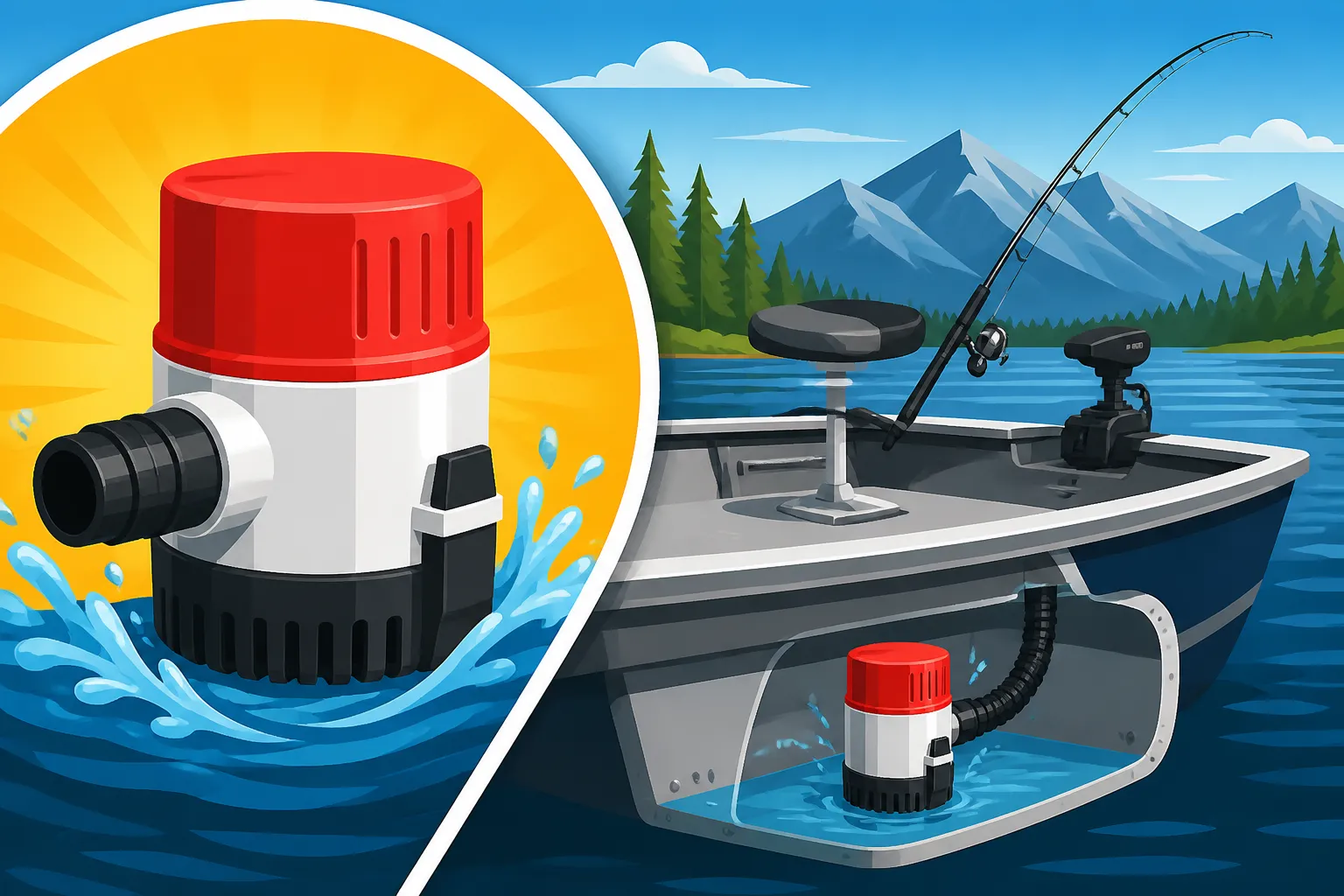
These are the most common and popular choice for small powerboats and even larger canoes or kayaks that accommodate them. A submersible bilge pump, as the name suggests, is designed to operate while fully submerged in water. It consists of a compact motor sealed in a waterproof casing, with an impeller that spins to draw water in and push it out through a hose. These pumps are typically installed in the lowest part of the bilge, where water naturally collects. They are incredibly effective at rapidly evacuating large volumes of water, making them ideal for managing unexpected ingress from heavy rain, splashing, or minor leaks. The main advantage is their efficiency and the fact that they don't require you to manually pump, freeing you up to navigate, fish, or address the source of the water. You can often find a good selection of these at marine retailers like Bass Pro Shops or even online through Amazon.
Manual Bilge Pumps
While electric pumps are fantastic for convenience and capacity, a manual bilge pump is an absolute must-have backup. Think of it as your emergency lifeline. These pumps operate by hand, typically using a plunger or diaphragm action to draw water and expel it. They come in various sizes, from compact hand-held models that resemble large bicycle pumps to more robust stirrup-style pumps. Manual pumps don't rely on battery power, which is their biggest advantage. If your boat's battery dies, or if your electric pump's fuse blows, or if the primary pump simply can't keep up with severe flooding, a manual pump can literally save your boat (and your day). They are simple, reliable, and relatively inexpensive. Every small fishing boat, no matter how sophisticated its electric system, should carry a readily accessible manual bilge pump. Life Jacket Requirements for Alberta Boaters are also essential, emphasizing the 'better safe than sorry' approach.
Automatic vs. Manual Activation
This is a critical distinction for electric bilge pumps.
- Manual Activation: Some electric bilge pumps are purely manual. This means you have to physically flip a switch to turn them on and off. While effective, it requires constant vigilance. You need to be checking your bilge regularly, especially in adverse weather, to activate the pump when needed. This can be less than ideal when you're busy fighting a fish or trying to navigate rough water.
- Automatic Activation: This is where things get really convenient and safer. An automatic bilge pump system incorporates a float switch. This switch detects when water levels in the bilge rise to a certain point and then automatically activates the pump. Once the water level drops below the switch's trigger point, the pump shuts off. This provides continuous, hands-free protection against water accumulation. It means your boat is being monitored even when you're focused on other things, or even if your boat is docked and starts taking on water during a storm. For true peace of mind, especially on Alberta's often unpredictable waters, an automatic setup is highly recommended. Many modern submersible pumps come with integrated float switches, or you can buy the float switch separately and wire it in.
Key Factors to Consider When Choosing a Bilge Pump
Selecting the right bilge pump isn't just about grabbing the first one you see. A few key specifications and features can make a huge difference in performance, reliability, and ultimately, your safety on the water.
Pumping Capacity (GPH)
The pumping capacity of a bilge pump is measured in Gallons Per Hour (GPH) or Liters Per Hour (LPH). This figure tells you how much water the pump can move in an hour under ideal conditions. For small fishing boats, common GPH ratings range from 350 GPH to 1100 GPH. You might think "bigger is always better," but it's a balance. A higher GPH pump will remove water faster, which is crucial in emergency situations. However, it also draws more current from your battery. For most small fishing boats (under 16-18 feet), a 500 GPH to 800 GPH pump is usually sufficient for managing rainwater and normal splashing. If you plan to be in rougher waters, have a boat prone to taking on water, or simply want extra peace of mind, stepping up to a 1000 GPH or 1100 GPH might be warranted. Remember, the stated GPH is often a free-flow rate; actual pumping capacity might be slightly lower once hoses, bends, and lift are accounted for. When considering the size of a pump, also think about Alberta Fishing License Age Requirements and how they might relate to who is operating the boat and thus responsible for safety.
Power Source and Installation
Most electric bilge pumps for small boats run on 12-volt DC power, meaning they connect directly to your boat's battery. This makes installation relatively straightforward. However, it's crucial to consider battery drain, especially if you're running other electronics like a fish finder, lights, or a trolling motor. An automatic pump, while convenient, will periodically draw power even when you're not actively fishing. This is why a well-maintained battery is key. Installation involves running positive and negative wires from the pump to your battery, typically through a fuse block or inline fuse for protection. The discharge hose needs to be routed to an overboard through-hull fitting, ensuring the water exits the boat cleanly. Improper wiring can lead to pump failure or even an electrical fire, so if you're not comfortable with marine electrical work, it's always best to consult a professional.
Durability and Materials
Alberta's climate can be harsh, from freezing winters to intense summer sun. Your bilge pump needs to be built to withstand these conditions. Look for pumps constructed with corrosion-resistant materials, especially for the motor casing and impeller. Marine-grade plastics and stainless steel components are excellent indicators of durability. The motor should be fully sealed to prevent water intrusion, even though it's designed to be submerged. Check reviews for pumps that have a reputation for longevity, especially models available from trusted marine suppliers. A pump that fails when you need it most is worse than no pump at all. Consider brands that prioritize robust construction, as you'll often find these types of quality products at places like Bass Pro Shops or specialized marine stores.
Ease of Maintenance and Accessibility
A bilge pump is only effective if it works, and like any mechanical device, it requires occasional maintenance. Choose a pump that is relatively easy to access and clean. Debris like leaves, fishing line, hair, or dirt can clog impellers or foul float switches, rendering the pump useless. Many modern pumps feature removable strainer bases that allow you to easily clean out debris without fully disconnecting the pump from its wiring or plumbing. Think about where you'll install it in your boat: can you get to it easily for inspection and cleaning? A pump buried under a fuel tank or other permanent fixtures will likely be neglected, and that's a recipe for trouble. Being able to quickly check, clean, and test your pump regularly is key to ensuring it's ready when an emergency strikes. When you're fishing on larger bodies of water, even thinking about Alberta Boat Registration Rules emphasizes the need for well-maintained equipment.
Installation Tips and Maintenance for Optimal Performance
Even the best bilge pump won't do its job if it's not installed correctly and maintained regularly. Taking a little extra time during installation and committing to a routine check-up schedule can prevent big headaches down the road.
Strategic Placement for Maximum Effectiveness
The golden rule for bilge pump placement is simple: put it in the lowest point of your boat's bilge, where water naturally collects. For many small fishing boats, this is typically near the transom. Ensure the pump is mounted securely to prevent it from shifting around, which could lead to hose kinks or electrical connections coming loose. Use stainless steel fasteners. Ideally, mount it slightly elevated on a small block or riser if possible, to keep its intake clear of any settled debris or sediment that might clog the strainer. The goal is for the pump to be able to suck up as much water as possible before it starts to spread and become less accessible. Remember, even a shallow layer of water should trigger the pump if it's an automatic model.
Wiring and Fuse Protection
This is not an area to cut corners. All electrical connections must be marine-grade and waterproof. Use heat-shrink connectors or marine-grade crimp connectors with a sealant. Splices should be kept to a minimum and protected from moisture. Every electric bilge pump absolutely needs an inline fuse, located as close to the battery as possible, to protect the wiring and the pump itself from overcurrent. Check the pump's specifications for the recommended fuse size. Running the pump directly to the battery without a fuse is an extreme fire hazard. Consider wiring it through a switch panel at your helm, giving you control and an easy way to see if it's running. For added safety, some anglers choose to wire their automatic float switch directly to the battery, bypassing the main switch panel, so the pump can still operate even if the main power is off, but always with its own fuse. You can find comprehensive marine wiring kits and fuses on Amazon or at any good marine supply store. If you're unsure about marine electrical work, don't hesitate to seek help from a qualified marine technician.
Regular Testing and Cleaning
Your bilge pump is your boat's silent guardian, and like any guardian, it needs to be fit for duty. Make it a habit to test your bilge pump before every outing. You can do this by pouring a bucket of water into the bilge and observing if the pump activates (if automatic) and effectively removes the water. If it's a manual pump, give it a few vigorous pumps to ensure it's drawing and expelling water properly.
Beyond testing, regular cleaning is crucial.
- Strainer Base: Remove the strainer base (most pumps allow this with a simple clip or twist) and clear out any accumulated debris like fishing line, leaves, weeds, or bait remnants. These can quickly clog the intake.
- Float Switch: If you have an external float switch, ensure it moves freely and isn't jammed by debris or corrosion. Give it a gentle nudge to make sure it springs back to position.
- Hoses: Periodically check the discharge hose for kinks, cracks, or blockages. Ensure the through-hull fitting is clear.
- Electrical Connections: Inspect all wiring connections for corrosion or fraying. A little dielectric grease on connections can go a long way in preventing future issues.
A little proactive maintenance will ensure your bilge pump is always ready to tackle whatever water Alberta's fishing adventures throw your way.
Here’s a quick overview of common bilge pump features to help you compare:
| Feature | Submersible Electric Pump (Manual Switch) | Submersible Electric Pump (Automatic/Float Switch) | Manual Hand Pump |
|---|---|---|---|
| Primary Use | Regular water removal, controlled by user | Continuous, hands-free water removal | Emergency backup, primary on small craft |
| Power Source | 12V DC Battery | 12V DC Battery | Manual (human effort) |
| Activation | Manual toggle switch | Automatic (float switch) or manual override | Manual pumping action |
| GPH Capacity | 350-1500+ GPH | 350-1500+ GPH | Variable, generally lower than electric |
| Installation | Wired to battery, mounted in bilge | Wired to battery, mounted in bilge with float | Stored for easy access |
| Maintenance | Test, clean strainer, check wiring | Test, clean strainer & float, check wiring | Check for leaks, ensure operability |
| Pros | Efficient, fast, readily available | Hands-free, constant protection, convenient | No battery needed, simple, reliable |
| Cons | Requires monitoring, drains battery | Can drain battery, float switch can fail | Requires manual effort, slower |
In conclusion, a reliable bilge pump is more than just a piece of equipment; it's an investment in your safety and peace of mind when enjoying the fantastic fishing opportunities Alberta has to offer. Don't let a little water spoil your day – or worse. Equip your boat with the right pump, install it properly, and maintain it diligently, and you'll be ready for anything the waters throw your way. From peaceful days fishing for Alberta Rainbow Trout Daily Limit on a calm lake to navigating choppier conditions, a good bilge pump ensures your focus remains on the joy of fishing.
Disclaimer
This article is for general informational purposes only and does not constitute professional advice. Laws, prices and regulations vary by location and change over time. Consult a qualified professional for guidance on your specific situation.