Alberta westslope cutthroat trout protected status
It’s a real bummer when you hear about one of Alberta’s precious native fish species struggling, and the westslope cutthroat trout is definitely one that needs our collective attention. For years, anglers and conservationists alike have watched their populations decline, and it leaves many of us wondering what we can do to help and, more importantly, what the rules actually are when we’re out on the water. This guide will dive deep into the specific protected status of Alberta's westslope cutthroat trout, explain why they're in trouble, and give you practical, actionable advice on how to be a part of their recovery story.
Understanding the Westslope Cutthroat Trout: A Prized Native Species
Alberta is home to some incredible fishing, from the mighty walleye in our northern lakes to the spirited pike in prairie sloughs. But there's something truly special about our native trout species, and the westslope cutthroat trout stands out. They're not just another fish; they're a vital part of Alberta's natural heritage, reflecting the health and purity of our cold mountain streams. Their presence signals a vibrant, balanced ecosystem, and their declining numbers are a stark warning sign we can't ignore.
Identifying a Westslope Cutthroat Trout
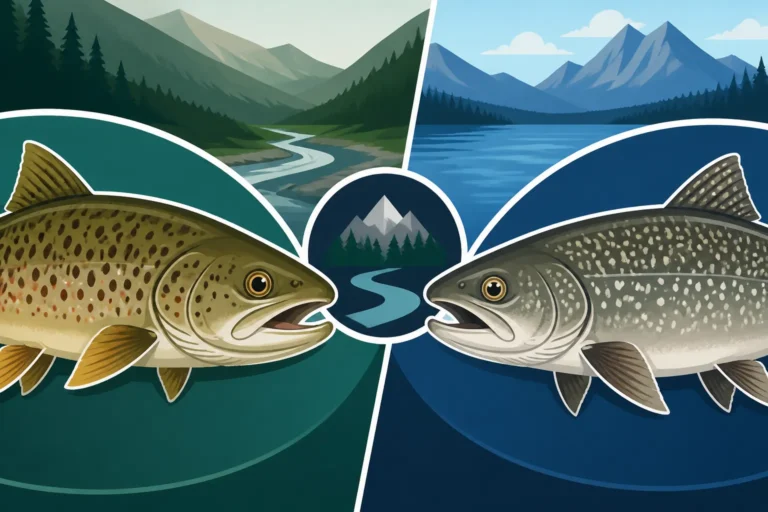
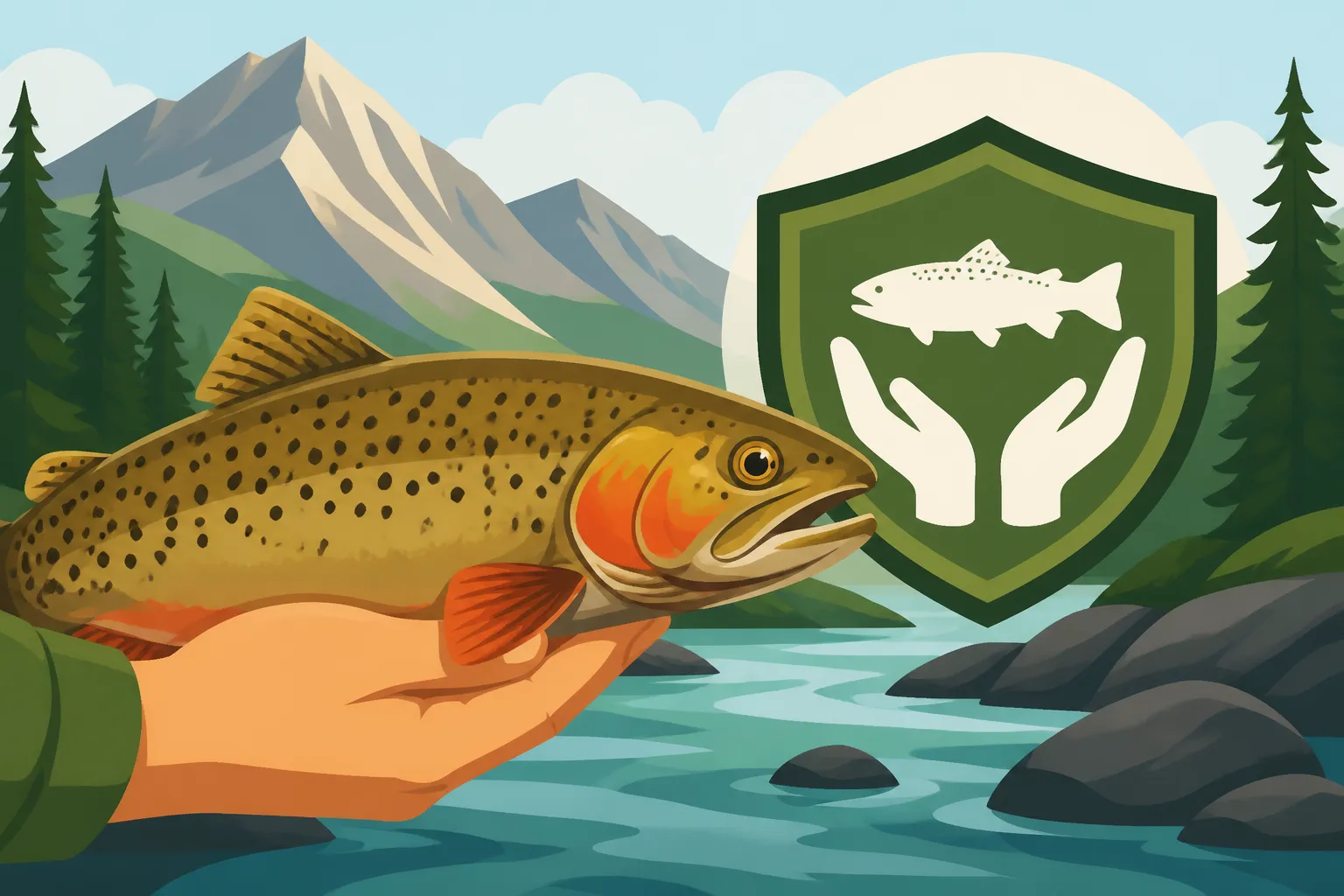
Knowing your fish is the first step in being a responsible angler, especially when dealing with protected species. Westslope cutthroat trout are truly beautiful fish, often sporting vibrant colours, especially during spawning season. They typically have an olive-green back that fades into silvery sides, often with distinctive black spots that are concentrated towards the tail, though they can be scattered across the body. The most defining characteristic, however, and the one that gives them their name, is the reddish-orange or scarlet slash marks under their lower jaw. Sometimes these marks are quite vivid, and other times they might be a bit faded, but they are almost always present. Their fins can also show hints of yellow or orange.
It's crucial to be able to distinguish them from other trout you might encounter, especially rainbow trout, which they can sometimes hybridize with. Rainbows generally have spots evenly distributed over their entire body, and they lack that tell-tale "cutthroat" slash. Brown trout, another common species, have larger, more scattered dark spots, often with red or orange halos, and a more golden-brown hue. Being certain of your identification is paramount to adhering to regulations. Take a moment, observe the fish carefully, and if there's any doubt, treat it as a protected species. For more help, check out a Trout Species Identification Guide for Alberta.
Historical Range and Importance in Alberta's Ecosystem
Historically, westslope cutthroat trout were found in abundance throughout the eastern slopes of the Rocky Mountains, inhabiting pristine, cold-water streams and rivers. Their native range included drainages in southwestern Alberta, particularly within the Oldman, Bow, and Red Deer River systems, and extending north. They thrived in these high-elevation habitats, relying on the clean, cold, oxygen-rich water that flowed from the mountains. They are a keystone species in these delicate ecosystems, meaning they play a critical role in maintaining the balance of life in their environment.
As predators, they help control insect populations and smaller fish, while also serving as a food source for larger animals like bears, eagles, and otters. Their health is directly linked to the health of the entire watershed. If the cutthroat trout are struggling, it’s often a sign that the water quality is degrading, the habitat is being altered, or other pressures are impacting the delicate balance. Protecting them isn't just about saving a fish; it's about safeguarding entire river systems that provide us with clean water and incredible outdoor experiences.
The Protected Status: Why Westslope Cutthroat Trout Need Our Help
The sad reality is that westslope cutthroat trout populations have faced significant declines over the past century. What was once a thriving species is now considered a species of special concern, and in many areas, they are considered endangered. This isn't due to a single factor but a complex web of environmental pressures that have slowly eroded their populations and pushed them to the brink. Understanding these threats is crucial for anyone who cares about Alberta's fisheries.
Factors Leading to Their Decline
The primary threats to westslope cutthroat trout are habitat degradation, hybridization with non-native trout, and competition from introduced species.
First, habitat degradation is a huge issue. Logging, oil and gas development, road construction, and agricultural runoff can all impact the quality and quantity of the cold, clean water that these trout depend on. Sedimentation from disturbed banks can smother spawning beds, making it impossible for their eggs to hatch. Water diversions for various uses can reduce stream flows, particularly during critical spawning and rearing periods. Warmer water temperatures, often linked to climate change and loss of riparian vegetation (trees and shrubs along riverbanks), also stress these cold-water fish. They need that icy mountain runoff to survive and thrive.
Second, hybridization with rainbow trout is a silent but deadly threat. When non-native rainbow trout were introduced into many of Alberta's rivers decades ago, they began to interbreed with the native westslope cutthroat. The offspring of these pairings are often less adapted to the specific conditions of the native cutthroat's habitat, and over generations, this dilutes the genetic purity of the westslope cutthroat trout, essentially breeding them out of existence. This genetic swamping is a significant reason why pure strains of westslope cutthroat trout are now so rare.
Third, competition from introduced species like brown trout and brook trout also plays a role. These non-native species can be more aggressive, outcompeting the westslope cutthroat for food and prime habitat, or even preying on their young. It's a tough world out there for a native fish when they're facing challenges on multiple fronts.
Legal Protections and Conservation Designations
Given these significant threats, the westslope cutthroat trout has been afforded a high level of protection in Alberta. Federally, under the Species at Risk Act (SARA), the species is listed as "Threatened." In Alberta, the provincial government designates them as "Threatened" under the Alberta Wildlife Act. These designations aren't just names; they trigger specific legal requirements and conservation efforts aimed at preventing further declines and promoting recovery.
What does this mean for anglers? It means that in almost all waters where westslope cutthroat trout are known to exist, there is a zero possession limit. You cannot keep even one of these fish. If you catch one, it must be immediately released unharmed. This is similar to the Alberta Bull Trout Zero Possession Rule, which applies to another of our vulnerable native trout species. In many specific watersheds, particularly those considered critical habitat for pure strains, there are also special regulations in place, such as mandatory Alberta Barbless Hook Requirement Waters and specific seasonal closures to protect spawning fish. It is absolutely essential for every angler to consult the current Reading the Alberta Guide to Sportfishing Regulations before heading out, paying close attention to the specific zone and waterbody regulations, especially if you plan to fish in mountain streams.
Fishing for Westslope Cutthroat Trout: Regulations and Responsible Angling
Encountering a westslope cutthroat trout on the end of your line is a truly special moment, a glimpse into Alberta's wild heart. But with that privilege comes a great responsibility. Since they are so vulnerable, every interaction with these fish must prioritize their survival. That means understanding and strictly adhering to regulations, and practicing impeccable catch-and-release techniques.
Navigating Alberta's Regulations
As mentioned, the overarching rule for westslope cutthroat trout in Alberta is a strict zero possession limit. This means if you catch one, it must go back into the water right away. No photos of it on the bank, no admiring it in the net for too long. Get it back quickly and safely. This rule applies across their range.
Beyond the zero possession limit, many specific river sections and streams that are critical habitat for westslope cutthroat trout have additional restrictions. You might find "catch and release only" designations, even for other trout species, to minimize pressure on the ecosystem. Some areas have "fly fishing only" rules, and others might have specific gear restrictions. For example, some waters may mandate Alberta Barbless Hook Requirement Waters, which is an excellent practice for all catch-and-release fishing anyway, as it significantly reduces injury to the fish.
It cannot be stressed enough: always check the latest Alberta Guide to Sportfishing Regulations. This guide outlines all zone-specific season dates, bag limits, and gear restrictions. The digital version or app is incredibly helpful for looking up details on the fly. Don't rely on old information or what a buddy told you last year. Regulations can and do change to protect these sensitive populations. You can also find general information in our Alberta Fishing Regulations Explained article.
Best Practices for Catch and Release
Catch and release isn't just about throwing the fish back; it's about giving it the best possible chance of survival once it swims away. For a fragile species like the westslope cutthroat trout, this is non-negotiable.
Here are the key principles:
- Minimize Fight Time: Use appropriate tackle that allows you to land the fish quickly without completely exhausting it. A longer, more strenuous fight can deplete a fish's energy reserves, making it more vulnerable to predators or disease after release.
- Barbless Hooks are a Must: Barbless hooks come out easily, minimizing tissue damage. If your hooks aren't barbless, crimp down the barb with pliers. You can find quality barbless hooks or tools to make your hooks barbless on platforms like Amazon.
- Keep the Fish in the Water: This is perhaps the most critical rule. A fish out of water cannot breathe, and its delicate slime coat, which protects it from infection, can be damaged by dry hands or contact with abrasive surfaces. Try to unhook the fish while it's still submerged.
- Wet Hands Only: If you absolutely must handle the fish, wet your hands thoroughly first. This helps protect their slime coat.
- Proper Tools: Carry a pair of long-nosed pliers or forceps for easy hook removal. This allows you to quickly get hooks out without excessive handling. A good pair of these is a small but mighty investment for responsible fishing and can easily be found on Amazon.
- Use a Knotless Net: A rubber or knotless mesh landing net (like a Best Landing Net for Trout) is far superior to knotted mesh, which can scrape off slime and damage fins. It also helps contain the fish for quick unhooking without it flopping on the rocks.
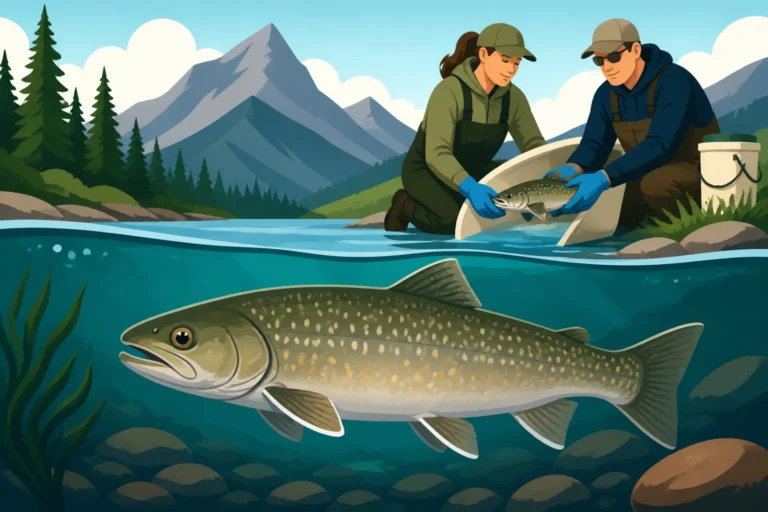
- Revive, Don't Just Release: If the fish seems sluggish after being unhooked, hold it gently upright in the water, facing upstream in a current, and allow water to flow over its gills until it regains strength and can swim away on its own. Never throw a stunned fish back into the current; it will likely be swept downstream or become easy prey.
By following these practices, you significantly increase the chances that the westslope cutthroat trout you release will go on to spawn and contribute to the recovery of its species. For more detailed advice, read our guide on How to Catch Bull Trout and Release Them Safely, as many of the principles are transferable.
How Anglers Can Contribute to Westslope Cutthroat Trout Recovery
Being an angler means more than just catching fish; it means being a steward of our natural resources. For a species as imperiled as the westslope cutthroat trout, every action we take, both on and off the water, can make a difference. We have a unique role to play in advocating for and actively participating in their recovery.
Supporting Conservation Initiatives
Many dedicated organizations and government programs are working tirelessly to restore westslope cutthroat trout populations and their habitats. These efforts include identifying and protecting critical spawning grounds, restoring degraded stream sections, removing barriers to fish passage, and even selective removal of non-native fish where hybridization is a major threat.
Anglers can contribute in several ways:
- Volunteer: Many conservation groups rely on volunteers for stream clean-ups, habitat restoration projects (like planting riparian vegetation), or monitoring fish populations. Giving your time is invaluable.
- Donate: Financial contributions, even small ones, help fund vital research, habitat work, and outreach programs.
- Report Sightings: If you encounter westslope cutthroat trout in areas where they weren't previously known, or if you spot signs of poaching or habitat damage, report it to Alberta Environment and Protected Areas. Accurate data helps biologists track populations and direct conservation efforts.
- Participate in Citizen Science: Some programs engage anglers in data collection, such as identifying fish species or recording water temperatures. This firsthand data from people who are regularly on the water is incredibly valuable.
Supporting initiatives like the Alberta Conservation Association or local watershed councils directly helps these fish. Every little bit truly makes a difference in the long game of conservation.
Education and Advocacy
One of the most powerful tools we have as anglers is our voice and our ability to educate others. Many people simply aren't aware of the plight of the westslope cutthroat trout or the strict regulations surrounding them.
- Share Your Knowledge: Talk to fellow anglers, especially newer ones, about the importance of identifying native species and practicing responsible catch and release. Gently correct misinformation and encourage adherence to regulations. Explain why these rules exist – it's not just about bureaucracy, it's about protecting a fragile piece of Alberta's natural heritage.
- Lead by Example: Always demonstrate best practices yourself. Be the angler who meticulously wets their hands, uses a knotless net, and takes the extra moment to revive a fish before release. Others will notice and often follow suit.
- Advocate for Policy: Stay informed about proposed land use changes or water management policies that could impact westslope cutthroat trout habitat. Write letters to your elected officials, participate in public consultations, and lend your voice to advocacy campaigns. Your experience on the water gives you a unique perspective that policy-makers need to hear.
- Promote Responsible Tourism: If you're traveling to fish, choose outfitters and lodges that demonstrate a strong commitment to conservation and sustainable fishing practices. Support businesses that understand and respect the delicate balance of Alberta's ecosystems.
By taking an active role in education and advocacy, we can collectively create a culture of conservation that benefits not only the westslope cutthroat trout but all of Alberta's incredible fish species for generations to come. This is especially important for Endangered and Protected Fish Species in Alberta as a whole.
Disclaimer
This article is for general informational purposes only and does not constitute professional advice. Laws, prices and regulations vary by location and change over time. Consult a qualified professional for guidance on your specific situation.