What fish species are unique to Alberta’s mountain streams
There's nothing quite like the crisp air, the scent of pine, and the roaring sound of a pristine mountain stream. Many anglers, myself included, are drawn to Alberta's high country, not just for the breathtaking scenery but for the unique fishing opportunities these waters hold. It's easy to wonder what hidden gems might be swimming in those icy-cold currents, distinct from the fish found in our prairie lakes and bigger rivers. This guide will take you on a journey to discover the incredible, often elusive, fish species that truly call Alberta's mountain streams their unique home.
The Allure of Alberta's Mountain Streams
Alberta's mountain streams aren't just pretty backdrops; they are dynamic, unforgiving, and utterly captivating ecosystems. They demand respect, skill, and a deep appreciation for the delicate balance of nature. For anglers, these streams represent a challenge and a reward unlike any other.
Why Mountain Streams are Special Habitats
Think about the journey of a mountain stream. It often starts as snowmelt high in the Rockies, carving its way through rock and forest, tumbling over rapids, and settling into crystal-clear pools. This constant movement, coupled with cold temperatures, high oxygen levels, and often nutrient-poor environments, creates a very specific set of conditions. Not every fish species can thrive here. The fish that do are typically highly adapted, hardy, and often incredibly beautiful. Their survival often hinges on their ability to navigate strong currents, find scarce food, and withstand the harsh winters. These aren't your typical slow-moving, warm-water habitats; they are wild, untamed arteries of the mountains, demanding that its inhabitants be equally robust.
The Challenges of Fishing Mountain Streams
Fishing these pristine waters comes with its own set of hurdles. Access can be a real adventure, often requiring hikes through rugged terrain, dense bush, or steep inclines. Forget driving right up to the best spots; often, the most rewarding fishing is found far off the beaten path. Once you're there, the fishing itself can be technical. The clear water means fish are easily spooked, requiring delicate presentations and stealthy approaches. Currents can be tricky, making fly presentation or lure retrieval a finely tuned art. Plus, the sheer beauty of the surroundings often leads to more time admiring the views than actually casting. Beyond the physical challenges, there's a strong ethical component: these ecosystems are fragile, and anglers have a responsibility to minimize their impact.
Unveiling Alberta's Unique Mountain Stream Dwellers
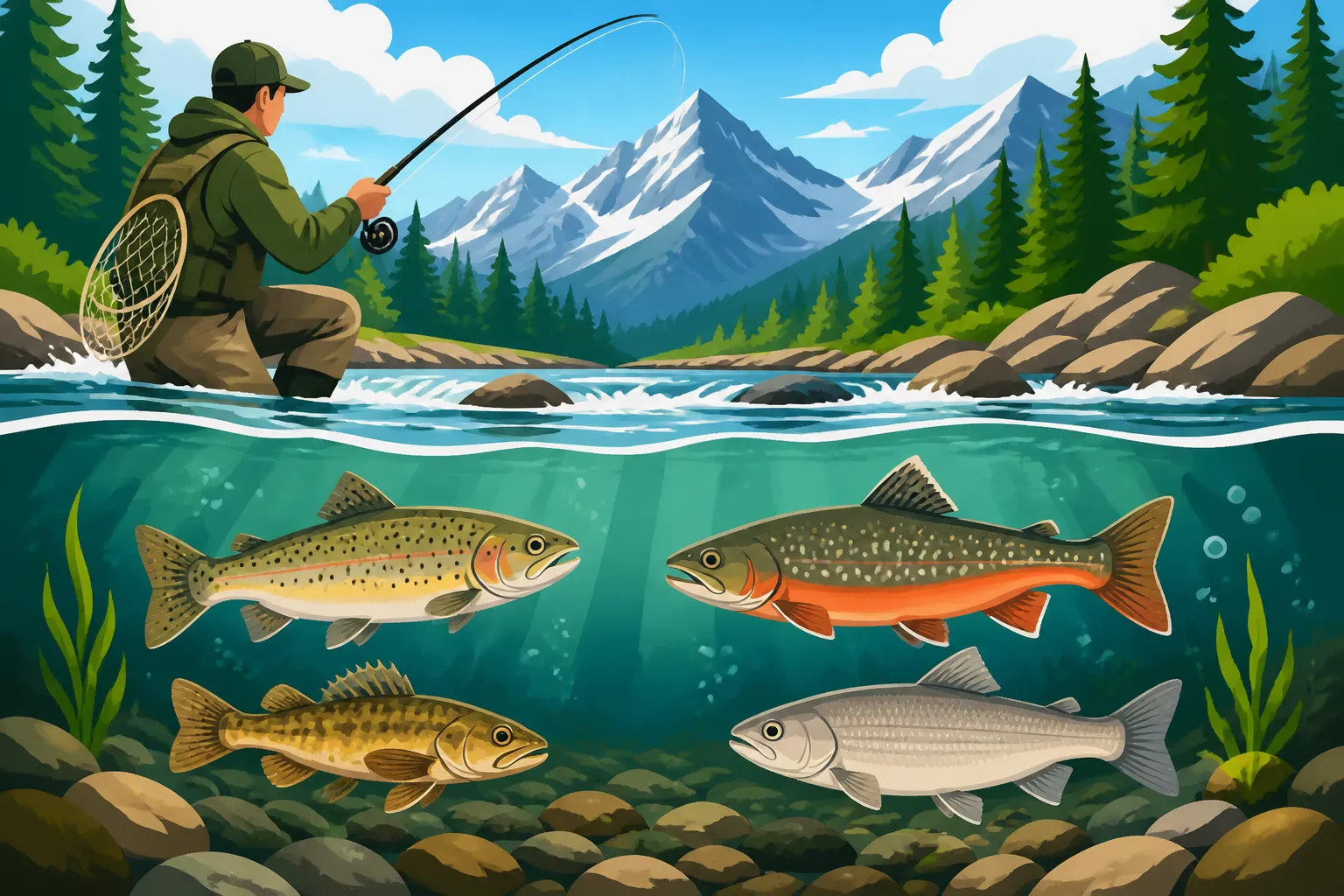
While many rivers might have some overlap in fish species, certain fish truly define the unique character of Alberta's mountain streams. These are the species that have adapted perfectly to the cold, clear, and challenging conditions, creating a distinct angling experience.
Westslope Cutthroat Trout: The Crown Jewel
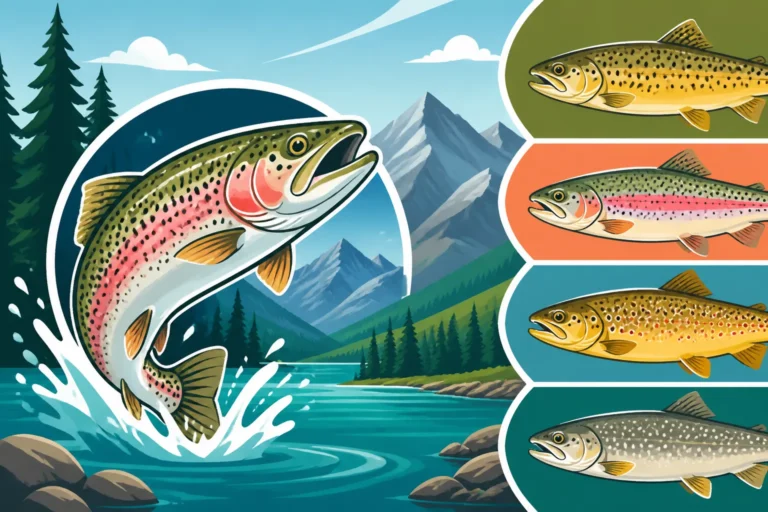
When you think of Alberta's native mountain stream trout, the Westslope Cutthroat is often the first to come to mind. These magnificent fish are easily identified by the distinct red or orange slash marks under their lower jaw, which gives them their "cutthroat" name. Their coloration can vary, from olive-green backs with golden flanks to more silvery tones, often adorned with sparse, dark spots concentrated towards the tail. They prefer the headwaters and smaller tributaries of mountain rivers, thriving in cold, oxygen-rich water with plenty of overhead cover and rocky bottoms. They are a true indicator of pristine water quality.
Fishing for Westslope Cutthroat is a highly prized experience. They are typically smaller than their rainbow or brown trout cousins, often ranging from 8 to 14 inches, though larger specimens can be found in more productive waters. Their diet consists primarily of aquatic insects, terrestrial insects that fall into the water, and small baitfish. Because of their native status and specific habitat requirements, Westslope Cutthroat are particularly vulnerable to habitat degradation and competition from introduced species. Many populations are facing challenges, and as a result, they are a protected species in many areas. It's crucial for anglers to be aware of the specific regulations in place, which often include catch-and-release only rules, to help ensure the survival of this iconic fish. Always check the current regulations before you head out, and remember that their protected status is a serious matter for all responsible anglers. You can learn more about their conservation in Alberta westslope cutthroat trout protected status.
Bull Trout: A Mysterious and Protected Predator
Another incredibly unique and significant species to Alberta's mountain streams is the Bull Trout. These are not your average trout; they are char, related to lake trout and brook trout, and they are powerful, streamlined predators. Bull Trout are recognizable by their distinct olive-green to blue-grey backs, fading to silvery sides with cream or pale yellow spots. They lack the black spots typical of true trout, and their fins often have white leading edges. Perhaps their most striking feature is their large head and powerful jaws, indicative of their predatory nature.
Bull Trout require exceptionally cold, clean water for spawning and rearing, making the high-elevation mountain streams their indispensable habitat. They are also highly migratory, often moving from large lakes into smaller streams to spawn, or traveling significant distances within river systems. Their diet consists almost entirely of other fish, making them an apex predator in their ecosystem. Sadly, Bull Trout populations have faced significant declines due to habitat loss, fragmentation, and historical overfishing. This has led to extremely strict conservation measures across Alberta, including a province-wide Alberta Bull Trout Zero Possession Rule, meaning it is illegal to keep a Bull Trout. If you are lucky enough to encounter one, it must be released immediately and unharmed. Catching a Bull Trout is a rare and special event, a true testament to the health of the mountain stream you're fishing. Understand their delicate situation and how to handle them responsibly. For more detailed information, check out Bull Trout: Alberta's Threatened Native Fish and understand Why Bull Trout Have a Zero Possession Limit in Alberta.
Rocky Mountain Whitefish: Often Overlooked Gems
While trout often steal the spotlight, the Rocky Mountain Whitefish is a unique and integral part of Alberta's mountain stream ecosystems that often gets overlooked by anglers. These fish are distinctly different from the larger Lake Whitefish found in bigger lakes. Rocky Mountain Whitefish are slender, silvery fish with small mouths and distinctive large scales. They have an adipose fin, like trout and salmon, indicating their relation to the salmonid family. They thrive in the cold, clear, flowing waters of mountain rivers and streams, often found in deeper runs and pools, or congregating behind obstructions where current creates feeding lanes.
Rocky Mountain Whitefish are primarily bottom feeders, sifting through gravel and rocks for insect larvae, nymphs, and small crustaceans. Anglers often catch them incidentally while targeting trout, but they can also be specifically targeted with small nymphs or tiny jigs. They put up a surprisingly strong fight on light tackle, and are considered excellent table fare by those who appreciate them. Their presence is another sign of a healthy, cold-water ecosystem. Taking the time to appreciate and understand these often-underestimated fish adds another layer of richness to the mountain stream fishing experience. If you're curious about the difference between them and their larger cousins, you can read Rocky Mountain Whitefish vs Lake Whitefish Identification.
Arctic Grayling: Northern Mountain Stream Beauties
While more commonly associated with the northern reaches of Alberta, the Arctic Grayling does extend into some of the province's colder, more remote mountain streams and rivers, particularly in the northern Rockies. These stunning fish are easily identified by their magnificent, sail-like dorsal fin, often edged with iridescent red or purple. Their bodies are typically silvery-grey, with iridescent spots, and a distinctive "peppering" of black spots near the head. They have a small mouth, indicating their preference for insect life.
Arctic Grayling thrive in clear, cold, highly oxygenated water. They are primarily insectivores, known for their eagerness to rise to dry flies, making them a favorite target for fly anglers. Their habitat requirements are very specific, and they are also quite sensitive to habitat disturbance. Finding them in Alberta's mountain streams is a special treat and often requires venturing into truly remote wilderness areas. Like the Bull Trout and Westslope Cutthroat, their presence underscores the unique and pristine nature of these high-country waters.
Conservation and Responsible Angling in Mountain Streams
Fishing in Alberta's mountain streams isn't just about catching fish; it's about being a steward of these incredible, delicate environments. The uniqueness of the species found here demands a higher level of responsibility from every angler.
Protecting Fragile Ecosystems
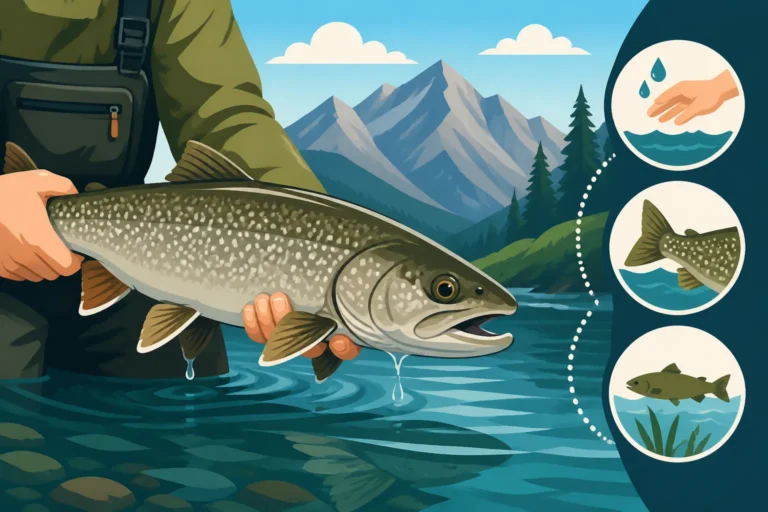
The very qualities that make mountain streams unique – their cold, clear water, their isolation, and the specialized fish species that inhabit them – also make them incredibly vulnerable. Overfishing, improper handling of fish, litter, and habitat disturbance can have devastating and long-lasting effects. Catch-and-release is often the golden rule in these areas, especially for native and protected species like Westslope Cutthroat and Bull Trout. Practicing proper catch-and-release techniques, such as using barbless hooks, minimizing handling time, keeping the fish in the water, and using a soft, knotless net, is paramount. Every angler has a role to play in preserving these fragile ecosystems for future generations. Respecting private land, packing out all garbage, and leaving no trace are not just suggestions, but essential practices. Learn more about specific regulations in Alberta Fishing Regulations Explained.
Gear Up for Success (and Sustainability)
Having the right gear makes a huge difference in both your success and your ability to practice responsible angling in mountain streams. For example, a quality fly rod and reel, perhaps a 3- to 5-weight, is perfect for the smaller streams and delicate presentations required for cutthroat and grayling. For lures, small spinners and spoons are often effective, but again, ensure they are equipped with single, barbless hooks.
When it comes to clothing, layers are key due to the unpredictable mountain weather. Waterproof and breathable outerwear is a must. And let's not forget wading gear! Good quality chest waders and sturdy wading boots with felt or rubber soles are essential for navigating slippery rocks and staying warm in cold water. You can find excellent options for all these items online, whether you're looking for specific fly patterns or durable wading boots on Amazon, or searching for a robust, waterproof backpack to carry your essentials. Investing in gear that supports ethical fishing, like a rubberized mesh landing net to protect fish slime, is always a wise choice.
Planning Your Mountain Stream Adventure
Embarking on a fishing trip to Alberta's mountain streams requires more than just a rod and reel. It demands thoughtful planning and preparation to ensure both a successful and safe experience.
Researching Regulations and Access
This cannot be stressed enough: always consult the most current Alberta Guide to Sportfishing Regulations before you go. Regulations can vary significantly from one stream to another, and even within different sections of the same river. Some areas might be catch-and-release only, have bait bans, or specific season dates for certain species. Ignoring these rules can lead to heavy fines and seriously impact fish populations. Websites like MyWildAlberta are your best friend for up-to-date information. Understanding the specific zone you plan to fish in and any special regulations that apply is crucial. For a comprehensive overview, start with Reading the Alberta Guide to Sportfishing Regulations. It’s easy to get excited and forget, but a quick check can save you a lot of grief and protect the fish you love to chase.
Essential Safety Tips
The mountains are beautiful but can also be unforgiving. Safety should always be your top priority.
- Weather: Mountain weather is notoriously fickle. A sunny morning can quickly turn into a cold, rainy, or even snowy afternoon. Pack layers, waterproof clothing, and an emergency blanket.
- Terrain: Trails can be rugged, steep, and slippery. Wear appropriate footwear with good ankle support. A wading staff can be invaluable for crossing currents and maintaining balance.
- Wildlife: You are in bear country. Carry bear spray, know how to use it, and make noise while hiking to avoid surprising wildlife. Learn the difference between black and grizzly bear encounters.
- Navigation: Many mountain streams are in remote areas with no cell service. Carry a map, compass, or a GPS device, and know how to use them. Let someone know your itinerary and expected return time.
- First Aid: Always carry a well-stocked first-aid kit for minor injuries.
- Water Safety: Even seemingly shallow streams can have strong currents. If wading, understand Wading Techniques for Alberta Trout Rivers and always assess the risks before entering the water.
Remember, a safe angler is a responsible angler, and responsible anglers are the guardians of Alberta's unique mountain stream species.
Here's a quick overview of some of the unique fish you might find in Alberta's mountain streams:
| Species | Primary Habitat | Key ID Features | Conservation Status (General) | Angling Notes |
|---|---|---|---|---|
| Westslope Cutthroat Trout | Cold, clear headwaters, smaller streams | Red/orange slash under jaw, small spots | Sensitive, often protected/C&R | Eager dry fly takers, delicate presentation needed |
| Bull Trout | Very cold, clean large rivers & lakes, spawning in streams | Pale spots, large head, no black spots | Threatened, province-wide C&R | Apex predator, powerful fight, must be released |
| Rocky Mountain Whitefish | Cold, clear rivers & streams, deeper runs | Slender, silvery, small mouth, large scales | Stable, often overlooked | Bottom feeder, strong fight on light tackle |
| Arctic Grayling | Cold, clear, oxygenated northern mountain streams | Large "sail-like" dorsal fin, iridescent | Sensitive, often protected/C&R | Aggressive dry fly takers |
Alberta's mountain streams offer an unparalleled angling experience, not just for the stunning scenery but for the privilege of pursuing some of the province's truly unique and magnificent fish species. From the jewel-toned Westslope Cutthroat to the formidable Bull Trout, these waters are a testament to nature's resilience and beauty. By understanding their unique characteristics, respecting their delicate habitats, and adhering to strict conservation practices, we can ensure that these incredible fish continue to thrive for generations to come. So, pack your gear, check your regulations, and get ready for an unforgettable journey into the heart of Alberta's wild fishing frontier.
Disclaimer
This article is for general informational purposes only and does not constitute professional advice. Laws, prices and regulations vary by location and change over time. Consult a qualified professional for guidance on your specific situation.