How many trout species live in Alberta
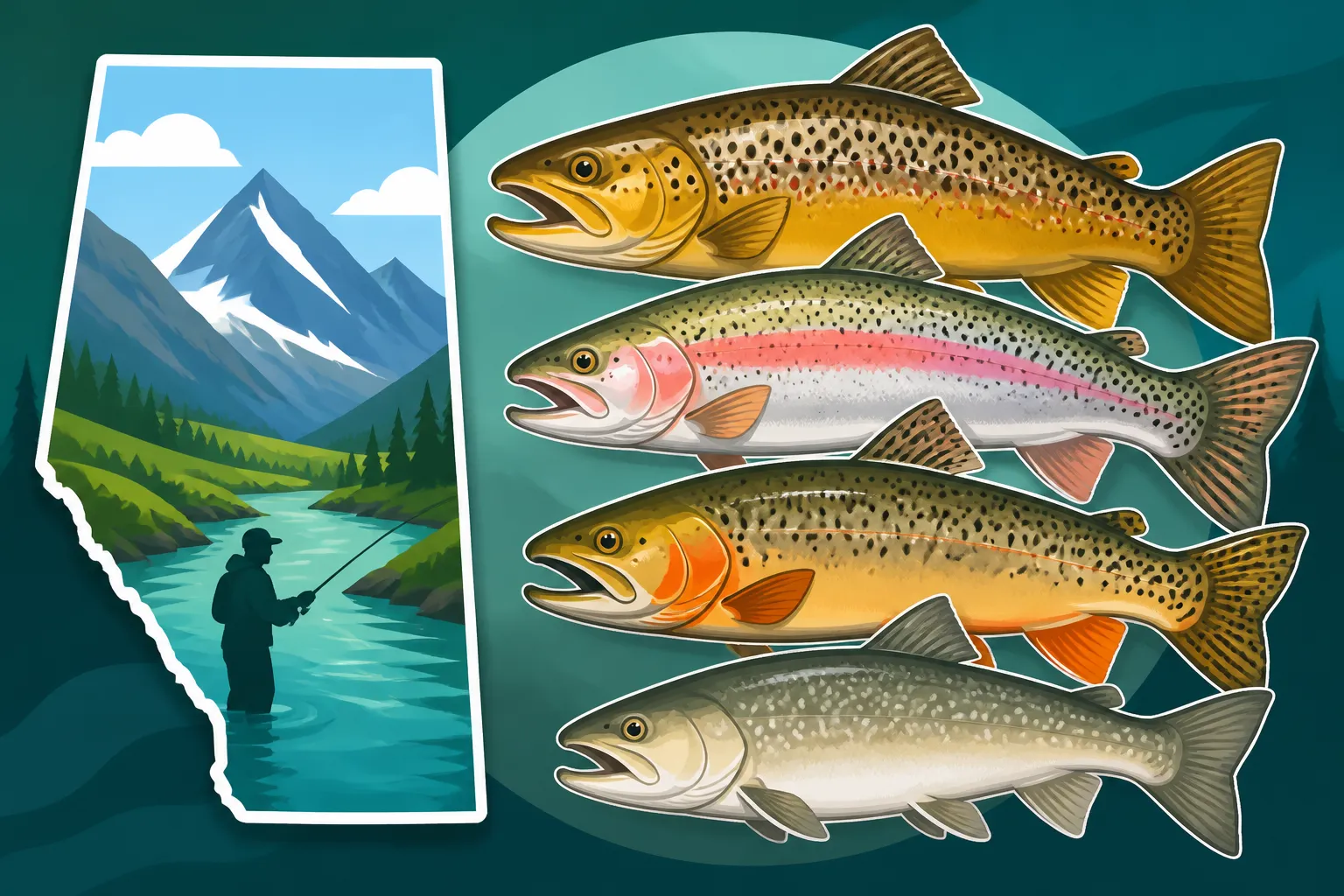
It can be incredibly confusing to figure out exactly what kind of trout you're casting for here in Alberta. With our incredible range of waters, from icy mountain streams to warmer prairie lakes, it’s no wonder people often ask, "How many trout species actually live in Alberta?" It's not just about what swims in the water, but also about the complex dance between native species, introduced fish, and the strict regulations put in place to protect them. This guide will cut through the confusion and give you a clear picture of the diverse trout populations you'll encounter in our beautiful province.
Unpacking Alberta's Trout Diversity: Native vs. Introduced Species
When we talk about trout in Alberta, it's not a simple case of one or two types. We have a fascinating mix of species that have called these waters home for millennia and others that were introduced over time to enhance our fishing opportunities. Understanding this distinction is absolutely crucial, not just for identifying your catch, but for respecting the delicate ecosystems our native fish depend on. It’s a bit like learning the history of a town – you need to know who was here first and who arrived later to truly understand its character.
Alberta's True Natives: The Original Inhabitants
These are the species that evolved right here in Alberta, perfectly adapted to our unique aquatic environments. They are the bedrock of our province's fishing heritage and often face the most significant conservation challenges.
Bull Trout: The Apex Predator of Mountain Streams
Oh, the magnificent bull trout! This is truly Alberta's iconic native fish, and for many of us, catching one is a highlight of a lifetime. These aren't your typical colourful trout; they're char, a cousin to trout, with stunning greenish-grey bodies, pale spots, and often a flash of orange or red on their fins and bellies, especially during spawning. They are predators through and through, thriving in the coldest, cleanest, most oxygen-rich waters of our mountain and foothill rivers. You'll find them lurking in deep pools, undercuts, and around large boulders, always on the lookout for smaller fish or large insects.
The challenges for bull trout are immense. Habitat loss, barriers to migration, and historical overfishing have taken a toll, which is why they are considered a threatened species in Alberta. This is why strict regulations are in place to protect them, including a Alberta Bull Trout Zero Possession Rule in most waters. If you're lucky enough to hook into one, admiring its beauty and ensuring a swift, safe release is paramount. Learning how to properly handle them for catch and release is essential for their survival; check out resources on How to Catch Bull Trout and Release Them Safely to ensure you're doing your part. Catching one is a privilege, a testament to the health of the water you're fishing.
Westslope Cutthroat Trout: A Gem of the Headwaters
Another true native, the westslope cutthroat trout, is a beautiful and often feisty fish that graces the upper reaches of our mountain streams. Their name comes from the distinctive red or orange slash marks found under their jaw, a little splash of colour that makes them unmistakable. These fish are perfectly adapted to the often-harsh conditions of high-elevation streams, typically smaller than their bull trout counterparts, but what they lack in size, they make up for in spirit.
Westslope cutthroat trout also face conservation concerns, primarily due to habitat fragmentation and hybridization with introduced rainbow trout. Their pure genetic strains are vital for the long-term health of our ecosystems. Anglers targeting these fish often use light tackle and dry flies, enjoying the solitude of remote mountain settings. They're a delicate species, and responsible angling, including careful catch and release, helps ensure their populations remain healthy. You can learn more about their unique traits in a Trout Species Identification Guide for Alberta.
Native Rainbow Trout: A Unique Lineage
While many rainbow trout in Alberta are stocked, there are some specific populations of rainbow trout considered native to certain drainages, particularly in the western parts of the province. These native strains have adapted to their specific environments over countless generations and possess unique genetic characteristics. Distinguishing them from stocked rainbows can be incredibly difficult, often requiring genetic testing, which is why regulations usually treat all rainbows in a given area uniformly.
These native populations are vital, contributing to the overall biodiversity of our waters. They typically thrive in cold, clear rivers and larger streams, feeding on insects, small fish, and crustaceans. Their fighting spirit makes them a favourite among anglers.
Introduced and Stocked Trout: Expanding Our Fishing Horizons
To provide more angling opportunities, several trout species have been introduced to Alberta's waters. These fish often thrive in conditions that native species might find less hospitable, or they simply offer a different angling experience.
Rainbow Trout: Alberta's Most Popular Sport Fish
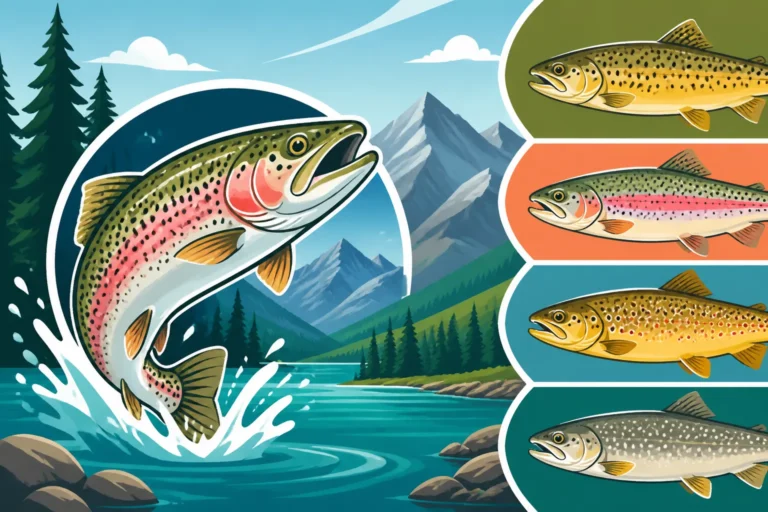
When most people think of trout fishing in Alberta, they're probably picturing a rainbow trout. These vibrant fish, known for the iridescent pink or red band along their side, are by far the most widely distributed and frequently stocked trout in our province. They're a fantastic sport fish, offering strong fights and readily taking a variety of flies, lures, and baits. You'll find them in countless lakes and rivers across Alberta, from urban ponds to the legendary Bow River Trout Fishing Near Calgary.
Stocked rainbow trout grow quickly and provide accessible fishing for anglers of all skill levels. They are a staple of provincial stocking programs, ensuring there are plenty of fish for everyone to enjoy. Whether you're casting tiny nymphs on a pristine river or tossing a spoon from shore in a stocked pond, rainbows are likely to be on the menu. For those looking to learn more about specific techniques, guides like Rainbow Trout Fishing on the Bow River offer excellent insights.
Brown Trout: The Wary Warrior
Introduced from Europe, brown trout are a true challenge for many anglers. Known for their beautiful golden-brown flanks adorned with dark spots often surrounded by lighter halos, sometimes with red spots mixed in, they are incredibly elusive and wary. Browns prefer larger rivers and lakes with plenty of cover, such as undercut banks, fallen timber, and deep pools. They are also highly predatory, often growing to impressive sizes by feeding on smaller fish and large insects.
You'll find strong populations of brown trout in iconic rivers like the Bow River, where they provide an exhilarating challenge for fly anglers. They can be finicky eaters, making them a rewarding catch for those who put in the effort. Brown Trout Fishing in Alberta goes into much more detail about targeting these intelligent fish. For serious brown trout anglers, a good waterproof map or a detailed book on Alberta's trout streams (perhaps one you found on Amazon) can be an invaluable resource for locating their preferred habitats.
Brook Trout: Small but Mighty
Originating from eastern North America, brook trout are another char species that have been introduced into many of Alberta's smaller, colder streams and high-alpine lakes. These fish are absolutely stunning, with distinctive vermiculation (worm-like markings) on their backs, red spots with blue halos, and vibrant white leading edges on their fins. They rarely grow to large sizes in Alberta but are incredibly aggressive for their stature, readily hitting dry flies and small spinners.
Brook trout are a favourite for backpackers and those exploring remote, high-country lakes where they often thrive in pristine conditions. While not as widespread as rainbows, their beauty and willingness to bite make them a delightful catch. Just be sure to check local regulations, as some areas may have specific rules regarding these charismatic fish.
Hybrid Trout: Tiger Trout and Splake
Alberta also stocks a couple of fascinating hybrid trout species, created by cross-breeding different types of trout. These hybrids are typically sterile, meaning they won't reproduce, which allows fisheries managers to introduce a sport fish without impacting native populations through hybridization.
- Tiger Trout: A striking cross between a brown trout and a brook trout, tiger trout get their name from their distinctive, maze-like patterns that resemble tiger stripes. They are known for being aggressive eaters and strong fighters. These fish are usually stocked in specific lakes to provide a unique angling experience and can grow to respectable sizes.
- Splake: A hybrid of a brook trout and a lake trout, splake combine the best fighting qualities of brook trout with the potential for larger size from their lake trout parentage. They are often stocked in lakes that might not be ideal for either parent species, creating new fishing opportunities. If you're wondering What a splake is and where they are stocked, many Alberta fisheries include them in their programs.
These hybrids offer something different for anglers and are a testament to the innovative approaches used in fisheries management.
Golden Trout: The High-Altitude Dream
For the adventurous angler, golden trout are a truly special find in Alberta. While not widespread, these incredibly beautiful fish, with their shimmering gold and red flanks, are stocked in a handful of high-alpine lakes. These are bucket-list fish, requiring strenuous hikes into remote wilderness areas. Are Golden Trout Stocked in Alberta's Alpine Lakes? Yes, but finding them is part of the adventure!
They are a delicate species, and responsible angling is key to their continued presence in these pristine environments. Often, these lakes are designated for catch-and-release, or have very strict limits, reflecting the effort and commitment involved in sustaining these unique populations. The reward for the challenging journey is not just the catch, but the breathtaking scenery and the profound sense of accomplishment.
Key Identification Features for Alberta's Trout
With so many species, knowing how to tell them apart is essential for following regulations and being a responsible angler. Misidentifying a fish could lead to unintentional rule-breaking, especially with species like bull trout that have strict protections. A good field guide (you can find many excellent ones on Amazon) is a great investment.
Distinguishing Characteristics to Look For
Here's a quick rundown of what to keep an eye out for:
- Spots: Are they dark or light? Large or small? Do they extend onto the tail? Are they uniform or concentrated? Rainbow trout usually have small, dark spots throughout, including the tail. Brown trout often have larger, sparse dark spots, some with light halos, and often red spots. Bull trout have pale spots on a dark body. Brook trout have distinctive red spots with blue halos, and worm-like markings.
- Colouration: Is there a prominent red stripe? Is it golden, greenish, or dark grey? The vibrant pink stripe of a rainbow trout is a giveaway, as is the distinct "cutthroat" slash. Golden trout, as their name suggests, are stunningly gold.
- Fin Markings: Are the fins tipped with white? Brook trout have bright white leading edges on their lower fins, a crucial identifier.
- Mouth/Jaw: Does the jaw extend past the eye? Cutthroat trout typically have a mouth that extends to or slightly past the eye. Bull trout have a proportionally large head and jaw.
- Body Shape: Is it torpedo-shaped, thick-bodied, or slender?
- Head Shape: Is it large and blunt (like a bull trout) or more streamlined?
| Feature | Rainbow Trout | Brown Trout | Bull Trout (Char) | Brook Trout (Char) | Cutthroat Trout |
|---|---|---|---|---|---|
| Colouration | Silver to olive green, pink/red lateral stripe | Golden brown to olive, often lighter belly | Dark green/grey, pale spots (yellow, orange) | Dark green/brown, worm-like markings, red spots | Olive to yellowish, red/orange slash under jaw |
| Spots | Small, dark spots over body & tail | Large, dark spots (some with halos), few/no on tail | Pale/yellowish spots, no spots on dorsal or tail | Red/orange spots with blue halos, vermiculations | Dark spots, concentrated towards tail, few/none on head |
| Tail | Slightly forked to square, spotted | Square to slightly forked, few spots | Slightly forked to square, no spots | Square to slightly forked, no spots | Moderately forked, heavily spotted |
| Fins | Clear to slightly dusky | Clear to slightly dusky | Clear to slightly dusky | White leading edge on lower fins (pectoral, pelvic, anal) | Clear to slightly dusky |
| Mouth | Maxillary typically ends at eye | Maxillary typically ends past eye | Maxillary extends past eye, large head | Maxillary typically ends at eye | Maxillary extends to or past eye |
| Distinguishing | Rainbow stripe, spotted tail | Often red spots, no spotted tail, longer jaw | Dark body, pale spots, no spots on dorsal/tail | Worm-like markings, white fin edges | Red/orange slash below jaw |
This table is a great starting point, but always consult the Reading the Alberta Guide to Sportfishing Regulations for the most accurate and up-to-date identification criteria and rules.
The Importance of Accurate Identification
Beyond just following the rules, accurate identification helps you appreciate the fish you catch. Each species has its own story, its own challenges, and its own unique place in Alberta’s aquatic landscape. Knowing what you've hooked allows you to understand its behaviour, its preferred habitat, and how to best care for it if it's a protected species. For example, understanding that a bull trout is a char and highly sensitive to handling will inform how you release it, directly impacting its survival.
Conservation and the Future of Alberta's Trout Fishing
Fishing in Alberta isn't just about catching fish; it's also about being a steward of our natural resources. Many of our trout populations, especially the native ones, face ongoing pressures. Anglers play a vital role in their conservation.
Protecting Alberta's Native Trout Populations
Our native species, like the bull trout and westslope cutthroat trout, are bellwethers of ecosystem health. Their presence indicates clean, cold water and intact habitats. Protecting these species means protecting their homes, which benefits countless other plants and animals, including other fish species. This is why you'll often see specific regulations, like catch-and-release rules or bait restrictions, in waters where these fish reside.
Supporting conservation efforts, participating in habitat restoration projects, and adhering strictly to regulations are all ways anglers can contribute. Even simple actions like properly disposing of your fishing line or not introducing invasive species can make a huge difference. Educating yourself through resources like Bull Trout: Alberta's Threatened Native Fish is a great first step.
Responsible Angling Practices
Every time we cast a line, we make decisions that impact the fish and their environment. Practicing responsible angling ensures that future generations will have the same incredible fishing opportunities we enjoy today.
Catch and Release: A Lifesaving Skill
For many trout fisheries, particularly for native species or in special regulation waters, catch and release is mandatory or highly encouraged. Learning proper catch-and-release techniques is crucial for minimizing stress and injury to the fish, significantly increasing its survival rate. This includes using appropriate tackle, like barbless hooks (which are mandated on Which Alberta rivers mandate barbless hooks only), handling fish minimally with wet hands, keeping them in the water as much as possible, and reviving them gently before release. Even if you plan to keep a fish within legal limits, practicing safe handling is always a good idea.
Respecting Regulations and Seasons
Alberta's fishing regulations are designed by biologists to protect fish populations and ensure sustainable angling. They detail everything from Alberta Bag and Possession Limits by Species to Alberta Fishing Season Dates by Zone and Special Regulation Waters in Alberta. It’s our responsibility as anglers to know and follow these rules. Ignorance is not an excuse, and penalties for non-compliance can be severe, including Fishing Without a License in Alberta: Penalties. Before every trip, always consult the current Alberta Guide to Sportfishing Regulations. It’s available online and at many tackle shops. You can even find physical copies, or digital versions if you're looking on Amazon for fishing books.
The beauty of Alberta's trout fishing lies not just in the number of species, but in the unique character and challenge each one offers. From the wild bull trout of a remote mountain river to the feisty rainbow in a stocked lake, every fish tells a story. By understanding these stories and practicing responsible angling, we can all contribute to the thriving future of Alberta's incredible trout fisheries.
Disclaimer
This article is for general informational purposes only and does not constitute professional advice. Laws, prices and regulations vary by location and change over time. Consult a qualified professional for guidance on your specific situation.