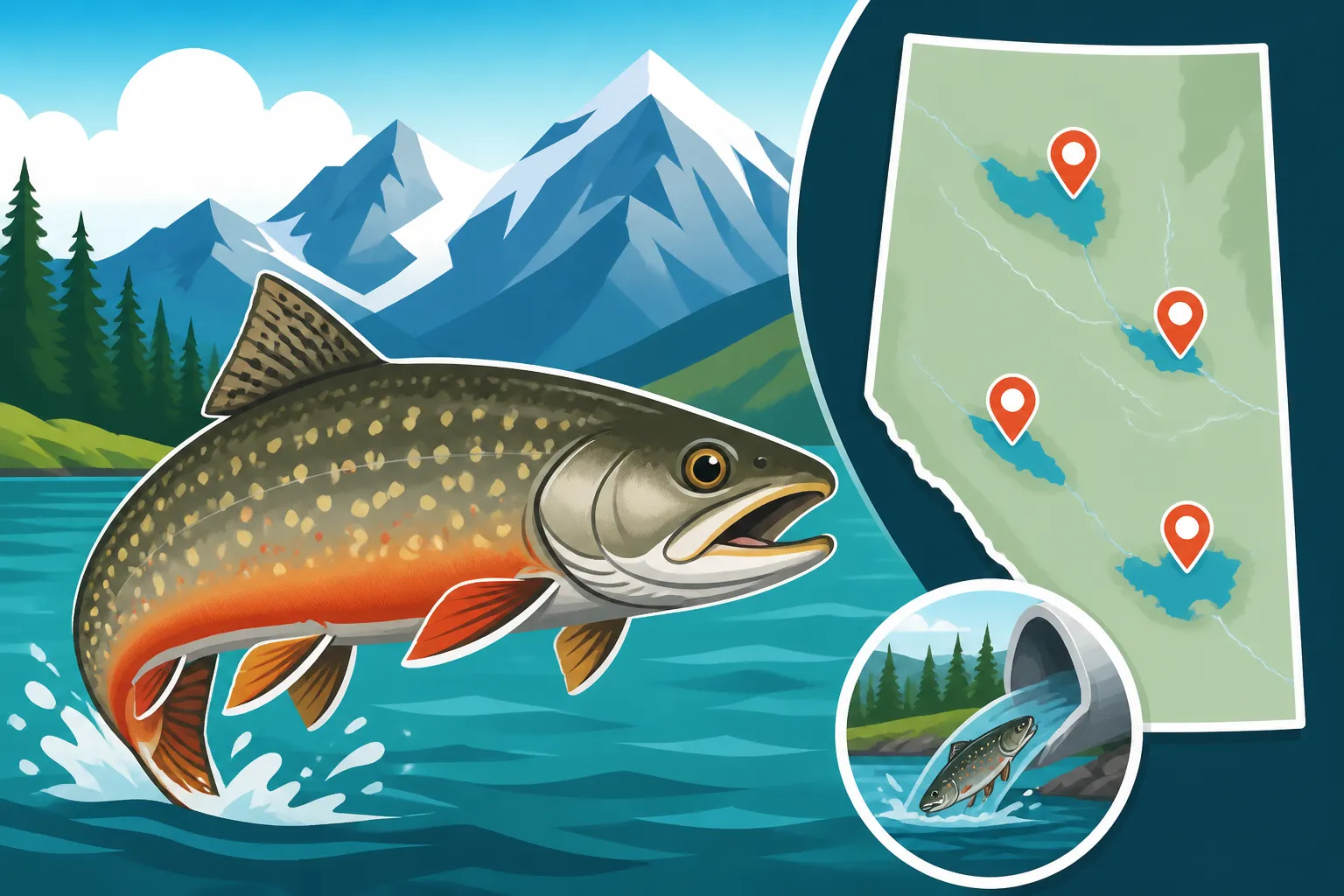
What a splake is and where they are stocked
It’s easy to get confused when you start hearing about different trout species and hybrid fish in Alberta’s waters. With so many lakes and rivers, each with unique regulations and species, it’s natural to wonder about some of the less common names. One such fish that sparks a lot of curiosity is the 'splake.' This guide will dive deep into what a splake is, why they're stocked, and where you might encounter them during your fishing adventures in Alberta.
Understanding the Splake: Nature's Unique Hybrid
The world of fish species can be quite complex, especially when you start delving into hybrids. Splake are a perfect example of how fisheries management can get a little creative to enhance fishing opportunities. They're not a naturally occurring species in the wild, but rather a deliberate creation that has found a special niche in Alberta's angling scene. Understanding their origins helps appreciate their unique characteristics and the role they play in local ecosystems.
The Origin Story: Lake Trout Meets Brook Trout
A splake is a fascinating hybrid fish, a cross between two distinct species: the male brook trout ( Salvelinus fontinalis) and the female lake trout (Salvelinus namaycush). This specific cross results in a fish that often exhibits characteristics from both parents, making them quite distinctive. Think of it like a mule, which is a hybrid of a horse and a donkey – it has traits from both but isn't quite either. The name "splake" itself is a blend, a portmanteau of "speckled trout" (another common name for brook trout) and "lake trout."
Fisheries biologists developed the splake because they were looking for a fish that combined the desirable traits of both parent species. Brook trout are known for their vibrant colours and aggressive feeding habits, making them a popular sport fish, but they often don't grow very large. Lake trout, on the other hand, can grow to impressive sizes and are known for their deep-water resilience, but they can be slower growing in some environments. The splake aims to offer a "best of both worlds" scenario for anglers. While they can sometimes reproduce, splake are largely considered infertile, meaning they don't establish naturally reproducing populations, which gives fisheries managers more control over their numbers through stocking programs.
Why Splake Were Created: A Stocking Success Story
The primary reason for creating and stocking splake is to enhance angling opportunities. Alberta’s vast landscape includes numerous lakes that might not be ideal for native lake trout due to size or depth, and traditional brook trout might not reach the desired size for many anglers. Splake offer an excellent alternative, thriving in a wider range of habitats than their purebred counterparts. They grow faster than brook trout and often achieve larger sizes, giving anglers a more substantial fight and a more rewarding catch.
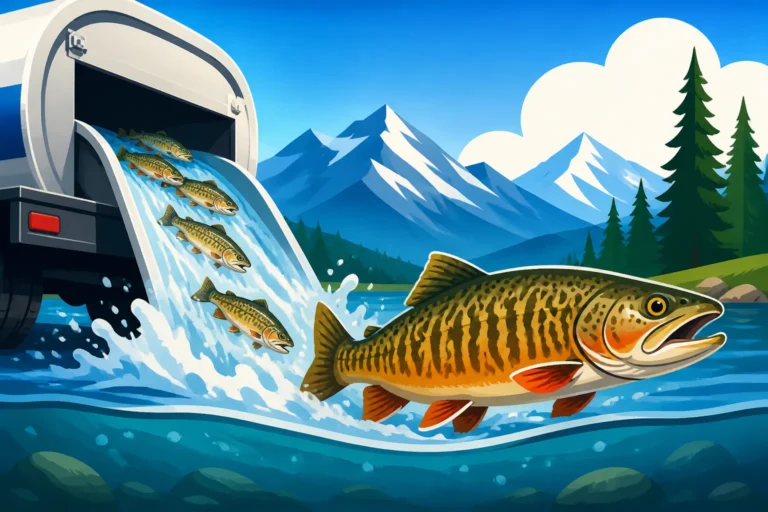
These hardy hybrids are particularly well-suited for many of Alberta's smaller, productive lakes, especially those that might experience winterkill or where native populations of other trout species are not viable. By stocking splake, provincial fisheries managers can provide exciting fishing in these waters without introducing a species that could outcompete or hybridize with wild native fish in sensitive ecosystems. This focused stocking helps to distribute fishing pressure away from more vulnerable wild trout populations and create dedicated put-and-take fisheries. If you're looking for an active day on the water with a good chance of a hook-up, a stocked splake lake can be a fantastic option. They’re often quite aggressive, making for an exciting fishing experience for anglers of all skill levels. You can often find great deals on tackle and gear suitable for splake fishing on retailers like Amazon, ensuring you’re well-equipped for the outing.
Where to Find Splake: Alberta's Stocked Waters
Unlike wild trout that have specific native ranges and preferred habitats, splake are found exclusively where they are stocked. This means that to find splake, you need to consult the official provincial stocking reports and understand the types of waters they thrive in. Alberta's fisheries biologists carefully select locations for splake stocking to maximize angler success and manage fish populations responsibly.
Key Stocking Locations Across the Province
Alberta's splake stocking efforts are generally focused on smaller, productive lakes and ponds, particularly in the central and southern regions of the province. These aren't typically the deep, pristine lakes you'd associate with wild lake trout, nor are they usually the fast-flowing, cold mountain streams where you'd find brook trout. Instead, splake are often introduced into waters that can sustain good growth rates but might not have the natural conditions for other species. Some examples of lakes that have historically received splake stockings include Beaver Lake, Crimson Lake, and certain ponds within provincial parks. These are often easily accessible lakes that cater to general family fishing.
The goal is to create easily accessible fisheries for anglers. Because splake are a stocked species and generally don't reproduce naturally, their presence in any given water body is entirely dependent on ongoing stocking programs. This makes checking the most current stocking reports from the provincial government absolutely essential before planning a trip specifically for splake. These reports will tell you exactly which lakes have been stocked, when, and with what species, helping you target your efforts effectively. It’s always a good idea to cross-reference this information with the general Alberta Fishing Regulations Explained to ensure you're aware of any specific rules for the water body you plan to visit.
Identifying Potential Splake Waters
Knowing where to look for information is just as important as knowing where the fish are. The most reliable way to identify current splake waters is through the official Alberta Environment and Protected Areas (AEPA) website or their associated mobile app. This platform, often referred to as MyWildAlberta, provides detailed stocking lists and lake-specific information. You'll typically find information on which species were stocked, how many, and when the last stocking occurred. This is critical because stocking schedules can change year to year based on fish availability, environmental conditions, and management goals. For instance, sometimes a lake might receive splake one year, and then rainbow trout the next.
Beyond checking official sources, you can often deduce potential splake waters by their characteristics. These are usually medium-sized lakes, often with public access points, and are frequently part of Alberta's broader recreational fishing initiatives. They need to be cold enough to sustain trout, but not necessarily deep and oligotrophic like true lake trout habitat. Many of these lakes are relatively fertile, leading to good insect and baitfish populations, which fuels the rapid growth of splake. If you are looking for specific regulations or even Alberta Fishing Season Dates by Zone, the MyWildAlberta app is an indispensable tool. A quality pair of polarized sunglasses, available on Amazon, can also help you spot structure or even cruising fish in shallower stocked waters.
The Splake Fishing Experience: What to Expect
Fishing for splake can be a really enjoyable experience, especially if you're looking for active fishing with a good chance of success. Their hybrid vigor often translates into an eager bite, making them a great target for anglers of all ages and skill levels. Whether you're casting from shore or venturing out in a boat, understanding their habits and preferred presentations can significantly increase your catch rate.
Tactics and Gear for Catching Splake
Splake are generally opportunistic feeders, which means they aren't overly picky, especially when they are freshly stocked. For bait fishing, classic options like worms, corn kernels, or PowerBait often yield excellent results. These baits appeal to their natural instincts and are easy for even beginner anglers to present. Suspending bait under a bobber or fishing it on the bottom with a simple weight-and-hook setup are effective methods. For those who prefer lures, small spoons, inline spinners, and compact crankbaits in bright colours or natural baitfish patterns can be incredibly effective. Consider a 1/8 to 1/4 ounce spoon in silver, gold, or a firetiger pattern, retrieved at a moderate pace.
When it comes to gear, you don't need anything overly specialized. A light to medium-light spinning rod and reel combo, spooled with 4-8 pound test monofilament or fluorocarbon line, is perfect for splake. This setup provides enough sensitivity to feel subtle bites and enough backbone to handle a spirited fight. If you’re into fly fishing, a 4 or 5-weight fly rod with appropriate nymph, streamer, or small dry fly patterns can also be very productive, especially if the splake are cruising closer to the surface. For those just starting out, a basic fishing rod and reel combo for beginners found on a site like Amazon will serve you well for splake and many other stocked species. Remember that splake often bite aggressively, so be ready for that strike!
Seasonal Considerations for Splake Anglers
The best time to target splake often depends on the season and the specific water body. In spring, immediately after ice-off and especially shortly after stocking, splake are typically very active and can be found throughout the water column. They'll be hungry and eager to bite as they acclimate to their new environment. This is often when you'll have the most consistent success with a variety of baits and lures. Check out our guide on How to Catch Trout Right After Stocking in Alberta for more tips.
As summer progresses and water temperatures rise, splake, like most trout species, will seek out cooler, deeper water. This means you might need to adjust your tactics to fish deeper presentations, such as jigging spoons or using weighted bait rigs. Early mornings and late evenings can also be productive as the water is cooler and splake might move into shallower feeding areas. When fall arrives, and water temperatures cool down again, splake become very active once more, feeding aggressively to build up reserves for winter. This can be an excellent time for both lure and bait fishing. And let's not forget winter! Splake are fantastic targets for ice fishing. They remain active under the ice, and jigging small spoons or baited hooks can lead to some fantastic action. If you're planning an ice fishing adventure, our Ice Fishing in Alberta guide has all the essential information you'll need. Don't forget to grab some specialized ice fishing jigs and tackle, which are readily available on Amazon.
Contribution to Alberta's Fisheries
The introduction of hybrid species like splake into Alberta's stocking programs isn't just about providing another fish to catch; it's a strategic move in fisheries management. They play a vital role in balancing ecological considerations with the growing demand for recreational angling opportunities. This forward-thinking approach ensures that Alberta’s diverse waters can continue to support a healthy and vibrant fishing culture for years to come.
Managing Fisheries with Stocked Hybrids
Splake offer a unique advantage in fisheries management because they combine the best traits of their parent species while being largely sterile. This sterility means that managers can control their populations precisely through stocking, without worrying about them establishing self-sustaining populations that might impact native species. They grow quickly, which means they provide a fast return on investment for stocking efforts, and their aggressive nature makes them a popular target for anglers. This reduces pressure on sensitive wild trout populations in other rivers and lakes, allowing those ecosystems to remain undisturbed while still offering plenty of fishing opportunities elsewhere.
In many cases, splake are stocked in waters that can’t naturally support other desirable sport fish due to environmental factors. By utilizing these marginal waters for splake, the province increases the total number of fishing locations available to the public. It's a smart way to get more anglers out on the water, spreading out the recreational impact and providing fun, accessible fishing close to communities. These targeted stocking programs are carefully planned to ensure ecological responsibility and maximize benefits for the angling community, making splake a truly valuable addition to Alberta’s diverse aquatic landscape. Knowing these nuances is important when you read through the Reading the Alberta Guide to Sportfishing Regulations.
Responsible Angling for Splake
While splake are primarily stocked for harvest, practicing responsible angling is always important. This means knowing and adhering to the specific regulations for the lake you are fishing, including daily bag and possession limits. Even with stocked fish, overharvest can impact future fishing quality. The provincial government's Alberta Bag and Possession Limits by Species guide is your go-to resource for understanding these rules.
If you do choose to practice catch and release with splake, perhaps to target a larger specimen or just for the sport of it, ensure you handle them carefully. Minimize their time out of the water, use wet hands, and release them gently to maximize their survival chances. For anyone interested in contributing positively to Alberta's fishing future, following these guidelines is key. Always be prepared by having the right tools, like a proper landing net (many good options are available on Amazon), and familiarize yourself with ethical angling practices. It’s all part of being a good steward of Alberta’s fantastic fishing resources.
Disclaimer
This article is for general informational purposes only and does not constitute professional advice. Laws, prices and regulations vary by location and change over time. Consult a qualified professional for guidance on your specific situation.