Life span of a walleye in Alberta waters
It's incredibly frustrating when you're out on an Alberta lake, reeling in a beautiful walleye, and you find yourself wondering just how old that fish might be. We often think about what it takes to catch them, but understanding their life cycle and how long they actually stick around in our waters gives us a whole new appreciation for these incredible fish. This guide is all about diving deep into the fascinating question of a walleye's lifespan in Alberta, exploring what makes them thrive and what challenges they face.
Understanding the Typical Walleye Lifespan in Alberta
Walleye are one of Alberta's most sought-after game fish, known for their delicious fillets and feisty fights. But their lives beneath the surface are often a mystery to us anglers. Just like us, every walleye is an individual, and while there's an average lifespan, many factors can influence how long they'll swim in our lakes and rivers. Generally speaking, in Alberta's diverse aquatic environments, walleye can live quite a long time if conditions are right, often surprising even seasoned anglers with their age.
These fish are resilient, adapting to different water bodies from large prairie lakes to deeper, colder northern waters. Their lifespan isn't just a number; it tells a story of survival, growth, and the delicate balance of the ecosystems they inhabit. Knowing this helps us understand the importance of sustainable fishing practices, ensuring these magnificent creatures continue to grace our waters for generations to come.
Average Age and Size Expectations
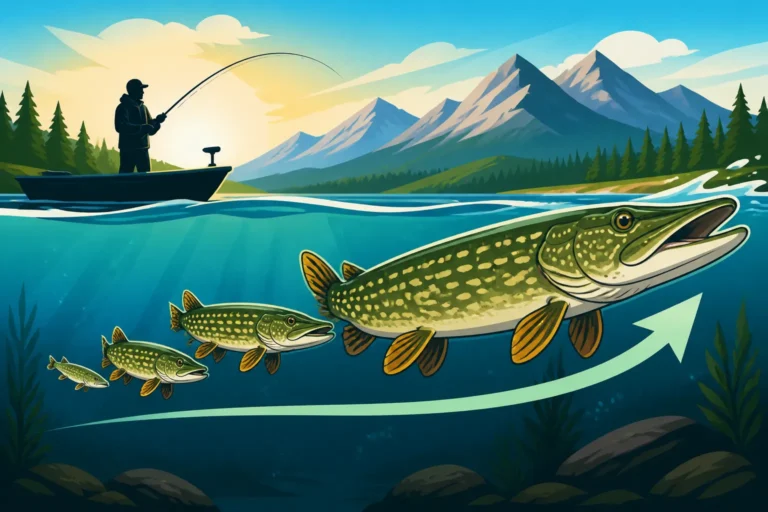
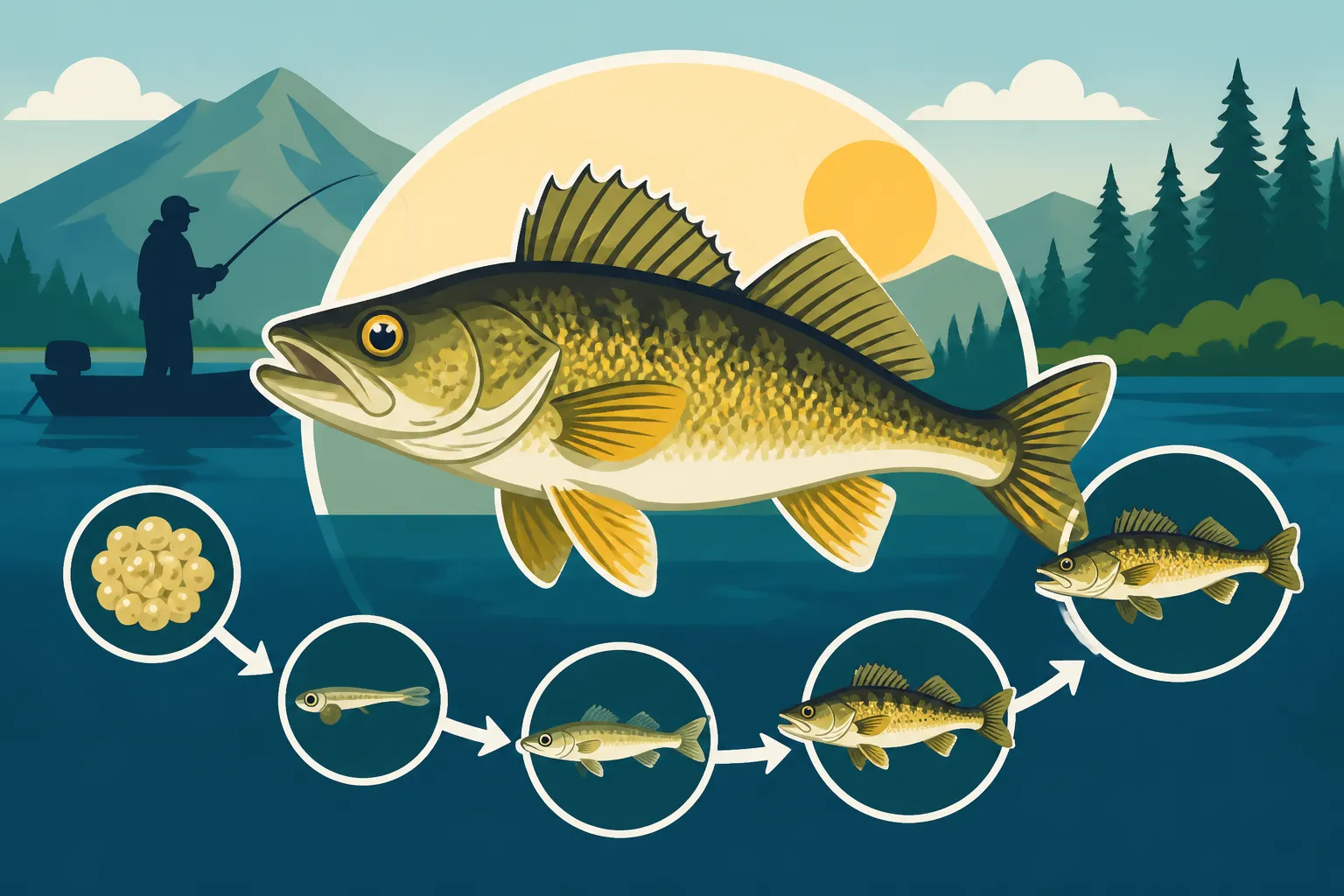
When we talk about average age, for walleye in Alberta, you're typically looking at fish that live anywhere from 7 to 15 years. However, it's not uncommon to find older individuals, especially in more remote or less pressured systems. There have been reports of walleye pushing well into their late teens or even early twenties in prime habitats with abundant food and minimal stress. These old timers are usually the big, gnarly trophy fish we all dream about catching. Their size is often a direct correlation to their age, but not always perfectly so, as growth rates can vary wildly.
For example, a walleye caught in a nutrient-rich lake like Lesser Slave Lake might grow much faster in its early years due to a plentiful food supply, reaching a respectable size quicker than a walleye in a colder, less productive lake. So, while a 10-pound walleye might be 12 years old in one system, it could be 15 or even 18 years old in another. It truly depends on the specific conditions of the waterbody.
Maximum Age Potential and Trophy Fish
The thought of catching a truly ancient walleye is exciting, and Alberta definitely has the potential for these venerable giants. While the average might hover around a decade, the maximum age potential for walleye in Alberta waters can stretch to 20 years or even beyond. These are the rare, truly remarkable fish that have navigated countless seasons, dodged predators, survived multiple spawns, and eluded anglers for decades.
These trophy fish, often referred to as "grandma" walleye, are invaluable to the population. They are typically large, mature females that are crucial for successful spawning and passing on strong genetics. Catching one of these titans is not just a personal achievement but a reminder of the incredible longevity and resilience of walleye. Anglers who encounter these ancient fish often practice careful catch and release, understanding their importance to the future of the fishery. If you're looking for where some of these giants might be lurking, guides like Where to Find Walleye in Alberta can point you in the right direction.
Key Factors Influencing Walleye Longevity in Alberta
So, what truly dictates whether a walleye lives a short, fast life or becomes one of those ancient, wise giants? It's a complex interplay of environmental conditions, food availability, genetic predisposition, and human interaction. Alberta's diverse aquatic landscapes, from the cold, deep northern lakes to the warmer, shallower prairie reservoirs, create vastly different living conditions, and consequently, different lifespans for walleye.
Understanding these factors isn't just academic; it helps us appreciate the challenges these fish face daily and highlights why conservation efforts are so vital. When we consider how much goes into a walleye surviving year after year, it makes every catch feel even more special.
Environmental Conditions and Habitat Quality
The quality of a walleye's environment is paramount to its survival and longevity. Factors such as water temperature, oxygen levels, water clarity, and the presence of suitable spawning and nursery habitats all play crucial roles. Walleye prefer cooler water temperatures, especially during warmer months, which is why they're often found in deeper parts of lakes or in rivers with good current. Extreme fluctuations in temperature or prolonged periods of warm water can stress fish, making them more susceptible to disease and reducing their growth rate and overall lifespan.
Excellent water quality, characterized by good dissolved oxygen levels and minimal pollution, ensures a healthy environment for walleye to thrive. A lake with plenty of rocky shoals, gravel beds, and weed lines offers crucial spawning grounds, ambush points for feeding, and shelter from predators. Conversely, degraded habitats, suffering from sedimentation, pollution, or loss of critical structures, will inevitably lead to shorter lifespans and less robust fish populations. You can learn more about how to identify prime walleye habitat in articles like How to read structure for walleye on Lesser Slave Lake.
Food Availability and Growth Rates
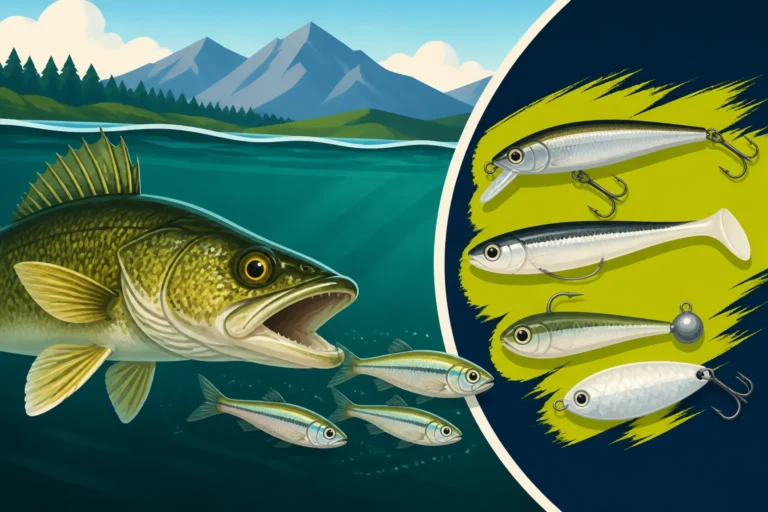
Just like any living creature, a walleye's ability to find and consume adequate food directly impacts its growth rate and, by extension, its lifespan. Fish that grow faster and achieve larger sizes tend to be more resilient and have a better chance of surviving various threats. Abundant populations of forage fish – think cisco (lake herring), yellow perch, and various minnows – are the backbone of a healthy walleye diet in many Alberta waters. If the walleye population is high and the forage base is low, walleye will experience slower growth, increased competition, and potentially shorter lives due to starvation or weakened immune systems.
In contrast, lakes with a robust and diverse forage base allow walleye to grow quickly and attain impressive sizes. This is why you often hear about specific lakes being "trophy walleye" waters; they usually have a perfect balance of walleye density and an almost endless buffet of baitfish. A slower growth rate doesn't necessarily mean a shorter life, but it can make a fish more vulnerable for longer periods in its younger years. Articles like What walleye eat in Alberta lakes offer more insights into their dietary preferences.
Predation and Disease
Nature is harsh, and walleye, especially when they are young, face numerous predators. Larger fish, birds of prey like ospreys and eagles, and even mammals can all take a toll on the walleye population. While larger walleye are less susceptible to predation by other fish, they can still fall victim to apex predators in the system. Beyond direct predation, disease can sweep through a population, particularly if fish are stressed due to poor water quality, overcrowding, or extreme environmental conditions.
Parasites, bacterial infections, and viral diseases can weaken walleye, reduce their feeding efficiency, and ultimately lead to premature death. A healthy, well-fed walleye in a clean environment is much better equipped to fight off disease than a stressed, malnourished one. This constant battle against illness and predation is a significant factor in shaping the average and maximum lifespans we observe in Alberta's walleye.
The Role of Fishing Pressure and Management in Walleye Longevity
As much as we love to fish for walleye, our activities as anglers, and the way the fisheries are managed, play a huge role in the longevity of these fish. It's a delicate balance between providing recreational opportunities and ensuring the long-term health and sustainability of the walleye populations. Alberta's fisheries managers work hard to strike this balance, implementing regulations that directly influence how many walleye live to a ripe old age.
Understanding these regulations and practicing responsible angling are paramount to contributing positively to the walleye's future in our province. Every decision we make on the water, from our choice of lure to how we handle a fish, has an impact.
Impact of Angling Pressure
Angling pressure is simply the amount of fishing effort directed at a specific fish population. High angling pressure, especially in easily accessible lakes or popular spots, can significantly reduce the number of older, larger walleye in a system. Even with regulations in place, if many anglers are targeting a specific species, it can lead to a "fishing down" effect where the average age and size of the fish caught tend to decrease over time.
This isn't just about fish being harvested; even catch-and-release fishing can have an impact. While release mortality rates are generally low for walleye when handled properly, some fish may still die from stress, injury, or exhaustion, particularly in warmer water or after a prolonged fight. This is why techniques for safe handling are so critical. Things like using barbless hooks, minimizing air exposure, and using a proper landing net (you can find various options on Amazon, often with rubberized mesh designed to be fish-friendly) are simple ways to help released fish survive and continue their journey to old age.
Regulatory Measures and Conservation
Alberta Environment and Protected Areas (AEPA) implements a range of regulatory measures designed to protect walleye populations and ensure their sustainability. These often include specific season dates, size limits (slot limits or minimum/maximum sizes), and daily possession limits. The goal of these regulations is to allow enough fish to reach maturity and spawn multiple times, thus contributing to the next generation. For instance, slot limits aim to protect the prime breeding stock, allowing them to remain in the water, reproduce, and grow older.
A prime example of conservation in action is the Alberta Walleye Special Harvest Licence Program, often implemented for specific lakes where walleye populations need a boost. This program carefully controls the harvest of walleye through a draw system, ensuring that only a limited number of fish are removed. This targeted management allows for population recovery and helps more walleye survive to older ages, contributing to a healthier fishery overall. Details on specific limits and seasons can be found in the Alberta Fishing Regulations Explained.
The Role of Conservation Efforts in Extending Walleye Lifespans
It's easy to feel like one person can't make a difference, but when it comes to the longevity of walleye in Alberta, every angler's actions, coupled with broad-scale conservation efforts, truly matter. These efforts go beyond simply setting limits; they involve active habitat restoration, educational programs, and adaptive management strategies that respond to the health of our fisheries.
The goal is not just to sustain current populations but to enhance them, ensuring that future generations can enjoy the thrill of catching a healthy, long-lived walleye. It's a shared responsibility, and it's something we can all feel good about contributing to.
Walleye Special Harvest Licence Programs
The Walleye Special Harvest Licence Program is a cornerstone of Alberta's conservation strategy for walleye. For many years, various lakes faced declining walleye populations due to historical overharvesting and other pressures. This program was introduced to allow for a carefully controlled, limited harvest of walleye in specific water bodies where the population is showing signs of recovery and can sustain some level of harvest.
Instead of a general open season, anglers must apply for a draw for a chance to receive a special harvest tag for a specific lake and species. This ensures that the number of fish removed is precisely managed, preventing a return to unsustainable practices. By limiting harvest, these programs directly contribute to allowing more walleye to survive, grow to larger sizes, and live longer, ultimately strengthening the genetic diversity and reproductive capacity of the population. Understanding how these programs work is crucial for any angler interested in Alberta Walleye Special Harvest Licence Program.
Catch and Release Best Practices
Even when fishing in waters where harvest is permitted, practicing catch and release is one of the most direct ways an individual angler can contribute to increasing the average lifespan of walleye. However, it's not enough to just "release" the fish; doing so properly is key to its survival. A walleye that swims away vigorously has a much better chance of reaching an older age than one that is mishandled or exhausted.
Best practices include using appropriate tackle that minimizes deep hooking (like single, barbless hooks), fighting the fish quickly to reduce stress, and handling the fish minimally with wet hands. Keep the fish in the water as much as possible, especially during warm weather. If you must remove it for a quick photo, support its body horizontally and return it to the water swiftly, allowing it to recover before swimming off. Investing in gear like a good fish gripper or a large, knotless rubberized landing net, often available on Amazon, can make a huge difference in reducing harm to fish you intend to release.
| Factor | Impact on Walleye Lifespan | Angler's Role |
|---|---|---|
| Environmental Quality | High quality = longer life | Advocate for clean water, report pollution |
| Food Availability | Abundant food = better growth | Support habitat for forage species |
| Predation & Disease | Natural pressures, but manageable | Practice safe handling, reduce stress on fish |
| Angling Pressure | High pressure = shorter average life | Adhere to limits, practice catch & release |
| Regulations | Effective rules = protected breeding stock | Understand and follow all Alberta Fishing Regulations Explained |
| Habitat Restoration | Improved habitat = stronger populations | Support conservation initiatives |
The Future of Walleye Longevity in Alberta
Looking ahead, the longevity of walleye in Alberta waters hinges on a combination of continued scientific research, adaptive management strategies, and the ongoing commitment of anglers and conservation groups. We've learned so much about these incredible fish, their habitats, and what they need to thrive, but there's always more to discover and more work to be done.
The good news is that there's a strong community of passionate individuals and organizations dedicated to ensuring a bright future for walleye. From government biologists monitoring populations and setting responsible regulations to local angling clubs organizing habitat clean-ups and educational events, the collective effort is immense. Our collective actions today directly shape the average age and maximum size of the walleye swimming in our lakes and rivers tomorrow.
Monitoring and Research
Ongoing monitoring and research are absolutely critical to understanding walleye populations and ensuring their long-term health. Fisheries biologists regularly conduct surveys, collect data on fish age and growth, and assess spawning success in various water bodies. They often use techniques like fin clipping or tagging to track individual fish over time, providing invaluable insights into movement patterns, growth rates, and, of course, how long walleye are actually living in specific lakes. This data directly informs management decisions, such as where and when to implement special harvest programs or adjust daily limits.
Without this scientific backbone, we'd be flying blind, making decisions based on guesswork rather than evidence. These studies help us identify emerging threats, understand the impacts of climate change, and refine our conservation efforts to be as effective as possible. Anglers can contribute by participating in angler surveys or reporting tagged fish, providing valuable real-world data that complements formal research.
Sustainable Management Practices
The future of walleye longevity in Alberta relies heavily on the implementation and adherence to sustainable management practices. This means moving beyond just reacting to declines and adopting proactive approaches that consider the entire ecosystem. It involves balancing the desire for recreational fishing with the biological needs of the fish. This can include maintaining healthy populations of forage fish, protecting and restoring critical spawning and nursery habitats, and carefully managing water levels and quality.
It also means that regulations, such as the Alberta walleye daily limit, need to be dynamic, adjusting as walleye populations respond to various pressures. The goal is to create a resilient fishery where walleye can naturally achieve their maximum lifespan potential, contributing to a vibrant and healthy ecosystem for all aquatic life. By supporting these science-based approaches, anglers can ensure that the opportunity to catch a truly old and magnificent walleye remains a possibility for generations to come.
Disclaimer
This article is for general informational purposes only and does not constitute professional advice. Laws, prices and regulations vary by location and change over time. Consult a qualified professional for guidance on your specific situation.