Alberta record cutthroat trout weight
The dream of catching a record-breaking fish is a powerful one for many anglers. It's not just about the size of the fish, but the story behind it, the dedication, and the sheer challenge of landing something truly exceptional. For those who cast their lines in Alberta's pristine waters, the cutthroat trout holds a special allure. This guide delves into the pursuit of Alberta's record cutthroat trout, exploring what makes these fish so remarkable, where to find them, and how to ethically chase that trophy of a lifetime.
The Quest for Alberta's Record Cutthroat Trout
Chasing a record isn't just about luck; it's a testament to skill, patience, and a deep understanding of the species and its habitat. When it comes to Alberta's native cutthroat trout, the pursuit takes on an even greater significance due to the species' unique place in our province's ecosystems. Every angler who dreams of seeing their name in the record books for a cutthroat trout knows they're aiming for a truly remarkable achievement.
Understanding the Allure of a Record Fish
There's an undeniable magic about a record fish. It captures the imagination, inspiring countless hours on the water. For many, it's the ultimate goal, a pinnacle of angling achievement. It represents not just a big fish, but the culmination of knowledge, persistence, and often, a bit of good fortune. Imagine the moment you hook into a fish that feels different, a fight that tests your tackle and your resolve like never before. The thought that this could be the one, the biggest cutthroat ever officially recorded in Alberta, is enough to send shivers down any serious angler's spine.
The records aren't just for bragging rights, though. They offer a benchmark, a point of reference for what's possible in our waters. They tell a story of exceptional fish that have survived and thrived to incredible sizes, often in challenging environments. For aspiring record holders, the journey involves meticulous research, often pouring over official provincial records, like those found on the MyWildAlberta portal, to understand the current benchmark and the criteria for submitting a potential new record. It requires knowing the official scales, the photography rules, and the strict adherence to regulations. It’s a formal process, but one steeped in the passion of the angling community.
The Significance of Alberta's Cutthroat Trout Record
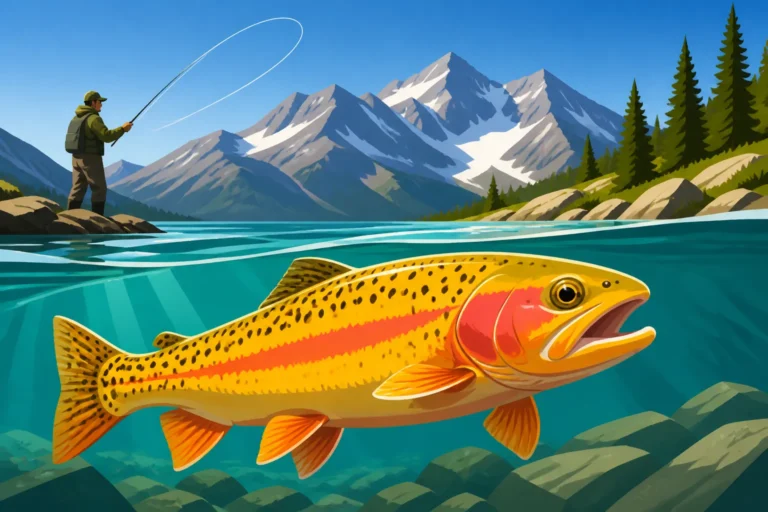
The cutthroat trout is a true jewel of Alberta's mountain streams. Unlike some other trout species that have been widely introduced, the westslope cutthroat trout is a native fish, deeply embedded in the natural heritage of our province. Cutthroat Trout Native Range in Alberta Its distinctive red "slash" under the jaw and leopard-like spots make it instantly recognizable, but it's their resilience and beauty in their wild, coldwater habitats that truly set them apart. A record cutthroat trout isn't just a big fish; it's a symbol of a healthy, thriving ecosystem, a testament to the pristine conditions of the waters it calls home.
To catch a record-class cutthroat means you've found a place where these fish have access to abundant food, excellent water quality, and minimal pressure, allowing them to grow to exceptional sizes. It signifies that the delicate balance of their environment is largely intact. This makes the pursuit of a record cutthroat not just a personal quest, but also a quiet acknowledgment of the conservation efforts that protect these incredible fish and their habitats. Every potential record-breaker reinforces the importance of preserving these wild places for future generations of anglers.
Identifying and Locating Alberta's Cutthroat Trout
Before you can even dream of catching a record cutthroat, you need to know how to identify them correctly and, just as importantly, where they are most likely to be found. Misidentification can lead to incorrect record submissions, or worse, inadvertently keeping a protected species. Alberta's waters hold a variety of trout, and understanding their subtle differences is key to success and responsible angling.
Distinguishing Cutthroat from Other Trout Species
Alberta is home to several trout species, both native and introduced, and they can sometimes look similar, especially to the untrained eye. However, there are key characteristics that define the cutthroat trout. The most obvious, and the one that gives them their name, is the distinctive red-orange "slash" or streak found on the underside of their lower jaw, in the folds of the gill plate. This isn't always intensely vibrant, especially in stressed or smaller fish, but it's almost always present. What westslope cutthroat trout look like
Beyond the "slash," look at their spot patterns. Cutthroat trout typically have small, irregular spots concentrated more heavily towards the tail, often extending onto the caudal fin (tail fin) itself. The body color can vary from olive-green to brassy yellow, with a lighter belly. In contrast, rainbow trout, while also spotted, tend to have a more evenly distributed pattern of spots, often extending onto the dorsal fin, and usually lack the distinctive jaw slash. How to tell a cutthroat from a rainbow trout Brown trout have larger, more scattered dark spots, often with red or orange halos, and typically a yellowish-brown body. Taking the time to observe these details is crucial, not just for identifying a potential record, but for adhering to species-specific regulations. Many knowledgeable anglers carry a small identification guide, or even use fishing regulation apps, which can be purchased on platforms like Amazon, to double-check their catch.
Prime Habitats for Trophy Cutthroat in Alberta
If you're looking for record-class cutthroat trout, you need to think "cold, clear, and wild." Their native range in Alberta is predominantly in the mountainous regions of the province, particularly in the headwaters and tributaries of rivers flowing out of the Rockies. Think about areas with pristine, oxygen-rich water, often fed by snowmelt and glaciers. These fish thrive in conditions that would be too cold for many other species. Where westslope cutthroat trout are found in Alberta
When scouting for these prime habitats, focus on smaller to medium-sized mountain streams and rivers. Look for areas with a good mix of riffles (fast, shallow water), runs (deeper, flowing sections), and pools (still, deeper areas). Cutthroat will often hold in the slower, deeper water of pools or behind natural structure like large rocks, fallen logs, or undercut banks, where they can ambush prey and find refuge from strong currents or predators. These areas provide both feeding lanes and protection. Access to such locations can sometimes be challenging, requiring hiking into remote areas, but the reward of finding undisturbed waters where cutthroat can grow to impressive sizes is well worth the effort. Consider studying topographical maps, often found on apps or specialized outdoor guidebooks also available on Amazon, to identify potential remote access points.
Strategies for Targeting Record-Class Cutthroat
Catching a record-class cutthroat trout requires more than just being in the right place; it demands specific techniques and gear tailored to these wary mountain fish. These aren't your average stocked pond trout; they're wild, intelligent, and often live in challenging environments that require a nuanced approach.
Essential Gear and Tackle Considerations
For targeting cutthroat trout in their native mountain stream habitats, fly fishing is often the most effective and rewarding method. A good quality, lightweight fly rod – typically a 3-weight to 5-weight, 7 to 9 feet long – offers the sensitivity needed for delicate presentations and the backbone to handle a strong fighter. Pair this with a reliable reel with a smooth drag system, and a good quality weight-forward floating fly line. Your leader and tippet selection are crucial; cutthroat can be leader-shy in clear mountain waters, so fluorocarbon tippets in lighter sizes (4x-6x) are often preferred for their low visibility and strength.
When it comes to flies, "match the hatch" is a good philosophy. During summer, dry flies imitating caddis, mayflies, or stoneflies can be incredibly effective during active hatches. However, don't overlook nymphs and streamers. Subsurface patterns imitating stonefly nymphs, caddis larvae, or small baitfish can produce bites even when fish aren't rising. Having a well-stocked fly box with a variety of patterns is essential. You can find comprehensive fly assortments and all the necessary fly-fishing accessories, including specialized tools and fly tying materials, through online retailers like Amazon, ensuring you're prepared for any conditions. For those who prefer spinning gear, ultralight setups with small inline spinners, spoons, or soft plastics can also be effective, but remember to use barbless hooks to minimize harm to these delicate fish.
Techniques for Success in Mountain Environments
Approaching a mountain stream requires stealth and precision. These fish are highly attuned to their environment and can be easily spooked by heavy footsteps, shadows, or clumsy casts. Wading carefully and quietly is paramount. Wading Techniques for Alberta Trout Rivers Always approach from downstream, if possible, to avoid silhouetting yourself against the sky or kicking up sediment. Casts should be accurate and delicate, landing your fly or lure softly upstream of where you suspect the fish are holding, allowing for a natural drift.
Reading the water is a skill developed over time, but generally, look for changes in current speed, depth, and structure. Seams where fast water meets slow water, the tailouts of pools, oxygenated riffles, and especially undercut banks and submerged logs are prime holding lies. Often, a record-class cutthroat will be in a spot that offers both cover and a steady food supply. Patience is also key; sometimes it takes multiple drifts or different presentations to entice a bite. And remember, once you hook into a substantial cutthroat, play it quickly but carefully to reduce stress, especially if you plan to release it. Understanding the specific Alberta Fishing Seasons by Zone and Month and practicing ethical angling practices will greatly increase your chances of not only finding but successfully landing a trophy fish.
Here’s a quick overview of some common trout species found in Alberta and their general characteristics, useful for distinguishing your catch:
| Trout Species | Key Identification | Primary Habitat | Conservation Status (General) | Notes |
|---|---|---|---|---|
| Cutthroat Trout | Red slash under jaw, small spots concentrated near tail. Body colour varies. | Cold, clear mountain streams & headwaters. | Often sensitive/protected. | Alberta's only native stream-dwelling trout, prized for wild beauty. |
| Bull Trout | Light spots on dark body, large head, powerful jaws. No red slash. | Deep, cold rivers and lakes. | Threatened. | Zero possession limit in Alberta. Requires careful handling. |
| Rainbow Trout | Pinkish stripe along flank, small spots evenly distributed. No red slash. | Widely stocked in rivers and lakes, various conditions. | Abundant, widely stocked. | Hardy, strong fighters, common in many popular fisheries like the Bow River. |
| Brown Trout | Large dark spots with pale halos, sometimes red spots. Yellowish-brown body. | Rivers and lakes, often tolerates warmer water than cutthroat. | Introduced, abundant. | Known for being elusive and growing to trophy sizes in some systems. |
| Brook Trout | Distinctive worm-like markings on back, red spots with blue halos on sides. | Small, cold streams, ponds, often in high-elevation lakes. | Introduced, abundant. | Popular in stocked lakes, aggressive, often smaller in size. |
Conservation and Ethical Angling for Trophy Cutthroat
The pursuit of a record fish, especially a native species like the cutthroat trout, carries a significant responsibility. Ethical angling and a strong commitment to conservation are not just good practices; they are absolutely essential to ensure these incredible fish continue to thrive for generations to come.
The Importance of Conservation for Native Trout
Alberta's westslope cutthroat trout populations have faced challenges over the years, from habitat degradation to hybridization with introduced rainbow trout. These factors have led to a more vulnerable status for some populations, and in certain areas, specific regulations are in place to protect them. This is why understanding and respecting rules like Alberta Bull Trout Zero Possession Rule or catch-and-release only regulations for cutthroat in particular streams is so crucial. A true trophy angler understands that the fish's well-being always comes first.
Conservation isn't just about adhering to regulations; it's about being an active steward of the environment. This means minimizing your impact when you're in their habitat, whether it's by packing out all your trash, avoiding disturbing stream banks, or learning about local conservation initiatives. Many anglers consider purchasing gear from companies that support conservation efforts, and even simple things like choosing durable, long-lasting equipment available on Amazon can contribute to less waste in the long run. By protecting their habitat and ensuring their populations are healthy, we're not only safeguarding the future of the species but also ensuring that the dream of catching a record cutthroat remains a possibility.
Practicing Responsible Catch and Release
For native and potentially record-class cutthroat trout, catch and release is not just a preference; it's often a moral imperative and sometimes a legal requirement. The goal is to maximize the fish's chances of survival after being caught. This starts even before the fish is hooked. Using single, barbless hooks significantly reduces injury and makes release quicker and easier. Alberta Barbless Hook Requirement Waters Many fly shops and tackle stores, or online marketplaces like Amazon, offer barbless hooks or tools to crimp down barbs on existing hooks.
When you do hook a fish, play it efficiently without overtiring it, especially if it’s a large one. Once landed, keep the fish in the water as much as possible. Wet your hands before handling to protect its delicate slime coat. Avoid squeezing the fish, particularly around its belly or gills. If a photo is desired, be quick, keep the fish low to the water, and support its full weight horizontally. Use a rubber mesh landing net, rather than knotted nylon, which can damage fins and slime. Remove the hook gently with pliers or forceps. If the fish seems lethargic, hold it gently facing upstream in a current, allowing water to flow over its gills, until it regains strength and swims away on its own. Every effort made to ensure a healthy release is a step towards preserving these magnificent fish and the potential for future record catches.
Disclaimer
This article is for general informational purposes only and does not constitute professional advice. Laws, prices and regulations vary by location and change over time. Consult a qualified professional for guidance on your specific situation.