What westslope cutthroat trout look like
Catching a glimpse of Alberta's native westslope cutthroat trout is a special experience, but identifying them can sometimes feel like trying to solve a puzzle, especially when they share water with other trout species. It’s absolutely crucial to know what you’re looking at, not just for the thrill of identification, but because these beautiful fish often live in sensitive habitats and have specific regulations, including zero possession limits in many areas. This guide will walk you through the distinct features of the westslope cutthroat trout, helping you confidently recognize them in Alberta's waters.
The Distinctive Mark: Where the Cutthroat Gets Its Name
The most famous and defining feature of the westslope cutthroat trout is right there in its name: the "cutthroat" mark. This isn't just a clever moniker; it refers to a very specific anatomical detail that sets them apart.
The Mandibular Stripe: Nature's Painted Badge
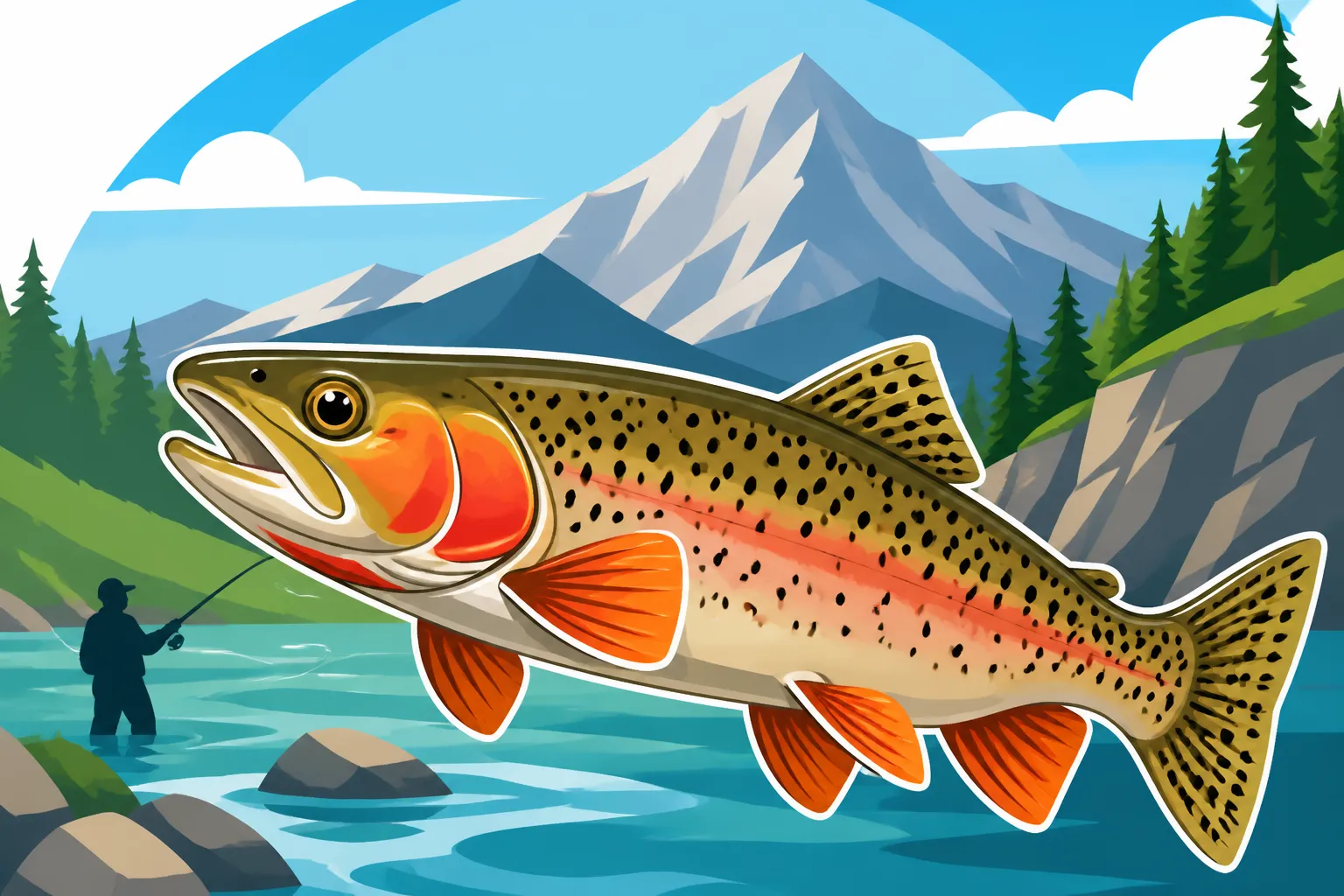
Imagine gently holding a trout with its belly facing you, looking up at its jaw. A true westslope cutthroat will typically display one or two vibrant orange-red or crimson slashes on the underside of its lower jaw, in the fold between the gill plates. These are called mandibular stripes, and they are usually quite prominent, looking almost like a streak of paint. Sometimes, they can be a bit faded, especially in younger fish or those in certain water conditions, which can make identification a tad trickier, but generally, this is your first and best clue. It’s like their personal signature, proudly displayed for those who know what to look for. This distinctive mark is why anglers are often so careful to properly identify their catch, as these fish are often found in Alberta Catch and Release Only Waters.
A Streamlined Body for Mountain Living
Beyond the signature throat mark, the westslope cutthroat trout possesses a body shape that speaks volumes about its natural habitat. These are fish built for the often-swift currents of mountain streams and rivers. Their bodies are typically more slender and streamlined than some of their more robust cousins, allowing them to navigate strong flows and hold their position with efficiency. They're not usually as chunky or deep-bodied as a big rainbow trout, for example. Think of them as athletic, torpedo-shaped swimmers perfectly adapted to the clear, cold, oxygen-rich waters where they thrive. This elegant form is a key characteristic you'll notice as you learn to distinguish them.
Unpacking Their Coloration and Spotting Patterns
While the cutthroat mark is the star, the overall color and the intricate spotting pattern on a westslope cutthroat trout are equally important pieces of the identification puzzle. These features can vary slightly depending on the specific water body, diet, and even the time of year, but there are consistent traits to look for.
Golden Hues and Peppered Spots
The base coloration of a westslope cutthroat trout can range from olive-green or brassy gold on its back, fading to silvery or yellowish sides and a whitish belly. Some individuals can appear quite dark, almost bronze, while others might be lighter, almost golden-green. It’s a natural palette that helps them blend into their diverse stream environments.
But let's talk about the spots – this is another critical identifier. Westslope cutthroat typically have a pattern of small, dark spots that are often concentrated more heavily towards the tail and on the caudal fin (the tail fin). While they might have some spots on their flanks and back, they usually become sparse or disappear entirely towards the head and pectoral fins (the side fins near the gills). The spots themselves tend to be small and irregular, almost like a fine dusting of pepper, rather than large, distinct polka dots. This "tail-heavy" spotting is a hallmark feature that can help you differentiate them from other trout species that have a more even distribution of spots across their entire body. For a broader overview of similar species, check out Trout Species Identification Guide for Alberta.
Fin Characteristics: More Than Just Propulsion
The fins of a westslope cutthroat trout also offer subtle clues to their identity. Their fins are generally well-proportioned to their streamlined body, helping with stability and maneuverability in currents. The pectoral, pelvic, and anal fins might have a yellowish or reddish tint, particularly in spawning males. The dorsal fin (on the back) and caudal fin are typically spotted, often mirroring the body's spotting pattern. When examining the fins, pay attention to their overall shape and condition, as this can give you a good indication of a healthy, wild fish. Unlike some other trout, such as bull trout, westslope cutthroat don't usually have distinct white leading edges on their fins, which is another useful differentiator.
Differentiating Westslope Cutthroat from Lookalikes
One of the biggest challenges for anglers is distinguishing westslope cutthroat from other trout species, especially rainbow trout, which are often found in the same waters and can even hybridize with cutthroat, leading to "cutbows." Knowing the subtle differences is key, especially given the protected status of pure westslope cutthroat trout in Alberta.
Compared to Rainbow Trout: Spotting the Differences
Rainbow trout are perhaps the most common lookalike, and for good reason—they're widespread and often co-exist with cutthroat. However, there are distinct differences:
- The "Cutthroat" Mark: This is your primary giveaway. Rainbow trout do not have the distinct orange or red slash under their jaw. If you see those vibrant stripes, it's almost certainly a cutthroat.
- Spotting Pattern: Rainbow trout typically have small, numerous spots distributed fairly evenly over their entire body, including their head, gill covers, and all fins. This is in contrast to the westslope cutthroat's more tail-heavy spotting.
- Lateral Line: Rainbow trout are famous for the iridescent pinkish or reddish stripe that runs horizontally along their side, hence the "rainbow" in their name. While some cutthroat might have a very faint pink wash, it's never as pronounced or vibrant as a true rainbow.
- Mouth Shape: Rainbow trout usually have a mouth that extends to about the middle of their eye. Westslope cutthroat often have a slightly shorter jaw, not extending as far back.
Hybrids (cutbows) can make things tricky, as they might display a mix of these features. They might have a faint cutthroat mark or some rainbow-like spotting. When in doubt, it's always best to practice catch and release, especially in sensitive westslope cutthroat habitat. For a more detailed comparison, check out How to Tell a Cutthroat From a Rainbow Trout.
Compared to Bull Trout and Brown Trout: Other Notable Distinctions
While less likely to be confused directly with westslope cutthroat, it's still good to know the key differences from other common Alberta trout species like bull trout and brown trout.
- Bull Trout: These magnificent native fish have very different spotting. Bull trout have light spots (yellow, orange, or pink) on a darker body, which is the exact opposite of the westslope cutthroat's dark spots on a lighter body. They also typically have distinctive white leading edges on their pectoral, pelvic, and anal fins. Plus, bull trout have a much larger, broader head. It's incredibly important to know this distinction because Alberta Bull Trout Zero Possession Rule means they must be released.
- Brown Trout: Brown trout are typically identified by their prominent, often haloed, dark spots and some reddish or orange spots along their sides. They also lack the cutthroat mark. Their body coloration is usually a bit more brown or golden, and they often have a more aggressive, hook-jawed appearance in males.
| Feature | Westslope Cutthroat Trout | Rainbow Trout | Bull Trout | Brown Trout |
|---|---|---|---|---|
| Mandibular Stripe | Prominent orange-red slash(es) under jaw (diagnostic) | Absent | Absent | Absent |
| Body Color | Olive, brassy, or golden back; silvery/yellowish sides | Silvery with greenish back; distinct pink lateral band | Darker back (olive, blue-gray); lighter belly | Brown to golden-brown back; yellowish flanks |
| Spotting Pattern | Small, dark spots, concentrated on tail, sparser forward | Small, dark spots, evenly distributed on body and fins | Light spots (yellow, orange, pink) on a dark body | Large dark spots (often haloed) and some red/orange spots |
| Fin Edges | No prominent white edges | No prominent white edges | Distinct white leading edges on pectoral, pelvic, anal fins | No prominent white edges |
| Head Shape | Proportionate, slightly pointed | Proportionate | Large, broad, flattened head | Slightly conical, hooked jaw in males |
| Lateral Line | Faint, if any, pink wash | Prominent pink/red stripe | Faint or absent | Faint or absent |
| Jaw Extension (past eye) | Often ends before or at middle of eye | Often extends to middle or slightly beyond eye | Extends well beyond eye | Extends well beyond eye |
The Importance of Accurate Identification
Understanding what a westslope cutthroat trout looks like goes far beyond just satisfying your curiosity. It's about responsible angling and contributing to the conservation of a truly special native fish.
Conservation and Regulation: Protecting Alberta's Heritage
Pure strains of westslope cutthroat trout are often considered a species of concern or threatened in Alberta, primarily due to habitat loss, degradation, and hybridization with non-native rainbow trout. As such, many of the waters where they are found have strict regulations, including zero possession limits. This means if you catch one, it must be released unharmed. Incorrect identification can lead to unintentional violations of these regulations, which are in place to protect these vulnerable populations. By knowing exactly what you've hooked, you're doing your part to ensure future generations can also enjoy the beauty of this native Albertan fish. Learning about Alberta westslope cutthroat trout protected status is vital for any angler in their native range.
Resources for Learning and Field Identification
Practice makes perfect when it comes to fish identification. The more you observe fish in their natural environment, the more confident you'll become.
- Field Guides: Carrying a good, regional fish identification guide is incredibly helpful. You can often find excellent, detailed field guides on platforms like Amazon that specifically cover Western Canada's fish species. These often include illustrations, photos, and descriptions that highlight key distinguishing features.
- Online Resources: The Alberta government's fishing regulation guide and website (Alberta Fishing Regulations Explained) often provide detailed information and images of native species. Various angling forums and social media groups dedicated to Alberta fishing are also great places to learn from experienced anglers.
- Photography: Taking clear photos of your catch (before quick and safe release, of course!) can help you study the features later or get input from others if you're unsure. Sometimes a good pair of polarized sunglasses, easily found on Amazon, can even help you spot those subtle differences in coloration or spotting under the water's surface.
Being able to correctly identify a westslope cutthroat trout is a skill that every ethical angler in Alberta should strive to master. It not only enhances your appreciation for these magnificent creatures but also contributes directly to their survival and the health of our precious aquatic ecosystems. When you venture into waters where these fish might reside, such as many of the Best Fly Fishing Rivers in Alberta, being prepared with this knowledge is invaluable.
Disclaimer
This article is for general informational purposes only and does not constitute professional advice. Laws, prices and regulations vary by location and change over time. Consult a qualified professional for guidance on your specific situation.