Where westslope cutthroat trout are found in Alberta
Finding westslope cutthroat trout in Alberta is a quest that speaks to the heart of many dedicated anglers. These beautiful, native fish are a treasure, but their populations are restricted to specific, often remote, habitats. It can be incredibly frustrating to hear whispers of where they might be, only to spend a day on the water and come up empty-handed. This guide is here to cut through the confusion and provide you with a clear picture of where these magnificent trout call home in Alberta, along with the realities of pursuing them ethically and successfully.
The Last Strongholds of Westslope Cutthroat Trout in Alberta
Westslope cutthroat trout (Oncorhynchus clarkii lewisi) are truly special in Alberta; they're one of our province's native trout species, but their populations have faced significant challenges over the years. Habitat loss, hybridization with rainbow trout, and competition with non-native species have really pushed them into the corners of our province. It's a tough reality to face, knowing that these incredible fish, once more widespread, now cling to existence in particular, pristine environments.
When we talk about "where" to find them, we're not talking about sprawling lakes or major prairie rivers. We're talking about the high-elevation, cold, clear headwater streams of the eastern slopes of the Rocky Mountains. These are the places where the water is cleanest, the temperatures remain consistently cool, and the pressures from other fish species are minimal. Think of these as the last bastions of wildness, often requiring a good hike and a fair bit of determination to reach. It’s in these delicate ecosystems that they can thrive, maintaining their genetic purity and wild characteristics. They are a keystone species in these high-country streams, indicative of excellent water quality and healthy riparian areas. Protecting these areas is crucial, not just for the cutthroat, but for the entire ecosystem that relies on these clean, cold waters.
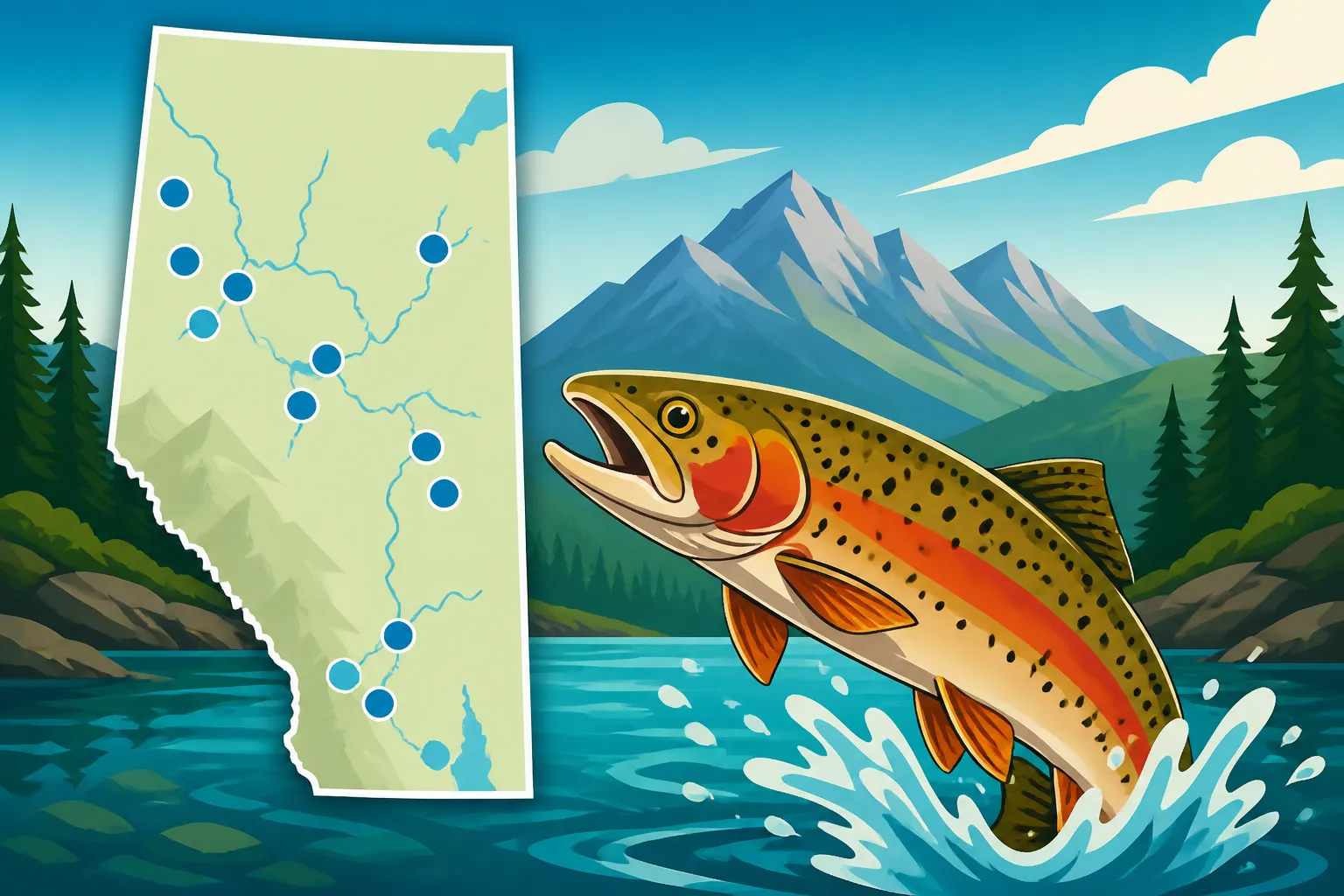
While the general rule is "headwaters," the specific systems are what truly matter. In Alberta, you'll primarily find westslope cutthroat trout in the upper reaches of the Oldman River basin, the Bow River basin, and some tributaries of the Crowsnest River system. These aren't necessarily the main stems of those rivers, but rather the smaller, colder feeder creeks that tumble down from the mountains. These are often difficult to access, which inadvertently provides them a layer of protection from heavy fishing pressure. Remember, finding these fish often means venturing away from the easily accessible spots and embracing a more rugged angling experience.
Pinpointing Key River Systems and Mountain Tributaries
Let's get down to the nitty-gritty of specific locations. When you're looking for westslope cutthroat trout, your focus should be squarely on the southwestern corner of Alberta, particularly within the mountainous and foothill regions. This is where the landscape provides the specific conditions these trout need: cold, oxygen-rich water, gravelly bottoms for spawning, and ample cover from predators. Many of these areas fall within Kananaskis Country or other protected zones, which helps in their conservation, but also means respectful and often foot-powered access is paramount.
The Oldman River Drainage
The Oldman River system is arguably one of the most vital strongholds for westslope cutthroat trout in Alberta. We’re not talking about the wider, warmer sections lower down the system, but rather the numerous small, high-gradient tributaries that feed into the Oldman, especially above the Oldman Reservoir. Think about streams like the Livingstone River, Racehorse Creek, Dutch Creek, and their countless small, unnamed feeder streams nestled deep in the mountains. These waters are often characterized by dense forest cover, steep terrain, and exceptionally clear water. You'll often find these fish in pocket water, riffles, and small pools, hiding behind rocks or under cutbanks. These spots require careful wading and a stealthy approach, as these fish are typically quite spooky. Getting to these remote gems might involve significant hiking, navigating unmarked trails, or even some bushwhacking. It’s part of the adventure, but it also underscores the delicate nature of their habitat and the importance of minimal impact.
Bow River Basin Mountain Headwaters
While the Bow River itself is famous for its rainbow and brown trout, the westslope cutthroat occupy a different niche within its vast drainage. Their populations are found in the upper reaches and high mountain tributaries of the Bow River system, far upstream from places like Calgary. This means exploring smaller streams within Banff National Park and Kananaskis Country that feed into the Bow or its larger mountain tributaries like the Ghost River or Spray River systems. Many of these streams are not well-known or easily accessible by vehicle. For example, some creeks flowing off the continental divide into the upper Bow drainage can hold pure strain cutthroat. It’s often a true wilderness experience, demanding careful navigation and self-sufficiency. Remember that fishing regulations can vary significantly within National Parks, so always check the specific rules for Banff or Kananaskis areas before you go. You'll often find these fish in areas requiring a long walk-in or even multi-day backpacking trips. Cutthroat Trout Native Range in Alberta provides more context on their historical distribution.
Crowsnest River System Tributaries
The Crowsnest River, particularly its headwaters and smaller tributaries, also hosts populations of westslope cutthroat trout. Similar to the Oldman and Bow systems, you'll need to look beyond the main stem to find these native beauties. Focus on the smaller, colder creeks that feed into the Crowsnest River, especially those at higher elevations. These often represent the pristine, un-impacted waters that cutthroat prefer. Fishing in these areas often means navigating through dense riparian vegetation and steep terrain. You might find them in small pools formed by fallen logs or in the turbulent water below small cascades. The fish here are often smaller than their lower-river counterparts, but their vibrant colours and wild nature make them a truly rewarding catch. These are often designated as special regulation waters, so checking the Alberta Guide to Sportfishing Regulations is not just a suggestion, it’s a requirement.
Conservation and Responsible Angling for Westslope Cutthroat
Finding westslope cutthroat trout is one thing; fishing for them responsibly is another. These fish are a protected species in many areas, and their survival depends heavily on our actions as anglers. It's not just about what you catch, but how you catch it and how you interact with their fragile environment. Empathy for their precarious position is key to ensuring future generations can also experience the thrill of catching a wild cutthroat.
Adhering to Regulations and Catch and Release
It cannot be stressed enough: always consult the most current Alberta Fishing Regulations Explained before heading out. Westslope cutthroat trout are often found in "special regulation waters," which may have specific gear restrictions (like single, barbless hooks only), season dates, or zero possession limits. These regulations are in place for a reason – to protect these vulnerable fish. Fishing for westslope cutthroat trout almost universally means practicing strict catch and release. This isn't just a suggestion; it's a critical component of their conservation. If you're not comfortable with proper catch and release techniques, it's best to educate yourself thoroughly before targeting these fish. Using barbless hooks is a simple, yet incredibly effective way to minimize harm. Many anglers even go a step further and flatten the barbs on all their hooks, no matter what they are targeting, which you can easily do with a pair of pliers that you might purchase from retailers like Amazon.
When handling cutthroat, keep them in the water as much as possible. Avoid squeezing them, especially around their delicate gills or belly, and try to release them quickly. A proper landing net, especially one with rubberized mesh, can be a game-changer for safe handling and quick releases. Think about bringing a good pair of forceps for easy hook removal – again, a small investment from a reputable online supplier like Amazon can make a huge difference in fish survival.
Accessing Remote and Sensitive Habitats
The very nature of westslope cutthroat habitat means you'll often be venturing into remote areas. This comes with its own set of responsibilities. Respecting private land is paramount, as many prime fishing spots might border or require passage through private property. Always seek permission if you're unsure about land access. In Crown land areas, practice Leave No Trace principles: pack out everything you pack in, stay on existing trails where possible, and avoid disturbing wildlife or vegetation. The more pristine these areas remain, the better the chances for the cutthroat to thrive. For navigating these remote areas, durable, comfortable gear is a must. A good pair of wading boots for navigating rocky stream beds and breathable waders can make your trip much more enjoyable and safer. If you're planning a multi-day trip, consider investing in lightweight backpacking gear, which you can often find a wide selection of on Amazon.
Furthermore, awareness of local wildlife, especially bears, is crucial in these mountain environments. Carry bear spray, know how to use it, and make noise while hiking. This isn't just about your safety; it's about minimizing negative encounters that could lead to broader access restrictions for everyone. Learning how to properly identify different trout species is also very important, especially to differentiate between a westslope cutthroat and a bull trout, as Alberta Bull Trout Zero Possession Rule means you absolutely cannot keep a bull trout. Familiarity with the Alberta Sportfishing Regulations App and Zone Lookup, Explained can be invaluable for real-time information when you're out in the field.
Fishing Techniques for Westslope Cutthroat Trout
Successfully catching westslope cutthroat trout often comes down to employing specific techniques that suit their preferred habitats and cautious nature. These aren't always the biggest fish, but they are incredibly feisty and beautiful, making the effort truly worthwhile. Given their sensitive environment, minimizing your impact is always the guiding principle.
Light Tackle and Stealth
Because westslope cutthroat trout often inhabit smaller, clearer streams, a light tackle setup is usually your best bet. A light action spinning rod with 4-6 lb test line or a 3- to 5-weight fly rod is generally ideal. These fish can be incredibly wary, so a stealthy approach is critical. Avoid heavy footsteps on the bank, stay low, and cast from a distance where possible. Bright clothing can also spook them, so consider subdued colours that blend with the natural environment. These smaller, mountain streams often have heavy cover from trees and bushes, so accurate casting is more important than distance. When fishing with flies, small dry flies, nymphs, and wet flies that imitate native insects are usually very effective. For spin fishing, tiny spinners or spoons, typically under 1/8 ounce, are excellent choices. Fly Patterns for the Bow River might give you some ideas for insect imitation, even if you are not directly on the Bow.
Reading the Water and Targeting Productive Lies
Understanding where cutthroat trout hold in a stream is fundamental. They favor cold, oxygenated water and rely heavily on structure for cover and ambush points. Look for them in:
- Pocket Water: Areas behind large rocks or logs that break the current, creating small, calmer "pockets" where fish can rest and ambush food.
- Riffles and Runs: The faster, shallower sections of a stream where oxygen levels are high, and food items are abundant. Cutthroat will often hold in the transition zones between these and deeper pools.
- Cutbanks and Undercut Banks: Areas where the current has eroded the bank, creating an overhang that provides excellent cover. These are prime hiding spots.
- Tailouts of Pools: The shallower, often faster-moving water at the downstream end of a pool, leading into the next riffle. Fish will often stage here.
- Log Jams and Fallen Trees: These provide extensive cover from predators and current, as well as a rich habitat for aquatic insects.
Fishing these types of structures efficiently means precise casts and often short drifts. With their keen eyesight in clear water, presentation matters more than ever. Remember, these are wild, often unpressured fish, so a natural presentation of your lure or fly will go a long way. The reward of seeing that distinctive orange "cut" under their jaw and their vibrant spots is truly unparalleled.
| River System | Primary Location Type | Access Difficulty | Key Characteristics | Common Techniques |
|---|---|---|---|---|
| Upper Oldman River Drainage | High-elevation tributaries | Moderate to Difficult | Cold, clear, pristine mountain creeks | Fly fishing, light spin |
| Bow River Basin Headwaters | Small mountain streams | Difficult | Remote, often wilderness-only access; high elevation | Fly fishing, light spin |
| Crowsnest River Tributaries | Higher elevation feeders | Moderate | Clear, fast-flowing mountain streams; varied cover | Fly fishing, light spin |
This article is for general informational purposes only and does not constitute professional advice. Laws, prices and regulations vary by location and change over time. Consult a qualified professional for guidance on your specific situation.