Bull Trout Native Range in Alberta
It can be incredibly disheartening to hear about the decline of native fish species, especially a majestic one like the Bull Trout, which holds such a special place in Alberta's wild rivers. Many of us worry about where these incredible fish still exist and what we can do to help. This guide will take you on a journey through the historical and current native range of Bull Trout in Alberta, helping you understand their critical habitats and the conservation efforts vital to their survival.
Understanding Bull Trout: A Glimpse into Alberta's Native Jewel
Bull Trout are more than just a fish; they're a barometer of the health of our wildest waters. For generations, these powerful, predatory char have been an integral part of Alberta's aquatic ecosystems, shaping the balance of life in the cold, clear streams they call home. However, their numbers have faced significant challenges, making it all the more important for us to understand their past and present.
What Makes Bull Trout Unique?
Bull Trout ( Salvelinus confluentus) are a truly unique species in Alberta, distinguished by their striking olive-green bodies, pale spots, and the absence of black spots on their dorsal fin, a key differentiator from other trout. They are an adfluvial species, meaning they often migrate between lakes and rivers, or fluvial, spending their entire lives in river systems, sometimes traveling vast distances to spawn. What truly sets them apart is their requirement for extremely cold, clean water, making them highly sensitive indicators of environmental health. These aren't your typical stocked pond fish; they are wild, native survivors who demand pristine conditions. Bull Trout: Alberta's Threatened Native Fish provides a deeper dive into their biology and why they are so vulnerable.
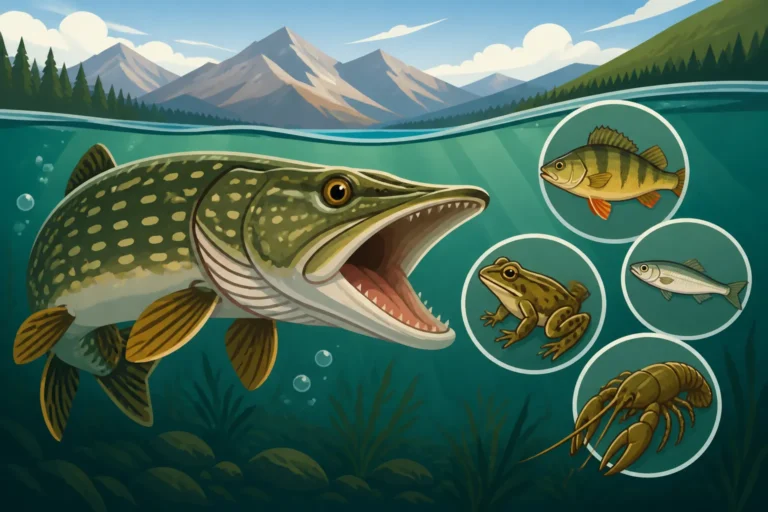
Their role in the ecosystem is primarily as apex predators. Young Bull Trout will feed on insects and smaller invertebrates, but as they grow, they become piscivorous, preying on other fish. This predatory nature helps maintain healthy populations of other species, ensuring no single species overwhelms the delicate balance of the river. Their presence signifies a healthy, complex food web and a robust aquatic environment, something every angler dreams of finding. Protecting them means protecting an entire ecosystem.
Historical Distribution vs. Current Realities
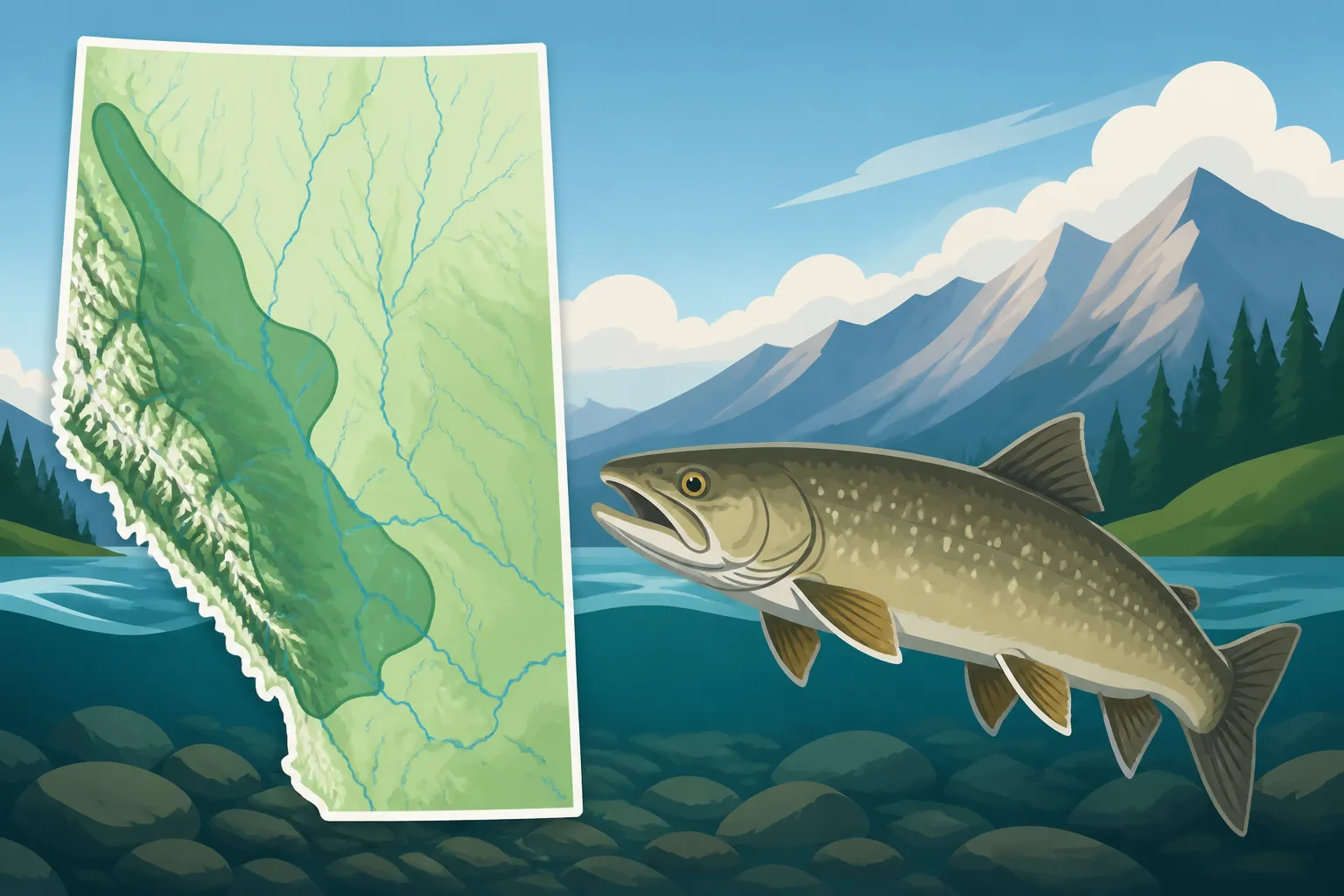
Historically, Bull Trout were much more widespread across Alberta's western slopes, inhabiting numerous cold-water rivers and their tributaries throughout the eastern foothills and Rocky Mountains. Their range extended from the headwaters of the Oldman River basin in the south, northwards through the Bow, Red Deer, and North Saskatchewan river systems, and even into the far northern reaches of the Peace and Athabasca basins. They were a common sight for early anglers and settlers, a testament to the abundant, undisturbed habitat that once characterized much of the province.
Unfortunately, human development, habitat alteration, and the introduction of non-native species have dramatically fragmented and reduced their native range. Today, their populations are severely restricted to the most pristine and coldest headwater streams, often in higher elevations and wilderness areas. This reduction means that while they were once relatively common, finding them now is a true privilege and a sign that you've discovered a truly wild and special piece of Alberta. It's a stark reminder of the delicate balance between human progress and environmental preservation.
The Mountain Strongholds: Where Bull Trout Still Thrive
Despite the challenges, there are still crucial pockets where Bull Trout continue to hold on, primarily in the rugged, cold-water systems of Alberta's Rocky Mountains and foothills. These areas serve as vital refuges for the species and are the focus of dedicated conservation efforts. Knowing these strongholds is key for any angler committed to ethical fishing and supporting native fish populations.
The Bow River System and its Tributaries
While the lower and middle Bow River are famous for their robust Rainbow and Brown Trout populations, the upper reaches and many of its high-elevation tributaries remain critical habitat for native Bull Trout. Think about the wilder, less accessible sections of the Bow within Banff National Park and upstream of Calgary. Tributaries such as the Highwood River, Sheep River, and Elbow River, especially in their pristine upper sections, are known to support Bull Trout populations. These areas are characterized by stable, cold water, clean gravels, and plenty of complex habitat like deep pools and woody debris.
Accessing these areas often requires hiking or venturing into more remote wilderness. Anglers venturing into these pristine waters, sometimes with specialized gear found on platforms like Amazon, should always be acutely aware of their impact. Fishing in these areas is often catch-and-release only for Bull Trout, a regulation strictly enforced to protect these vulnerable fish. Understanding Bow River Fishing Guide and its upstream regulations is paramount for a responsible angler.
Crowsnest and Oldman River Basins
Moving south, the Crowsnest River and the broader Oldman River basin are renowned as significant strongholds for Bull Trout. These rivers, flowing through the dramatic landscapes of the Crowsnest Pass and the eastern slopes, offer some of the most consistent native Bull Trout fishing opportunities. The Crowsnest River, in particular, has stretches that are iconic for their Bull Trout presence, often requiring specific techniques to target these wary predators. Crowsnest River Trout Fishing details some of these experiences.
The Oldman River and its headwater tributaries, especially within the vast wilderness areas, are also vital. These systems provide the cold, clear water, and undisturbed spawning grounds that Bull Trout desperately need. These southern mountain rivers are often characterized by significant runoff events in spring, which the Bull Trout are adapted to, and provide crucial cold-water refugia during hotter summer months. Oldman River Fishing Spots gives more insights into accessing these special waters. Anglers here often use specific flies or lures that imitate baitfish, keeping in mind the Alberta Bull Trout Zero Possession Rule.
Northern Foothills and Headwaters
Further north, critical Bull Trout habitat exists in the headwaters and upper reaches of rivers draining the northern foothills and mountains. Rivers like the Ram, Clearwater, and parts of the Kakwa River system are essential, though often much more remote and harder to access. These northern strongholds represent some of the most undisturbed ecosystems in Alberta, providing a glimpse into what much of the province's waterways once looked like.
These areas are often truly wild, requiring significant backcountry travel and robust gear—a great place to ensure your camping and fishing equipment, perhaps purchased from Amazon, is up to the task. The challenges of accessing these regions inadvertently provide a layer of protection for the Bull Trout residing there, limiting angler pressure and human impact. Maintaining the integrity of these remote basins is paramount for the long-term survival of the species in Alberta.
Factors Influencing Bull Trout Range Fragmentation
The story of the Bull Trout's fragmented range isn't just about where they are, but why they're no longer in places they once were. It's a complex tapestry of environmental changes, human activity, and biological pressures that have pushed these fish into smaller, isolated pockets. Understanding these factors is crucial to appreciating the fragility of their current strongholds and the importance of conservation.
Habitat Degradation and Loss
One of the most significant blows to Bull Trout populations has been the widespread degradation and loss of their critical habitat. Activities like logging, road construction, mining, and agricultural development in riparian zones can lead to increased sedimentation in rivers, destroying the clean gravel beds Bull Trout need for spawning. Sediment smothers eggs and young fish, directly impacting reproductive success. Additionally, culverts and dams built without fish passage can block migration routes, fragmenting populations and preventing fish from reaching essential spawning or foraging areas.
When a river system becomes channelized or riparian vegetation is removed, water temperatures can rise, making the habitat unsuitable for these cold-water specialists. Bull Trout thrive in complex river environments with deep pools, undercut banks, and large woody debris, all of which provide cover, thermal refugia, and ambush points for hunting. When these features are lost due to human activity, the habitat can no longer support a healthy Bull Trout population, shrinking their range piece by piece.
Competition with Invasive Species
Another major threat that has significantly impacted the native range of Bull Trout is the introduction of non-native fish species. Brook Trout (Salvelinus fontinalis) are particularly problematic. These aggressive, highly prolific char were introduced from eastern North America and have successfully outcompeted Bull Trout for food and habitat. Even worse, Brook Trout can hybridize with Bull Trout, producing sterile offspring (known as "sparctic char"), which further dilutes the native gene pool and reduces reproductive capacity. This phenomenon has led to the extirpation of Bull Trout from many streams where they once thrived.
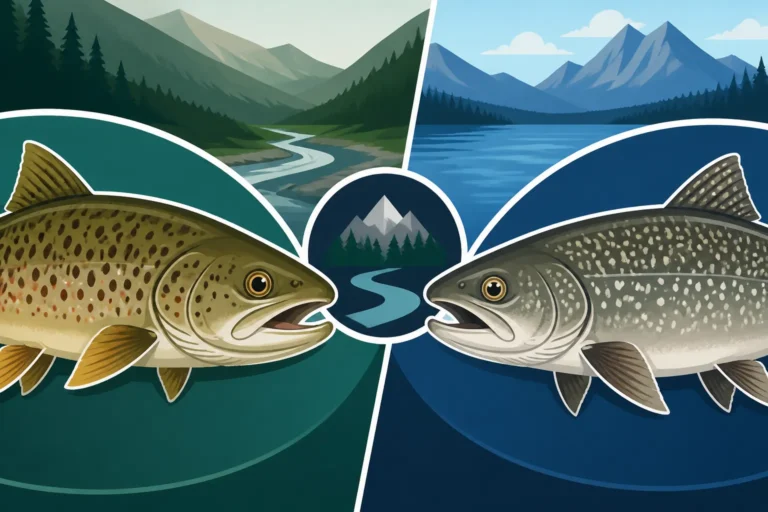
Rainbow Trout (Oncorhynchus mykiss) and Brown Trout (Salmo trutta), while offering fantastic sport fishing, also compete with Bull Trout, especially for food resources and prime holding lies. These species are often more tolerant of warmer, less pristine conditions than Bull Trout, allowing them to expand into areas where Bull Trout populations are already stressed. The cumulative effect of these introduced species has been a severe contraction of the Bull Trout's native range, pushing them into only the most isolated and least disturbed headwater environments. Anglers identifying species must consult a Trout Species Identification Guide for Alberta to differentiate.
Climate Change and Water Temperature
The looming shadow of climate change presents an existential threat to Bull Trout and their remaining native range. As global temperatures rise, so do average water temperatures in many rivers and lakes. Bull Trout absolutely require cold water for survival, growth, and reproduction. They are physiologically adapted to waters that rarely exceed 15-18°C (59-64°F) and prefer even colder temperatures for spawning. Prolonged exposure to warmer water causes stress, reduces their ability to feed and grow, and makes them more susceptible to disease.
Higher temperatures also decrease oxygen levels in the water, further stressing the fish. Changes in snowpack and glacier melt can alter stream flows, leading to lower water levels in summer and warmer conditions. These factors collectively shrink the available suitable habitat, forcing Bull Trout into even higher elevations or only the coldest spring-fed tributaries. This ongoing warming trend means that even in some of their traditional strongholds, the future viability of Bull Trout populations is increasingly uncertain without significant intervention.
Recognizing Bull Trout Habitat: What to Look For
If you're an angler with a passion for wild places and native fish, understanding what constitutes prime Bull Trout habitat is like having a secret map to Alberta's most pristine waters. It's not just about a specific river name; it's about the unique characteristics of the environment itself. Spotting these cues can help you identify potential Bull Trout areas and, more importantly, appreciate the delicate ecosystems they inhabit.
Cold, Clean, and Complex Waters
The mantra for Bull Trout habitat is simple: cold, clean, and complex. First and foremost, water temperature is non-negotiable. Bull Trout need truly cold water, often originating from snowmelt, glaciers, or groundwater upwellings. Look for streams that stay frigid even during the height of summer, often characterized by dense riparian vegetation providing shade. The presence of significant tree cover along the banks is a good indicator of cooler water.
"Clean" refers to water quality – minimal sediment, low turbidity, and free from pollutants. If the streambed is mucky or the water perpetually cloudy, it's likely not suitable. Finally, "complex" means diverse habitat. This includes deep pools for resting and ambushing prey, swift runs for feeding, and plenty of cover in the form of large rocks, boulders, undercut banks, and particularly large woody debris (like fallen trees and logs). This complexity provides structure, protection, and prime hunting grounds, making it easier for Bull Trout to thrive.
Spawning and Rearing Areas
Identifying spawning and rearing areas is crucial, especially for an endangered species like the Bull Trout. Bull Trout are unique amongst trout in that they are fall spawners, typically laying their eggs in late summer or fall. They seek out specific areas known as "redds"—gravel nests where females deposit their eggs. These redds are typically found in areas with cold, clean, loose gravel, often associated with groundwater upwellings that provide a constant flow of oxygenated water and stable temperatures during incubation through the winter.
Rearing habitat for juvenile Bull Trout is equally specific. Young Bull Trout require extremely cold water and complex cover to hide from predators and find food. They often prefer interstitial spaces within the gravel or small, vegetated side channels where they can remain hidden. During these sensitive life stages, any disturbance to the streambed, such as excessive wading or sedimentation, can have devastating impacts on the next generation of Bull Trout. Anglers must be incredibly careful in these areas, perhaps even avoiding them during spawning season, to ensure the survival of this precious species. Alberta Fishing Regulations Explained will offer details on closed seasons for sensitive areas.
Conservation Efforts and the Future of Bull Trout in Alberta
The plight of the Bull Trout is a serious concern, but it's not a lost cause. Dedicated individuals, organizations, and government agencies in Alberta are working tirelessly to protect and restore these incredible fish and their native range. These efforts are multi-faceted, ranging from strict regulations to on-the-ground habitat restoration, all aimed at giving Bull Trout a fighting chance.
Protective Regulations and Zero Possession
Perhaps the most direct and widely known conservation measure for Bull Trout in Alberta is the strict "zero possession" limit. This means that if you catch a Bull Trout, you must immediately release it unharmed. There is no open season, no bag limit, because taking even one Bull Trout could have a significant negative impact on a fragile local population. This regulation is a critical component of their recovery strategy, allowing existing populations to reproduce and grow without additional pressure from angling. Why Bull Trout Have a Zero Possession Limit in Alberta elaborates on the importance of this rule.
It's not just about the zero possession limit, though. Regulations also include specific bait restrictions, gear limitations (like mandatory single barbless hooks in certain waters), and seasonal closures in sensitive spawning areas. These rules are designed to minimize harm to Bull Trout, reduce incidental catch, and protect their habitat. Every angler has a responsibility to understand and adhere to these regulations implicitly. Ignoring them can lead to significant penalties and, more importantly, undo vital conservation work.
| Regulation Aspect | Description | Angler Responsibility |
|---|---|---|
| Zero Possession | All Bull Trout caught must be immediately and carefully released. Keeping one is illegal. | Always release Bull Trout. Carry appropriate tools for quick release. |
| Gear Restrictions | Specific waters may require single, barbless hooks. Bait bans are also common in Bull Trout habitat. | Check current regulations for specific water bodies before fishing. Carry a hook sharpener to debard hooks if necessary. |
| Seasonal Closures | Certain areas or specific river stretches may be closed to all fishing during spawning periods (typically late summer/fall). | Consult the Alberta Guide to Sportfishing Regulations carefully for zone-specific closures. Avoid fishing areas known for spawning activity. |
| Species ID | Anglers must be able to accurately identify Bull Trout from other species. | Study fish identification guides (e.g., Trout Species Identification Guide for Alberta) to ensure correct identification. |
| WIN Card | Required for all anglers over 16 (unless exempt). | Ensure your Alberta WIN Card, Explained is valid and carried with your license. |
Restoration Projects and Community Involvement
Beyond regulations, active habitat restoration plays a crucial role in expanding and securing the native range of Bull Trout. Numerous projects are underway across Alberta, often involving collaborations between government agencies, conservation groups like Trout Unlimited Canada, and local community volunteers. These projects focus on repairing degraded riparian areas by planting native vegetation to stabilize banks and provide shade. They also involve removing fish passage barriers like poorly constructed culverts and replacing them with fish-friendly structures.
Another vital aspect is the reintroduction of large woody debris into streams to create the complex cover and habitat that Bull Trout depend on. These efforts are not quick fixes; they are long-term commitments to heal the land and water, allowing natural processes to resume. Anglers can get involved by volunteering their time, reporting concerns about habitat degradation, or supporting organizations dedicated to these critical restoration efforts. This grassroots involvement is a powerful force in safeguarding the future of Alberta's native Bull Trout.
Angler's Role in Protecting Bull Trout's Native Range
As anglers, we have a unique and profound connection to the waters and the fish within them. With this connection comes a vital responsibility, especially when it comes to species as sensitive and threatened as the Bull Trout. Our actions, both on and off the water, directly influence their survival and the health of their native range. Being a responsible angler is not just about following rules; it's about being a steward of these precious resources.
Catch and Release Best Practices
Since Bull Trout are strictly catch and release, mastering proper handling techniques is non-negotiable. The goal is to minimize stress and injury to the fish, maximizing its chances of survival after release. First, land the fish quickly to avoid over-exertion. Keep it in the water as much as possible, especially during unhooking. Use a knotless, rubberized landing net (you can find excellent options on Amazon) to protect their delicate slime coat and fins.
When handling, wet your hands thoroughly and support the fish horizontally. Avoid squeezing or holding them by the gills. Use long-nosed pliers or a hemostat to quickly remove the hook. If the fish is deeply hooked, cut the line as close to the hook as possible rather than tearing tissue trying to extract it. Allow the fish to recover in the water, facing upstream into the current, until it swims away under its own power. How to Catch Bull Trout and Release Them Safely and Bull Trout Catch and Release Survival Tips offer more detailed guidance on these critical techniques.
Educating Yourself and Others
The best way to protect Bull Trout and their native range is through knowledge and sharing that knowledge responsibly. Take the time to truly understand Alberta Fishing Regulations Explained, especially those pertaining to sensitive species and specific zones. Be able to accurately identify Bull Trout so you never mistakenly keep one. Utilize resources like the Alberta Guide to Sportfishing Regulations and online tools to stay informed.
Beyond your own practices, you can make a difference by gently educating fellow anglers you encounter on the water. Share your knowledge about catch-and-release techniques, the importance of barbless hooks, and the fragility of Bull Trout populations. Lead by example. Report any illegal fishing activity or habitat destruction to the appropriate authorities. By becoming an informed advocate for Bull Trout, you contribute directly to their conservation and help ensure these magnificent native fish continue to grace Alberta's wild rivers for generations to come.
Disclaimer
This article is for general informational purposes only and does not constitute professional advice. Laws, prices and regulations vary by location and change over time. Consult a qualified professional for guidance on your specific situation.