Best technique for finding fall baitfish schools
The chill in the air and the vibrant colours of autumn signal a truly magical time for anglers in Alberta. However, for many, it also brings a nagging frustration: how do you consistently locate those elusive baitfish schools that predator fish like walleye, pike, and lake trout absolutely gorge on? This guide is going to walk you through the essential techniques, environmental cues, and gear strategies you need to pinpoint fall baitfish schools, turning those frustrating searches into successful fishing trips.
The Crucial Role of Fall Baitfish Schools in Alberta Fishing
As summer fades and the days shorten, a profound shift occurs in Alberta's aquatic ecosystems. Understanding this shift, particularly the movements and concentrations of baitfish, is the absolute key to unlocking incredible fall fishing success. It's not just about luck; it's about knowing where the buffet is, because that's where the diners will be.
Why Fall is Prime Time for Predator Feeding
Think of fall in Alberta as the last big push before winter really settles in. Just like us, fish know that colder temperatures are coming, and with them, a period of reduced metabolism and less abundant food. This biological imperative drives predator fish to feed heavily, packing on weight and fat reserves to survive the lean winter months. This intense feeding frenzy is often referred to as the "fall bite," and it's something every angler dreams of capitalizing on.
During this period, baitfish become the central focus for hungry predators. They group up, often in massive schools, as a natural defense mechanism. However, this also makes them a highly attractive, concentrated food source for larger fish. Locating these schools isn't just a good idea; it's often the only way to find consistent action. If you're not finding bait, you're likely not finding the fish that are chasing them. This intensified feeding activity means fish are more aggressive and often less finicky, presenting fantastic opportunities for those who know where to look. Understanding Alberta Fishing Seasons by Zone and Month can further refine your timing for this crucial period.
Common Baitfish Species in Alberta Waters
Alberta's diverse waters host a variety of baitfish species, and understanding what they are and how they behave can give you a significant advantage. While "minnows" is a generic term, specific species often dominate the forage base in different lakes and rivers.
In many of Alberta's larger lakes, cisco (sometimes called lake herring) are a primary food source, especially for larger lake trout and pike. These fish move in large schools and are often found in open water. Juvenile yellow perch are another incredibly important baitfish, particularly for walleye and northern pike, and they'll often relate to weed lines or structural elements. Smelt, where present, also form dense schools. In rivers, various species of shiners and dace make up the bulk of the baitfish population, often congregating in slower eddies or deeper pools. Knowing that What walleye eat in Alberta lakes and What northern pike eat in Alberta lakes can vary based on these available baitfish species is vital. Being able to identify these common forage species helps you select lures that "match the hatch" – or, in this case, match the bait ball.
Reading the Environment: Visual and Natural Indicators
Before you even think about firing up your electronics or dropping a line, the most accessible and often most overlooked tool you have for finding fall baitfish schools is your own two eyes and your understanding of the natural world around you. Learning to "read the water" provides invaluable clues without any fancy gadgets.
Surface Activity: The Obvious Signs
Sometimes, the fish literally show you where they are. Surface activity is one of the clearest indicators of baitfish presence, and it requires nothing more than keen observation. Look for birds – specifically gulls or terns – diving repeatedly into the water. These birds are opportunists, and their intense focus on a particular area is a strong signal that small fish are being driven to the surface by predators below. Where there are feeding birds, there's almost certainly a baitfish school being harassed by larger fish.
Beyond the birds, keep an eye out for disturbances on the water's surface itself. Ripples, sudden splashes, or even entire schools of tiny fish jumping out of the water indicate something is chasing them from below. These might be small, quick bursts of activity, but they are undeniable proof of baitfish. On calm mornings, you might even see the dark, shimmering mass of a bait ball just below the surface, looking like a shifting cloud. Sometimes, the sounds can be a clue too – a distinct "smacking" sound on the surface can be predator fish ambushing bait.
| Visual Cue | What it Looks Like | What it Indicates | Primary Predators |
|---|---|---|---|
| Diving Birds (Gulls) | Birds repeatedly plunging into the water | Baitfish being driven to the surface by predators | Walleye, Pike, Lake Trout, Large Perch |
| Surface Splashes/Ripples | Quick, sporadic splashes or wide rings on the water | Predator fish actively striking baitfish | Pike, Walleye, occasionally Trout |
| Jumping Baitfish | Small fish leaping out of the water en masse | Baitfish fleeing from a predator attack | Almost any predator fish |
| Dark Shimmering Patches | Large, dark, shifting shapes just under the surface | Dense schools of baitfish, often calm before a feeding frenzy | All large game fish |
| "Smacking" Sounds | Distinct, sharp sounds coming from the water | Predators ambushing baitfish near or on the surface | Pike, Large Walleye |
Environmental Factors and Structure
Baitfish don't just swim around aimlessly; they are creatures of habit and survival, and their movements are heavily influenced by environmental factors and underwater structure. Learning to identify these key locations can help you predict where baitfish are most likely to gather.
Water temperature is a huge factor, especially in the fall. As surface waters cool, baitfish often seek out slightly warmer pockets of water, which could be deeper zones, areas near springs, or even shallower bays that hold heat longer. Conversely, if a cold snap hits, they might move to deeper, more stable temperatures. Current breaks in rivers, like those found around islands, points, or submerged rocks, create calmer zones where baitfish can rest and escape stronger flows. These areas also funnel food, making them attractive to both bait and predators.
Submerged weed lines, especially healthy green ones, provide both cover and food for smaller baitfish. As vegetation dies off in the fall, the remaining green weeds become even more critical sanctuaries. Drop-offs, humps, and submerged points are classic congregation areas because they offer sudden changes in depth and cover, allowing baitfish to quickly escape to deeper water if threatened. Predator fish will often patrol the edges of these structures, waiting to ambush unsuspecting schools. For targeting specific species, understanding these structural relationships is key to How to Catch Walleye in Alberta or How to Catch Northern Pike in Alberta.
Leveraging Technology and Gear to Pinpoint Baitfish
While your eyes are a powerful tool, modern fishing technology can give you an undeniable edge in finding fall baitfish schools, especially in larger, deeper lakes or when conditions make surface observations difficult. Think of your gear as an extension of your senses, allowing you to peek beneath the surface.
Sonar and Fish Finders: Your Underwater Eyes
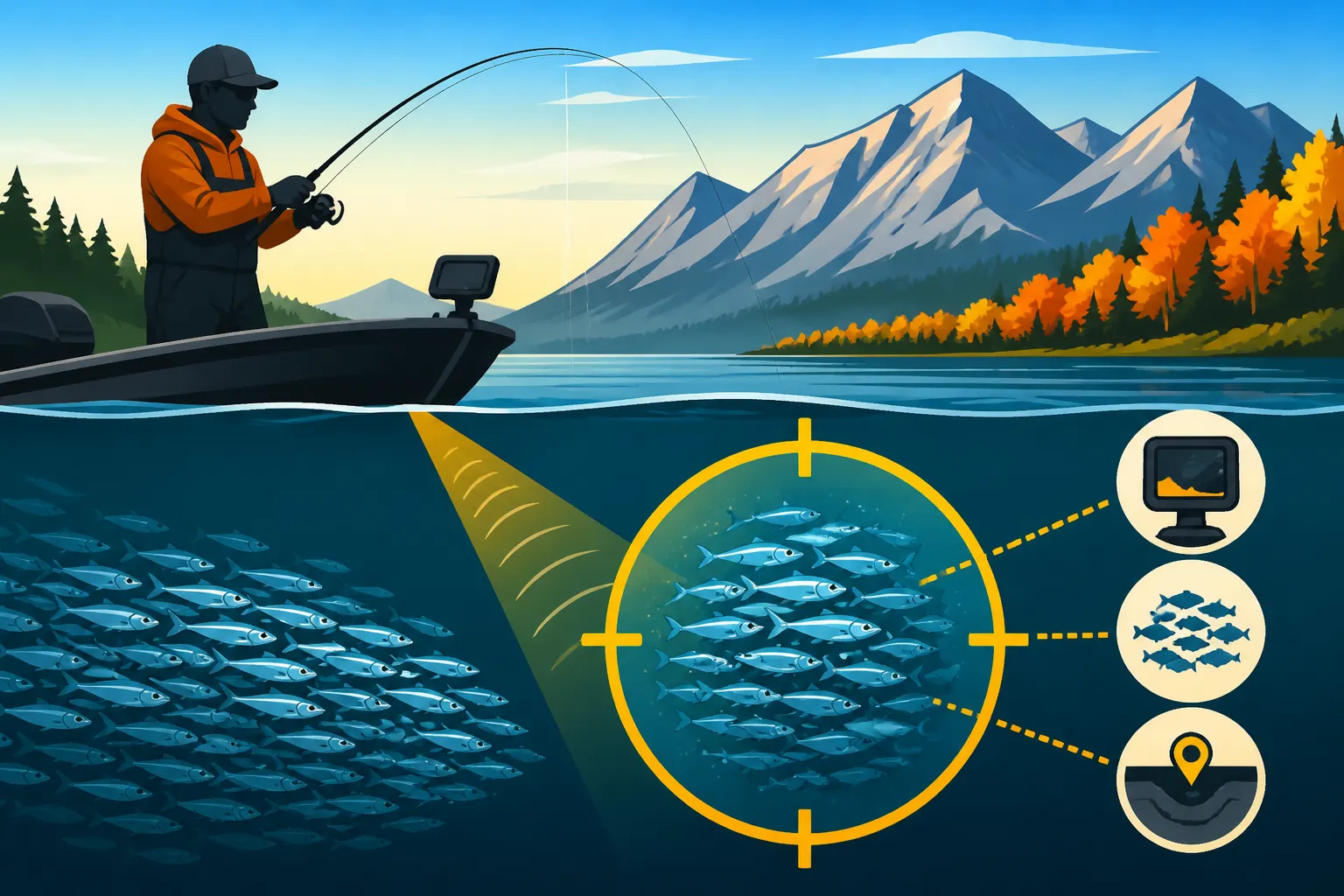
A quality fish finder is arguably the most valuable piece of technology for locating baitfish schools. These devices use sonar waves to paint a picture of the underwater world, revealing structure, depth, and, crucially, fish. When you see dense clouds or balls of tiny arcs on your screen, often suspended in the water column or tightly packed near structure, you've found a baitfish school.
For general searching, a good 2D sonar can show you these "bait balls." Pay attention to the sensitivity settings; sometimes, turning it up slightly can help reveal smaller baitfish. DownImaging and SideImaging technologies, found on many modern units from brands like Humminbird or Lowrance, offer even more detail. DownImaging provides a photo-like view directly below your boat, making it easier to discern baitfish from dense structure. SideImaging, on the other hand, scans out to the sides, allowing you to cover a much wider area and spot bait schools that your boat might not pass directly over. Imagine scanning a wide flat on Lesser Slave Lake or Cold Lake for schools of cisco or perch fry; SideImaging can be a game-changer. You might find a wide range of suitable units and accessories on Amazon to help with your search. Learning to interpret your Best Fish Finders for Alberta Lakes is a skill that will pay dividends.
Binoculars and Spotting Scopes: Extending Your Vision
Even with excellent sonar, there are times when surface observations from a distance are still the most effective way to find baitfish. This is especially true on vast bodies of water where covering every square inch with sonar is impractical, or when targeting fast-moving schools. High-quality binoculars or a spotting scope become your best friends here.
Picture yourself on a large prairie lake, or scanning the horizon on Lake Athabasca. Binoculars allow you to quickly survey a wide expanse of water for any signs of surface activity – diving birds, jumping fish, or even the subtle shimmer of a bait ball. On a calm day, you might spot activity hundreds of yards away that you'd miss with the naked eye. This can save you hours of aimless searching, directing you straight to the action. A good pair of waterproof binoculars can be an excellent addition to your fishing kit, and you can often find a variety of options on Amazon to suit your budget and needs. Don't underestimate the power of extending your visual range, especially during the fall when baitfish can be pushed around by strong winds and move quickly.
Strategic Hunting: Methods for Actively Finding Schools
Finding fall baitfish schools isn't always a passive waiting game. Sometimes, you need to actively hunt them down, using systematic approaches and adapting your strategy based on what the fish (and the bait) are telling you. This is where your angling intelligence really comes into play.
Systematic Search Patterns on Lakes and Rivers
Simply drifting around hoping to stumble upon a bait ball is often a recipe for frustration. Instead, employ systematic search patterns, especially when exploring new water or when visual cues are scarce. On large lakes, start by identifying key structural elements that baitfish are likely to relate to, such as extensive weed beds, sharp drop-offs, submerged points, or deep-water humps. Begin your search by running parallel lines along these contours, paying close attention to your sonar. A zig-zag or grid pattern can be effective for covering open water, especially if you suspect pelagic baitfish like cisco are present.
In rivers, focus your efforts on areas where current breaks occur – behind large rocks, along the inside bends of channels, or in slower eddies. Baitfish will often concentrate in these less turbulent areas. Fan-casting with search baits like crankbaits or spinnerbaits, even when you're not seeing fish, can also sometimes reveal baitfish presence if you retrieve a few small ones on your hooks, indicating you're in the right zone. This systematic approach, combined with diligent use of your electronics, drastically increases your chances of intercepting a moving school. Considering Best Fishing Rivers in Alberta and Best Fishing Lakes in Alberta will help you choose your battlegrounds wisely.
Following the Forage: Mimicking Predator Behavior
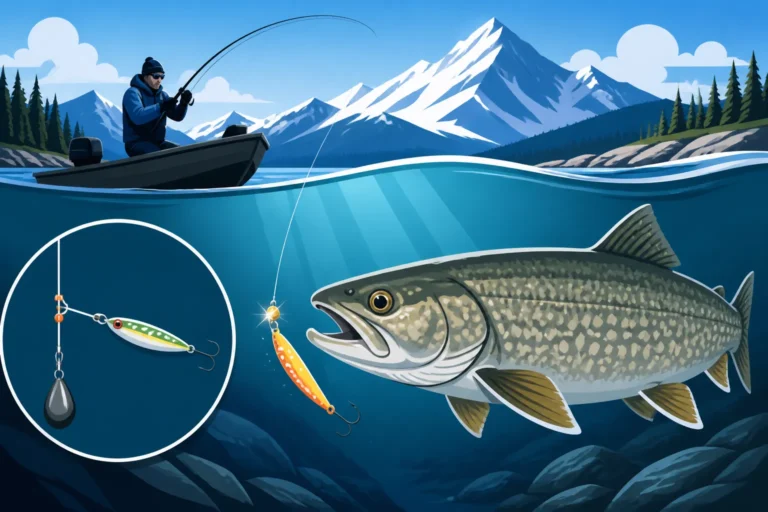
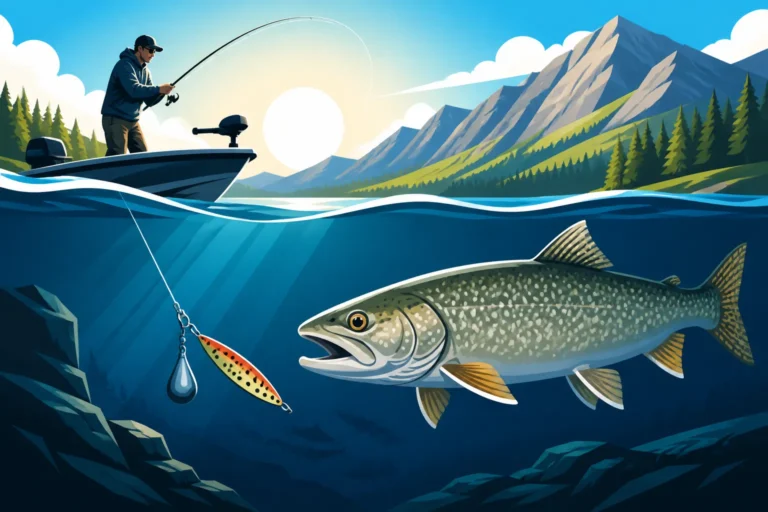
Once you've located a baitfish school, either visually or with your electronics, your next step is to stay with them and anticipate the movements of the predator fish. Remember, predator fish are "following the forage." So should you. This often means staying mobile and adjusting your position constantly. If the baitfish are deep, target the depths with jigs or heavy spoons. If they are pushed to the surface by feeding frenzy, switch to topwater lures or shallow-running crankbaits.
The goal isn't just to find the bait, but to present your lure in a way that mimics a confused or injured baitfish, making it an easy target for a hungry predator. Sometimes, simply idling around a bait ball with your sonar running can be enough to draw in hungry fish. Other times, casting through the edges of the school will trigger strikes. Don't be afraid to experiment with different presentations. If you're consistently seeing bait on your screen but not getting bites, try changing your lure size, color, or retrieve speed. The fish might be keying in on a very specific type of baitfish or presentation. The ability to quickly adapt your strategy is what turns merely locating bait into actually catching fish. Techniques like Trolling Techniques for Alberta Lake Trout or simply observing how birds are diving can give you crucial clues about how the predators are attacking.
Disclaimer
This article is for general informational purposes only and does not constitute professional advice. Laws, prices and regulations vary by location and change over time. Consult a qualified professional for guidance on your specific situation.