How to fish a swimbait for big pike
Chasing big northern pike in Alberta waters can be one of the most exhilarating experiences for any angler, but it often requires a different approach than just tossing out your standard spoon or spinner. If you've ever felt like your usual lures just aren't cutting it for those true giants, or you're tired of catching hammer handles when you're dreaming of a toothy monster, then it's time to talk about swimbaits. This guide is all about demystifying the swimbait for Alberta pike anglers, showing you how to select, rig, and retrieve these specialized lures to entice those trophy-sized predators you're after.
Understanding the Swimbait Advantage for Alberta Pike
When we talk about "big pike," we're often talking about fish that have seen it all. They're seasoned predators, usually preferring a substantial, easy meal rather than expending a lot of energy chasing down something small and erratic. This is precisely where the swimbait shines. Unlike many traditional lures, a well-chosen swimbait meticulously imitates the natural movement and profile of a baitfish, offering an incredibly realistic presentation that can be irresistible to large, wary pike. It's about triggering that predatory instinct for a hefty meal.
What Makes a Swimbait Different?
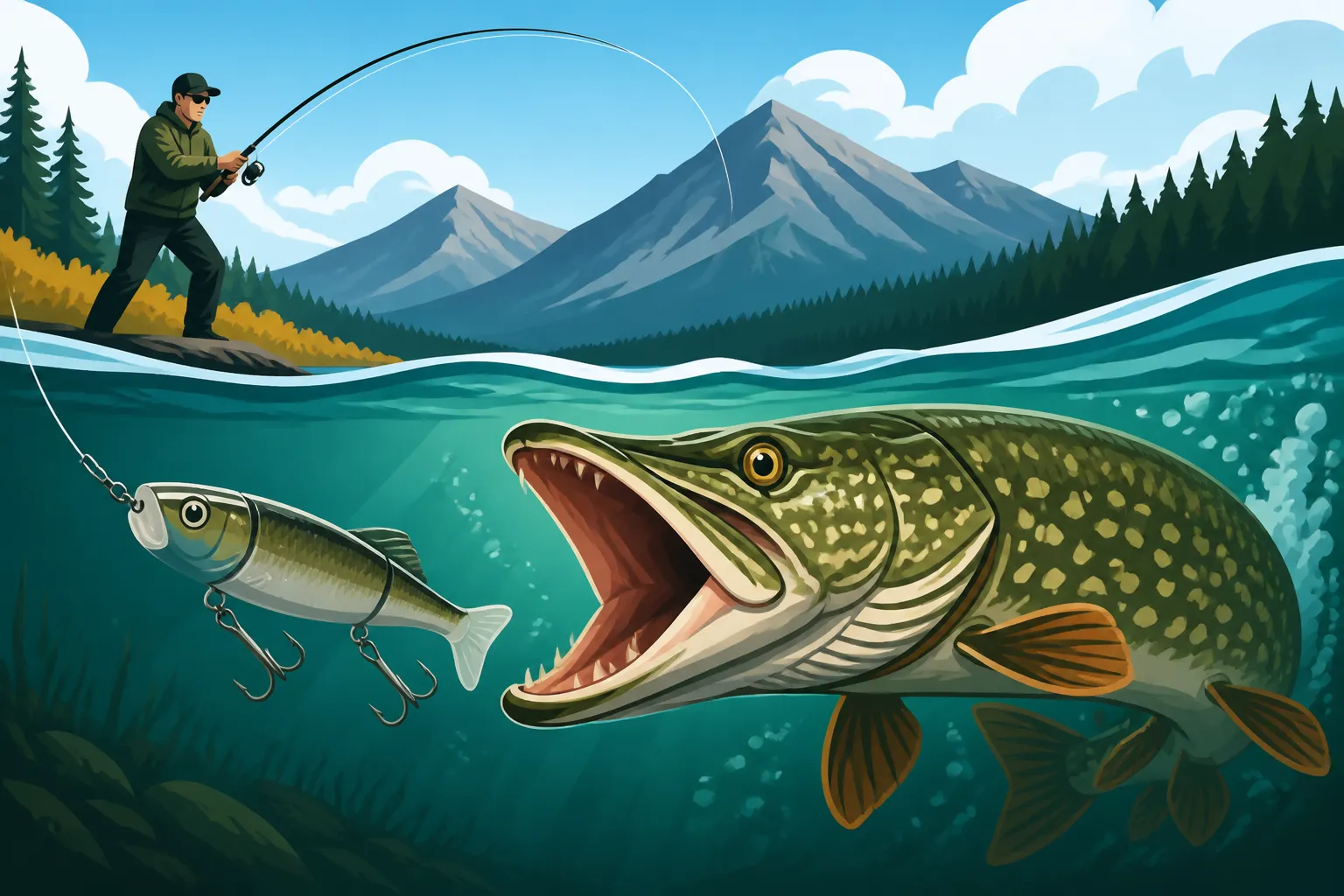
Think of a swimbait as a highly refined imitation of a fish. They come in many forms, from multi-jointed hard baits that look almost alive in the water to soft plastics with paddle tails or segmented bodies that pulse and kick with incredible realism. The key is their lifelike action, often mimicking a real fish swimming, darting, or even struggling. This isn't just a flash and vibration game; it's about fooling the pike's eyes and lateral line with something that looks and feels like legitimate prey.
For big Alberta pike, particularly those cruising weed edges or suspended over deeper water, a swimbait presents a substantial profile that shouts "easy dinner" rather than "annoying snack." These larger fish have adapted to conserving energy, so a big, slow-moving swimbait that looks vulnerable is often exactly what they're looking for. It's less about the novelty and more about the innate predatory response.
Why Big Pike Fall for Swimbaits
Big pike are apex predators in many Alberta ecosystems. They are territorial, opportunistic, and remarkably efficient hunters. As they grow larger, their diet often shifts to include bigger prey, and they become more wary of unnatural presentations. A swimbait taps into several key triggers for these trophy fish. Firstly, the realistic profile and movement of a swimbait fool their keen eyesight. It doesn't look like a piece of metal or plastic; it looks like a juicy walleye, whitefish, or perch.
Secondly, the slower retrieve speeds often employed with swimbaits allow a big pike to size up the "prey" without feeling pressured. They can ambush it or slowly stalk it before committing. This can be crucial in clear waters or during periods when pike are less aggressive. Lastly, the sheer size of many swimbaits appeals directly to a large pike's energy-to-reward ratio. They're not going to chase a tiny minnow if a 6-inch or 8-inch meal is slowly swimming by. This is why when you're specifically targeting Northern Pike Fishing in Alberta for the biggest ones, swimbaits really earn their keep.
Choosing the Right Swimbait for Your Alberta Pike Hunt
Stepping into the world of swimbaits can feel a bit overwhelming at first, given the sheer variety available. However, for targeting big Alberta pike, we can narrow down the choices by focusing on a few key characteristics: size, action, color, and construction. Each plays a vital role in whether a monster pike decides to commit.
Size Matters: Go Big or Go Home
When it comes to big pike, "go big or go home" isn't just a catchy phrase; it's a solid strategy. We're talking swimbaits typically in the 6-inch to 10-inch range, and sometimes even larger. Remember, you're trying to appeal to a fish that prefers a substantial meal. A smaller swimbait might catch a lot of smaller pike, but it's less likely to tempt that true trophy you're dreaming of.
Consider the primary forage in the lake or river you're fishing. If a lake is known for healthy populations of whitefish, suckers, or larger perch, matching that size profile is paramount. On huge systems like Lesser Slave Lake or Cold Lake, a big profile is necessary to get noticed. Don't be shy about tying on a swimbait that looks intimidatingly large; often, the biggest pike are caught on the biggest baits.
Action and Construction: Hard, Soft, or Hybrid?
Swimbaits broadly fall into three categories: hard body, soft plastic, and hybrid. Each has its own distinct action and advantages for different situations.
-
Hard Body Swimbaits: These lures are typically multi-jointed, often made of plastic or wood. They create a very wide, realistic swimming action with a distinct "S" curve.
- Pros: Incredible realism, durable (especially against pike teeth if designed well), consistent action. Great for slower, methodical retrieves.
- Cons: Can be expensive, heavier, and less versatile in terms of retrieve speeds.
- Best Use: Targeting suspended pike, clear water, or when a slow, steady retrieve is key.
- Example Scenario: Slowly cruising the edge of a deep drop-off on a sunny day, letting the swimbait do all the work.
-
Soft Plastic Swimbaits: These are molded from soft plastic, often with a paddle tail or ribbed body for maximum movement. They can be rigged in various ways (weighted hooks, jig heads).
- Pros: Extremely versatile, wide range of sizes and colours, more affordable, subtle action can be very natural.
- Cons: Less durable against sharp pike teeth (though many are reinforced), can be harder to cast long distances without proper weighting.
- Best Use: Fishing around heavy cover like weed beds or submerged timber, vertical jigging, or when a more erratic, stop-and-go retrieve is effective.
- Example Scenario: Fan-casting a large soft swimbait into a prominent weed flat on a shallow prairie lake, letting it fall into pockets.
-
Hybrid Swimbaits: These combine elements of both, often featuring a hard head and body with a soft, replaceable tail.
- Pros: Offers durability where needed and the excellent action of a soft tail. Often highly customizable.
- Cons: Can be pricey, and replacing tails can be a hassle.
- Best Use: A great all-around choice for many situations, offering a blend of realism and versatility.
- Example Scenario: Fishing a diverse area with scattered weeds and deeper channels, where you might need both a realistic swim and some durability.
When choosing, consider how much cover you'll be fishing. For heavy weeds, a soft swimbait rigged weedless might be best. For open water, a hard-bodied swimbait could be more effective. You can find a huge array of all these types on sites like Amazon, making it easy to compare and find exactly what you need.
Color and Profile: Matching the Hatch
While pike aren't always picky about color, especially when they're aggressive, matching the local forage can definitely give you an edge, particularly with wary, larger fish. Common baitfish in Alberta include perch, minnows, whitefish, and suckers.
- Natural Patterns: Perch patterns (green, yellow, black bars), silver/white for minnows or ciscoes, dark backs with light bellies for general baitfish. These are excellent choices for clear water or when pike are finicky.
- Bright/Contrast Colors: Fire tiger, chartreuse, or bright orange can be great for stained or muddy water, or on dark, overcast days when you need maximum visibility. They can also trigger a reaction strike, even if they don't perfectly mimic natural prey.
- Darker Colours: Black and blue, or dark greens, can be incredibly effective on low-light days or when fishing after dusk. They create a strong silhouette against the lighter sky or water surface, making them easy for pike to spot.
It's always a good idea to have a few options. Start with natural patterns, and if you're not getting bites, switch to something brighter or with more contrast. Remember that the overall profile and action are often more critical than the exact shade of green or blue. For more options on specific lures, check out articles like Best Lures for Northern Pike in Alberta.
Essential Swimbait Retrieve Techniques for Big Pike
Once you've got your swimbait selected, the real art begins with the retrieve. Unlike some lures where a simple crank is enough, swimbaits often require a bit more finesse and understanding to unlock their full potential. The goal is always to make your lure look like an easy meal that a big pike can't resist.
The Slow Roll: Imitating a Wounded Baitfish
The slow roll is perhaps the most fundamental and often most effective swimbait retrieve for big pike. It's exactly what it sounds like: a slow, steady retrieve, just fast enough to get the swimbait's tail kicking or body wiggling. This retrieve perfectly mimics a baitfish that's either casually swimming or, even better, slightly wounded and vulnerable.
- How to Do It: Cast your swimbait out and let it sink to your desired depth – often near the bottom, just above weed tops, or suspended at mid-depth. Engage your reel and begin a slow, consistent retrieve. Your rod tip should be pointed towards the water, slightly angled, allowing you to feel the subtle thumping of the swimbait.
- When It Works Best: This technique is deadly in cooler water temperatures (early spring, late fall), or when pike are lethargic and less willing to chase. It's fantastic for fishing along deep weed lines, over submerged structure, or along drop-offs. It gives a big pike ample time to track and commit to the lure.
- Tips: Pay close attention to pauses. Sometimes, a slight hesitation in your retrieve can trigger a follow or a strike from a pike that was just observing. Using the right Best Line Weight for Pike Fishing can also enhance your feel for the subtle movements of the lure.
Twitch and Pause: Triggering Reaction Strikes
The twitch and pause, or "stop and go," retrieve is more aggressive and aims to trigger a reaction strike from a pike that might not be actively feeding but is still opportunistic. This technique makes your swimbait appear like a disoriented or dying baitfish.
- How to Do It: Cast your swimbait, let it sink, then begin a few quick turns of the reel handle, followed by a sharp twitch or two of the rod tip (usually downwards). Immediately follow this with a pause, allowing the swimbait to flutter or slowly sink. Vary the length of your twitches and pauses.
- When It Works Best: Excellent when pike are somewhat active but not aggressively chasing. It's particularly effective around points, sudden depth changes, or near cover where pike might be ambushing prey. This retrieve can also be great for drawing fish out of heavier cover.
- Tips: The key is irregularity. Don't fall into a predictable rhythm. Mix short twitches with longer pulls, and vary your pause times. Many strikes occur on the pause, as the swimbait looks like it's trying to escape but then gives up.
Burn and Kill: The Aggressive Approach
Sometimes, you need to provoke a reaction. The "burn and kill" is an aggressive retrieve designed to elicit a chase and an explosive strike from an active pike. It mimics a fleeing baitfish.
- How to Do It: Cast your swimbait and immediately begin a very fast retrieve, reeling as quickly as you can for several seconds. Then, abruptly "kill" the retrieve, allowing the swimbait to fall freely on a slack line for a few seconds. Repeat this sequence.
- When It Works Best: Ideal for active pike in warmer water, or when you're covering a lot of water quickly to locate fish. It's very effective in vast, open areas of lakes like Lac La Biche or Pigeon Lake, where pike might be spread out. It can also be dynamite during the fall "feed bag" period when pike are packing on weight.
- Tips: Be ready! Strikes on the kill are often violent. Use a heavier rod and reel setup, as well as a stout Best Leader for Pike Fishing to handle these aggressive fish. Ensure your hooks are sharp, as pike might only slash at a fast-moving bait.
Varying Retrieve Depths
Don't just cast and retrieve at the same depth every time. Experiment! Pike will position themselves at different depths depending on light conditions, water temperature, and baitfish location.
- Topwater: Some swimbaits can be fished on the surface, mimicking injured baitfish. Great for shallow areas or over submerged weeds.
- Mid-Column: Often, pike suspend in the middle of the water column, especially over deeper structure. Count your swimbait down to different depths.
- Bottom Bouncing: Letting your swimbait occasionally tap the bottom can stir up sediment and attract attention, especially in murkier waters or when fishing deeper humps.
A good retrieve isn't just about cranking; it's about telling a story to the pike with your lure. Experiment with these techniques and combine them to find what the fish are responding to on any given day.
Where and When to Throw Swimbaits for Alberta Pike
Knowing how to fish a swimbait is only half the battle; knowing where and when to present it can be even more crucial for consistently catching big Alberta pike. Pike are structure-oriented predators, always looking for ambush points and concentrations of baitfish.
Prime Pike Haunts for Swimbait Presentations
Big pike love to relate to structure, whether it's submerged timber, dense weed beds, or subtle changes in depth. When you're fishing with a swimbait, you're essentially looking for the living rooms and dining rooms of these toothy predators.
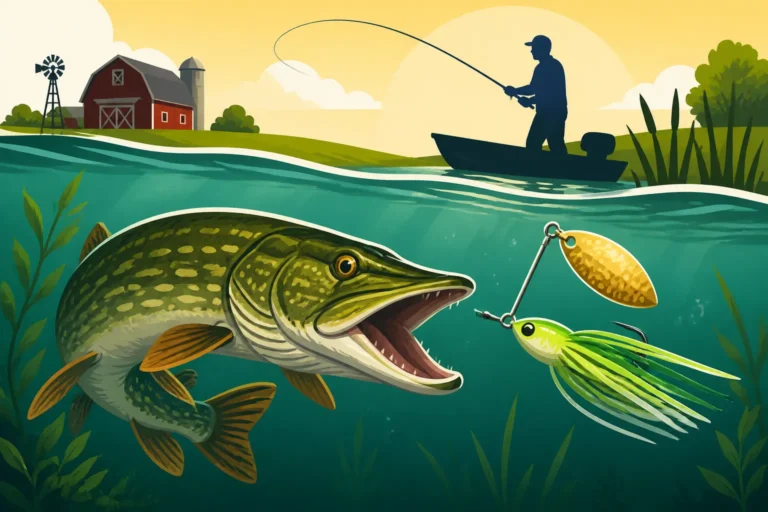
- Weed Lines and Weed Flats: These are classic pike hideouts. The edge of a thick weed bed, where deep water meets shallow, is a perfect ambush point. Pike will often sit just inside or outside the weeds, waiting for prey to swim by. Cast your swimbait parallel to these edges, letting it tick the tops of the weeds or fall into pockets. Softer, weedless-rigged swimbaits truly shine here.
- Drop-offs and Ledges: Any sudden change in depth provides a highway for baitfish and an excellent ambush point for pike. Key in on points that extend into deeper water, or steep breaklines where the bottom transitions rapidly. Slowly retrieving a hard-bodied swimbait along these contours can be incredibly effective for suspended fish. This is where a good fish finder can really pay off.
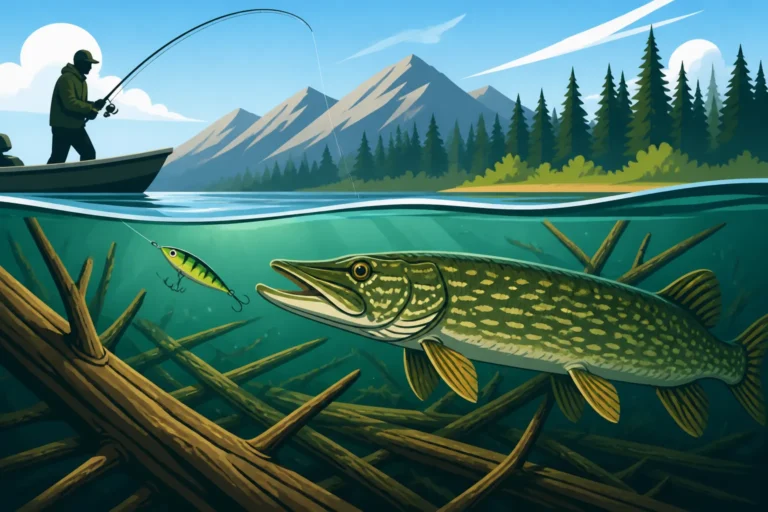
- Submerged Timber and Rock Piles: These structures offer excellent cover and attract baitfish. Pike will often position themselves tight to logs, brush piles, or large boulders. Pitching a soft swimbait into these areas, allowing it to fall naturally, can draw out a lurking giant. Just be prepared for snags!
- Open Water (for Suspended Pike): Don't overlook the middle of the lake, especially on larger bodies of water like Cold Lake or Lake Athabasca. If you can locate schools of baitfish suspended in open water, there's a good chance big pike or lake trout will be nearby. Long casts with larger, heavier swimbaits, slowly retrieved at the depth of the bait, can be incredibly effective here. This is a great scenario for the slow roll technique described earlier.
Table: Swimbait Retrieve Techniques and Ideal Conditions
| Retrieve Technique | Primary Action Imitated | Ideal Pike Activity Level | Best Water Conditions | Prime Pike Locations |
|---|---|---|---|---|
| Slow Roll | Wounded/Cruising Baitfish | Lethargic to Moderately Active | Cooler, Clear-Stained | Deep Weed Lines, Drop-offs, Open Water |
| Twitch & Pause | Disoriented/Dying Baitfish | Moderately Active | Clear-Stained | Points, Structure, Cover Edges |
| Burn & Kill | Fleeing Baitfish | Highly Active, Aggressive | Warmer, Stained-Clear | Open Flats, Covering Water, Post-Spawn |
| Vertical Jigging | Injured/Dying Baitfish | Lethargic, Ice Fishing | Any, Deeper Water | Suspended Fish, Over Structure, Ice Holes |
Seasonal Considerations for Swimbait Success
Pike behaviour changes dramatically with the seasons, and so too should your swimbait strategy.
- Spring (Post-Spawn): After the spawn, pike are often hungry and somewhat aggressive, but still recovering. They'll be in shallower bays and around new weed growth. A medium-slow retrieve with a realistic soft swimbait can be deadly. Look for warmer water and baitfish concentrations. Best Techniques for Early Spring Pike can provide more detailed insights into this period.
- Summer: Pike will either move deeper to find cooler water and oxygen or hold tight to the densest cover. Early mornings and late evenings might see them shallower. During the day, target deeper weed lines, thermoclines, and offshore humps with larger swimbaits. The burn and kill can work for active fish, while the slow roll picks off the less aggressive ones.
- Fall (Pre-Winter Feed): This is arguably the best time for trophy pike, as they go on a massive feeding spree to bulk up for winter. Pike become incredibly aggressive and will chase down larger meals. Focus on main lake points, vast weed flats, and areas where baitfish are schooling. Both aggressive and slower retrieves can work, depending on the day. Don't be afraid to throw your biggest swimbaits during this period! You might be surprised at How big northern pike get in Alberta when they're feeding hard.
- Winter (Ice Fishing): Even under the ice, swimbaits can be effective. Large, soft plastic swimbaits vertically jigged through an ice hole can trigger impressive strikes from big pike lurking below. Focus on main lake basins, deep weed edges, and prominent humps. Make sure you're aware of Ice Fishing in Alberta regulations and safety protocols.
Remember, fishing is all about adapting. Observe the conditions, pay attention to what the fish are telling you, and don't be afraid to experiment with different sizes, colours, and retrieve techniques until you find what works. Having a diverse collection of swimbaits, easily sourced from places like Amazon, will help you be ready for any situation Alberta's diverse waters throw at you.
Equipping Yourself for Big Pike Swimbait Fishing
Using swimbaits, especially larger ones, effectively for big northern pike requires a suitable rod, reel, and line setup. You're not just casting a small spoon; you're throwing a substantial lure and potentially battling a powerful, heavy fish with sharp teeth. The right gear ensures both casting efficiency and the ability to land that trophy.
Rod and Reel: Power and Durability
For serious swimbait fishing for big Alberta pike, you'll want a beefier setup than your typical medium-heavy bass rod.
- Rod: Look for a heavy or extra-heavy power baitcasting rod, typically 7'6" to 9' in length. The longer rod aids in casting those heavy swimbaits long distances and provides more leverage when fighting a powerful fish. A fast action tip is usually preferred, offering sensitivity for detecting bites and enough backbone to drive large hooks home. The "heavy" rating ensures the rod can handle the lure weight and the power of a large pike.
- Reel: A sturdy baitcasting reel with a good drag system is essential. Look for models with a high line capacity, a strong gear ratio (something in the 6.1:1 to 7.1:1 range is versatile), and robust components that can withstand the strain of constant casting and heavy fish. A good quality reel from a reputable brand will make a huge difference in your enjoyment and success. You'll want something that can really put the brakes on a hard-charging pike.
Line and Leaders: Strength and Abrasion Resistance
Pike have incredibly sharp teeth, and they'll make short work of inappropriate line. Your line and leader choice is paramount for preventing heartbreaking break-offs.
- Main Line: Braided line is generally the preferred choice for swimbait fishing. It has virtually no stretch, which translates to excellent sensitivity and powerful hooksets, even on long casts. For big pike, a braid in the 50-80 lb test range is appropriate. The heavier pound test also offers excellent abrasion resistance against pike teeth and rough cover, which is critical when you hook into a true monster.
- Leader Material: This is non-negotiable for pike. You absolutely need a leader to protect your main line from their razor-sharp teeth.
- Fluorocarbon: Heavy fluorocarbon leaders (60-100 lb test) offer a good balance of stealth and abrasion resistance. They are nearly invisible underwater, which can be an advantage in clear water or for very wary fish. However, even heavy fluoro can be compromised by repeated contact with a pike's teeth, so always check your leader frequently for nicks and abrasions.
- Wire/Titanium: For ultimate tooth-proofing, a high-quality wire or titanium leader is the way to go. These are virtually indestructible by pike teeth. While less stealthy, the trade-off for not losing that fish of a lifetime is often worth it. They come in various styles, from single-strand wire to multi-strand braided wire, and even kink-resistant titanium.
- Length: A leader of 12-18 inches is typically sufficient. This ensures enough material to withstand a head shake or two without the main line coming into contact with the teeth.
Make sure you know how to tie strong knots, or use high-quality crimps for your leaders. Losing a big fish due to a faulty knot or inadequate leader is one of the most frustrating things in fishing. When assembling your tackle box, consult guides like Best Pike Gear for Alberta Lakes to ensure you're fully prepared.
Hooks and Terminal Tackle: Sharper is Better
Most quality swimbaits come with decent hooks, but always check them. For pike, having ultra-sharp, strong hooks is essential. Pike have bony mouths, and a dull hook will often just bounce off.
- Treble Hooks: On hard body swimbaits, ensure the treble hooks are strong enough to handle a big fish and are razor sharp. Consider upgrading to stronger, sharper trebles if the stock hooks seem flimsy.
- Single Hooks (for soft swimbaits): When rigging soft swimbaits, you'll often use a heavy-duty weighted swimbait hook. Ensure the hook gap is wide enough for good penetration and that the hook point is exposed for optimal hooksets. Many anglers prefer a single hook rig for soft swimbaits, especially when fishing around weeds, as it makes them more weedless.
Also, carry a good pair of long-nosed pliers or a jaw spreader. Pike have a mouthful of teeth, and safely removing hooks is paramount for both your safety and the fish's well-being. Practicing proper catch and release techniques is vital, especially for trophy fish that contribute to the health of the fishery. If you want to know more about the bigger fish, check out Northern Pike Growth Rate to Trophy Size.
Advanced Tips and Troubleshooting for Swimbait Anglers
Fishing swimbaits for big pike isn't always easy, and there will be days when it feels like nothing is working. But with a few advanced tips and some troubleshooting strategies, you can increase your odds and make your swimbait fishing even more productive.
Understanding Pike Behavior and Location
One of the biggest keys to success with swimbaits, or any lure for that matter, is understanding why pike are where they are. They are highly attuned to their environment.
- Light Conditions: On bright, sunny days, pike often retreat to deeper, shadier areas or hold tight to dense cover. Present your swimbait slower and closer to the structure. On overcast days or during low light (dawn/dusk), they might be more active in shallower, more open water, where they can ambush prey easily. This is often when an aggressive retrieve like the burn and kill can pay off.
- Water Temperature: Pike are cold-blooded, and their metabolism is directly linked to water temperature. In very cold water (early spring, late fall), they're slower and prefer a slow-moving, easy meal. In warmer water (summer), they can be highly active and willing to chase. Adjust your retrieve speed and depth accordingly.
- Baitfish Movement: Find the bait, find the pike. If you can locate schools of perch, minnows, or whitefish on your sonar, there's a strong likelihood big pike are lurking nearby. Position your boat or cast your swimbait to intercept the pike as they move to feed on these schools. This is particularly effective on large, open lakes where baitfish can be hard to pinpoint. Knowing What northern pike eat in Alberta lakes will help you identify the right baitfish.
Troubleshooting When the Bite is Tough
We all have those days where the fish just aren't biting. Instead of giving up, try these troubleshooting tactics:
- Change Retrieve Speed/Style: If a slow roll isn't working, try twitching it. If twitching fails, try a burn and kill, or vice-versa. Sometimes a subtle change in cadence is all it takes to trigger a strike.
- Alter Depth: If you're fishing shallow and not getting bites, try letting your swimbait sink deeper. If you're deep, try bringing it up higher in the water column. Pike can be very depth-sensitive.
- Switch Colors/Profiles: If your natural perch pattern isn't working, try a brighter chartreuse or a darker black-and-blue. If a paddle tail isn't drawing strikes, try a jointed hard swimbait. Carry a variety of swimbaits, perhaps some you've sourced from Amazon, to give yourself options.
- Go Bigger (or Smaller): If you're throwing a 6-inch swimbait and only getting follows, try an 8-inch or 10-inch lure. Sometimes, a truly massive offering is what it takes to tempt a trophy fish. Conversely, if you're getting no attention at all, a slightly smaller, more active swimbait might entice a more neutral fish.
- Fish New Water: If you've thoroughly worked a spot with no success, move on! Pike are ambush predators, and if they're not there or not biting, spending too much time on a dead spot is unproductive. Cover water efficiently, especially on larger lakes known for big pike like those mentioned in Best lakes for trophy pike in Alberta.
Remember that swimbait fishing for big pike is a game of patience and persistence. These are not everyday catches, but the reward of hooking into a truly massive northern pike on a swimbait is an unforgettable experience that makes all the effort worthwhile. Keep experimenting, keep learning, and enjoy the pursuit of Alberta's incredible toothy giants!
Disclaimer
This article is for general informational purposes only and does not constitute professional advice. Laws, prices and regulations vary by location and change over time. Consult a qualified professional for guidance on your specific situation.