The biggest fish species in Alberta lakes
It's a question every angler who loves Alberta's waters has pondered: what mighty, finned giants lurk beneath the surface of our beautiful lakes? There’s a special kind of thrill that comes with the possibility of hooking into something truly massive, a fish that will test your tackle, your patience, and your angling skill to its absolute limits. This guide isn't about bragging rights alone; it's about understanding the impressive fish species that grow to substantial sizes in Alberta's diverse aquatic environments, where to find them, and how to respectfully pursue these freshwater behemoths.
Unveiling Alberta's Freshwater Giants
When we talk about the biggest fish in Alberta's lakes, we're really looking at a few key contenders that consistently reach impressive sizes, often dwarfing other species in sheer length and girth. These are the fish that dominate their ecosystems, the ones that stories are made of, and the creatures that keep anglers coming back season after season, hoping for that once-in-a-lifetime catch. It's not just about the weight; it's about the presence, the fight, and the sheer awe they inspire.
Lake Trout: The Deep-Water Titans
Ah, the Lake Trout! These magnificent fish are truly the undisputed heavyweights of many of Alberta's deepest and coldest lakes. They are built for power, with broad tails and streamlined bodies that allow them to chase down prey in vast, open water. While they might not be as common in every lake as some other species, where they do exist, they have the potential to grow to astounding sizes, making them a top target for trophy hunters.
The thrill of landing a huge Lake Trout often comes after a long, intense battle from the depths. They pull hard, they run deep, and they will absolutely test the drag on your reel. These fish thrive in lakes with cold, oxygen-rich water and a healthy population of baitfish to sustain their enormous appetites. You'll find these deep-water giants in the truly massive and pristine lakes that Alberta is blessed with. If you're wondering How big lake trout get on Cold Lake, let me tell you, the potential is truly astounding.
Northern Pike: The Apex Predators of the Shallows
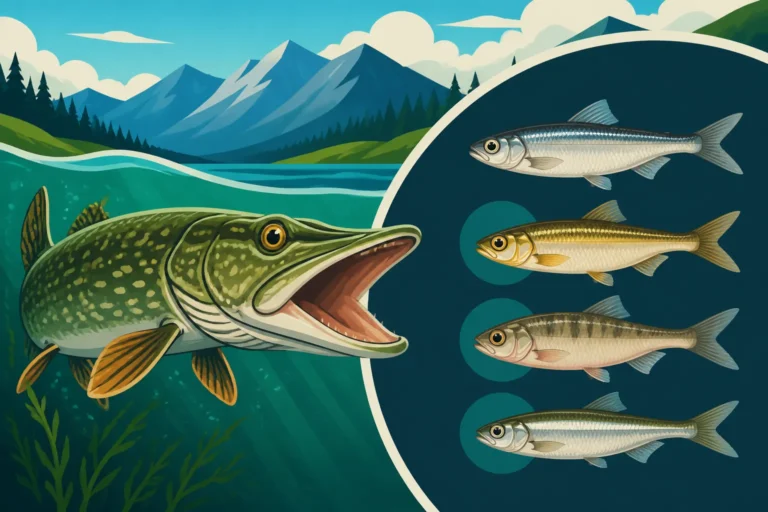
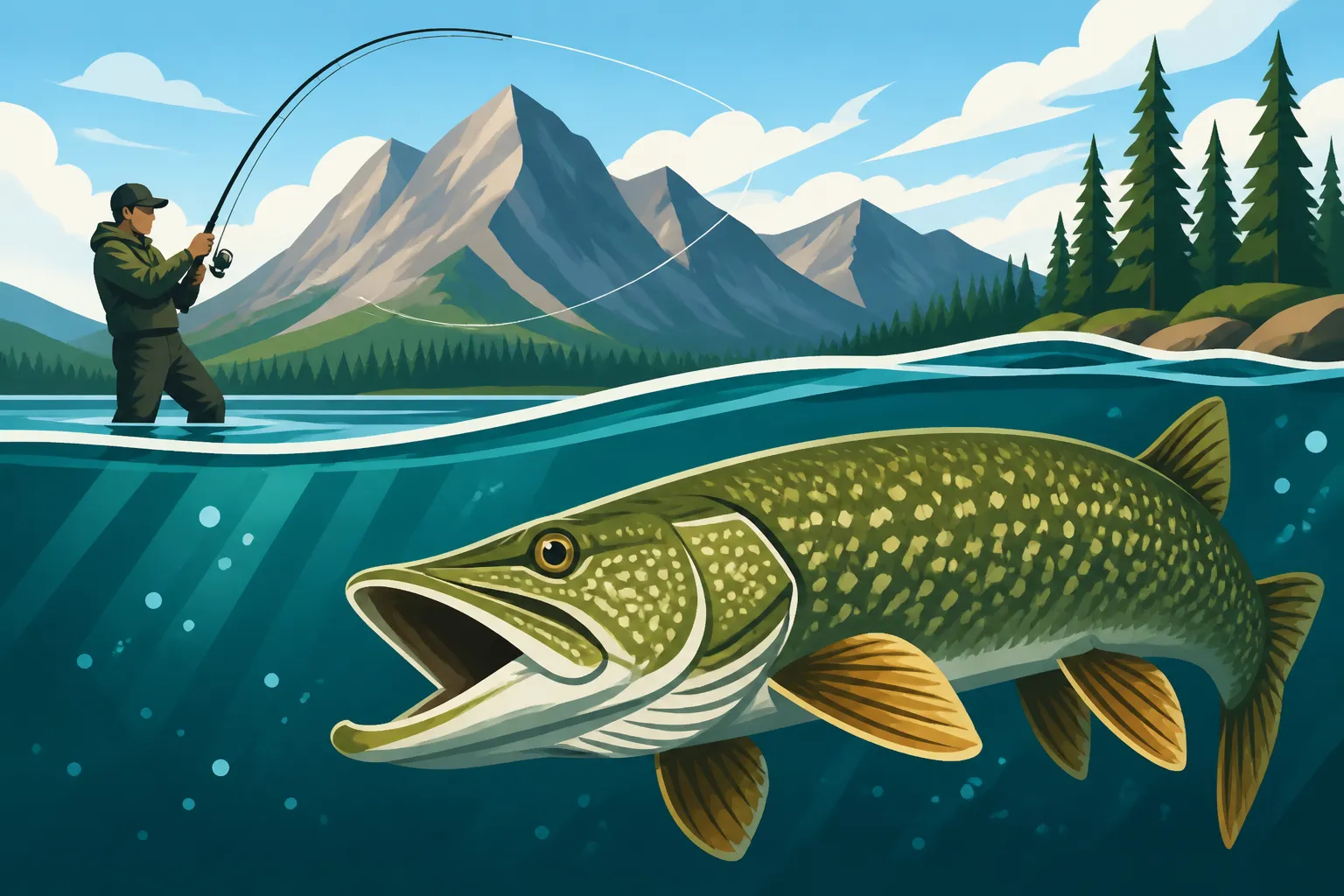
When it comes to sheer length and an aggressive, predatory nature, the Northern Pike stands out as one of Alberta's most impressive fish species. Often described as freshwater sharks, these fish are ambush predators par excellence, known for their elongated bodies, duck-bill snouts, and rows of razor-sharp teeth. They lurk in weedy cover, along drop-offs, and near submerged structure, waiting to explode on unsuspecting prey.
Catching a truly massive Northern Pike is an experience you won't soon forget. They hit hard, fight fiercely with acrobatic leaps and powerful runs, and are notorious for their thrashing head shakes boatside. What's more, they grow incredibly fast given the right conditions and a plentiful food supply. If you've ever pondered How big northern pike get in Alberta, know that fish pushing well over a metre in length are not just angler's tales – they're a very real possibility in many of our prolific lakes. For more on these fierce fighters, check out Northern Pike Fishing in Alberta.
Walleye: The Golden Brawlers
While perhaps not reaching the sheer bulk or length of the largest Lake Trout or Northern Pike, the Walleye are absolute kings in terms of their widespread appeal, delicious taste, and the robust fight they put up. A trophy Walleye is a true prize, a thick-bodied fish with a beautiful golden sheen and large, light-sensitive eyes. They are incredibly popular among anglers, and for good reason: they are smart, challenging to catch, and when you do hook into a big one, it’s an unforgettable tussle.
Walleye tend to grow to impressive weights, developing thick shoulders and broad backs that translate into powerful runs and a stubborn refusal to come to the net. They prefer to hang out in deeper waters during the day, moving shallower at dusk and dawn to feed. Landing a Walleye that weighs in the double digits is a monumental achievement in Alberta, and places like Lesser Slave Lake are renowned for producing such giants. They might not break the length records, but their girth and fighting spirit make them undeniable heavyweights in the hearts of many anglers. You can dive deeper into Walleye Fishing in Alberta if you're keen.
Understanding What Makes a Fish Grow Huge
Ever wonder why some fish seem to grow to mythical proportions while others in the same lake remain average? It's not just luck! A complex interplay of factors contributes to a fish's ability to reach truly massive sizes. Understanding these elements can even help you target areas where bigger fish are more likely to thrive. It’s all about creating the perfect conditions for these aquatic athletes to beef up.
Age and Longevity
The most straightforward factor in a fish growing huge is simply time. Older fish have had more years to grow, to consume food, and to put on weight and length. Just like humans, some fish species naturally live longer than others, and those are often the species that produce the biggest individuals. Lake Trout, for instance, are incredibly long-lived, with some individuals reaching several decades in age. This extended lifespan allows them ample opportunity to grow into true giants.
However, longevity isn't just about species genetics; it's also about survival. Lakes with stable environments, good water quality, and less intensive fishing pressure allow more fish to live to a ripe old age. If a fishery is over-pressured, fewer fish will make it to their trophy-sized years. This is why responsible angling practices, like catch and release for larger fish, are so vital for maintaining healthy populations of these impressive old fish.
Food Availability and Habitat
Imagine a buffet where you never run out of your favorite food. That's essentially what a trophy fish needs! Lakes that consistently produce giant fish almost always have an abundant and varied food base. This means a healthy population of smaller baitfish (like cisco, smelt, or perch) for predators like Pike and Lake Trout to gorge on. The more energy a fish can take in from its diet, the more it can dedicate to growth.
Beyond food, the habitat itself plays a crucial role. Large, deep lakes with complex underwater structures – think extensive weed beds, rocky drop-offs, submerged humps, and vast open water – provide both excellent hunting grounds and crucial hiding spots for big fish. These areas offer thermal refuge, protection from predators (even big fish have to avoid eagles and bears!), and prime ambush points. Finding the right heavy-duty tackle for these behemoths might send you browsing sites like Amazon, where you can compare rods, reels, and specialized lures designed for these conditions.
Genetics and Water Quality
While age and food are massive factors, we can't ignore the role of genetics. Just like in any species, some individual fish are simply wired to grow larger and faster than others. These 'super-growers' pass on their genes, contributing to a population's overall potential for trophy fish. Fisheries management often takes this into account, sometimes through selective breeding or by protecting larger brood stock.
Water quality is the foundation for everything else. Clean, well-oxygenated water free from pollution and with stable temperatures is absolutely essential for fish health and growth. High-quality water allows fish to efficiently metabolize food, resist disease, and thrive. Lakes with excellent water quality can support a greater biomass of fish, including those that grow to immense sizes. Conversely, poor water quality can stunt growth, increase stress, and lead to disease, making it nearly impossible for fish to reach their full potential.
Where to Find Alberta's Potential Record Breakers
Alberta is a vast province with an incredible array of lakes, each offering unique fishing opportunities. If you're dreaming of tangling with one of Alberta's biggest fish, you need to know where these giants call home. Certain lakes have a well-earned reputation for producing trophy-sized specimens, thanks to their unique characteristics and healthy ecosystems.
Cold Lake: A True Lake Trout Powerhouse
When it comes to massive Lake Trout, Cold Lake is often the first name that comes to mind for many Alberta anglers. Straddling the Alberta-Saskatchewan border, this incredibly deep, clear, and cold lake offers the perfect habitat for these deep-water titans. Its immense size and depth provide the vast hunting grounds and thermal refuge that big Lake Trout need to thrive and grow old.
Cold Lake is consistently reported as one of the best spots to target truly colossal lakers in Alberta. The sheer volume of water, combined with a robust forage base of smaller baitfish, allows these predators to reach impressive sizes and weights. Anglers often employ specialized deep-water tactics here, such as downrigging or jigging heavy spoons, to reach the depths where these giants lurk. For those deep-water giants, a good quality fish finder is almost a necessity, and you can find a huge variety of reliable brands on platforms like Amazon to help you pinpoint them. It's a challenging but incredibly rewarding fishery for those seeking to test their mettle against a true heavyweight.
Lesser Slave Lake: Walleye and Pike Heaven
If you're after trophy Walleye and some seriously impressive Northern Pike, look no further than Lesser Slave Lake. As Alberta's largest accessible lake, it's a sprawling body of water known for its incredible productivity. Its vastness, diverse underwater structure – from shallow weed beds to rocky reefs and expansive flats – and abundant forage make it a prime location for both of these highly sought-after species to grow to substantial sizes.
Lesser Slave Lake has a legendary reputation for producing some of the fattest Walleye and longest Northern Pike in the province. The sheer amount of available food, coupled with the varied habitat, allows these fish to put on serious weight. Whether you're casting, trolling, or even ice fishing in the winter, the potential to hook into a true monster is always present. For more on this incredible fishery, you might enjoy reading Lesser Slave Lake Walleye Fishing or even Best Ice Fishing Lakes in Alberta if you're planning a winter adventure.
Lake Athabasca: The Northern Frontier's Giants
For the truly adventurous angler willing to venture into Alberta's northern reaches, Lake Athabasca offers a wild, remote experience and the very real chance of encountering some of the biggest fish in the province. This immense, largely undeveloped lake is a pristine wilderness, and its vastness and isolation contribute to its reputation for producing gargantuan Northern Pike and Lake Trout. It's truly a place where leviathans roam.
The sheer scale of Lake Athabasca is difficult to comprehend, and its deep, cold waters, combined with plentiful food sources, create an environment where fish can grow undisturbed for many years. While accessing this northern gem often requires more planning and resources, the reward can be a fish that shatters your personal best. It's an unforgiving but incredibly rewarding destination for those who dream of battling true wilderness giants. To learn more about this remote angling paradise, check out Lake Athabasca Fishing Guide.
Responsible Angling for Trophy Fish
Catching a truly massive fish is a highlight for any angler, but with great fish comes great responsibility. The very fish that reach these impressive sizes are often the oldest, most genetically valuable members of their population. Practicing responsible angling ensures that these magnificent creatures continue to thrive and contribute to healthy fish stocks for future generations. It's about respecting the resource and playing our part in conservation.
Catch and Release Practices
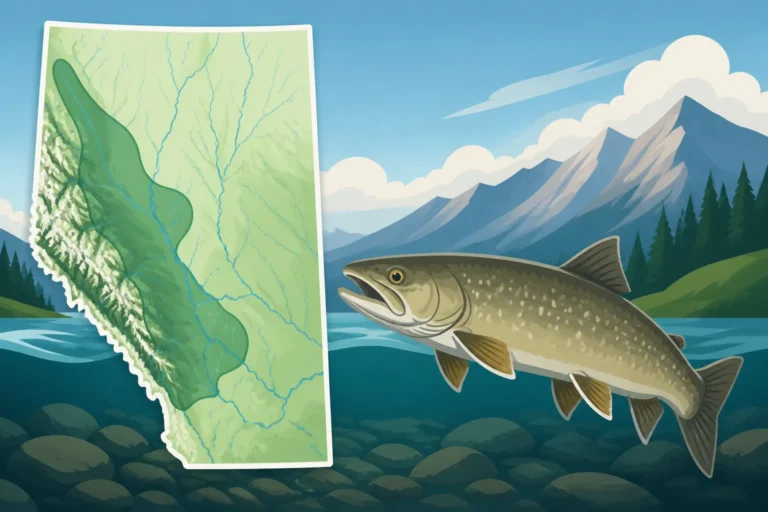
For trophy-sized fish, especially those species that are long-lived and slow-growing like large Lake Trout or Bull Trout (though Bull Trout are always catch-and-release in Alberta, as per Alberta Bull Trout Zero Possession Rule), catch and release is paramount. These large fish are often the prime breeders in the population, contributing significantly to future generations. Their survival after release is crucial.
Proper handling involves minimizing the fish's time out of water, supporting its body horizontally, and using tools that reduce harm. Large, rubberized landing nets are excellent for protecting fins and slime coats, while long-nosed pliers or dehookers help remove hooks quickly. Even something as simple as a sturdy measuring tape or scale can be found readily on Amazon, ensuring you accurately record your personal best while respecting catch-and-release practices. Consider crimping your barbs or using barbless hooks to make hook removal even easier and less traumatic for the fish. A little care goes a long way in ensuring these giants swim off strong.
Respecting Regulations and Limits
Alberta's fishing regulations are designed to protect our fisheries and ensure sustainable angling opportunities. These rules, including bag and possession limits, size restrictions, and season dates, are especially important when it comes to larger, older fish. Often, regulations are specifically crafted to protect the largest individuals of a species, recognizing their importance as breeders.
Always consult the latest Alberta Guide to Sportfishing Regulations before you head out. Familiarize yourself with the Alberta Bag and Possession Limits by Species for the specific lake and species you're targeting. These regulations aren't arbitrary; they are based on scientific data and are essential for maintaining the health and trophy potential of Alberta's fish populations. Understanding and adhering to these rules is not just about avoiding penalties; it's about being a responsible steward of our precious aquatic resources. Knowing which fish you can keep and which must be released contributes to the long-term sustainability of our amazing angling opportunities.
Disclaimer
This article is for general informational purposes only and does not constitute professional advice. Laws, prices and regulations vary by location and change over time. Consult a qualified professional for guidance on your specific situation.