Lake Trout Fishing in Alberta
For many anglers in Alberta, the pursuit of lake trout represents the ultimate freshwater challenge. These magnificent fish are often elusive, dwelling in the deep, cold waters of our province's most pristine lakes, and cracking the code to consistent success can feel like trying to solve a complex puzzle. Their habits shift dramatically with the seasons, and what worked for your buddy last month might leave you empty-handed today. This guide aims to demystify lake trout fishing in Alberta, providing you with a comprehensive understanding of these powerful fish, their preferred habitats, and the most effective techniques to help you hook into a true freshwater giant, regardless of the time of year.
Understanding Alberta's Lake Trout: The Basics
Lake trout, or 'lakers' as they're affectionately known, are a unique and highly sought-after species in Alberta. They're not just another fish; they're a symbol of the province's wild, cold, and often remote waters. To truly become proficient at catching them, you first need to understand a bit about who they are and how they live.
Lake Trout Biology and Habits
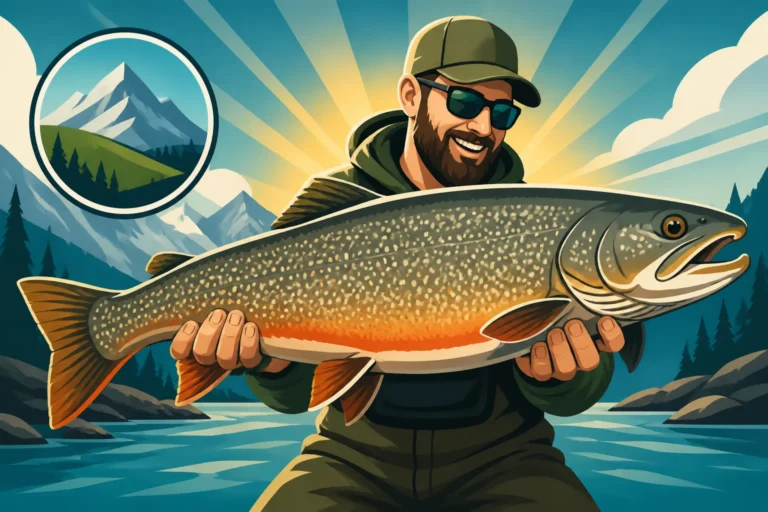
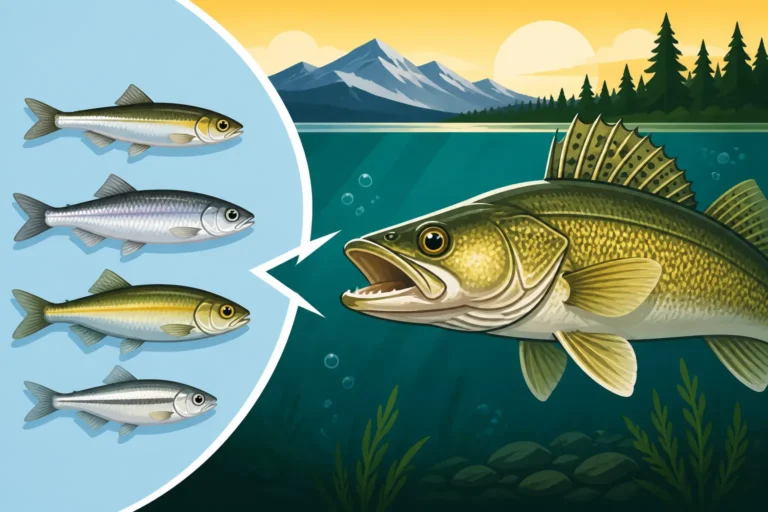
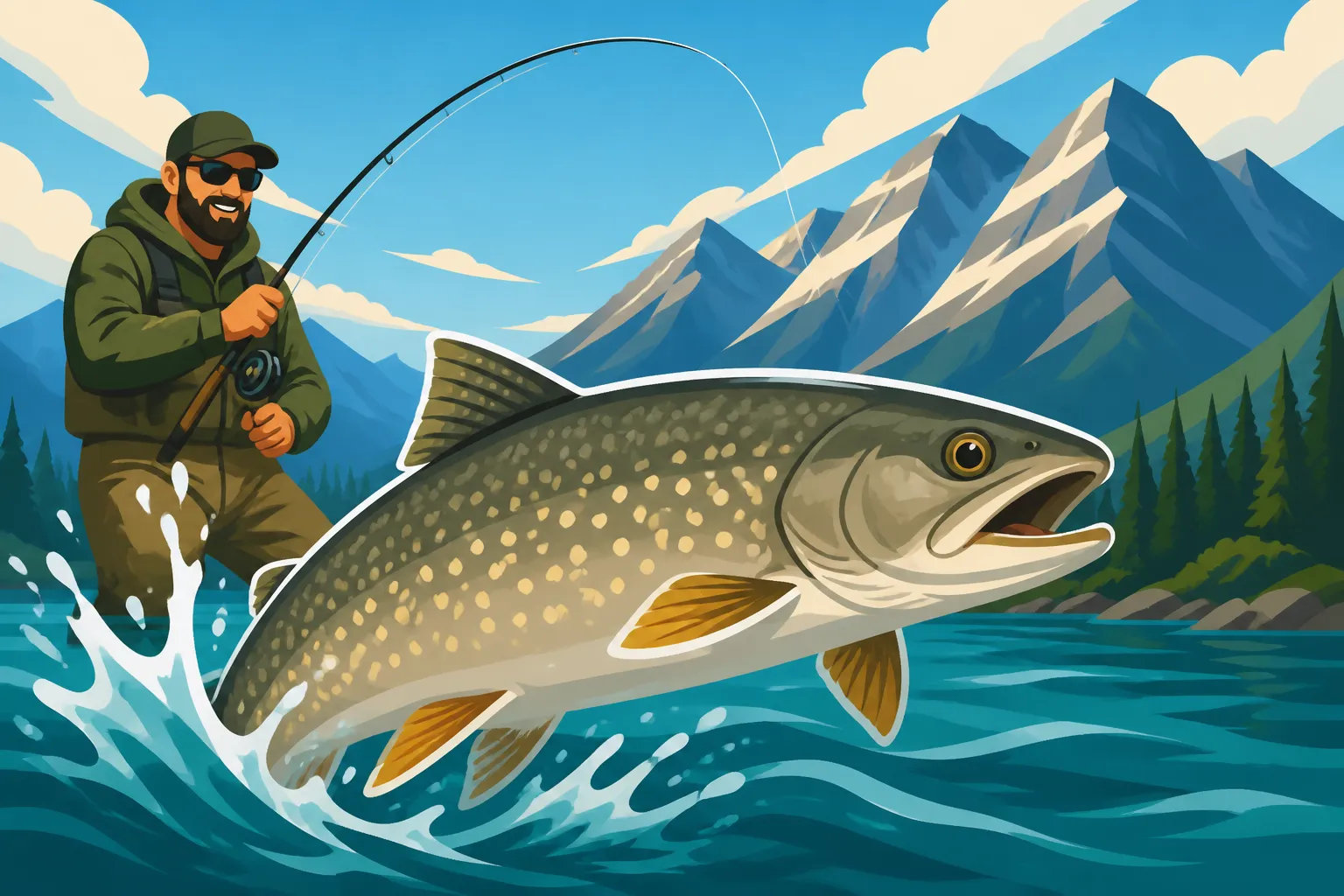
Lake trout (Salvelinus namaycush) are actually part of the char family, distinct from true trout, and they are perfectly adapted to the cold, oxygen-rich environments of deep lakes. They are characterized by their long, slender bodies, deeply forked tails, and light spots on a darker body, which can range from olive green to dark grey. Their coloration often helps them blend into the rocky, deep-water structure they call home. They are apex predators in their ecosystems, feeding on a variety of smaller fish like cisco (lake herring), whitefish, burbot, and even smaller lake trout, as well as insects and zooplankton, especially when they are young. This predatory nature is what makes them such an exciting catch.
Their metabolism is slow in the cold water, meaning they don't need to eat as frequently as some warmer-water species. However, when they do feed, they do so aggressively. A major factor influencing their habits is water temperature. Lake trout thrive in water temperatures between 8°C and 15°C (46-59°F). This thermal preference dictates their depth, moving shallower during cooler months and pushing into the deepest parts of the lake when surface waters warm up in summer. Understanding this thermocline movement is absolutely crucial for finding them throughout the year.
Where Lake Trout Live in Alberta
Alberta is blessed with several deep, cold-water lakes that provide ideal habitats for lake trout. These aren't your typical shallow prairie ponds; we're talking about vast, often ancient bodies of water that plunge to incredible depths, some hundreds of feet deep. These depths provide the year-round cold water that lakers require to survive and thrive. You'll find them primarily in the northern and western parts of the province, where glaciation has carved out these massive basins and mountain-fed rivers keep the water cool and oxygenated.
They're not just in the deepest, most featureless parts of these lakes, though. Lake trout are drawn to structure: underwater points, humps, shelves, drop-offs, and submerged islands. These features create currents and provide ambush points for their prey, which in turn attracts the lakers. Knowing how to read a lake map or use your fish finder to locate these submerged structures is just as important as knowing what lure to throw. They might hold tight to the bottom in 100 feet of water, or suspend in the middle of the water column over an even deeper basin, waiting for baitfish to swim by.
Identifying Lake Trout vs. Other Species
Sometimes, especially in lakes with diverse populations, you might catch a fish and wonder, "Is this a laker?" It’s important to be able to tell the difference, not just for bragging rights, but for adhering to specific regulations. The most common mix-up can be with bull trout or even large rainbow trout. Lake trout have a distinctly forked tail, a feature that immediately sets them apart from the more square or slightly notched tails of bull trout and rainbows. Their bodies are typically covered in light, often worm-like or irregular spots on a darker background, which can be grey, brown, or olive.
Bull trout, while also char, tend to have smaller spots and often a more vibrant, sometimes reddish, lower fin coloration, especially during spawning. Their tail is less forked. Rainbow trout, on the other hand, have black spots, often in distinct rows, and usually exhibit a reddish or pink band along their sides, especially mature males. Always double-check your catch against the Alberta Guide to Sportfishing Regulations, as knowing the difference can be critical, especially for species like bull trout that often have specific catch-and-release rules or zero possession limits due to their threatened status.
Prime Lake Trout Destinations in Alberta
When you think of lake trout fishing in Alberta, a few iconic names immediately come to mind. These lakes are legendary for good reason, offering not just the chance at big fish, but also incredible scenery and memorable outdoor experiences.
Cold Lake
Without a doubt, Cold Lake is the undisputed king of Alberta's lake trout fisheries. Straddling the Alberta-Saskatchewan border, this massive, deep lake is a true natural wonder, plunging to depths well over 600 feet in some areas. Its sheer size and depth provide the perfect habitat for a thriving population of lake trout, including some truly monstrous specimens. Anglers regularly pull out lakers in the 10-20 pound range, with much larger fish caught every season. If you're looking for a trophy, Cold Lake should be at the top of your list.
Fishing Cold Lake Lake Trout Fishing can be a year-round affair. In spring and fall, the trout are often found shallower, providing exciting opportunities for casting or shallower trolling. As summer heats up, they retreat to the deep, requiring downriggers or heavy jigging spoons to reach them. Winter ice fishing is also incredibly popular, with anglers setting up permanent shacks or portable shelters over deep structure, jigging for hours in hopes of a bite. The sheer scale of Cold Lake means you can spend a lifetime exploring its many bays, points, and deep-water humps, always discovering something new.
Lake Athabasca
Further north, in the remote wilderness of Alberta, lies Lake Athabasca, another colossal body of water renowned for its massive lake trout. This lake offers a completely different experience than Cold Lake, one steeped in true wilderness adventure. While accessing Lake Athabasca often means flying into remote camps, the rewards can be immense. The lake is vast and untamed, offering incredible opportunities not just for lake trout, but also for trophy northern pike and walleye.
The lake trout in Lake Athabasca are known for their sheer size and powerful fights. These fish are true products of their wild environment. Because of its remote nature, the fish face less pressure, leading to the potential for truly ancient and enormous lakers. Fishing here often involves long runs in robust boats, exploring vast areas of rugged shoreline, rocky reefs, and deep basins. It’s an adventure that appeals to those who truly want to get away from it all and experience world-class fishing in an untouched landscape. Our Lake Athabasca Fishing Guide has more details on this incredible destination.
Waterton Lakes National Park
For those who prefer mountain backdrops and equally stunning scenery, Waterton Lakes National Park offers exceptional lake trout fishing, albeit in a different kind of environment. Upper and Middle Waterton Lakes are both deep, clear, and cold, making them perfect laker territory. While the fish here might not reach the record-breaking sizes of Cold Lake or Athabasca, they are still abundant and provide thrilling sport amidst some of Alberta's most breathtaking scenery.
Fishing in a National Park comes with specific regulations, so always be sure to check the park's rules before you cast a line. Often, motors might be restricted, or special permits might be required in addition to your provincial fishing license. These lakes are fantastic for exploring by canoe, kayak, or small boat, allowing you to quietly access pristine areas. The clear water here means stealth can be key, and these trout can be particularly challenging and rewarding to catch.
Deep Mountain Lakes
Beyond the mainstays, Alberta boasts numerous other deep mountain lakes in areas like Kananaskis Country and Willmore Wilderness Park that hold healthy populations of lake trout. Lakes like Lake Minnewanka (though within Banff National Park, so different regulations apply) are known for their deep-water lakers. These high-alpine lakes often require a bit more effort to access, sometimes involving long hikes or portages, but they offer solitude and the chance to discover your own secret spot.
These lakes are typically characterized by incredibly clear water, steep drop-offs, and rocky bottoms. The lake trout here are often smaller on average than their prairie lake counterparts, but they are incredibly strong and beautiful fish, perfectly adapted to their rugged environment. Fishing these lakes can often be a mix of trolling, casting spoons, or vertical jigging, and the pristine mountain air and lack of crowds make for an unforgettable experience.
Seasonal Strategies for Lake Trout Success
Lake trout are creatures of habit, but their habits are entirely dictated by water temperature. Understanding how they move throughout the year is the single most important factor in consistent success. What works in April will almost certainly fail in August.
Spring: Ice-Out Opportunities
When the ice finally melts on Alberta's big lake trout lakes, usually around late April or early May, it's often referred to as "ice-out" and signals one of the best times to target lakers. During this period, the entire water column is roughly the same temperature, and the lake trout are no longer confined to the depths. They move into shallower water, often near shore, chasing baitfish that are also becoming more active. This shallow-water access means you can effectively target them with casting gear, making for some incredibly exciting battles.
Look for areas with rocky points, shallow reefs, and shorelines that drop off relatively quickly into deeper water. Large spoons, crankbaits, and even swimbaits can be incredibly effective when cast and retrieved near these structures. The water is still cold, so a slower retrieve is often more productive than a fast, erratic one. This is also a fantastic time for shore fishing if you can find good access to deep water near the bank, a luxury not often afforded to lake trout anglers later in the season. Remember, the fish are often hungry after a long winter, so capitalize on their aggressive feeding habits.
Summer: The Deep Dive
As Alberta's summer sun warms the surface waters of our lakes, the lake trout follow the cold water down, down, down. This is when they become primarily a deep-water species, often holding anywhere from 50 to 150 feet (or even deeper) depending on the lake and the specific day. Finding them requires specialized gear and techniques, but the rewards are there for those willing to put in the effort. This is where fish finders become indispensable, as you need to locate the thermocline and the baitfish schools the lakers are pursuing.
Trolling with downriggers or heavy weights is a popular and effective method during summer. This allows you to present lures at precise depths for extended periods, covering a lot of water. Big spoons, like those from popular brands you can find on Amazon, or large crankbaits are go-to choices. Vertical jigging directly over deep structure is also deadly, especially when you mark fish on your sonar. Look for suspended fish or those holding tight to the bottom of underwater humps and ledges. How deep lake trout go in summer can vary greatly, so pay attention to your electronics.
Fall: Pre-Spawn Aggression
Autumn is another fantastic time for lake trout fishing, often rivaling spring for its productivity. As the water temperatures begin to cool down, lake trout once again become more active and start moving shallower. This is a crucial period for them as they feed heavily to build up energy for their upcoming spawn. This "pre-spawn" aggression makes them more willing to strike a variety of lures. They will often be found shallower than in summer, but still deeper than ice-out, generally in the 20-60 foot range, often relating to rocky shoals and reefs where they will eventually spawn.
Big spoons, hefty crankbaits, and even large tube jigs or soft plastics can all be very effective during the fall. Trolling is still a great way to cover water, but casting over prominent structure can also yield some explosive strikes. The fish are often fat and feisty, providing some of the strongest fights of the year. Pay close attention to Lake Trout Spawning Season in Alberta which typically occurs in late fall. During this time, it's particularly important to practice ethical catch and release to protect these valuable breeders.
Winter: Ice Fishing for Lakers
Ice fishing for lake trout in Alberta is an experience unto itself, drawing dedicated anglers to the frozen expanses of lakes like Cold Lake and others. While it might seem counterintuitive to fish for deep-dwelling fish through a small hole in the ice, winter can be incredibly productive. Lake trout remain active under the ice, often patrolling deep structure or suspending in the water column in pursuit of baitfish.
The primary technique for ice fishing lake trout is vertical jigging. Heavy spoons, large tube jigs, and specialized jigs tipped with bait (like a piece of smelt or a minnow head) are dropped to the desired depth and worked with varying actions. A good fish finder (flasher or LCD unit) is absolutely critical for marking fish and determining their depth. You might find them suspended 40 feet down over 100 feet of water, or hugging the bottom on a deep hump. Drilling multiple holes and moving until you find active fish is key. Patience and perseverance are hallmarks of successful Ice Fishing in Alberta, especially for lake trout.
Essential Gear and Tackle for Lake Trout
Lake trout are big, powerful fish that live in challenging environments. This means your gear needs to be up to the task. Skimping on tackle will lead to lost fish, broken lines, and a whole lot of frustration.
Rods and Reels
For casting and shallower trolling, a medium-heavy to heavy power spinning or baitcasting rod, typically 7 to 8.5 feet long, will give you the backbone needed to cast heavy lures and fight strong fish. Look for rods with a fast action for good hook sets. When it comes to deep-water trolling with downriggers or heavy weights, specialized trolling rods are often used. These are typically longer, more limber rods with a slower action that can absorb the shock of a strike and manage the weight.
Matching your rod with a robust reel is critical. For spinning setups, a 4000 to 6000 size reel with a strong drag system is appropriate. Baitcasting reels should be low-profile, high-capacity models with a reliable drag. For deep-water trolling, conventional reels, often referred to as "level wind" reels, are preferred for their power, line capacity, and ability to handle heavy loads. No matter the type, ensure your reel has a smooth, consistent drag, as a surging lake trout can quickly snap a line or pull hooks if the drag isn't properly set.
Lines and Leaders
Lake trout fishing demands strong, durable line. Braided line is a popular choice for its incredible strength-to-diameter ratio, minimal stretch, and sensitivity. A main line of 30-50 pound test braid is a good starting point, allowing you to feel subtle bites even in deep water. Because braid is highly visible, you'll want to connect it to a fluorocarbon leader. Fluorocarbon is nearly invisible underwater and offers excellent abrasion resistance, which is vital when fishing around rocky structure. A leader of 15-25 pound test fluorocarbon, about 3-6 feet long, is usually sufficient.
For deep-water trolling or jigging, some anglers might opt for monofilament as a main line due to its stretch, which can act as a shock absorber. However, the lack of sensitivity can be a drawback. Wire line is sometimes used for specific deep-water trolling applications, but it requires specialized rods and techniques. Always check your line regularly for nicks and abrasions, especially after fishing over rocky bottoms. Re-tie your knots frequently; a knot is often the weakest point in your entire setup.
Lures and Baits
Lake trout are opportunistic predators, and a variety of lures can entice them. The key is often finding the right presentation for the depth and conditions.
- Spoons: Heavy casting spoons (e.g., Williams Wabler, Luhr-Jensen Krocodile) are incredibly versatile. They can be cast and retrieved in shallower water or jigged vertically in the depths. Their flashy, erratic action mimics wounded baitfish.
- Crankbaits: Large, deep-diving crankbaits (e.g., Rapala Down Deep Husky Jerk, Reef Runner) are excellent for trolling, especially when you need to get down to mid-range depths. Match the lure's profile and color to the primary baitfish in the lake.
- Tube Jigs: These soft plastic lures, often 4-6 inches long, are deadly for vertical jigging, particularly when ice fishing or targeting suspended fish. Tip them with a piece of bait for added scent.
- Swimbaits: Large soft plastic swimbaits, often rigged on a heavy jig head, can be worked similarly to tube jigs or cast and retrieved in shallower water.
- Live/Dead Bait: While not always necessary, tipping jigs with a piece of dead bait like smelt or herring can provide an irresistible scent trail, especially for sluggish fish in deep or cold water. Always check local regulations regarding bait use.
Having a good selection of lures in various sizes and colors is crucial. What works one day might not the next, so be prepared to experiment. You can find a huge variety of these lures and tackle on Amazon to stock your box.
Electronics and Navigation
In the pursuit of lake trout, especially in large, deep lakes, electronics are not just a luxury; they are a necessity. A reliable fish finder is your eyes beneath the surface, allowing you to locate structure, identify baitfish schools, and most importantly, mark the presence of lake trout. Modern units with GPS capabilities also allow you to mark hot spots, troll precise contours, and navigate safely back to your launch.
Look for units with good screen resolution and powerful sonar capabilities, often dual-frequency or CHIRP sonar, to distinguish fish from structure. Side imaging or down imaging can also be incredibly helpful for identifying submerged features that hold fish. For ice fishing, specialized flashers or portable LCD units are invaluable for showing real-time activity under your hole. A good marine GPS with detailed lake maps can help you pinpoint deep-water humps and drop-offs, making your fishing much more efficient. Check out our guide on Best Fish Finders for Alberta Lakes for more in-depth information.
Techniques for Landing Alberta Lake Trout
Once you have your gear sorted and a basic understanding of lake trout behavior, it's time to talk about the methods that put fish in the boat (or on the ice). Each technique has its time and place, and mastering a few will significantly increase your success rate.
Trolling
Trolling is perhaps the most popular and effective method for targeting lake trout, especially in large lakes during open water seasons. It allows you to cover vast amounts of water, presenting your lure at a consistent depth until you find active fish. The key to successful trolling for lake trout lies in controlling your depth, speed, and lure selection.
- Depth Control: This is paramount. Depending on the season, lake trout could be anywhere from 10 to 150 feet deep. In spring and fall, you might get away with simply using a heavy sinking lure or inline weights. In summer, however, downriggers are almost essential. These devices allow you to send your lure down to a precise depth using a heavy cannonball weight, with a release clip that frees your line when a fish strikes. Trolling Techniques for Alberta Lake Trout delves deeper into this.
- Speed: Lake trout generally prefer a relatively slow trolling speed, often between 1.5 to 2.5 miles per hour. However, don't be afraid to experiment. Sometimes a subtle increase or decrease in speed can trigger a strike.
- Lure Presentation: Use large spoons, deep-diving crankbaits, or even oversized soft plastics rigged on heavy jig heads. Vary the distance of your lures behind the boat and experiment with different colors and actions until you find what the fish prefer. Using multiple rods at different depths and distances can help you quickly dial in the pattern.
Jigging
Vertical jigging is an incredibly effective technique, particularly when lake trout are concentrated over specific structure or during the ice fishing season. It allows for precise lure presentation and can be highly interactive, as you actively work the lure to entice strikes.
- Open Water Jigging: When you mark fish on your sonar holding over a deep hump, along a drop-off, or suspended in the water column, dropping a jig straight down to them can be deadly. Heavy spoons, tube jigs, or even large bucktail jigs are excellent choices. The key is to impart an erratic, wounded baitfish action. Lift the rod tip sharply, then let the lure flutter back down on a semi-slack line. Many strikes occur on the fall.
- Ice Fishing Jigging: This is the bread and butter of winter lake trout fishing. Using a flasher or fish finder to watch your lure and any approaching fish is crucial. Experiment with different jigging actions: short, subtle twitches; long, slow lifts; or aggressive rips. Sometimes a deadstick (a second rod with a static bait, if regulations allow) can be very effective next to your jigging hole. Understanding how the fish react to your presentation on the screen is a huge advantage.
Downrigging and Planer Boards
For serious open-water lake trout anglers, particularly in the summer, downriggers are indispensable. They allow you to present lures at specific depths with remarkable precision, which is critical when lakers are holding deep. You clip your fishing line into a release clip attached to a heavy weight (the cannonball) which is lowered to your desired depth. When a fish strikes, the line releases from the clip, and you fight the fish directly on your rod.
Planer boards, while less commonly used for deep lake trout than downriggers, can be useful when you want to spread your lures out wide from the boat, covering a larger swath of water and presenting lures to fish that might be spooked by the boat's prop wash. This can be effective in shallower spring or fall conditions. Combining these tools allows for a highly controlled and versatile approach to deep-water angling.
Still Fishing / Deadsticking
While active jigging and trolling are often the go-to methods, sometimes a more subtle approach is what triggers a bite. Still fishing, or "deadsticking," involves presenting a bait or lure in a static or very slowly moving manner. This can be particularly effective during ice fishing when fish are lethargic, or in open water if you've found a concentration of fish and want to present a natural offering.
Often, a heavy jig tipped with a piece of bait (like smelt) or a whole dead baitfish (where legal) is simply lowered to the desired depth and left to sit, or gently bounced every few minutes. The scent trail from the bait can draw in curious lakers, and the lack of aggressive movement can appeal to fish that are hesitant to chase a fast-moving lure. It requires patience, but sometimes the simplest approach yields the biggest rewards.
Conservation and Responsible Lake Trout Angling
Alberta's lake trout populations are a precious resource, and responsible angling practices are crucial to ensure their health and sustainability for future generations. It’s not just about catching fish; it’s about protecting the environment they live in.
Catch and Release Practices
While there are opportunities to harvest lake trout in Alberta, many anglers choose to practice catch and release, especially for larger, older fish that are vital for spawning. When practicing catch and release, follow these guidelines:
- Minimize Fight Time: Use appropriate gear to land the fish quickly, reducing stress.
- Handle with Care: Keep the fish in the water as much as possible. If you must remove it, support its body horizontally and avoid touching its gills or eyes.
- Barbless Hooks: Consider using barbless hooks, or crimp down the barbs on your hooks. They make removal much easier and reduce damage to the fish's mouth.
- Quick Release: Remove the hook as gently and quickly as possible. If the fish is deeply hooked, cut the line as close to the hook as you can; the hook will often rust out.
- Revive If Necessary: If the fish seems sluggish, hold it gently in the water, facing into the current (or move it back and forth in still water) until it can swim away on its own.
Protecting Bull Trout: Alberta's Threatened Native Fish is particularly important, as they can sometimes be confused with lake trout. Always be sure of your identification.
Understanding and Adhering to Regulations
The Alberta Guide to Sportfishing Regulations is your bible for fishing in this province. It outlines everything from season dates and bag limits to bait restrictions and special regulations for specific water bodies. Lake trout often have very specific regulations, particularly concerning size limits and possession limits, which can vary significantly from one lake to another.
- Bag and Possession Limits: Always know how many lake trout you can keep and what the maximum size is. These limits are set to ensure sustainable harvesting.
- Season Dates: Be aware of the open and closed seasons. Fishing during a closed season can result in significant fines and penalties.
- Bait Restrictions: Some waters might have restrictions on the type of bait you can use (e.g., no live baitfish). Always check before you go.
- WIN Card: You need an Alberta Wildlife Identification Number (WIN) Card to purchase any fishing license. Make sure yours is current. Our article, Alberta Fishing Regulations Explained, goes into more detail about these important rules.
Invasive Species Prevention
Our lake trout fisheries are pristine, and we need to keep them that way. Preventing the introduction of invasive aquatic species is a shared responsibility. Zebra mussels and quagga mussels, for instance, could devastate Alberta's aquatic ecosystems.
- Clean, Drain, Dry: Always clean, drain, and dry your boat, trailer, and all fishing gear after leaving any water body. Remove all visible mud, plants, and aquatic organisms. Drain all water from the motor, bilge, livewell, and bait bucket. Allow everything to dry completely before launching in another lake, ideally for several days.
- Never Transfer Bait: Do not transport live baitfish or water from one lake to another. This is often illegal and is a primary pathway for invasive species. Use local bait or artificial lures.
Safety Tips for Deep Water Lake Trout Fishing
Fishing for lake trout often means venturing onto large, deep, and sometimes remote bodies of water. Safety should always be your top priority, whether you're in a boat or on the ice. Alberta's weather can change quickly, and the vastness of these lakes demands respect.
Boating Safety
When fishing from a boat, particularly on large lakes like Cold Lake or Lake Athabasca, be prepared for anything.
- Wear Your Life Jacket: This is non-negotiable. Accidents happen fast, and wearing a properly fitted life jacket (or personal flotation device, PFD) can save your life. Ensure everyone on board has one. Review Life Jacket Requirements for Alberta Boaters before you head out.
- Check the Weather: Before you leave and periodically throughout the day, check the marine weather forecast. High winds can whip up dangerous waves on large lakes in a matter of minutes. Know your boat's capabilities and err on the side of caution.
- Tell Someone Your Plans: Always let someone know where you are going, what time you expect to return, and what your contingency plans are.
- Carry Safety Gear: Ensure your boat is equipped with all required safety gear, including a bailing device, paddles, a sound-signaling device, a fire extinguisher, and a charged cell phone or satellite communication device. A marine radio is also highly recommended.
- Know Your Boat: Understand how your boat handles in different conditions, and don't overload it. Make sure you have enough fuel for your trip and a reserve.
- Beware of Cold Water: Even in summer, the deep water where lake trout live is incredibly cold. Falling overboard can quickly lead to hypothermia.
Ice Fishing Safety
Ice fishing brings its own unique set of hazards. Never take chances with ice safety.
- Check Ice Thickness: The absolute most critical rule. Never venture onto ice without checking its thickness. As a general guideline, 4 inches of clear, new ice is considered minimum for walking, but 6-8 inches is safer for groups, and 12-15 inches for light vehicles. These are general guidelines, and ice conditions can vary widely, even on the same lake. Always verify.
- Fish with a Buddy: Never ice fish alone, especially on larger, less familiar lakes.
- Carry Safety Equipment: Essential ice safety gear includes ice picks (worn around your neck), a spud bar (to test ice thickness as you go), a throw rope, and a first-aid kit.
- Dress in Layers: Hypothermia is a real risk. Dress warmly in waterproof, windproof layers.
- Know the Lake: Be aware of currents, springs, or areas with moving water that can create thinner ice, even on an otherwise solid lake. Areas near inlets, outlets, and points are often riskier.
General Wilderness Preparedness
Regardless of the season, when you're targeting lake trout in Alberta, you're often in wild country.
- First Aid: Carry a well-stocked first-aid kit and know how to use it.
- Emergency Shelter: Even if just a small tarp, having a way to shelter from unexpected weather can be a lifesaver.
- Plenty of Food and Water: Always bring more than you think you'll need.
- Navigation: Carry a map and compass, and know how to use them, even if you have GPS. Batteries can die.
- Wildlife Awareness: Be aware of local wildlife, especially bears in many lake trout areas. Carry bear spray and know how to use it.
Common Challenges and Troubleshooting
Even with the best gear and knowledge, lake trout fishing can be challenging. These are smart, deep-dwelling predators, and they don't always cooperate. Don't get discouraged; instead, learn to troubleshoot.
Locating Elusive Fish
The biggest challenge for most lake trout anglers is simply finding the fish. Unlike some species that might cruise visible weed lines, lakers can be anywhere in a huge, deep lake.
- Problem: You're not marking fish on your sonar, or you're marking them but they're not biting.
- Troubleshooting:
- Expand Your Search: Don't just stick to one spot. Lake trout are nomadic. If you're not finding them on one hump, move to another. Check different depths.
- Focus on Structure and Bait: Are you over prominent deep-water structure? Are you seeing baitfish on your sonar? Lakers follow their food. If the bait isn't there, neither are the lakers.
- Vary Depth: Even a few feet can make a difference. Slowly raise or lower your lure/bait until you find the sweet spot, often just above the thermocline or just above suspended baitfish.
- Study Maps: Use detailed lake maps to identify potential deep-water structures like underwater islands, saddles, and deep points that you might not have noticed.
Dealing with Depth and Pressure
The immense depths where lake trout reside present their own set of problems, especially when it comes to landing and releasing fish.
- Problem: You're hooking fish in very deep water (e.g., 80+ feet), and they come up distended or lethargic, struggling to re-submerge.
- Troubleshooting:
- Minimize Fight Time: As mentioned, use heavy enough gear to bring the fish in relatively quickly. Prolonged fights increase stress.
- Consider Venting/Fizzing (with caution): For fish that are clearly distended with gas (their stomach might protrude from their mouth), some anglers carefully "fizz" or vent the fish to release gas from the swim bladder. This requires specialized tools and knowledge and should only be done by experienced anglers, as improper technique can kill the fish. If you're unsure, avoid it.
- Use a Descending Device: A descending device (also known as a fish releaser or 'seaqualizer') is a much safer alternative to fizzing. It allows you to clip the fish to a weighted device and lower it back down to the depth from which it was caught, allowing it to re-pressurize naturally and swim away. These are highly recommended for deep-water catch and release.
- Adjust Your Target Depth: If you're consistently catching distended fish, consider targeting slightly shallower water if regulations allow, or simply being extra vigilant with your release techniques.
Equipment Malfunctions
Deep-water, heavy-duty fishing puts a lot of strain on your gear. Things break.
- Problem: Your downrigger cable snaps, your reel drag seizes, or your fish finder stops working.
- Troubleshooting:
- Regular Maintenance: Preventative maintenance is key. Clean and lubricate your reels regularly. Inspect your downrigger cables, release clips, and rod guides frequently for wear and tear.
- Carry Spares: Have spare parts for critical equipment if possible (e.g., extra downrigger clips, spare leader material, extra batteries for electronics).
- Know Basic Repairs: Learn how to fix common problems like a tangled reel, a snapped line guide, or how to re-spool a reel. Many videos online or resources from retailers like Amazon can help you learn these skills.
- Backup Plan: If a critical piece of equipment fails (like your only fish finder), know how to switch to a different technique that doesn't rely as heavily on it, or consider moving to a different, less complex fishing scenario. Flexibility is a huge asset in the unpredictable world of fishing.
Disclaimer
This article is for general informational purposes only and does not constitute professional advice. Laws, prices and regulations vary by location and change over time. Consult a qualified professional for guidance on your specific situation.