Fish species unique to Lake Athabasca
It’s easy to get lost in the sheer scale of Lake Athabasca, a body of water so vast it stretches across two provinces and feels like an inland ocean. When you start thinking about fishing in such an epic place, you naturally wonder if there are species here that you simply won't find anywhere else – something truly unique to its icy depths. This guide will dive into what makes Lake Athabasca's fishery so special and highlight the notable fish species that truly define its waters.
Lake Athabasca's Ecosystem: A Northern Giant's Influence
Lake Athabasca isn't just a big lake; it's a monumental part of the North American aquatic landscape, a remnant of a much larger glacial lake. Spanning both Alberta and Saskatchewan, its sheer size (over 7,800 square kilometers!) and incredible depth create an environment unlike most other lakes in Alberta. This massive volume of water, combined with its northern latitude and the complex network of rivers feeding into and out of it, shapes the fish populations in profound ways.
The Peace and Athabasca rivers pour into it, carrying nutrients and influencing water temperatures and clarity. The mighty Slave River then drains the lake, continuing its journey northward to the Arctic Ocean via the Mackenzie River system. This constant flow and connection mean that while Lake Athabasca is undeniably unique in its character, its fish populations are part of a much larger, interconnected boreal and Arctic watershed. This makes the idea of "unique" species a fascinating point of discussion for any angler or naturalist looking at this incredible body of water.
The Dynamics of a Massive Boreal Lake
Imagine standing on the shore, looking out at what seems like an endless expanse of water. Lake Athabasca's size creates diverse habitats, from shallow, reedy bays to immense, deep basins that plunge hundreds of feet. These varied environments support a wide array of fish species, each adapted to different conditions. The deeper, colder waters are perfect for species like lake trout, while the shallower, warmer areas, especially in the bays and river deltas, provide ideal spawning and feeding grounds for northern pike and walleye. The lake’s large volume also provides a stable environment, capable of supporting significant populations of large, long-lived fish.
The seasonal changes also play a huge role. Summers are short but intense, bringing a burst of life, while the long, dark winters lock the lake under a thick sheet of ice. This annual cycle influences everything from fish migration patterns to feeding behaviors and spawning times. Understanding these dynamics is key to appreciating the resilience and unique characteristics of the fish that call Lake Athabasca home. It's a truly wild system, demanding respect and a deep understanding of its rhythms if you want to be successful on the water.
Connectivity and the River Systems
What truly sets Lake Athabasca apart in terms of its fish populations is its incredible connectivity to Canada's major river systems. The inflow from the Peace and Athabasca Rivers brings diverse fish stocks, while the outflow into the Slave River and ultimately the Arctic Ocean allows for extensive fish migration. This means that many species found in Lake Athabasca aren't just isolated to the lake itself; they're part of broader populations that span vast distances. This interconnectedness is a double-edged sword when we talk about "unique" species.
On one hand, it allows for a rich biodiversity and helps maintain healthy fish genetics through wider dispersion. On the other, it makes truly endemic species – those found absolutely nowhere else on Earth – quite rare. Most of the fish you'll encounter here are native species to the wider Mackenzie River Basin, but they thrive in Lake Athabasca in ways that can make their populations here feel distinct and exceptional. For instance, the sheer size and number of certain species within Lake Athabasca might be unparalleled in other parts of their range, making the Athabasca populations "unique" in their robustness. You might find resources on Amazon that delve into the biological connectivity of these northern waterways.
Defining "Unique" in Lake Athabasca's Fishery
When we talk about "unique" fish species in Lake Athabasca, it's really important to clarify what we mean. In biological terms, a truly endemic species is one that is found only in that specific location and nowhere else in the world. For a vast, interconnected system like Lake Athabasca, such truly endemic species are exceedingly rare, if they exist at all, given its connections to the larger Peace-Athabasca-Mackenzie watershed. However, "unique" can also refer to populations that exhibit distinct characteristics, grow to exceptional sizes, or form the dominant fishery within a particular body of water.
So, while you might not find a species that's only in Lake Athabasca and nowhere else on the planet, you will certainly find populations of fish that are exceptional, iconic, and define the angling experience here. These are the fish that thrive in Lake Athabasca's specific conditions, reaching sizes and numbers that might make them stand out even when compared to populations of the same species elsewhere. It's about the character and significance of the fish within the lake's ecosystem, rather than strict biological isolation.
Endemic vs. Native Populations
Let's clarify the difference. An endemic species, as mentioned, is exclusive to one place. A native species, however, is one that naturally occurs in a particular region, even if it's found in other places too. Most, if not all, of the fish in Lake Athabasca are native species to the broader northern Canadian landscape. They belong here, they've evolved with the ecosystem, and they play vital roles in the food web. The beauty of Lake Athabasca is not in finding a fantastical creature found nowhere else, but in experiencing these native species in a truly grand and wild setting.
For instance, you might catch a lake trout in Lake Athabasca, and while you can catch lake trout in many other lakes across Canada, the Athabasca lake trout might be renowned for its impressive size and fighting spirit, a testament to the rich forage and cold, deep waters of this particular lake. This distinction is crucial for understanding the true "uniqueness" of the lake's fishery. It's about exceptional populations within their native range, rather than a species confined to a single waterbody. Learning more about this can be quite fascinating, and you can often find detailed guides and books on Amazon about northern Alberta's unique fishing opportunities.
Characteristics That Make Populations "Unique" Here
What makes a population of fish "unique" in Lake Athabasca, even if the species itself isn't endemic? It boils down to a few key characteristics:
- Exceptional Size and Longevity: Lake Athabasca is known for its incredible trophy potential. Massive lake trout and northern pike are often caught here, which means these populations have access to abundant food, excellent habitat, and the ability to live long lives in a relatively undisturbed environment. This translates into fish that are simply bigger and older than what you might typically encounter elsewhere. The lake's vastness and depth offer refuge and prime hunting grounds, allowing individual fish to reach their full genetic potential. For more on this, check out Alberta Provincial Fish Records by Species.
- Distinct Genetic Strains: While not a separate species, sometimes prolonged isolation (even within a connected system, if migration is limited) can lead to subtle genetic differences in a population. These differences might manifest in unique growth rates, coloration, or even behavioral patterns. Scientific studies are always ongoing to understand these nuances.
- Dominance Within the Ecosystem: Some species might be present in other waters, but in Lake Athabasca, they are absolutely foundational to the ecosystem and the fishery. For instance, the sheer abundance and importance of species like lake whitefish as a forage base contribute to the overall health and productivity of the lake, making them a defining feature of this particular system.
These factors combine to create a fishing experience that, while targeting familiar species, feels distinctly "Athabasca." It’s about the spirit of the place imprinted on its fish.
Iconic Fish Species of Lake Athabasca
While truly endemic species are rare, Lake Athabasca is absolutely home to several iconic fish populations that define its legendary fishery. These species thrive in its unique environment, often reaching sizes and displaying characteristics that make them particularly noteworthy within the wider Alberta fishing scene. Anglers travel from far and wide to experience the thrill of targeting these magnificent creatures in such a wild setting.
| Fish Species | Primary Habitat in Lake Athabasca | Notable Characteristics in This Lake | Fishing Appeal |
|---|---|---|---|
| Lake Trout | Deep, cold, clear waters | Known for massive, trophy-sized individuals; long-lived; strong fighters | World-class trophy potential; deep-water challenge |
| Northern Pike | Weedy bays, river deltas, shallower areas | Abundant, aggressive, also reach trophy sizes; ambush predators | Exciting, aggressive fishing; sight fishing in shallows |
| Walleye | Muddy/turbid areas, river mouths | Healthy populations, excellent eating; often found near river inflows | Popular table fare; consistent action |
| Arctic Grayling | Cooler, clear tributaries and river mouths | Stunning sailfin, indicator of clean water; unique to northern regions | Fly fishing appeal; beautiful, delicate fish |
| Burbot | Deep, rocky areas, bottom dwellers | Abundant; unique freshwater cod; active in winter | Ice fishing favourite; good eating, especially in winter |
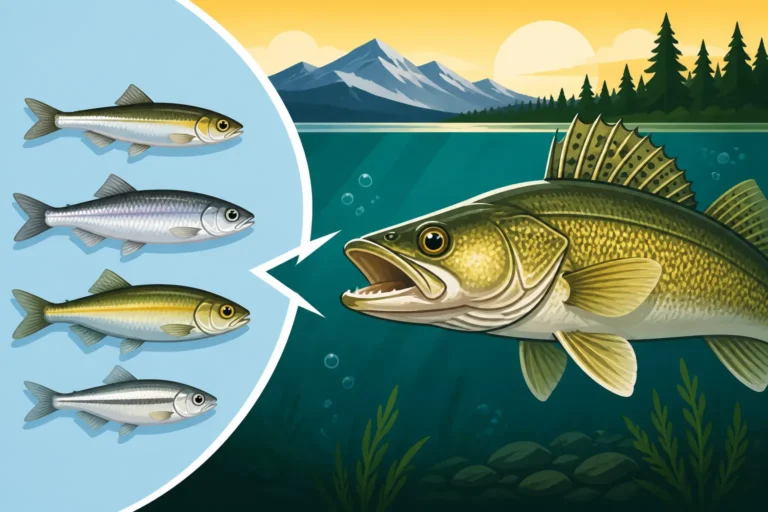
| Lake Whitefish | Open water, feed on plankton | Crucial forage base; commercially important; large schools | Trolling/jigging; important for ecological balance |
| Longnose Sucker | Bottom dweller, varied habitats | Native species, indicator of ecosystem health; forage fish | Often caught incidentally; fascinating native inhabitant |
The Magnificent Lake Trout
If there's one species that truly embodies the wild spirit of Lake Athabasca, it's the lake trout. This lake is legendary for producing some of the largest lake trout in Alberta, making it a bucket-list destination for many trophy hunters. These fish thrive in the deep, cold, oxygen-rich waters that Athabasca provides, growing to truly immense proportions over many decades. Anglers often recount stories of multi-day trips specifically targeting these giants, using heavy gear and specialized techniques to plumb the depths.
What makes the Athabasca lake trout "unique" isn't just their size, but the challenge they present and the pristine environment they inhabit. Catching one of these ancient predators is an experience steeped in wilderness. They are powerful fighters, demanding respect and often requiring careful handling for a successful release. You can delve into more detail about them in Lake Trout Fishing in Alberta and learn about How deep lake trout go in summer. Their presence here speaks volumes about the health and productivity of this incredible lake.
Northern Pike: The Freshwater Shark
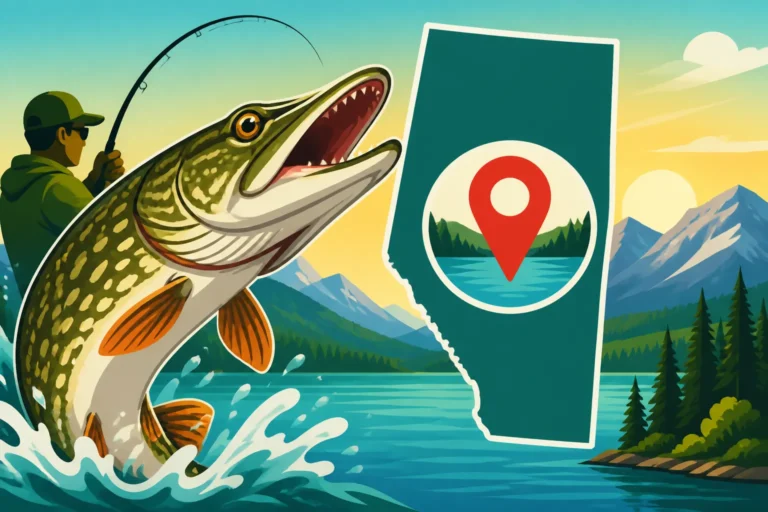
Another dominant and truly impressive species in Lake Athabasca is the northern pike. These voracious predators absolutely thrive in the lake's extensive shallow, weedy bays, river deltas, and tributary mouths. Lake Athabasca is renowned for producing trophy pike that can stretch well over the 40-inch mark, with some truly gargantuan specimens being reported. Their aggressive nature and explosive strikes make for incredibly exciting fishing, whether you're casting big spoons and crankbaits or even targeting them on the fly.
The uniqueness of Athabasca's pike population lies in their sheer abundance and the potential for catching truly world-class fish. They are powerful, resilient, and an integral part of the lake's food web. Anglers often speak of the adrenaline rush of a big Athabasca pike tearing line off their reel. Like the lake trout, these pike are a testament to the rich forage and expansive, healthy habitat available in this northern giant. If you're planning a trip, be sure to check out Northern Pike Fishing in Alberta for more tips on landing these beauties.
Walleye: A Prized Catch
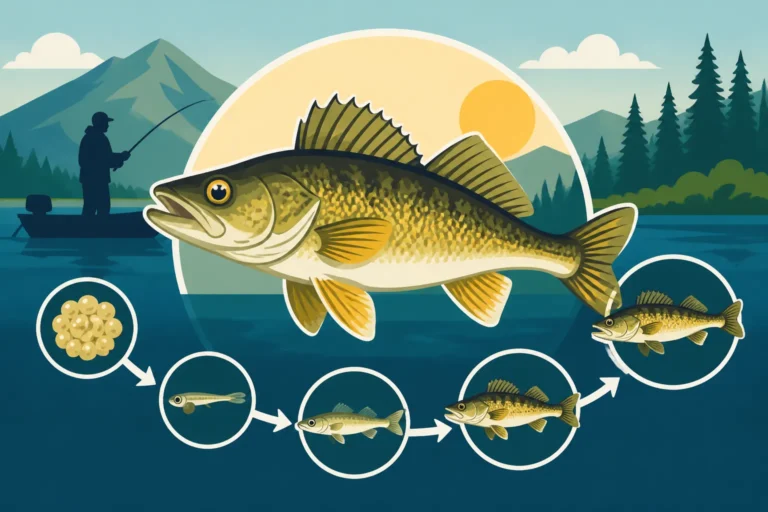
While perhaps not reaching the mythical sizes of the lake trout or pike, the walleye population in Lake Athabasca is incredibly robust and highly prized, especially near the river inflows and in more turbid sections. Walleye are a favourite among many anglers for their delicious taste and consistent action. They tend to congregate in certain areas, making them a fantastic target for those who prefer to fish with jigs, bottom bouncers, or crankbaits.
The walleye here represent a healthy, sustainable population, benefiting from the nutrient-rich waters flowing into the lake. While they might not be "unique" in the sense of being found only here, their contribution to the overall fishery and the culinary delight they offer make them a standout species for many visitors. Knowing their preferred habitats and feeding patterns is key, as they can be a bit more elusive than the aggressive pike. It's a fantastic fishery for them, and one that many anglers cherish.
Arctic Grayling: The Sailfin of the North
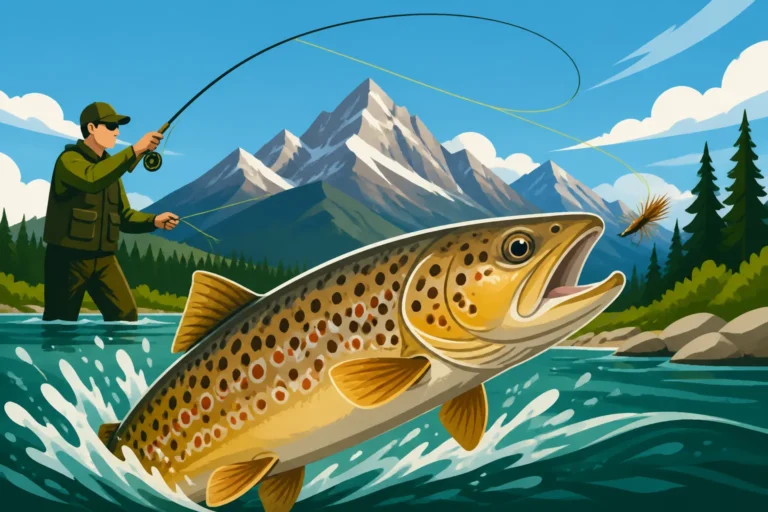
While perhaps more associated with the cold, clear tributaries flowing into Lake Athabasca rather than the main lake body itself, the Arctic Grayling is an undeniably "unique" and precious species in this northern region. Known for its stunning, sail-like dorsal fin and iridescent colours, the grayling is a true indicator of pristine, healthy northern waters. These fish are generally smaller than trout or pike, but they offer an incredibly rewarding fly-fishing experience.
Catching an Arctic Grayling in the waters connected to Lake Athabasca is a special moment. They are sensitive to habitat changes and require very clean, cool water to thrive. Their presence underscores the wild and untamed nature of the Athabasca region. Anglers often speak of the delicate beauty of these fish and the serene experience of targeting them. Understanding their specific habitat needs is crucial for their conservation. Learn more about them in Arctic Grayling in Northern Alberta Rivers and What Arctic grayling look like and where they live.
Conservation and Future of Lake Athabasca's Fish
The magnificent fish populations of Lake Athabasca, while resilient, are not immune to environmental pressures. Their long lives and often slower growth rates mean they can be particularly vulnerable to overfishing or habitat degradation. Therefore, understanding and adhering to conservation efforts and regulations is paramount to ensuring these "unique" fisheries remain vibrant for generations to come. Alberta's fishing regulations are designed to protect these valuable resources.
Anglers have a crucial role to play in conservation. Practicing catch-and-release, especially for the larger, older trophy fish that are vital for spawning, helps sustain the populations. Using proper handling techniques, such as keeping fish in the water as much as possible, minimizing handling time, and using appropriate landing nets, significantly increases their survival rates. Every angler who ventures to Lake Athabasca becomes a steward of its incredible natural heritage.
Responsible Angling Practices
Responsible angling goes beyond simply following the rules; it's about adopting a mindset that prioritizes the health of the fishery. For Lake Athabasca's iconic species, this means a few key practices:
- Know the Regulations: Before you even cast a line, ensure you fully understand the current Alberta Fishing Regulations Explained for Lake Athabasca, including bag and possession limits, size restrictions, and season dates. These can vary significantly by species and location within the lake. Ignoring these rules not only risks penalties but also directly harms fish stocks.
- Practice Catch and Release Judiciously: While keeping a fish for the table is part of the experience, consider releasing larger, older fish, especially lake trout and pike. These "brood stock" are crucial for the reproductive health of the population. Using circle hooks and de-barbing hooks can make releases easier and less harmful. Consider reading up on Alberta Catch and Release Only Waters for general best practices, as the principles apply across the board.
- Minimize Your Impact: Pack out everything you pack in. Avoid introducing invasive species by cleaning your boat and gear thoroughly before and after visiting the lake. Be mindful of fragile ecosystems, particularly around spawning areas or sensitive shorelines. Your presence should leave no trace.
By being thoughtful and proactive, you contribute directly to the longevity of this incredible resource.
Protecting Sensitive Populations
Some species, even those abundant in Lake Athabasca, can have sensitive populations that require extra care. For instance, while Arctic Grayling are found in the region, their specific habitat requirements in clean, cold water make them vulnerable to environmental changes. Understanding where these more sensitive species exist, and adjusting your fishing approach accordingly, is a sign of a truly dedicated and responsible angler.
Moreover, while Lake Athabasca's large system helps protect against localized issues, broader environmental concerns such as climate change, industrial development, and pollution can have far-reaching impacts. Supporting conservation initiatives and being informed about the health of the watershed are ways to ensure that these "unique" populations continue to thrive. The future of fishing in Lake Athabasca depends on all of us working together to protect this magnificent natural treasure.
Disclaimer
This article is for general informational purposes only and does not constitute professional advice. Laws, prices and regulations vary by location and change over time. Consult a qualified professional for guidance on your specific situation.