Best technique for fan casting a new lake
Stepping onto the shore of a brand-new lake or launching your boat onto unfamiliar waters can feel daunting. You're faced with endless possibilities and no clear idea of where the fish might be hiding. It's a common frustration for many anglers in Alberta, but this guide is here to introduce you to the tried-and-true strategy of fan casting, a method that empowers you to efficiently explore and unlock the secrets of any new fishing spot.
Understanding Fan Casting: Your Search Pattern for New Waters
When you're faced with a vast expanse of water and no intel, it's easy to feel overwhelmed. Where do you even begin? That's where fan casting comes in – it's less about guessing and more about strategically surveying the underwater landscape until you hit paydirt. Think of it as painting a picture with your casts, systematically covering every inch of a promising area.
What is Fan Casting and Why it Works
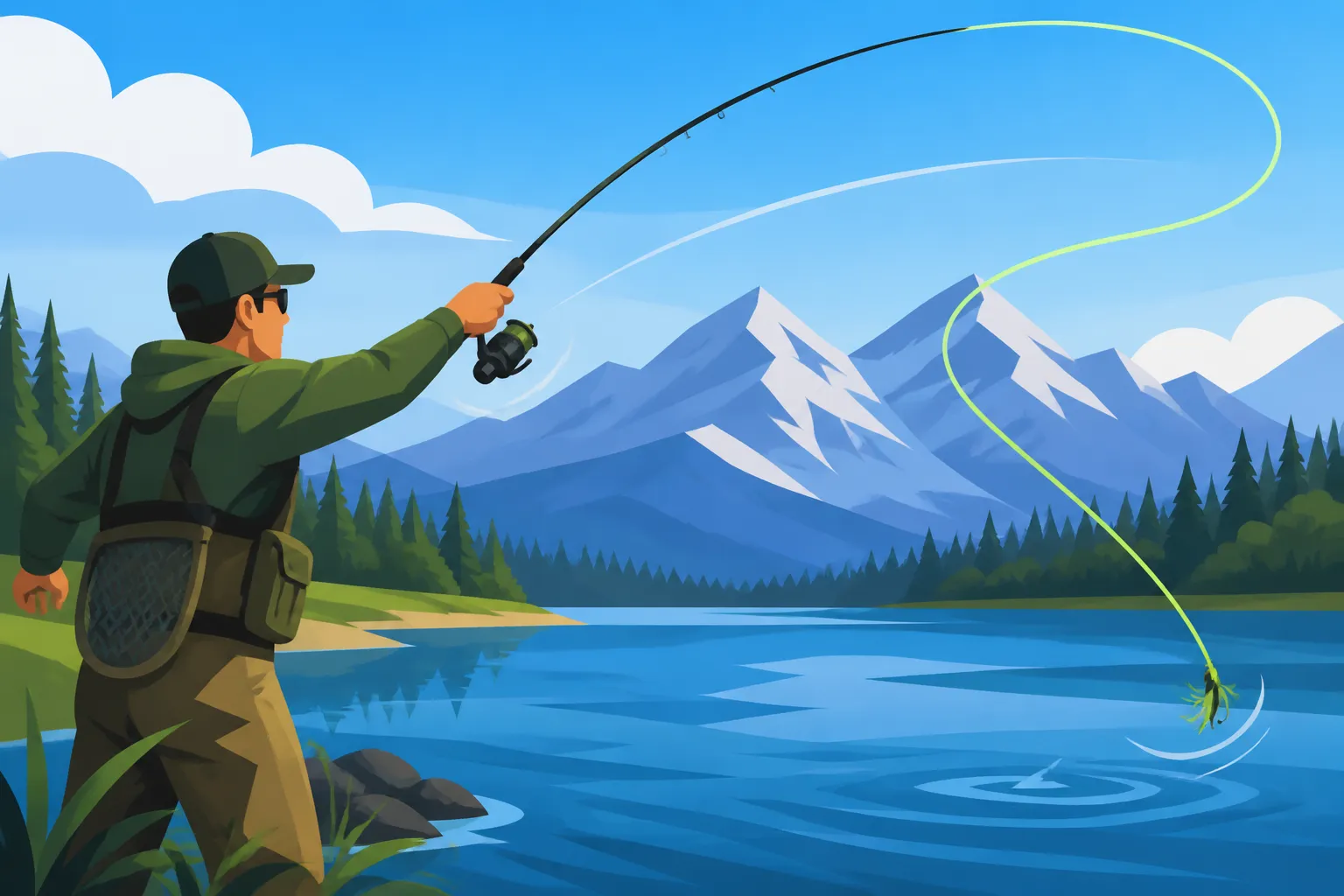
At its heart, fan casting is a technique where you make a series of casts in a wide, fan-shaped pattern from a single stationary position. Instead of blindly throwing your line in the same direction repeatedly, you meticulously cover an arc of water, usually around 90 to 180 degrees, incrementally moving your target point with each subsequent cast.
Why is this so effective, especially on an unknown Alberta lake? Well, fish aren't evenly distributed. They relate to structure, depth changes, weed lines, drop-offs, and cover. When you don't know where that structure is, fan casting allows you to search for it. You're essentially dragging a net through the water with your lure, probing different depths and horizontal stretches until you feel a bump, snag a weed, or, ideally, get a bite. This systematic approach saves you precious time and effort by helping you eliminate unproductive water quickly and zero in on the areas where fish are actively feeding or holding. It's a fundamental skill, whether you're chasing walleye on Lesser Slave Lake or scouting for pike in a new provincial park.
The Mindset of a "First-Time Explorer"
Approaching a new body of water with the right mindset is almost as important as the technique itself. You need to channel your inner explorer – curious, patient, and adaptable. Don't expect to hook a trophy on your first cast (though it does happen sometimes, and that's pure magic!). Instead, view each cast as a piece of the puzzle, a data point that tells you something new about the lake.
Embrace the process of discovery. You might feel a subtle change in bottom composition, snag on an unseen log, or briefly feel your line tick a weed bed. These are not failures; they are clues! They tell you where the underwater features are, even if you can't see them. Be prepared to switch lures, adjust retrieve speeds, and move spots if necessary. The thrill isn't just in catching fish; it's in deciphering the lake's secrets and understanding why fish are where they are. This patient, investigative approach will make you a much more effective angler in the long run.
Executing the Fan Cast: Step-by-Step for Alberta Lakes
Once you understand why fan casting is so valuable, the next step is to master how to do it effectively. It's a fluid process that combines deliberate casting with constant observation.
Choosing Your Starting Point and First Cast
Your initial position is key. Whether you're standing on the bank, wading into a river, or sitting in your boat, try to pick a spot that offers a decent vantage point and allows you to cover a significant area. Look for any visible clues: a point extending into the water, a distinct weed line, an old submerged log, or even just a subtle change in the shoreline. If there's a strong wind, consider how it will affect your cast and your boat's drift.
Your very first cast should typically be a "feel-out" cast. Often, anglers will start by casting straight out perpendicular to their position, or slightly to one side of their intended fan arc. This allows you to immediately gauge the depth, the presence of any immediate snags, and the approximate bottom type directly in front of you. Once that first cast is retrieved, you'll start to define your arc.
The Arc and the Retrieve: Covering Water Effectively
Now for the fanning part! From your initial position, make your next cast a few degrees to one side of your previous one. Retrieve your lure, paying close attention to what you feel. Then, cast a few more degrees over, and repeat. You're systematically moving your casting angle, much like the spokes of a fan, until you've covered a full segment of water, often a 90 to 180-degree sweep.
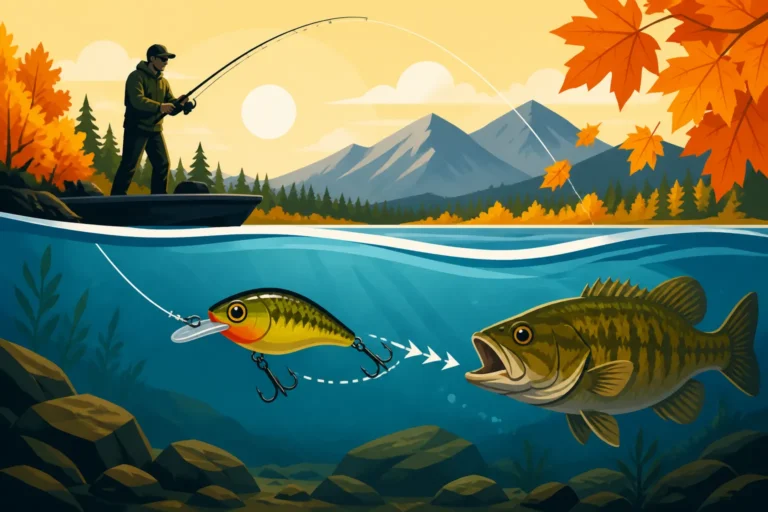
As you cast, vary your retrieve. One cast might be a steady retrieve to check the mid-depths, while the next could involve letting your lure sink longer to explore the bottom, or twitching it back to imitate an injured baitfish. Different lures are designed to work at different depths and speeds, so don't be afraid to experiment. When you're searching for fish on a new Alberta lake, a good starting point might be a lipless crankbait or a casting spoon, as they allow for long casts and cover water quickly. Many anglers find a wide selection of these versatile lures on Amazon, perfect for stocking up before a new lake adventure. Remember, the goal is to present your lure through as much different water as possible within that arc. You might discover that the fish are holding shallower than expected, or deeper than you initially thought.
Moving and Adapting Your Fan
Once you've completed a full "fan" from your initial spot, it's time to re-evaluate. Did you get any bites? Did you feel any interesting structure? If you had success, focus more casts in that specific area – perhaps making smaller, more concentrated fan casts. If not, it's time to move!
Take a few steps down the shoreline, or reposition your boat a short distance, and start the fan casting process all over again. Keep moving and fanning until you start finding clues or catching fish. This iterative process of cast, retrieve, move, and repeat is fundamental to breaking down a large, unknown body of water. Over time, you'll start to build a mental map of the lake, understanding where the fish might be based on the features you've uncovered. This strategy is excellent for exploring potential Best Shore Fishing Spots in Alberta.
Gear and Lures for Fan Casting Success on Unfamiliar Alberta Lakes
Having the right tools for the job can make a huge difference when you're trying to figure out a new lake. Versatility and efficiency are key.
Versatile Rod and Reel Setups
For fan casting, you want a setup that can handle a variety of lures and casting distances, and that gives you good feel for what's happening underwater. A medium-heavy spinning or baitcasting combo is often ideal. This kind of setup provides enough backbone to cast heavier "search lures" a good distance, while still being sensitive enough to detect subtle bites or changes in bottom composition.
For line, many experienced Alberta anglers opt for braided line as their main line due to its strength, sensitivity, and casting distance, usually paired with a fluorocarbon leader. The fluorocarbon leader offers invisibility in clear water and some abrasion resistance, which is handy when you're probing unknown territory. For those just getting started, a Best Rod and Reel Combo for Beginners can be a great investment, offering a balanced setup that's ready for action. You can often find durable and high-performing combos on Amazon that will serve you well across many different fishing scenarios.
"Search" Lures: What to Tie On First
When you're trying to locate fish on an unfamiliar lake, you need lures that actively search the water column, covering ground quickly and getting noticed. These are often referred to as "search baits."
Here’s a quick rundown of some excellent choices for fan casting in Alberta:
| Lure Type | Best Use Case for Fan Casting | Key Characteristics |
|---|---|---|
| Lipless Crankbait | Covering large areas, moderate depths, active fish, varying retrieve speeds. | Rattles, sinks fast, casts far, good vibration. |
| Spinnerbait | Fishing around weeds, cover, shallower water, attracting aggressive fish. | Flash, vibration, weedless design, good for reaction bites. |
| Casting Spoon | Deep water, long casts, vertical jigging, imitating dying baitfish. | Heavy, simple, casts very far, erratic flutter on fall. |
| Swimbait (soft) | Realistic presentation, shallow to mid-depth, subtle action for less aggressive fish. | Soft plastic, lifelike profile, varying retrieve options. |
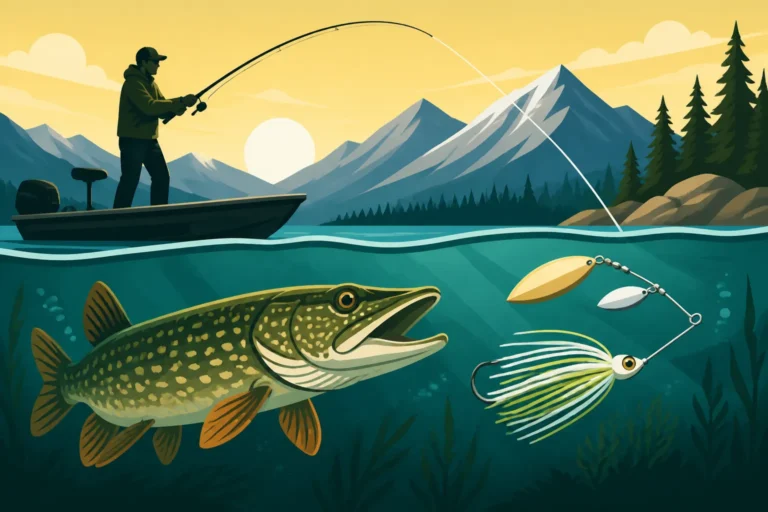
Casting spoons, like a classic Len Thompson, are fantastic because they cast a mile and have an irresistible wobble. Lipless crankbaits, such as those from Rapala or Strike King, are great for covering a lot of water horizontally and vertically, with their loud rattles attracting fish from a distance. Spinnerbaits are excellent for shallower, weedier areas where you suspect pike or larger walleye might be lurking. Experiment with different colors based on water clarity: natural colours for clear water, and brighter, more aggressive patterns for stained or murky conditions. Having a versatile selection means you're prepared for whatever a new lake throws at you. For more ideas on what works for common Alberta species, check out Best Tackle for Alberta Walleye or Best Pike Gear for Alberta Lakes.
Essential Tools for Exploration
Beyond your rod and reel, a few key tools will significantly aid your fan casting efforts on a new lake.
First and foremost, a fish finder is invaluable. Whether it's a portable unit or one mounted on your boat, a good Best Fish Finders for Alberta Lakes will give you eyes below the surface. It can reveal depth changes, submerged structure, and even show you schools of baitfish or game fish, allowing you to refine your casting strategy to those specific depths.
Secondly, a good map of the lake, whether paper or digital, is your best friend. Many provincial park lakes have publicly available depth charts. These maps can highlight contours, drop-offs, and points that you might not detect with your lure alone. Combine this visual information with your fan casting "feel" to create a more complete picture.
Finally, polarized sunglasses are a must. They cut glare, allowing you to peer into the water and spot visible structure like submerged logs, rocks, or weed beds, especially in shallower areas. A quality pair can really elevate your ability to read the water, and you'll find a wide selection of styles and price points on Amazon.
Reading the Water: Beyond the Cast
Fan casting isn't just about throwing your lure out repeatedly; it's a dynamic process of observation and interpretation. The water itself, and your interaction with it, provides a wealth of information.
Observing Subtle Clues
When you're exploring a new lake, your eyes should be constantly scanning for clues. Are there birds diving into the water, indicating baitfish schools? Do you see baitfish jumping near the surface, or ripples from larger fish feeding? Pay attention to the types of weeds you see, or if there's any surface activity like insect hatches that might suggest where trout are feeding.
Even on shore, look for signs. Steep banks might indicate deeper water close to shore, while a gently sloping beach suggests a long, shallow flat. Wind direction and strength can push baitfish into certain areas, concentrating predators. Every small detail you observe above the water can inform where you should direct your next fan cast below the surface. This keen observation is a crucial element, especially when trying to understand How to Catch Walleye in Alberta or How to Catch Northern Pike in Alberta.
Interpreting Your Lure's Feedback
Your lure isn't just for catching fish; it's also your underwater sensor. As you retrieve, pay close attention to the feel of the lure. Does it suddenly get heavier? You might have hit a weed line. Does it bounce or click? You're likely feeling rocks or gravel. Does it stop dead? That's a snag – which means there's structure there, good or bad!
These sensations tell you about the bottom composition and the presence of cover. If you repeatedly hit rocks in a certain area, you've identified a rocky bottom, which might hold smallmouth bass or lake trout. If you're consistently snagging weeds, you've found a weed bed, a prime hangout for pike and walleye. Learning to interpret these subtle cues will help you build that mental map of the lake and understand the hidden topography that attracts fish. Don't be afraid to experiment with different retrieve speeds and lure types to get a better "feel" for the terrain.
The Power of Patience and Persistence
Discovering a new lake's fishing hot spots through fan casting isn't always an instant gratification game. It demands patience and persistence. You might make dozens of casts without a single bite, but each one contributes to your understanding of the water. Don't get discouraged!
Celebrate the small victories: the first time your lure bumps a promising drop-off, the moment you mark fish on your sonar, or even just identifying a consistent weed line. These are all steps towards unlocking the lake's potential. The more time you spend systematically exploring, observing, and adapting, the better your chances of finding those elusive honey holes. Remember that every lake has its own rhythm, and it takes time to learn it. So, grab your gear, be patient, and enjoy the adventure of discovery on Alberta's incredible waters. It's often the diligent, persistent angler who reaps the greatest rewards. Before heading out, make sure you're up to date on your provincial requirements by consulting Reading the Alberta Guide to Sportfishing Regulations.
Disclaimer
This article is for general informational purposes only and does not constitute professional advice. Laws, prices and regulations vary by location and change over time. Consult a qualified professional for guidance on your specific situation.