Alberta record lake trout weight
The dream of hooking a true monster lurks in the heart of every angler, a fish so immense it transcends a good day on the water and becomes the stuff of legend. For many, that pinnacle is the Alberta record lake trout, a creature of staggering proportions that showcases the incredible potential of our province's deep, cold waters. This guide will take you on a journey to explore the details of this iconic catch, unveil the secrets of where these colossal lakers reside, share proven strategies for those who dare to chase their own trophy, and outline the essential steps to follow should you ever be lucky enough to haul in a potential record-breaker.
The Unforgettable Alberta Lake Trout Record: A Glimpse into History
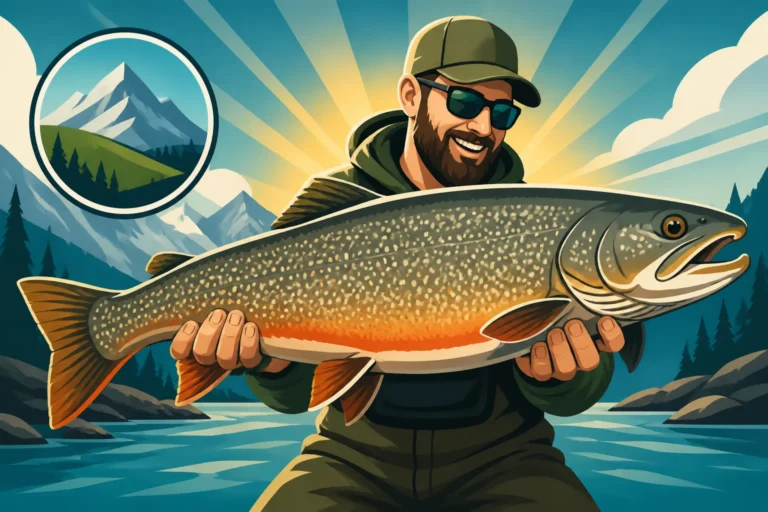
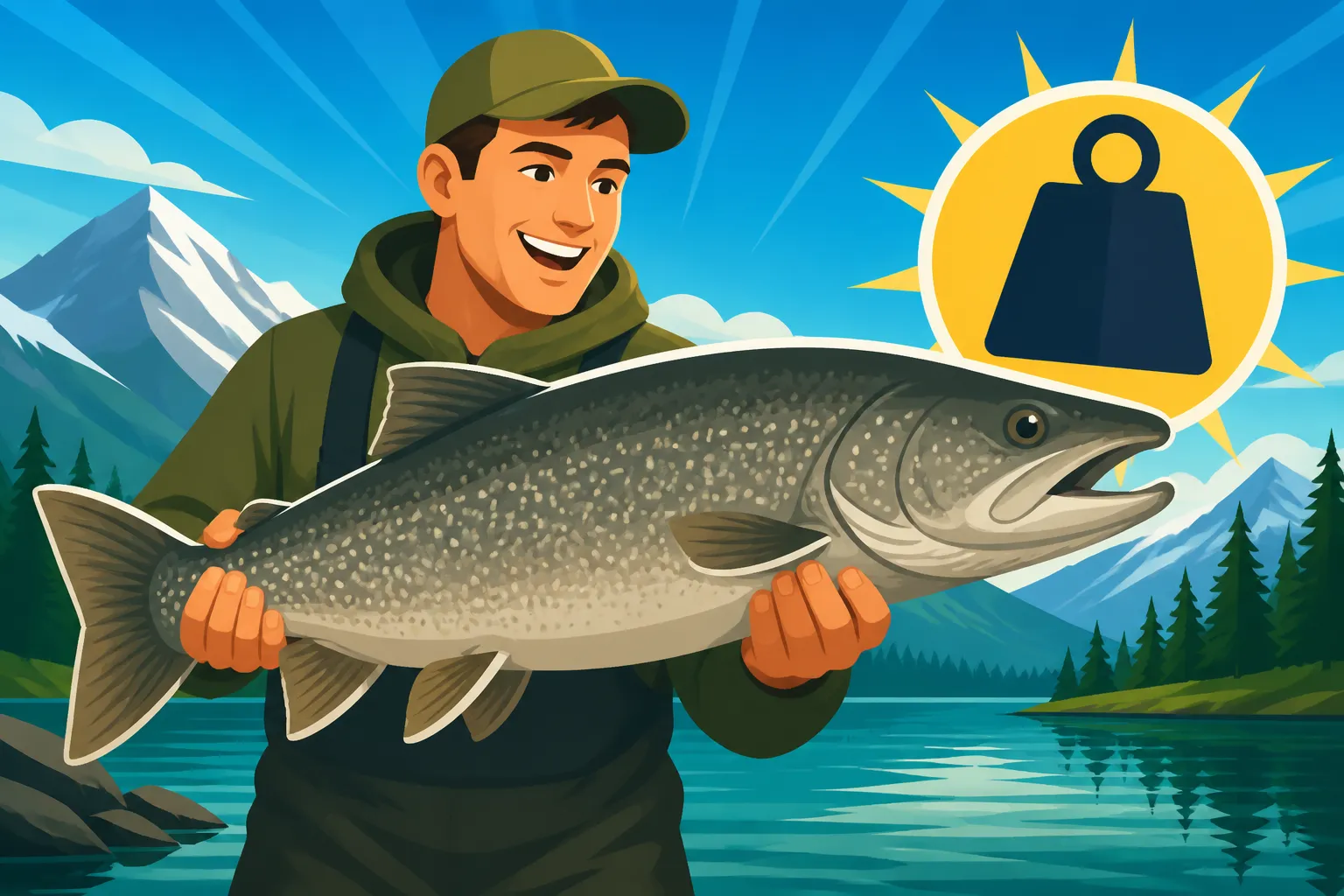
Imagine the scene: a quiet day on a vast, deep lake, the kind where you truly feel dwarfed by nature's grandeur. Suddenly, your rod bends in a way it never has before, the drag screams, and a battle of epic proportions begins. This is the scenario that unfolded for the angler who caught Alberta's official record lake trout, a fish that weighs in at an astounding 52 pounds, 8 ounces. This truly magnificent specimen wasn't just a big fish; it was a testament to the thriving, cold-water ecosystems found in some of Alberta's most northern and deepest lakes.
This record, a beacon of what's possible in Alberta's diverse fisheries, was established by Fred Garde at Lake Athabasca, a colossal body of water that straddles the border between Alberta and Saskatchewan. For many years, this record has stood as the ultimate benchmark for lake trout enthusiasts, inspiring countless trips north in pursuit of their own giants. Catching a lake trout of this size isn't just about skill; it's about patience, being in the right place at the right time, and having the right gear to handle such an immense powerhouse. It’s a moment that can redefine an angler’s entire life, transforming a fishing trip into an indelible memory etched forever in the province's angling history. Alberta Provincial Fish Records by Species provides a broader look at all the incredible fish caught here.
The Angler Behind the Legend
Fred Garde's name is synonymous with this record, and rightly so. While the exact details of that day might be lost to time for many, the achievement itself speaks volumes. It wasn't a fluke; it was the culmination of dedication and an understanding of where these giants lie. Such a catch demands not only strong lines and powerful rods but also an unwavering determination to see the fight through. The sheer strength of a 50-plus pound lake trout is something few anglers ever get to experience, and it takes a special blend of angling prowess and sheer grit to bring such a fish to the boat.
The Significance of the Record Weight
A 52-pound, 8-ounce lake trout is not just big; it's monumental. To put it in perspective, the average lake trout in many Alberta waters might range from a few pounds up to 15 or 20 pounds. To double or even triple that size signifies a fish that has lived for many, many years, avoiding predators and anglers alike, feasting in the rich waters of its habitat. It represents a mature apex predator, a true king of its domain. This record also highlights the health and productivity of the specific waters it came from, reminding us of the importance of conservation efforts to protect these incredible fisheries for future generations. Understanding Lake Trout Average Size in Alberta Lakes can really help appreciate how massive this record fish truly was.
Alberta's Prime Waters for Monster Lake Trout
When you talk about lake trout in Alberta, especially those with the potential to approach or even surpass the provincial record, a few names immediately come to mind. These aren't just any lakes; they are vast, deep, and often remote bodies of water that provide the ideal habitat for lake trout to grow to truly colossal sizes. The cold, oxygen-rich depths, abundant forage, and sheer expansiveness of these aquatic environments create perfect conditions for these long-lived fish.
Cold Lake: A Southern Goliath
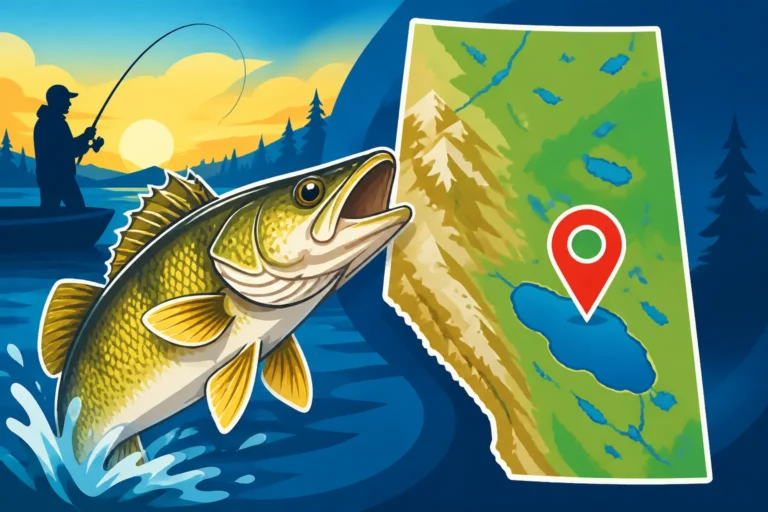
If there’s one lake in Alberta that consistently produces huge lake trout, it's Cold Lake. Located on the eastern side of the province, straddling the Saskatchewan border, Cold Lake is incredibly deep, reaching depths of over 200 meters (around 670 feet) in some areas. These depths remain consistently cold, even in the height of summer, which is crucial for lake trout. The lake is also home to abundant forage fish, allowing lakers to grow rapidly. Anglers regularly pull out lake trout weighing in the 20 to 40-pound range, and whispers of even larger fish are common. Cold Lake Lake Trout Fishing is a testament to its reputation. Fishing here often involves specialized deep-water trolling gear and heavy downriggers to reach the thermocline where these giants lurk during warmer months.
Lake Athabasca: Home of the Record
As the very lake where the provincial record was set, Lake Athabasca undeniably holds the potential for another world-class catch. It's the eighth-largest lake in Canada and the largest in Alberta and Saskatchewan, covering an immense area with incredible depths. Its remote, northern location means less fishing pressure in some areas, allowing fish to grow undisturbed for extended periods. Access to Lake Athabasca can be more challenging than Cold Lake, often requiring flights into remote camps or long journeys by boat, but the rewards can be truly spectacular. Trophy hunters understand that sometimes, the biggest fish are found where fewer people tread. For more on this incredible fishery, check out the Lake Athabasca Fishing Guide.
Other Promising Deep-Water Lakes
While Cold Lake and Lake Athabasca are the undisputed champions for trophy lake trout, other deep and cold lakes in Alberta also hold potential. Lesser Slave Lake, for example, while primarily known for its walleye, also boasts deep sections where lake trout can be found. Smaller, often remote, alpine lakes in the mountains might also hold surprisingly large lakers, though these are typically smaller on average than their prairie lake counterparts due to less prolific food sources and shorter growing seasons. Exploring a List of Alberta stocked trout lakes might even reveal a hidden gem that has been quietly growing its own giants.
Strategies for Landing a Trophy Lake Trout
Chasing a provincial record lake trout isn't like casting for rainbows in a stocked pond. It requires specialized techniques, heavy-duty gear, and a deep understanding of lake trout behavior. These ancient fish are often found in deep, cold water, and targeting them effectively means adapting your approach to their habitat and feeding patterns. Success often hinges on persistence, preparation, and a willingness to learn from every moment on the water.
Deep Water Trolling: The Go-To Method
For large, deep lakes like Cold Lake and Lake Athabasca, deep water trolling is arguably the most effective technique for consistently targeting big lake trout. This involves covering large expanses of water at slow speeds, presenting lures at specific depths where the fish are holding.
- Gear for Trolling: You'll need stout rods designed for trolling, typically 7-9 feet long with a medium-heavy to heavy action, paired with robust baitcasting reels capable of holding hundreds of yards of heavy monofilament or braided line. Downriggers are often essential to get your lures down to depths of 50 to 150 feet or more, where the big lakers prefer to ambush their prey. Lead core line is another option for achieving depth without downriggers, though it requires a different setup.
- Lure Selection: Large spoons, deep-diving crankbaits, and even large swimbait imitations of baitfish are common choices. Colors can vary, but silver, blue, white, and chartreuse are often productive, mimicking the ciscoes, whitefish, and other forage fish that trophy lake trout feed on. You can find a vast selection of these lures on Amazon, perfect for experimenting with different patterns and sizes. Trolling Techniques for Alberta Lake Trout offers more in-depth advice.
- Targeting Depth and Structure: Lake trout often relate to underwater structure such as humps, points, drop-offs, and old river channels. Using a good fish finder is crucial for identifying these features and tracking the thermocline (the layer of water where temperature changes rapidly) where lake trout are most active, especially in summer.
Jigging for Deep-Water Lunkers
When lake trout are concentrated in specific areas, especially during cooler months or over distinct structures, vertical jigging can be incredibly effective. This method involves dropping heavy jigs or spoons directly over fish or structure and working them up and down to entice a strike.
- Jigging Gear: Heavy spinning or baitcasting setups are used, with braided line to minimize stretch and maximize sensitivity in deep water. Jigs can range from 1 to 4 ounces or more, often tipped with a piece of bait or a plastic grub.
- Finding the Fish: Again, a fish finder is your best friend. Look for schools of baitfish and the larger arches representing lake trout just above or within these schools. Ice fishing is a prime time for vertical jigging, allowing anglers to precisely position their offerings over specific structure. For winter, consider Best Techniques for Ice Fishing Lake Trout.
- Presentation: A slow, methodical lift-and-drop motion is often best, punctuated by pauses. Lake trout can be curious, and sometimes a simple dead stick approach will trigger a strike when active jigging fails.
Seasonal Considerations for Big Lakers
Lake trout behavior changes significantly with the seasons.
- Spring: Post-spawn lake trout can be found shallower as the ice comes off, often chasing baitfish in cooler surface waters. Trolling shallower depths with spoons or even casting large swimbaits can be productive.
- Summer: As surface waters warm, lake trout retreat to the deepest, coldest parts of the lake, often relating to the thermocline and deep structure. This is prime time for downrigger trolling or deep jigging. Knowing How deep lake trout go in summer is key.
- Fall: As water temperatures cool down, lake trout become more active and will often move shallower again, especially as they approach their spawning season. They are aggressively feeding, making them highly catchable.
- Winter: Ice fishing for lake trout is incredibly popular, especially on Cold Lake. Anglers use heavy jigs, large spoons, and dead sticks with bait, often setting up over deep humps or drop-offs.
From Hook to History: Certifying Your Potential Record Catch
The moment you land a truly massive lake trout, your heart pounding with adrenaline, it's easy to get caught up in the excitement. But if you suspect you've caught a provincial record, or even a local lake record, there are crucial steps you need to follow immediately to ensure your catch can be properly certified. Failing to follow these protocols can unfortunately disqualify your magnificent fish from the record books, no matter how big it truly was.
Immediate Actions for a Potential Record
First and foremost, keep the fish alive if possible. If it's truly a potential record, officials will want to verify its species and condition. Handle the fish gently with wet hands or a wet net to protect its slime coat. If you have a livewell, place it there. If not, minimize its time out of water.
Next, measure and photograph the fish thoroughly.
- Length and Girth: Use a flexible tape measure to get accurate measurements of the fish's total length (from tip of nose to tip of tail) and girth (around the thickest part of its body). Take multiple measurements to ensure accuracy.
- Photographs: Take clear, well-lit photos of the fish from multiple angles, especially alongside a ruler or measuring tape to provide scale. Include photos with the angler, and photos showing any unique identifying marks.
Accurate Weighing is Paramount
This is where many potential records fall short. Your home bathroom scale or basic portable fishing scale simply won't cut it.
- Certified Scale: The fish must be weighed on a scale that has been certified by a reputable authority, such as Weights and Measures Canada, or by a certified weighmaster at an official weigh station. Many larger tackle shops, marinas, or even local grocery stores (with a certified meat scale) can often assist. Call ahead to confirm they have a certified scale and are willing to weigh your fish.
- Zeroing the Scale: Ensure the scale is properly zeroed with any container or sling you might use to hold the fish during weighing.
- Witnesses: Have at least two credible witnesses present during the weighing process. Their testimony will be invaluable during certification.
- Proof: Get a dated receipt or a written statement from the facility where the fish was weighed, including the scale's certification details and the signatures of the weighmaster and witnesses.
Submitting Your Application
Once you have all your documentation, you'll need to contact Alberta Environment and Protected Areas (or the relevant provincial authority for sportfishing records) to obtain their official record application form.
- Complete the Form: Fill out the application completely and accurately, providing all requested details about the catch, date, location, angler, witnesses, and equipment used.
- Attach Documentation: Include all your photographs, measurement details, and the certified weight documentation.
- Species Identification: Be prepared to have the species officially identified, sometimes requiring a fin clip or a qualified fisheries biologist's examination. This is especially important for trout species where identification can be tricky, such as differentiating a true lake trout from other char species or hybrids. For example, knowing How to tell a bull trout from a lake trout is vital.
- Wait for Review: The process can take some time as officials review all the evidence. Patience is key!
While catching a record-breaking lake trout is a rare feat, being prepared for that possibility means you won't miss the chance to cement your name in Alberta's angling history. Having reliable gear, like scales you might research on Amazon for accuracy (though always confirm official certification for a record attempt), is a good first step towards being prepared. The journey to a record is a combination of passion, skill, and a little bit of luck!
Disclaimer
This article is for general informational purposes only and does not constitute professional advice. Laws, prices and regulations vary by location and change over time. Consult a qualified professional for guidance on your specific situation.