The largest lake trout ever caught in Alberta
Chasing giant lake trout across Alberta’s massive, frigid waters can feel like an exercise in chasing ghosts. Endless hours spent trolling cold, deep structure often leave even experienced anglers wondering whether the legendary giants of local lore actually exist or if they are just campfire stories. This comprehensive guide breaks down the true story behind the largest lake trout ever caught in Alberta, details the legendary waters that foster these prehistoric monsters, and provides the exact tactics you need to target trophy fish on your next northern expedition.
The Legendary Record: Unpacking Alberta’s Largest Lake Trout
Every angler in Western Canada has heard whispers about colossal lake trout pulled from glacial depths, but official province records separate actual catches from tall tales. Unraveling the history of these behemoths requires looking at the specific bodies of water that possess the biological engine needed to grow fish past the fifty-pound mark. Understanding the benchmark catch offers a fascinating glimpse into what is ecologically possible in Alberta’s cold-water fisheries.
Historical Details of the Benchmark Catch
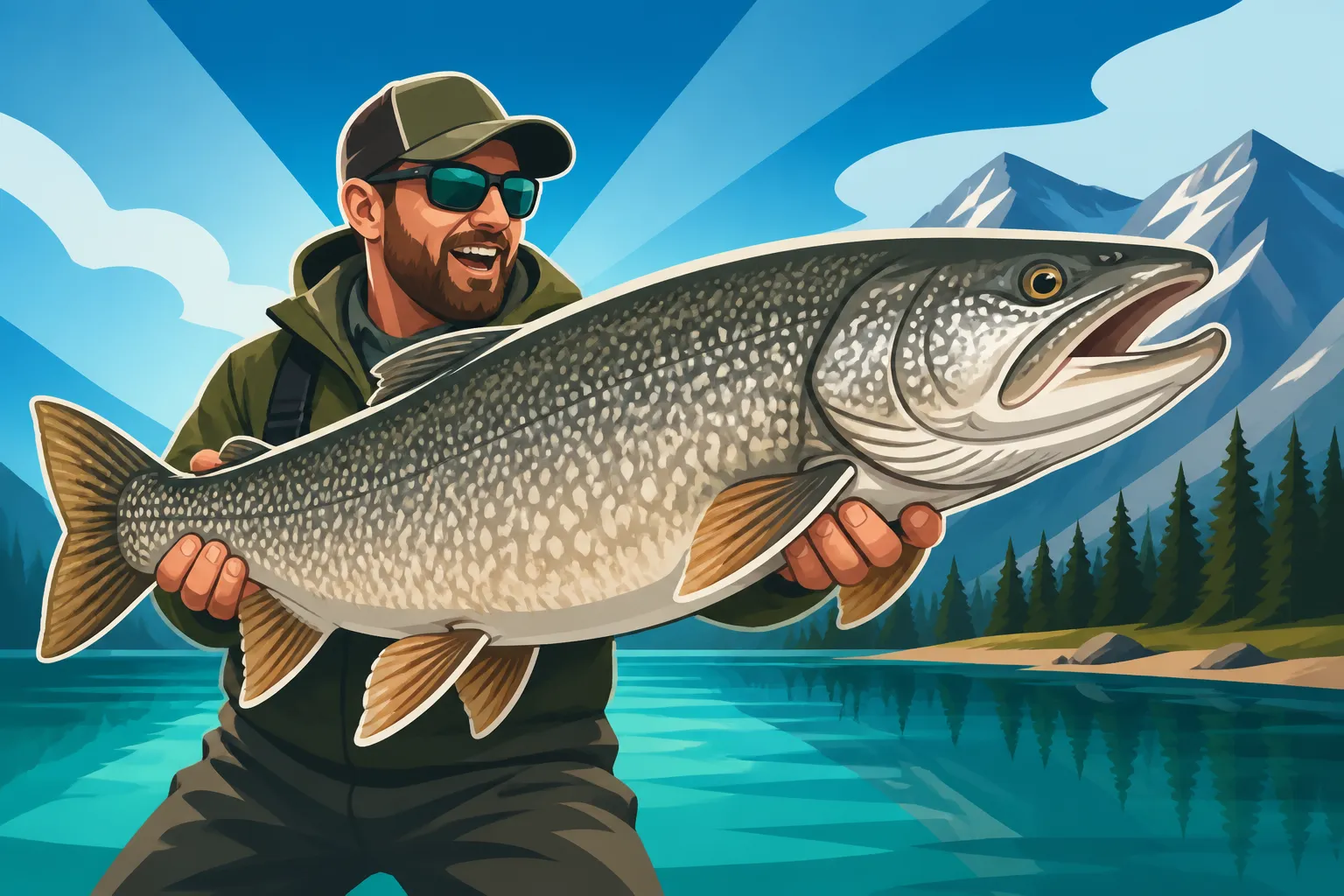
The official province record for lake trout stands as a monumental achievement in Canadian freshwater angling. Caught decades ago in the pristine, windswept northern reaches of Lake Athabasca, the record-setting lake trout weighed in at an astounding 52 pounds, 8 ounces. While anglers frequently debate whether larger fish have been netted during fisheries research or lost at the side of the boat, this specific catch remains the official benchmark registered in the provincial archives.
To put a 52-pound lake trout into perspective, a fish of this magnitude is typically older than the angler who catches it. In cold northern ecosystems, lake trout grow at an agonizingly slow pace—often adding less than a pound a year once they reach maturity. When you review the Alberta record lake trout weight, you are looking at a living historic artifact that survived decades of harsh winters, changing baitfish cycles, and open-water predation. Knowing that fish of this caliber have inhabited our provincial waters drives endless trips up north every season.
Why Cold Lake and Lake Athabasca Produce Giants
Not every lake in Alberta has the physical parameters required to rear trophy Salvelinus namaycush. Lake Athabasca and Cold Lake stand out as the two crown jewels for monster lake trout, largely due to their vast water volumes, extreme depth, and rich forage bases. You can explore deep options further in our Lake Athabasca Fishing Guide to see how its northern geography creates the ideal environment for extreme longevity and size.
Cold Lake, straddling the border between Alberta and Saskatchewan, provides hundreds of feet of abyssal habitat where water temperatures remain hovering near four degrees Celsius year-round. This thermal stability allows lake trout to minimize their metabolic stress during hot summer months. Combined with abundant populations of cisco, lake whitefish, and sculpin, these deep basins function as natural weight-gaining factories. Anglers planning a trip to the region often check out Cold Lake Lake Trout Fishing parameters to understand how these seasonal thermoclines dictate where giant trout suspend.
TABLE PLACEHOLDER – REPLACED WITH GFM PIPE TABLE BELOW IN TEXT
Biological Factors and Conditions for Trophy Growth
Understanding why a lake trout reaches record-breaking proportions requires looking beneath the surface at water chemistry, temperature, and feeding habits. Lake trout are relentless opportunists, but their growth is strictly bound by environmental constraints. If water temperatures rise even slightly above their comfort zone, their metabolism speeds up, burning critical energy that would otherwise go toward growth.
Age, Diet, and Deep Water Habitat Requirements
A lake trout does not hit fifty pounds by eating tiny aquatic insects. In their juvenile years, trout feed on invertebrates and smaller benthic organisms, but to cross the threshold into trophy status, they must transition to a high-fat piscivorous diet. Cisco (lake herring) and lake whitefish are the primary high-calorie prey items that fuel massive growth in northern systems.
Deep water access is equally critical. During mid-summer, surface waters warm up significantly, pushing lake trout into deep bathymetric trenches and drop-offs. If you are curious about depth dynamics, learning How deep lake trout go in summer helps explain why fish retreat to depths between 70 and 150 feet. At these depths, light is limited, and water pressure is immense, requiring specialized electronics and heavy gear to successfully present a lure.
How Cold Water Systems Sustain Longevity
The secret ingredient to producing record-setting fish is time. Unlike warm-water species like pike or walleye, which mature rapidly and have shorter lifespans, lake trout can live for well over forty to fifty years in cold, nutrient-rich environments. The cold water acts as a fountain of youth by slowing down cellular aging and metabolic turnover.
However, this slow growth rate makes trophy populations exceptionally fragile. A thirty-pound trout caught today may have been spawned during the middle of the last century. If an angler harvests a mega-giant, that apex predator cannot be replaced quickly. This biological reality has driven a strong conservation ethic among modern trophy hunters, with many choosing to quickly photograph and release these prehistoric fish to preserve the genetic potential of the fishery.
Tactical Blueprint: Gear and Methods for Monster Lake Trout
Targeting fish that dwell in dark, deep trenches requires an analytical approach to terminal tackle, boat control, and presentation. Standard bass or walleye tackle will fail catastrophically when hooked into a heavy lake trout pulling against heavy line in deep water.
Trolling and Deep Water Rigging Strategies
Trolling downriggers or heavy copper and leadcore lines is the primary method for searching vast open water basins. When setting up a boat for deep trolling, having robust rod holders and specialized terminal gear is essential. Many anglers spend hours searching online retail hubs like Amazon to source heavy-duty line counters, braided backing, and heavy ball weights needed to hold bottom at high trolling speeds.
When trolling for monster trout, lure choice generally revolves around large flasher-and-fly combinations, heavy brass spoons, or large swimbaits that mimic cisco. If you want a deeper dive into terminal rigs, read our guide on Trolling Techniques for Alberta Lake Trout to refine your speed and depth control. The key is trolling at precise speeds—usually between 1.5 and 2.2 miles per hour—to give heavy spoons a wide, sweeping thud that triggers aggressive strikes from suspended fish.
Ice Fishing for Deep Water Predators
When winter seals Alberta’s lakes under three feet of solid ice, targeting trophy lake trout shifts from horizontal trolling to precise vertical jigging. Ice fishing for giant lake trout is arguably one of the most thrilling experiences in northern sportfishing, as strikes often occur in clear view of high-definition sonar screens.
Anglers drop heavy white tube jigs, airplane jigs, or large metal spoons directly into deep bathymetric holes. Reviewing Best Techniques for Winter Lake Trout can help you refine your jigging cadence when working heavy lures through the ice column. It is common to mark a monster fish fifty feet down, draw it up thirty feet with a rapid ripping retrieve, and trigger a violent hookup right beneath the ice hole.
To withstand the freezing temperatures and manage heavy ice gear, anglers frequently browse Amazon for reliable portable fish finders, heavy-action ice rods, and heated gloves before making long runs onto the ice sheet.
Premier Waters and Record-Chasing Regulations
If you are serious about pursuing the next provincial record lake trout, you must align your strategy with local harvest limits and environmental regulations. Knowing where to go is only half the battle; knowing how to fish those waters legally and ethically ensures the sustainability of these world-class fisheries.
Navigating Special Limits and Conservation Rules
Because lake trout take decades to reach trophy size, management agencies implement strict length and bag limits across different management zones. Cold Lake, for example, features specific regulations designed to protect adult spawning stock while allowing limited harvest of smaller, more abundant cohorts. Check the Alberta Lake Trout Limit on Cold Lake rules before heading out to make sure your fish cooler remains fully compliant with provincial law.
In addition to catch limits, proper handling equipment is non-negotiable. Large lake trout brought up from deep water can suffer from barotrauma if pulled up too quickly. Carrying a proper venting tool or heavy rubber landing net—items easily ordered via Amazon—can mean the difference between a successful release and a dead fish. Always minimize out-of-water time, especially during hot summer afternoons or freezing winter days, to give these ancient predators the best chance of survival.
Summary Comparison of Alberta Trophy Waters
Selecting the right destination depends on the style of fishing you prefer, whether that means remote fly-in access or launching a heavy boat at a paved provincial park ramp. The table below outlines key features of Alberta’s premier lake trout fisheries to help you plan your next record-chasing trip.
| Waterbody | Region | Primary Access Type | Typical Trophy Depth Range | Key Forage Species |
|---|---|---|---|---|
| Lake Athabasca | Far North (Zone NB1) | Remote / Fly-in / Boat | 40 – 120 Feet | Cisco, Lake Whitefish, Sculpin |
| Cold Lake | Eastern Alberta (Zone ES1) | Paved Ramps / Public Marina | 60 – 150 Feet | Cisco, Yellow Perch, Sculpin |
| Peerless Lake | North Central Alberta | Gravel Launch / Forest Access | 30 – 80 Feet | Whitefish, Stickleback, Cisco |
| Minnewanka Lake | Rocky Mountains (National Park) | Public Boat Launch (Restricted) | 50 – 120 Feet | Rocky Mountain Whitefish, Chubs |
When preparing your vessel or ice gear for these challenging environments, outfitting your setup with modern electronics is critical. Reading up on the Best Fish Finders for Alberta Lakes will give you a clear advantage when trying to pinpoint tight schools of baitfish and deep-dwelling predators across expansive basins.
Curious about how large these fish can get in specific bodies of water? Understanding How big lake trout get on Cold Lake gives you realistic expectations for what a solid twenty- or thirty-pound fish looks like on the scale. While breaking the historic 52-pound provincial record is a daunting challenge, every drop of a jig or pass of a downrigger ball in Alberta’s deep waters holds the potential to hook a truly historic fish. Pack your heavy gear, double-check your terminal knots, and spend time on the water—the next giant lake trout is waiting down in the dark.
Disclaimer
This article is for general informational purposes only and does not constitute professional advice. Laws, prices and regulations vary by location and change over time. Consult a qualified professional for guidance on your specific situation.