Kananaskis Lakes Fishing Guide
The majestic peaks and crystal-clear waters of Kananaskis Country offer some of Alberta's most breathtaking scenery, but fishing these pristine lakes can feel daunting if you're not prepared. Many anglers arrive eager to cast a line, only to find the sheer beauty doesn't automatically translate into a full creel. This comprehensive guide is here to cut through the confusion, helping you understand the unique challenges and incredible rewards of fishing Kananaskis Lakes so you can confidently plan your next mountain angling adventure.
Understanding Kananaskis Country's Unique Fisheries
Kananaskis Country isn't just a place; it's an experience. Nestled in the front ranges of the Canadian Rockies, this vast recreational area boasts an array of lakes and streams that draw anglers from all over. However, these aren't your typical prairie potholes. The high-altitude, glacier-fed waters present distinct conditions that influence fish behavior, water clarity, and temperature, making it a truly unique challenge. The environment here demands a specific approach, from the gear you choose to the techniques you employ.
The Different Kananaskis Lakes for Anglers
When we talk about "Kananaskis Lakes," we're really talking about a collection of distinct water bodies, each with its own character and fishing opportunities. Knowing which lake you're heading to can significantly impact your success.
The Upper and Lower Kananaskis Lakes are often referred to as the heart of the region's lake fishing. These are large, deep, and often windy glacial lakes, popular for their stunning views and resident trout populations. Access is relatively easy, with good roads leading right to them and several boat launches. Anglers here often target rainbow trout and cutthroat trout, which thrive in the cold, oxygen-rich waters. The sheer size of these lakes means fish can be spread out, requiring patience and sometimes a boat to cover water effectively. On particularly blustery days, shore fishing can be a real test of endurance, so always check the forecast.
Further north along Highway 40, Barrier Lake is another popular spot, often one of the first Kananaskis lakes to thaw out in the spring. This is a man-made reservoir, generally shallower than the Kananaskis Lakes proper, and it's well-known for its abundant brook trout and rainbow trout. It’s a fantastic lake for beginners or families, often providing consistent action, especially from shore. The relatively easy access and picturesque surroundings make it a regular stop for many. It's also a popular spot for kayaking and canoeing, so be mindful of other users.
Perhaps the most dramatic and challenging is the Spray Lakes Reservoir. This massive, finger-shaped lake stretches for miles, nestled between towering mountains. It’s often buffeted by strong winds, making boating a serious consideration. Spray Lakes is home to lake trout, rainbow trout, and cutthroat trout, with the lake trout often growing to impressive sizes in its deep, cold waters. Access involves a gravel road that can be rough in spots, and boat launches are limited. It’s a true mountain lake experience, demanding respect and preparation, but offering the chance at a truly memorable catch.
While these are the main, most accessible lakes, Kananaskis Country also holds smaller, more remote alpine lakes like Chester Lake or Rawson Lake (near Upper Kananaskis Lake). These usually require a hike to reach and often contain smaller, wild-reproducing populations of cutthroat or brook trout. These are often designated as "walk-in" fisheries, meaning motorboats are prohibited, offering a truly tranquil experience for the adventurous angler. Always consult the latest Alberta Guide to Sportfishing Regulations for specific rules on these smaller gems, as they can differ significantly.
Species You'll Find and What Makes Them Thrive Here
Kananaskis Country is a trout angler's paradise, primarily due to the cold, clean, and highly oxygenated water that flows from the surrounding glaciers and snowmelt. Each species has adapted to these conditions in its own way, offering diverse angling experiences.
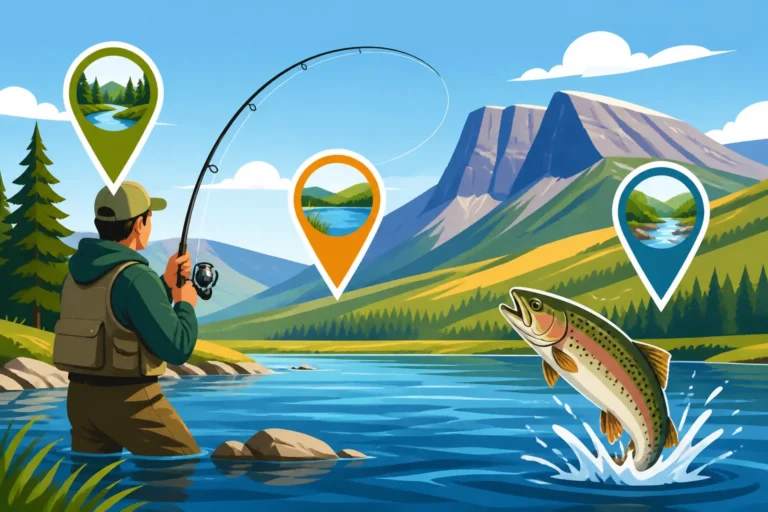
Rainbow Trout are perhaps the most common and widely distributed trout species in the region's lakes. Stocked regularly in many Kananaskis lakes, they are known for their feisty fight and willingness to strike a variety of lures and flies. They thrive in the cold, clear water, feeding on insects, small fish, and zooplankton. Their vibrant colors make them a beautiful catch, and they’re a favorite target for both bait and fly anglers. You'll find them in Barrier Lake, Upper and Lower Kananaskis Lakes, and Spray Lakes Reservoir.
Cutthroat Trout, particularly the Westslope Cutthroat, are native to these mountain streams and lakes and are highly prized. They get their name from the distinctive red or orange slash under their jaw. These fish are often found in the higher elevation lakes and streams and are known for being surface-oriented, making them a prime target for dry fly anglers. They can be a bit more finicky than rainbows, requiring a delicate presentation in the clear waters. The preservation of Cutthroat Trout in Alberta's Mountain Streams is a significant conservation effort, and anglers are encouraged to practice strict catch and release when targeting them.
Lake Trout are the apex predators of the deeper, colder lakes, most notably in Spray Lakes Reservoir and sometimes in the deeper sections of the Kananaskis Lakes. These powerful fish can grow to impressive sizes, living long lives in the frigid depths. They are slow-growing and primarily feed on smaller fish, making them a challenging but rewarding target. Their iridescent, mottled patterns help them camouflage perfectly in the rocky underwater structures. Catching a trophy lake trout often requires specialized gear and techniques, like deep trolling or jigging.
Brook Trout are a beautiful, colorful species often found in Barrier Lake and some of the smaller, high-alpine lakes. Though typically smaller than other trout, they are aggressive eaters and can provide consistent action, especially for light tackle or fly fishing. They prefer cool, clear water with plenty of cover, like submerged logs or undercut banks. Their distinctive worm-like markings on their back and the bright orange fins with white leading edges make them instantly recognizable.
Finally, the elusive Bull Trout is another native species, but they are critically important and highly protected. Alberta has a strict Alberta Bull Trout Zero Possession Rule in place for most waters, including Kananaskis, meaning any bull trout caught must be immediately and carefully released. These impressive predators are characterized by their large heads, pale spots on a dark body, and yellowish-orange lower fins. If you happen to hook one, knowing How to Catch Bull Trout and Release Them Safely is paramount to their survival. It’s a rare and special encounter that reminds us of the wild beauty of Kananaskis.
Essential Gear and Tackle for Kananaskis Waters
Fishing in Kananaskis isn't just about showing up; it's about being prepared for mountain conditions and clear water. Your gear needs to be up to the task, durable enough to handle rocky terrain and capable of presenting baits or flies subtly to often wary trout. Skimping on the right equipment can quickly turn a fantastic outing into a frustrating one.
Rods, Reels, and Line for Mountain Trout
For the spinning angler, versatility is key. A good medium-light to medium action spinning rod, typically in the 6 to 7-foot range, will serve you well for most Kananaskis lakes. This length provides enough casting distance for shore fishing and sufficient backbone to handle a feisty rainbow or cutthroat. Pair it with a reliable spinning reel in the 2000-3000 size, spooled with 6-8 lb monofilament or fluorocarbon line. Monofilament offers good knot strength and shock absorption, while fluorocarbon is nearly invisible underwater, a definite advantage in the ultra-clear Kananaskis waters. Some anglers prefer braided line for its sensitivity and casting distance, but it's crucial to use a fluorocarbon leader (4-6 lb test) to fool wary trout.
If you're a fly angler, a 4-weight or 5-weight fly rod, 8.5 to 9 feet long, is your workhorse for rainbows and cutthroats on these lakes and smaller streams. This setup offers the delicacy needed for dry fly presentations and enough power for nymphing or throwing small streamers. For the larger lake trout in Spray Lakes Reservoir, you might consider stepping up to a 6-weight or even a 7-weight rod to handle heavier lines and larger flies, especially if you plan on casting bigger streamers or indicator nymphing in deeper water. Floating lines are standard, but a sink-tip or full sinking line can be invaluable for getting flies down to deeper cruising fish, especially later in the season. Consider carrying multiple spools with different line types if you're targeting various depths or species.
Lures, Flies, and Baits That Work Best
The clear water of Kananaskis lakes means presentation often trumps sheer power. Fish are visual hunters here, so subtle and natural presentations are often most effective.
For spinning anglers, smaller, realistic lures are generally the way to go. Spoons like the classic Len Thompson (especially in red/white or five of diamonds patterns) or Little Cleo, in sizes from 1/8 to 1/4 ounce, are consistently effective. Small spinners, such as Mepps or Panther Martin, in silver, gold, or black, are also excellent choices, mimicking baitfish or large aquatic insects. Minnow imitation crankbaits, especially those with natural patterns, can be deadly for aggressive trout. For a more subtle approach, small jigs tipped with a piece of worm, Berkley PowerBait, or scented soft plastics can entice finicky fish. Bright colors can work on overcast days or in slightly stained water, but natural tones often perform better in the usual clear conditions. Remember, many Kananaskis waters, especially those with sensitive native populations, require Alberta Barbless Hook Requirement Waters to minimize harm to released fish. Always pinch down your barbs!
Fly anglers have an endless array of choices, but some patterns are consistently productive. For surface feeders, dry flies like Parachute Adams, Elk Hair Caddis, or small Stimulators imitate the abundant insect life. When fish are feeding subsurface, nymph patterns like Copper Johns, Prince Nymphs, or Pheasant Tail Nymphs in various sizes (14-18) are indispensable. Streamers, mimicking baitfish, can be very effective for larger trout and lake trout. Woolly Buggers (black, olive, or white) are a perennial favorite, as are Sculpzillas or Clouser Minnows. Don't forget leeches; balanced leeches under an indicator or stripped slowly can be incredibly productive, especially for lake trout and larger rainbows. Having a diverse fly box that covers different depths and insect stages is crucial for success on these waters.
For bait fishing, worms (dew worms or nightcrawlers) are a universal favorite and often successful when fished under a float or on the bottom with a minimal weight. PowerBait in various colors (chartreuse, rainbow, pink) is also a staple for stocked trout. Remember that in many Kananaskis waters, live bait restrictions might apply, so always check the regulations carefully before you head out.
Mastering Kananaskis Fishing Techniques
The stunning backdrop of Kananaskis Country means nothing if you can't get your line in the water effectively. The clear, cold conditions, coupled with sometimes unpredictable weather, require a thoughtful approach to technique. It’s not just about what you throw, but how you throw it and where.
Shore Fishing and Wading Strategies
Many anglers start their Kananaskis adventures from shore, and it can be incredibly productive, especially on lakes like Barrier Lake or parts of Upper and Lower Kananaskis Lakes. When shore fishing, observation is key. Look for structure: submerged rocks, logs, drop-offs, or areas where streams feed into the lake. These are natural holding spots for trout. Casting parallel to the shore, especially near visible weed lines or rocky points, can also be very effective as fish often patrol these areas.
Stealth is your friend in these clear waters. Approach the water's edge slowly and try to keep a low profile. Long casts are often necessary to reach fish without spooking them. When using spinning gear, retrieve your lure with varying speeds and pauses to imitate natural prey. For bait fishing, a simple slip-float setup allows your bait to drift naturally at a set depth. Alternatively, a bottom rig with a small weight and a floating PowerBait or worm can keep your offering just above the bottom, where trout often feed.
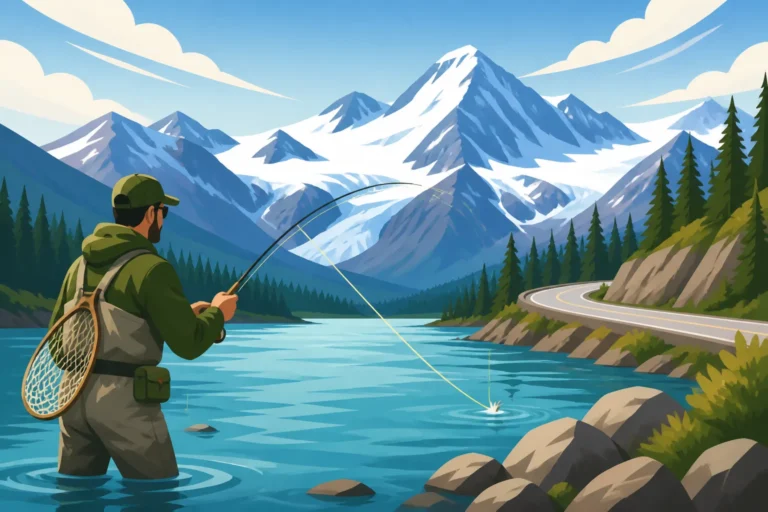
Wading is another fantastic way to access more water, particularly on the shallower edges or where streams enter the lakes. However, safety is paramount. The bottom can be very rocky and slippery, and the water can be deceptively cold and fast-moving, even near the shore. Invest in a good pair of Best Waders for Alberta Trout Rivers and wading boots with proper grip. A wading staff can provide extra stability and help you probe the depth before stepping. Always wade with a buddy, if possible, and be aware of potential deep drop-offs. In high mountain streams, Wading Techniques for Alberta Trout Rivers are especially important to protect yourself and the delicate riverbed.
Boat and Float Tube Considerations
For accessing the deeper sections of larger lakes like the Kananaskis Lakes or Spray Lakes Reservoir, a boat or float tube becomes essential. This allows you to cover more water, target offshore structure, and escape the crowds that can sometimes gather in accessible shore areas.
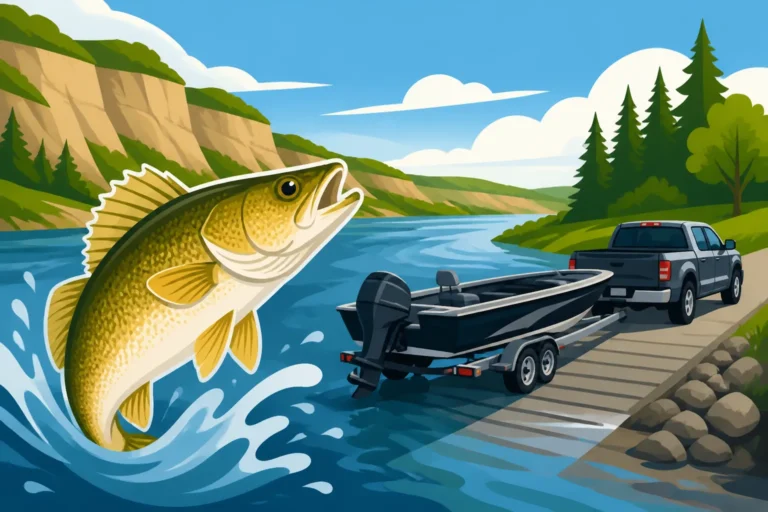
Boats, from small aluminum fishing boats to larger pleasure craft, are common. For general use on these lakes, a smaller boat (12-16 feet) with a reliable outboard is often sufficient. Ensure your boat is properly equipped with all required safety gear, including life jackets for everyone on board. Remember, you might need an Alberta Pleasure Craft Operator Card Requirement to legally operate a motorized boat. Launches are available at Barrier Lake and on the Kananaskis Lakes, but be prepared for potential wind and wave conditions, especially on Spray Lakes Reservoir, which can be notoriously rough. When targeting lake trout, trolling with specialized gear at varying depths is a common and effective technique. Using a fish finder to locate schools of baitfish or underwater structure can dramatically increase your success.
Float tubes and pontoon boats offer a more intimate, quiet way to fish, allowing you to access areas that might be too shallow for a motorboat or too far to cast from shore. They are perfect for still-water fly fishing or getting into those quiet coves. Ensure you wear a proper personal flotation device (PFD) – don't just have it in the boat, wear it! The water in Kananaskis is frigid year-round, and an unexpected dip can quickly become life-threatening. Always check wind forecasts before heading out, as strong winds can make it incredibly difficult to paddle back to shore. Many anglers choose to use fins with their waders to help propel them.
When boating or using a float tube, remember that the fish can be anywhere from shallow bays to deep main lake basins. Trolling small spoons or minnow plugs is effective for covering water and locating active fish. For deeper fish, vertical jigging with spoons or heavy jigs can entice strikes. If you're fly fishing from a boat, anchoring on a promising weed line or drop-off and casting parallel can be very productive.
Fly Fishing Nuances for Clear Mountain Streams and Lakes
Fly fishing in Kananaskis is a truly special experience, demanding a blend of finesse, observation, and adaptability. The clear, cold waters mean trout are often wary and require a delicate presentation.
When fishing streams and river sections that flow into or out of the lakes, such as parts of the Kananaskis River, dry fly fishing can be exhilarating. Matching the hatch is critical; observe what insects are flying around and choose a fly that closely imitates them in size and color. Even if no insects are visibly hatching, prospecting with a general attractor pattern like a Stimulator or Royal Wulff can often draw a strike. In moving water, focus on seams, eddies, and pocket water where trout can ambush prey without fighting strong currents. Upstream presentations, allowing your fly to drift naturally without drag, are usually most effective.
For stillwaters, especially on lakes like Barrier Lake or Upper Kananaskis Lake, a variety of techniques can work. Nymphing under an indicator is a staple, allowing you to present nymphs at specific depths. Adjust your leader length and weight to match the depth where fish are feeding. Balanced leeches or bloodworms suspended under an indicator are incredibly effective for rainbows and brook trout. Stripping streamers slowly along drop-offs or weed lines can entice larger, more aggressive trout. Look for cruising fish, especially in the shallower bays during morning or evening, and cast ahead of them to intercept their path. The challenge and reward of fly fishing in these stunning surroundings are what keep many anglers coming back year after year.
Navigating Regulations and Conservation in Kananaskis
Alberta's fishing regulations are designed to protect and sustain our incredible fish populations, and this is especially true in sensitive areas like Kananaskis Country. Ignoring these rules isn't just illegal; it can harm the very resources we cherish. Always carry a copy of the current Alberta Fishing Regulations Explained – whether physical or digital – and consult it regularly.
Specific Kananaskis Lake Regulations
The Kananaskis region falls within several different fishing zones in Alberta, primarily ES1 (Eastern Slopes 1) and ES2 (Eastern Slopes 2). However, many individual lakes and streams within these zones have special regulations that supersede the general zone rules. These special regulations are often implemented to protect vulnerable native species, manage fishing pressure, or enhance fishing opportunities.
For instance, lakes like Spray Lakes Reservoir and Upper/Lower Kananaskis Lakes may have specific season dates that differ from other waters in the same zone, as well as unique catch limits for different species. It's common to find sections that are "catch and release only" for certain species (like Bull Trout) or for all species, as well as "single barbless hook" requirements. Barrier Lake, while generally more lenient, still has specific bait and hook restrictions at times. Always verify the regulations for the exact body of water you plan to fish before you even leave home. This might involve checking the Alberta Guide to Sportfishing Regulations or using the MyWildAlberta app, which provides up-to-date information. Missing details like the Alberta Trout Season Opener Dates by Zone can lead to fines and frustration.
A valid Alberta fishing license is always required for anyone aged 16 to 64. You can find detailed information on how to obtain one in the Alberta Fishing License Guide for 2026. Remember that specific exemptions may apply for youth under 16 or seniors over 65, but it's crucial to understand these nuances. Even if you're exempt, you must abide by all other regulations.
Practicing Responsible Catch and Release
Given the pristine nature of Kananaskis waters and the presence of sensitive native species like Bull Trout and Cutthroat Trout, practicing responsible catch and release is not just a suggestion – it's often a legal requirement and always an ethical obligation. High-altitude fish populations are often slower-growing and more vulnerable to overfishing.
Here are key principles for responsible catch and release:
- Minimize Fight Time: Use appropriate tackle to land fish quickly, reducing stress and exhaustion. Prolonged fights, especially on light gear, can kill a fish.
- Use Barbless Hooks: This is often a regulation in Kananaskis and makes hook removal much easier, reducing injury to the fish. If your hooks aren't barbless, pinch the barb down with pliers.
- Handle Fish Gently: Keep the fish in the water as much as possible. If you must remove it for a quick photo, wet your hands first to protect the fish's protective slime coat, and support its body horizontally. Never squeeze the fish or hold it by the jaw vertically.
- Quick Release: Remove the hook quickly using forceps or pliers. If the fish is deeply hooked, cut the line as close to the hook as possible rather than tearing the hook out.
- Revive Properly: Hold the fish gently facing into the current (if in a stream) or move it gently back and forth in still water until it can swim away under its own power. Don't let it go until it's ready.
Many of Kananaskis Country's waters are designated as Alberta Catch and Release Only Waters for all trout species, ensuring the sustainability of these precious wild populations. By following these practices, you help ensure that these incredible fisheries remain vibrant for future generations of anglers.
Seasonal Considerations for Kananaskis Fishing
Kananaskis Country is a four-season playground, but the fishing opportunities change dramatically with the shifting seasons. Understanding these patterns is key to planning a successful trip and knowing what to expect from the fish. The mountain weather is notoriously fickle, so "expect the unexpected" is a good mantra for any Kananaskis adventure.
Spring Thaw to Early Summer Opportunities
Spring in Kananaskis typically means a lot of runoff. As the snow and glaciers melt, rivers and streams swell, often becoming high, cold, and murky. This can make river fishing challenging, if not impossible, in early spring. However, the lakes often become prime targets as they begin to thaw. Lakes like Barrier Lake, being shallower, often open up first, sometimes even in April.
During the spring, trout are often cruising the shallower areas of lakes, eager to feed after a long winter under the ice. This can be a fantastic time for shore anglers, as fish are more accessible. Water temperatures are still very cold, so fish may be lethargic, preferring slower retrieves and presentations. Small spoons, spinners, or jigs tipped with bait like PowerBait or a worm can be highly effective. For fly anglers, subsurface patterns like nymphs, leeches, and chironomids (midges) are excellent choices, often suspended under an indicator. Early spring is also when some of the Best Techniques for Alberta Trout Opener come into play as fish react to the first signs of warmth and increased food availability.
As spring progresses into early summer (May-June), the runoff can intensify, especially with heavy rains. This can make the waters very cold and clear after any debris has settled, requiring even more finesse from anglers. It’s also a time of significant insect hatches, particularly caddis and mayflies, which can lead to incredible dry fly action on calmer days. However, always be prepared for rapid weather changes – a sunny morning can quickly turn into a snowy afternoon, even in June.
Mid-Summer to Fall Peak Fishing
By mid-summer (July-August), the runoff usually subsides, and water levels stabilize. This is when Kananaskis Country is at its most popular, and fishing can be excellent, though often more challenging as fish become highly educated. Surface activity, especially in the mornings and evenings, can be prolific, making it a fantastic time for dry fly fishing. Terrestrials like grasshoppers, ants, and beetles become important food sources, so carrying appropriate imitations is a must.
Trout will often move into deeper, cooler water during the heat of the day, seeking thermal refuge. This is when boats become invaluable for targeting drop-offs, submerged structures, or spring-fed areas. For lake trout on Spray Lakes, this means trolling or jigging deeper. As the water remains clear, long leaders and subtle presentations are still paramount. Strong winds can still be a factor, particularly in the afternoons.
Fall (September-October) often brings some of the most spectacular fishing. Cooler temperatures re-invigorate the fish, and they begin to feed aggressively in preparation for winter. The crowds thin out, and the autumn colors provide a stunning backdrop. Fish often move back into shallower areas, making them more accessible to shore anglers. Streamer fishing can be particularly productive as trout chase larger meals. For lake trout, fall is their spawning season, and while many fisheries are closed to protect them, in open areas, they can be highly active and present a chance for a trophy. Always check regulations as many specific lakes and rivers will have closures or changes in limits during the fall months to protect spawning fish. Early season ice can also become a factor, shortening the open water season in later fall.
Planning Your Kananaskis Fishing Adventure
A successful fishing trip to Kananaskis Country requires more than just knowing where the fish are; it demands careful planning and respect for the mountain environment. From logistics to safety, a little preparation goes a long way.
Access, Amenities, and Local Resources
Access to the main Kananaskis Lakes (Upper, Lower, Barrier, and Spray Lakes Reservoir) is generally via well-maintained highways like Highway 40 and the scenic Spray Lakes Road (a gravel road that can be rough, especially after heavy rain). Roads are typically open from spring thaw until late fall, but closures can occur due to snow or rockslides, particularly in winter. Always check road conditions before heading out, especially for the Spray Lakes Road.
Campgrounds are plentiful in Kananaskis Country, offering various experiences from rustic tent sites to serviced RV spots. Popular campgrounds include those at Barrier Lake, Canyon Campground on Lower Kananaskis Lake, and Spray Lakes Campground. These can fill up quickly during peak season, so reservations are highly recommended, especially for weekend trips. There are also a few lodges and hotels in the area, such as the Kananaskis Mountain Lodge in the village of Kananaskis, offering more upscale accommodations.
For those looking for guidance or to simply make their trip easier, local resources are invaluable. You'll find a few small convenience stores or gas stations in the Kananaskis Village area, but it's best to stock up on groceries, bait, and tackle in larger towns like Canmore or Calgary before you arrive. Outfitters and guide services specializing in Kananaskis fishing can provide invaluable local knowledge, safety equipment, and lead you to the best spots, often with unique experiences like drift boat trips on the Kananaskis River or specialized lake trout charters. Websites like FishingBooker can be a great starting point for finding reputable guides in the region who can provide all the gear and expertise for a memorable outing, especially if you're targeting specific species or are unfamiliar with the unique challenges of mountain fishing. They offer a convenient way to compare options and book a guided trip, taking much of the planning stress off your shoulders.
Safety First: Wildlife, Weather, and Backcountry Preparedness
Kananaskis Country is wild, and that's part of its charm. However, it means you need to prioritize safety.
Wildlife is abundant. You are in bear country (both black and grizzly), so carrying bear spray and knowing how to use it is non-negotiable. Make noise while hiking, store food in bear-proof containers, and never approach wildlife. Elk, deer, and other animals are also common. Always give them space.
Weather in the mountains can change in an instant. A sunny morning can turn into a hailstorm or snow flurry by afternoon, even in summer. Always pack layers of clothing, including waterproof outerwear, regardless of the forecast. Tell someone your itinerary and expected return time. Strong winds can whip up quickly on the large lakes, making boating dangerous. Always check wind forecasts and be prepared to get off the water if conditions deteriorate. Hypothermia is a real risk in the cold waters, so proper clothing and caution are essential.
Backcountry preparedness is crucial, especially if you plan to hike into more remote alpine lakes. Carry a map and compass (and know how to use them), a first-aid kit, extra food and water, a headlamp, and emergency shelter. Cell service can be spotty or non-existent in many areas, so don't rely on your phone for navigation or emergencies. Consider carrying a satellite communication device for true peace of mind.
By respecting the environment, understanding the local regulations, and prioritizing safety, your Kananaskis Lakes fishing adventure can be an unforgettable experience, connecting you with nature in one of Alberta's most stunning landscapes.
| Lake Name | Primary Fish Species | Key Regulations (General) | Typical Access | Best For |
|---|---|---|---|---|
| Upper Kananaskis Lake | Rainbow Trout, Cutthroat Trout, Bull Trout | Special limits, often catch-and-release for Bull Trout, barbless hooks required | Paved road to boat launch and shore access | Fly fishing, scenic views, larger trout |
| Lower Kananaskis Lake | Rainbow Trout, Cutthroat Trout, Bull Trout | Special limits, often catch-and-release for Bull Trout, barbless hooks required | Paved road to boat launch and shore access | Easy access, varied techniques |
| Barrier Lake | Brook Trout, Rainbow Trout | More liberal limits often apply, bait allowed (check specific rules) | Paved road, good shore access, non-motorized boat launch | Family fishing, beginners, consistent action |
| Spray Lakes Reservoir | Lake Trout, Rainbow Trout, Cutthroat Trout | Special limits, often barbless hooks, specific seasons | Gravel road (Spray Lakes Rd), boat launches | Trophy Lake Trout, adventurous anglers |
| Remote Alpine Lakes (e.g., Chester, Rawson) | Cutthroat Trout, Brook Trout | Often walk-in only, catch-and-release, specific seasons | Hiking trails (requires effort) | Wilderness experience, smaller wild trout |
Disclaimer
The information provided in this guide is for general informational purposes only and is not intended as legal advice regarding fishing regulations. Alberta's fishing regulations are subject to change annually and may have highly specific rules for individual water bodies. Always consult the official Alberta Guide to Sportfishing Regulations published by Alberta Environment and Protected Areas (available on the MyWildAlberta website or app) before planning any fishing trip to ensure compliance with the most current laws and regulations. It is the angler's responsibility to know and follow all applicable rules.