Best burbot spots on Lesser Slave Lake
Lesser Slave Lake is a colossal body of water, and trying to find a specific fish like burbot in its vast expanse can feel like searching for a needle in a haystack. Many anglers get frustrated, spending hours drilling holes or cruising aimlessly, only to come up empty-handed. But with the right knowledge of their habits and preferred hangouts, you can dramatically increase your chances. This comprehensive guide will peel back the mystery, helping you pinpoint the best burbot spots on Lesser Slave Lake and ensure your next fishing trip is a success.
Understanding Burbot on Lesser Slave Lake
Before we dive into specific locations, it's crucial to grasp what makes a burbot tick. Often overlooked or misunderstood, these unique freshwater fish, sometimes affectionately called "freshwater cod," have distinct preferences that, once understood, can make all the difference in locating them on a massive lake like Lesser Slave. If you're keen to learn more about this interesting species, our guide on Burbot in Alberta Lakes offers a great overview.
The Elusive "Freshwater Cod"
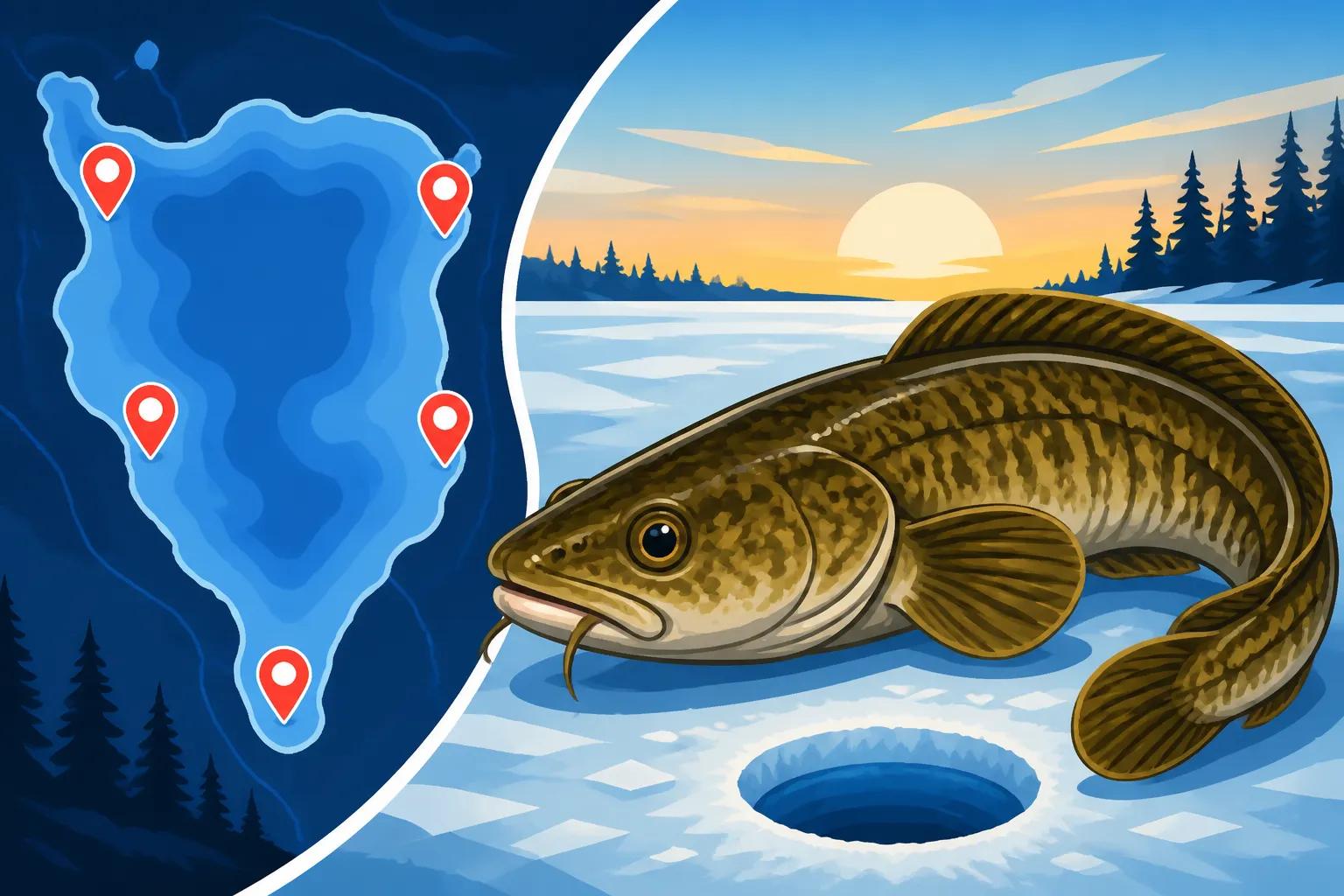
Burbot are fascinating creatures, known for their elongated, eel-like bodies, mottled brown and olive coloration, and a single prominent barbel on their chin, which they use to forage along the lakebed. They're part of the cod family, and like their saltwater cousins, they thrive in cold, deep water. Unlike many other species, burbot are primarily nocturnal, meaning their peak activity often occurs after the sun dips below the horizon. This characteristic alone is a game-changer for anglers targeting them; if you're packing up at dusk, you might be missing the best bite. Their love for the cold means they are an absolute prime target during the ice fishing season on Lesser Slave Lake, when the water column is uniformly chilly, and they feel most comfortable moving about. They are truly one of Alberta's most unique catches, and if you want a visual, our article What burbot look like and where they live provides some great descriptions.
Preferred Habitat and Structure
Burbot aren't keen on shallow, warm water. Instead, they gravitate towards the deeper, cooler sections of Lesser Slave Lake. Think vast, deep basins, pronounced drop-offs, and expansive mud flats. However, it's not just depth that attracts them; it's also the structure found within these deeper zones. They love to ambush prey, so any feature that offers cover or a natural aggregation point for baitfish will draw them in. This includes rocky ledges, underwater humps, submerged timber, and even the deeper edges of healthy weed beds. On Lesser Slave Lake, which has considerable depth and varied bottom contours, these structural elements become critical navigation points for burbot anglers. They'll often hug these features, using them as highways or resting spots during the day and launching pads for their nocturnal feeding forays.
Nocturnal Feeding Patterns
As mentioned, burbot are primarily night hunters. This isn't just a suggestion; it's a fundamental aspect of their biology that dictates fishing success. While you might occasionally hook a burbot during the day, particularly in very deep or dark conditions, your chances skyrocket once darkness falls. They use their sensitive barbels and excellent low-light vision to cruise the lakebed, searching for smaller fish, crustaceans, and other invertebrates. This means that if you're planning a dedicated burbot trip to Lesser Slave Lake, be prepared for some chilly evening and overnight sessions. Investing in proper lighting, a good heater for your ice hut, and a thermos full of hot coffee will make those twilight hours far more comfortable and productive. This nocturnal habit is why ice fishing for burbot is so popular – you can set up camp, stay warm, and fish through the prime nighttime bite without dealing with boat navigation in the dark.
Prime Burbot Locations on Lesser Slave Lake
Lesser Slave Lake is a huge fishery, stretching over 100 kilometers long. Just saying "fish the deep parts" isn't going to cut it. You need more specific guidance. This section will break down the types of areas that consistently produce burbot on this massive body of water. For a broader look at this incredible fishery, check out our Lesser Slave Lake Fishing Guide.
Deep Water Ledges and Drop-offs
These are arguably the most consistent burbot producers on Lesser Slave Lake. Burbot love to transition between different depths, and a sharp drop-off provides a perfect ambush point. They can hang in the deeper, colder water and dart up to shallower shelves to grab unsuspecting baitfish. Look for areas where the depth plunges from, say, 20-30 feet down to 50-70 feet or more. The transition zone itself, particularly at the base of the ledge or where it levels out in the deeper water, is often where burbot cruise.
Using a good sonar unit (especially when ice fishing, a flasher or dedicated ice fishing sonar is invaluable) to locate these contours is essential. Focus on areas where the bottom changes drastically. Sometimes, these aren't massive cliffs but rather subtle, gradual slopes that lead into a deeper basin. The key is finding that distinct change in depth. Areas on the north side of the lake, particularly as you move further east, tend to have some very pronounced drop-offs that are worth exploring.
River Inflows and Outflows
Any large body of water connected to rivers will see fish congregating around those areas, and Lesser Slave Lake is no different. The inflow of rivers like the Swan, Driftpile, and the outflow of the Lesser Slave River are known hotbeds for various species, including burbot. These areas offer several advantages: increased current (even subtle ones under the ice), higher oxygen levels, and a constant influx of baitfish and other forage being washed in.
Burbot will position themselves strategically to intercept this moving buffet. During open water, you might target the edges of these currents where baitfish often hold. In winter, ice anglers should look for locations downstream or offshore from river mouths where the current dissipates, creating a "slack water" zone. These areas tend to concentrate both burbot and their food sources. Just be mindful of ice conditions near river mouths; currents can make the ice thinner and more unpredictable, so always exercise extreme caution.
Submerged Structure and Humps
Beyond the major ledges, Lesser Slave Lake is home to countless submerged humps, rocky shoals, and even old sunken debris from logging operations or storms. These underwater islands and structures are magnets for baitfish, which in turn attract predators like burbot. Finding these can be a bit trickier, requiring careful sonar work or tapping into local knowledge.
If you're out on the open water, mapping software on your fish finder can reveal these hidden gems. When ice fishing, portable sonar units are your best friend. Drill a grid of holes over suspected humps or flats, constantly checking your depth. Once you find a significant piece of structure that rises sharply from the lakebed, you've likely found a burbot highway. For instance, a hump that comes up to 40 feet from a surrounding 70-foot depth is prime real estate. The top of the hump, and especially its edges, are where burbot often stage. These areas are fantastic for a focused approach, and even subtle changes in bottom composition, like a patch of gravel among mud, can be enough to draw in burbot. If you're looking for guided trips to help pinpoint these structures, platforms like FishingBooker can sometimes help connect you with local experts who have years of experience on Lesser Slave Lake.
Seasonal Burbot Fishing Strategies on Lesser Slave Lake
While burbot are present year-round, their catchability and typical locations on Lesser Slave Lake fluctuate with the seasons. Understanding these shifts is key to maximizing your success and avoiding frustrating, fishless days. Our article on Burbot Fishing in Alberta provides a broader context for the province.
Winter Ice Fishing Hotspots
Without a doubt, winter is the prime season for burbot on Lesser Slave Lake. As the lake freezes over, burbot become much more accessible and active, especially as their spawning period approaches (typically late winter, often February and March). This is when they move shallower than their usual deep-water haunts, sometimes holding in depths of 15 to 30 feet, making them easier to target. The stable ice conditions also allow anglers to access vast areas of the lake that are unreachable by boat in other seasons.
Look for them around the deeper edges of major bays, points, and humps that top out in moderate depths. The entire south shore, particularly the eastern half, and areas around Shaw's Point, can be fantastic. However, don't be afraid to venture out towards the central basin if you've got the gear and know-how. Often, the bigger burbot are found deeper. Nighttime fishing is paramount during winter. Anglers will often set up heated ice huts, drill multiple holes, and fish well into the early morning hours. Remember to check ice conditions regularly; safety is paramount, especially on a lake as large and prone to pressure ridges as Lesser Slave. For specific access points, our guide on Best Ice Fishing Access on Lesser Slave Lake can be a huge help.
Open Water Tactics Limited Opportunities
Catching burbot during the open water season on Lesser Slave Lake is less common, primarily because of their deep, cold-water preference and nocturnal habits. It's not impossible, but it requires a more specialized approach and a lot more effort to locate them in the vastness without the benefit of stationary ice.
If you are determined to target them in open water, your best bet is to focus on deep-water jigging or bottom-bouncing techniques during low-light hours or at night. Use your sonar to identify those deep-water ledges, humps, and structural elements we discussed earlier. Drifting over these structures while presenting a baitfish-imitating lure or a cut bait on a bottom rig can sometimes entice a bite. Trolling deep crankbaits or spoons that get down to 40-60 feet near those deep-water transitions might also trigger a reaction strike. However, most anglers reserve their dedicated burbot pursuits for the winter months, when the success rates are dramatically higher and the fishing experience is often more comfortable, even if it's colder.
Early Season and Late Season Considerations
During the early and late ice seasons (first ice and last ice), burbot behavior can be somewhat transitional. During first ice, they might still be in a bit of a scattered pattern, potentially holding slightly shallower as the water column cools. As the season progresses towards their late-winter spawn, they become highly concentrated and aggressive, making them easier to target. After the spawn, they typically retreat to their deeper, cooler haunts to recover.
The key during these transition periods is adaptability. Don't be afraid to experiment with different depths around known structures. While resources like the Alberta Guide to Sportfishing Regulations are invaluable, sometimes you need localized insights. Platforms like FishingBooker can offer a glimpse into recent guide reports or booking options, giving you a sense of what's working on Lesser Slave Lake, especially if you're looking to explore new grounds for burbot. Monitoring water temperatures (if possible) can give you clues; burbot prefer the coldest water available, so they'll follow that thermal stratification.
Here's a quick reference for burbot spot characteristics:
| Feature / Characteristic | Preferred Burbot Spot on Lesser Slave Lake | Why It's Effective for Burbot |
|---|---|---|
| Depth | 30-70 feet (can be shallower during spawn) | Cold, stable water column; optimal for metabolism and baitfish congregation |
| Structure | Drop-offs, humps, rocky ledges, submerged timber | Ambush points for prey; offers cover and resting areas during the day |
| Water Flow | River mouths (inflows/outflows) | Oxygenation, current delivers food, attracts schools of baitfish |
| Time of Day | Nighttime (especially from dusk to dawn) | Naturally nocturnal feeders; less light penetration for foraging |
| Season | Winter (Ice Fishing) | Most active and accessible during spawning period; uniform cold water |
| Bottom Type | Muddy or gravelly bottoms, often near rock | Provides burrowing opportunities and hosts invertebrates |
Essential Gear and Effective Techniques for Lesser Slave Lake Burbot
Catching burbot, especially those larger specimens Lesser Slave Lake is known for, requires specific gear and techniques tailored to their habits and habitat. You can't just show up with your panfish rod and expect success. For a general overview of fishing through the hard water, check out our guide to Ice Fishing in Alberta.
Robust Rod and Reel Setups
When targeting burbot on Lesser Slave Lake, particularly through the ice, you'll want a stout rod and reel setup. These fish can grow quite large, and fighting them in deep water, often at night, demands dependable equipment.
- Rods: A heavy to medium-heavy action rod, around 30-40 inches long for ice fishing, is ideal. For open water, a 7-foot medium-heavy spinning or baitcasting rod will work well. The strong backbone is necessary to handle the weight of the fish and any heavy jigs or sinkers you might be using.
- Reels: Pair your rod with a reliable spinning or baitcasting reel spooled with 20-30 lb braided line. Braid offers superior sensitivity, which is crucial for detecting subtle bites in deep water, and its lack of stretch provides solid hooksets. Always add a 2-4 foot fluorocarbon leader (15-25 lb test) at the end of your braid. Fluorocarbon is nearly invisible underwater and more abrasion-resistant against the burbot's rough mouth or rocky bottom. This setup ensures you have the power to bring up even the biggest "freshwater cod" from the depths of Lesser Slave Lake.
Irresistible Baits and Lures
Burbot are opportunistic feeders and aren't overly picky, but some offerings are simply more effective than others, especially when you're trying to attract them from a distance in deep water.
- Cut Bait: This is the undisputed king of burbot baits. Pieces of oily fish like smelt, ciscoes (which are abundant in Lesser Slave Lake), or even frozen minnows work wonders. The scent trail they emit is incredibly potent and can draw burbot in from a wide area, especially at night. You can simply hook a piece of cut bait to a sturdy jig head or a three-way swivel rig.
- Glow Jigs and Spoons: Burbot are attracted to light, especially in the dark depths they inhabit. Heavily glowing jigs and spoons, charged by a headlamp or UV flashlight, are highly effective. Popular choices include glow-in-the-dark spoons like Swedish Pimples, Bondy Baits, or even large glow-painted bucktail jigs. Tip these with a piece of cut bait for added scent and appeal.
- Large Soft Plastics: Big grub-tailed plastics or paddle-tail swimbaits, again often tipped with cut bait, can also be successful. The vibration and profile can mimic a fleeing baitfish, triggering strikes.
- Technique: The most common and effective technique is vertical jigging, particularly when ice fishing. Drop your bait or lure to the bottom, then lift it 6-12 inches and let it fall, stirring up a little puff of mud. Burbot spend their time on the bottom, so keeping your offering right in their strike zone is critical. Our article on Jigging for Burbot Through the Ice delves deeper into this precise technique. Constant, subtle jigging with occasional pauses, coupled with that irresistible scent, is a proven strategy. For even more burbot-specific advice, read our guide on How to Catch Burbot Through the Ice.
Critical Ice Fishing Equipment for Burbot
Since winter ice fishing is the premier way to catch burbot on Lesser Slave Lake, having the right specialized equipment is non-negotiable for comfort, safety, and success.
- Ice Auger: A powerful ice auger is essential. Lesser Slave Lake can develop very thick ice (often 2-3 feet or more), and drilling numerous holes, especially when searching for fish, requires a robust gas or propane auger, or a high-powered electric auger. Don't skimp here; a hand auger will quickly exhaust you. Our article on the Best Ice Auger for Alberta Lakes can help you choose the right one.
- Shelter: Given the nocturnal nature of burbot fishing, a portable or permanent ice hut is a must. It provides shelter from the often brutal Alberta winter winds and cold, allowing you to fish comfortably for extended periods. A heater inside the hut makes a huge difference.
- Sonar/Flasher: A good quality sonar unit or flasher is invaluable for identifying depth, bottom structure (like those crucial drop-offs and humps), and even marking fish. It helps you stay precisely on the bottom where burbot feed and alerts you to any fish moving into your strike zone.
- Lights: Remember, burbot are attracted to light! Bring a good quality headlamp for visibility, but also a brighter lantern or submersible light to hang inside or near your fishing hole. The light not only helps you see but can also attract burbot and their prey.
- Safety Gear: Always carry essential safety gear: ice picks, rope, a fully charged cell phone, and know the ice conditions. Fishing at night adds another layer of caution. For a comprehensive list, consult our guide on Best Ice Fishing Gear for Alberta. Whether you're going it alone or considering hiring a local expert (which you can often find details about on sites like FishingBooker), understanding these prime locations and having the right gear is your first step to a successful burbot adventure on Lesser Slave Lake.
Disclaimer
Fishing regulations in Alberta can change frequently. Always consult the most current Alberta Guide to Sportfishing Regulations before heading out. This guide is for informational purposes only and does not supersede official regulations. Practice safe ice fishing and boating, and always prioritize personal safety.