Best Techniques for Alberta Trout Opener
The Alberta trout opener is a time many of us anglers practically live for, but let's be honest, it can also be a real head-scratcher. After months of ice and anticipation, the sudden shift to open water brings unpredictable conditions, confused fish, and sometimes, a whole lot of fellow excited anglers. This guide is here to cut through the confusion, offering practical, on-the-water techniques to help you consistently find and catch trout when the season finally kicks off.
Understanding the Post-Winter Trout Environment
When the ice finally melts and the rivers and lakes become fishable again, the world beneath the surface is undergoing a massive transformation. Trout, like us, are emerging from a long, relatively dormant period, and their behavior is heavily influenced by the immediate changes in their environment. Ignoring these factors can lead to a frustrating day, so let's dive into what's happening under the water.
Water Temperatures and Trout Activity
Spring runoff often means cold water, sometimes just barely above freezing. Trout are cold-blooded creatures, and their metabolism directly correlates with water temperature. In frigid water, they're sluggish, not keen on chasing lures or flies over long distances. They're conserving energy and will often be found in areas where they can expend minimal effort to find a meal. As the water slowly warms, even by a few degrees, their activity levels pick up significantly. Early in the season, look for those slightly warmer pockets, maybe shallow bays that catch more sun, or slow eddies where the water isn't constantly being replaced by snowmelt. Understanding the Alberta Fishing Season Dates by Zone is crucial here, as different zones will experience these temperature changes at different rates.
On a typical opener, you'll find trout mostly holding tight to cover or the bottom. They're not going to be busting bait on the surface unless a significant warm spell has pushed water temperatures into the mid-single digits (Celsius). This means your presentation needs to be slow, deliberate, and right in their face. Think slow drifts, subtle jigs, or weighted flies that get down to them. An example of this would be fishing a deeper run on the Bow River where the water might be 4-6 degrees Celsius. A trout holding there isn't going to move much for a fast-retrieved spinner. Instead, a slowly presented nymph or a jig hopped along the bottom is much more likely to entice a strike.
Clarity, Runoff, and Water Levels
The infamous "spring runoff" is a double-edged sword. While it signals the end of winter, it often brings turbid, high water that can make fishing extremely challenging. Melting snow and spring rains swell rivers and streams, carrying sediment and debris. This drastically reduces water clarity, making it harder for trout to see your presentation and for you to spot fish or navigate safely. High water also means stronger currents, pushing fish out of their usual holding lies into slower, more protected areas.
When faced with chocolate milk conditions, don't despair! Trout are still there. You just need to adjust. Focus on areas where the current is slower and the water might be marginally clearer – eddies, slack water behind obstacles, or feeder creeks that aren't impacted by the main river's flow. For lake fishing, look for areas where tributary streams aren't heavily influencing the main body of water. Large, bright, or noisy lures can help fish find your offering in low visibility. If the water is unusually high, consider checking out some smaller, stocked ponds or lakes that might not be as affected by runoff. Knowing Best Techniques for High Water Spring Conditions can be a game-changer.
Post-Winter Metabolism and Feeding Patterns
After a long winter under the ice, trout are generally hungry, but their energy reserves might be low, and their digestive systems aren't yet in full swing. This means they're looking for an easy meal that offers a good caloric payoff without too much effort. Think protein-rich offerings that drift right into their strike zone. Early season bugs might be nymphs, stonefly larvae, or small aquatic worms stirred up by the increased flow. For baitfish eaters, minnow imitations can be very effective.
You might not see a lot of surface activity, as hatches are typically sparse or non-existent right after ice-out. The action is usually subsurface. Trout will be hunkered down, waiting for food to come to them. This is why techniques that present baits or lures close to the bottom, slowly and deliberately, often outfish faster, more aggressive presentations. It's about tempting a sluggish fish with an irresistible, easy meal, rather than trying to provoke a chase.
Essential Gear and Tackle for Opening Day
Getting your gear dialed in for the Alberta trout opener is paramount. Conditions can be harsh, fish can be finicky, and you don't want to be fumbling with inadequate equipment when that first fish finally bites. From rods to waders, every piece plays a role in your success and comfort.
Spinning Setups for Versatility
A good spinning setup is arguably the most versatile option for early season trout fishing, especially if you're hitting a variety of waters. For river fishing, a 6'6" to 7' medium-light power spinning rod with a fast action is a fantastic choice. This length provides good casting distance while still allowing for precise presentations in tighter spots, and the fast action gives you sensitivity to detect subtle bites in cold water. Pair it with a 1000 or 2000 series spinning reel spooled with 6-8 pound monofilament or fluorocarbon. Braided line can also be used, but remember to add a fluorocarbon leader for stealth in clear water.
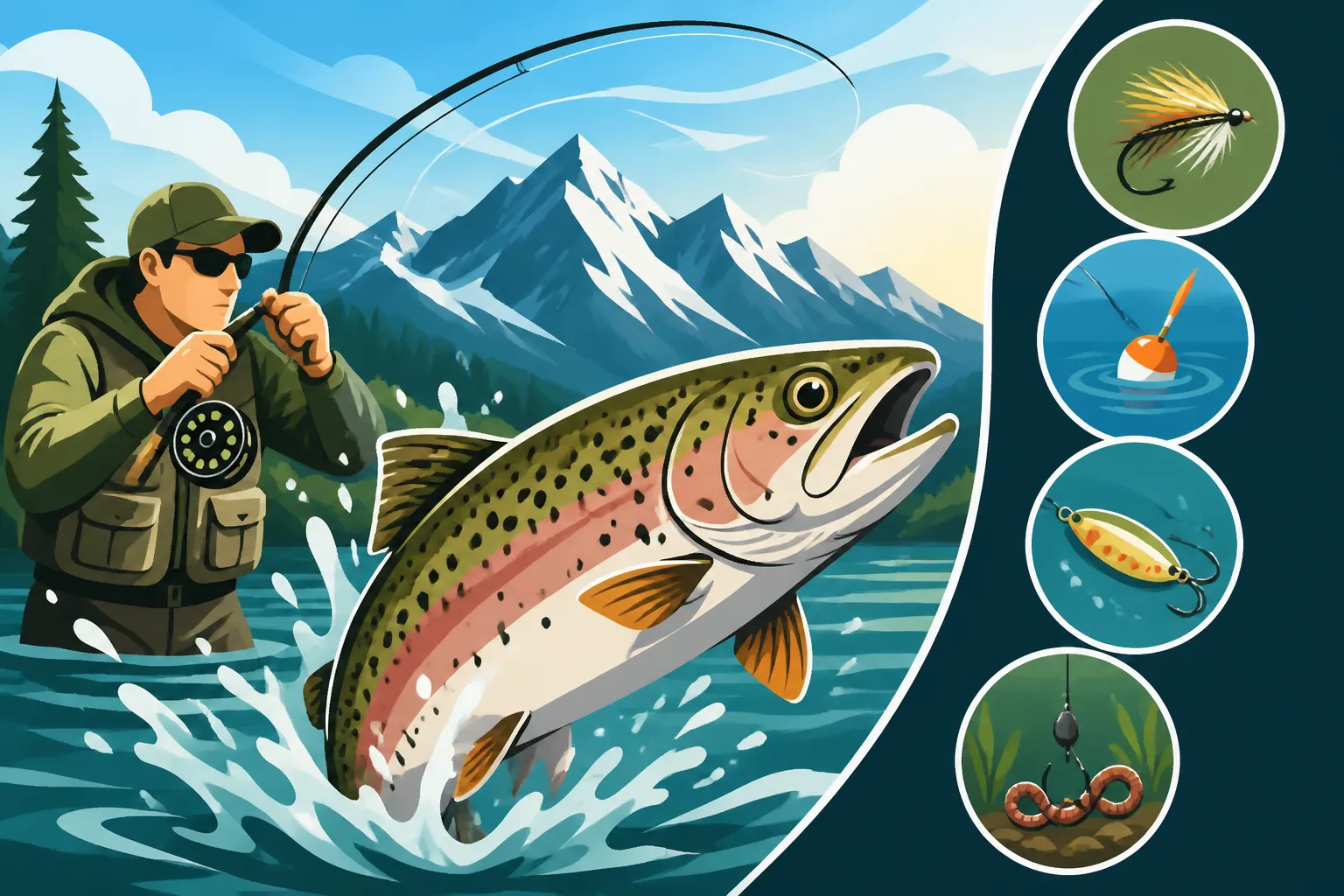
When it comes to lures, pack an assortment of smaller spoons (like a classic EGB or a Little Cleo in silver or gold), spinners (Mepps or Blue Fox are staples, sizes #1-#3), and small crankbaits that dive to a few feet. Trout in cold water often respond well to slower retrieves, so choose lures that have good action even at reduced speeds. For bait, consider a slip-bobber rig with a small jig tipped with a worm or PowerBait. This allows your offering to drift naturally at a set depth. Many anglers find great deals on these essential items through retailers like Amazon, ensuring they have everything they need for the opener.
Fly Fishing Rigs for Subsurface Success
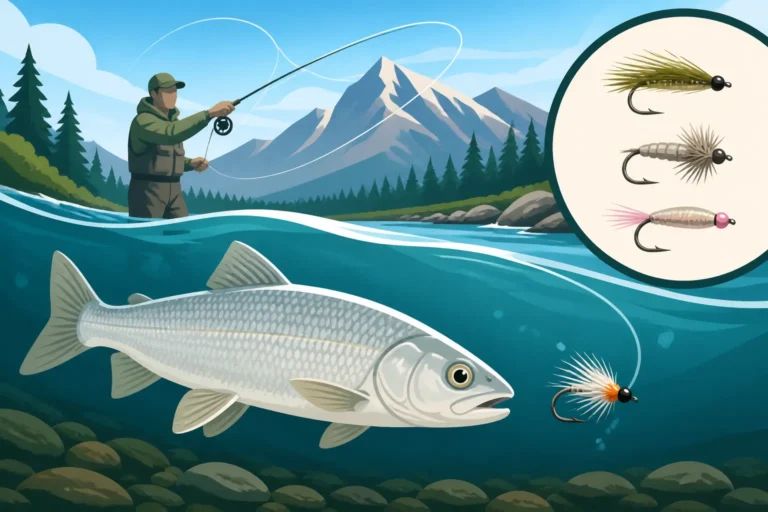
If you're a fly angler, don't expect classic dry fly action on opening day. The focus will be almost entirely subsurface. A 9-foot, 5 or 6-weight fly rod is a standard workhorse for many Alberta trout rivers, offering enough backbone to handle larger fish and cast weighted rigs. A weight-forward floating line is versatile, but a sink-tip line or even a full sinking line can be incredibly effective for getting flies down to those deep, cold-water lies where trout often hold. For leaders, a 9-foot 3X or 4X tapered leader is a good starting point, with fluorocarbon tippet in 4X-6X range for nymphing.
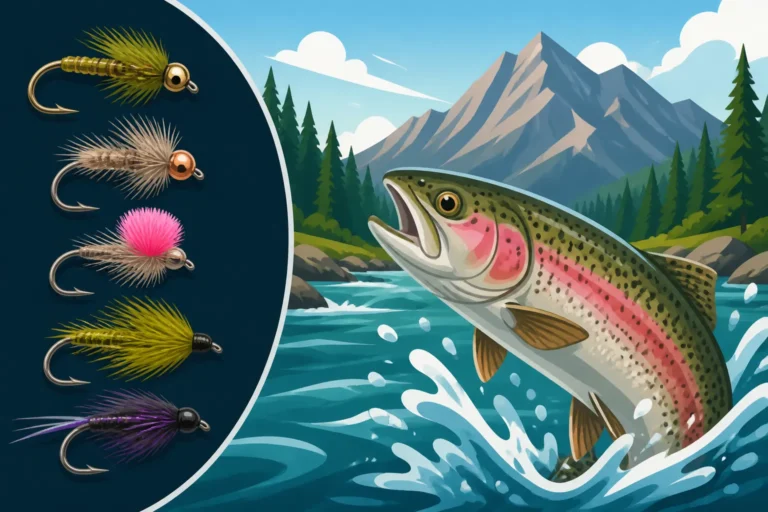
Your fly box should be heavily stocked with nymphs. Think heavy stonefly patterns (Pat's Rubber Legs, Copper Johns), large pheasant tails, prince nymphs, and worm patterns. Streamers are also a must-have, particularly articulated ones that mimic sculpins or baitfish, in olive, black, or brown. Woolly Buggers, in various sizes and colors, are never a bad choice. Fish these with a dead drift under an indicator or by stripping streamers slowly through deeper pools and runs. Early season trout on the Bow River often respond well to these subsurface offerings. Don't forget a Best Landing Net for Trout with rubber mesh for safe catch and release, especially for sensitive species.
Bait Fishing Essentials and Regulations
For many anglers, especially those just getting into the sport or fishing with family, bait fishing is a simple and effective method for trout on opening day. The key here is to check the Alberta Fishing Regulations Explained for specific bait restrictions on the waterbody you plan to fish, as many renowned trout rivers are 'no bait' zones. However, countless stocked ponds and lakes allow bait, and it can be incredibly productive.
A simple light to medium-light spinning rod, spooled with 6-pound mono, is all you need. Hooks should be small, size 8-12, suitable for trout mouths. Popular baits include mealworms, maggots, salmon eggs, and various prepared baits like PowerBait dough or PowerWorms. A common rig is a small sinker (split shot or sliding egg sinker) above a swivel, with an 18-36 inch fluorocarbon leader tied to a small hook. You can fish this on the bottom or suspend it under a bobber. For static fishing, a small bell sinker will keep your bait in place in still water. Remember, responsible bait usage means avoiding leaving bait containers or excess bait on shore, and always double-checking regulations.
Top Techniques for Spring Trout
With the right gear in hand, it's time to talk tactics. Early season trout fishing demands a patient and adaptive approach. What worked last summer likely won't be as effective right after ice-out, so understanding these core techniques will give you a significant edge.
Spin Casting for Active Fish in Colder Water
Spin casting for trout during the opener often means targeting those slightly more active fish, or at least presenting your lure in a way that coaxes a sluggish bite. The key is to fish slowly and deeply. Focus on slower currents in rivers, like the inside bends, eddies, or deep pools where trout can conserve energy. In lakes, target drop-offs, points, or shallow flats that are getting more sun exposure.
Use small spoons or spinners. Cast them out, let them sink to the desired depth (often near the bottom), and then retrieve them with a very slow, steady crank, perhaps with an occasional twitch or pause. The flash and vibration can trigger strikes even when fish aren't aggressively feeding. Small crankbaits that dive to 3-6 feet can also be effective when retrieved slowly. Experiment with colors – natural tones like silver, gold, and black often work well in clear water, while brighter colors like chartreuse or orange can stand out in murkier conditions. If you're using jigs, a small plastic grub or tube jig tipped with a piece of worm and bounced gently along the bottom can be deadly. Always have a variety on hand; a quick look on Amazon will show you the sheer diversity of options available.
Nymphing and Streamers for Fly Anglers
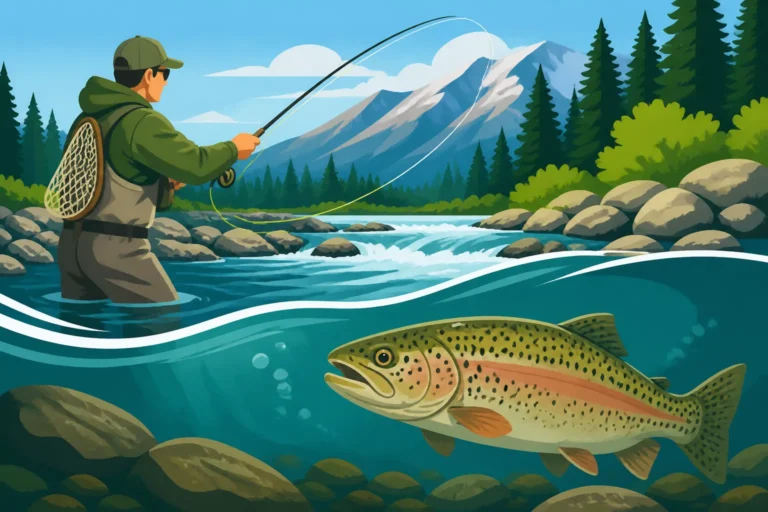
For the fly fishing enthusiast, nymphing is king during the Alberta trout opener. Trout are concentrated near the bottom, feeding on aquatic insects dislodged by the increased flows. A typical nymphing rig involves a strike indicator, two weighted nymphs (one heavier anchor nymph, one smaller droppper nymph), and enough split shot to get your flies down to the bottom quickly. Cast upstream and let your flies dead drift naturally downstream, mending your line to minimize drag. Watch your indicator carefully; any hesitation, pause, or subtle twitch could be a bite.
Streamers are another incredibly effective fly fishing technique for cold-water trout, especially for targeting larger fish. These flies imitate baitfish, sculpins, or leeches, which are a substantial meal for a hungry trout. Cast your streamer across or slightly upstream, let it sink, and retrieve it with a slow, erratic strip-pause motion. The goal is to make it look like an injured or easy-to-catch prey item. Focus on the edges of currents, seams, and deeper pools. Many of the Best Fly Fishing Rivers in Alberta, like the Crowsnest River or the Highwood, offer prime streamer fishing opportunities in early spring.
Float Fishing and Stillwater Tactics
Float fishing, whether with a bobber and bait or a float and jig, is a simple yet highly effective method, especially in stillwaters or slower river sections. It allows you to present your offering at a precise depth and maintain a natural drift. For lakes and ponds, a slip bobber rig is excellent for targeting deeper fish. Set your bobber stop to the desired depth, cast out, and let your bait or jig suspend tantalizingly in the strike zone. If the water is calm, even a slight ripple can impart movement to your bait, making it more appealing.
In stillwater environments, trout will often cruise shorelines or patrol specific depth contours, especially where there's new weed growth or structure. Fan-casting and slow retrieves with small spoons, spinners, or crankbaits can cover a lot of water. If you're fishing a stocked pond, don't be afraid to experiment with PowerBait or corn fished on the bottom. Remember that trout in stillwaters might be less active and require more patience. Sometimes, simply letting your offering sit for extended periods is the key. For those curious about different species, consult a Trout Species Identification Guide for Alberta to know what you're targeting.
Locating Trout on Opening Day
Finding trout on opening day isn't always about hitting the deepest holes or the fastest water. It's about understanding where they're comfortable and where they can find food with minimal effort in the challenging post-winter conditions.
River Currents and Structure
In rivers and streams, trout will seek refuge from strong spring currents. Look for softer water – areas where the current slows down, like the inside bends of a river, behind large boulders, fallen logs, or in deep eddies. These spots provide a current break, allowing fish to conserve energy while still being positioned to intercept food drifting by. Seams, where fast water meets slow water, are also prime ambush points.
The bottom structure is equally important. Deep pools offer thermal stability and cover, as do undercut banks and submerged logs. Fish will often hug the bottom tightly in cold water, so your presentation needs to get down to them. Don't overlook smaller feeder creeks that might be clearer and slightly warmer than the main river. These can be incredible hot spots. Exploring the Best Fishing Rivers in Alberta and studying their unique features will help you identify these prime locations.
Lake Edges and Drop-offs
For lake fishing, trout often cruise the shallow, sun-warmed areas early in the season, especially in the afternoon after the sun has had a chance to penetrate the water. Look for sandy or rocky points, shallow bays, or areas with emerging weed growth. These spots can warm up first and attract baitfish, which in turn attract trout. However, if the shallows are still frigid or experiencing heavy runoff, trout will retreat to deeper water along drop-offs.
Concentrate your efforts where shallow water transitions quickly to deeper water. These drop-offs act like highways for fish, offering easy access to different depths and food sources. Trolling with spoons or crankbaits along these contours can be very effective for covering water and finding active fish. If anchored, cast towards the drop-off and work your lure or bait back slowly. Knowing the average depths and contours of Best Fishing Lakes in Alberta will significantly improve your chances.
Stocked Pond Strategy
Stocked ponds are a fantastic option for the trout opener, especially for beginners or when river conditions are challenging. These fish are usually eager to bite and are often found spread throughout the pond. The key is to move around and experiment with different depths and baits. Initially, fish close to where the fish were stocked, if you know the location.
Trout in stocked ponds tend to cruise the edges, so casting parallel to the shore or fan-casting to cover different depths is a good strategy. PowerBait, worms, and small spinners are almost always effective. If the pond is small, try casting towards any visible structure like submerged trees or culverts. The beauty of stocked ponds is their accessibility and the high likelihood of success, making them a great confidence builder for the start of the season.
Navigating Crowds and Ethical Angling
The excitement of the trout opener often means crowded fishing spots, especially on popular waters. Being prepared for this, and understanding ethical angling practices, will ensure a more enjoyable and sustainable experience for everyone.
Early Bird Advantage and Finding Solitude
One of the best ways to avoid the maddening crowds is to simply get out there earlier. Many anglers hit the water around mid-morning, so being on your chosen spot at dawn can give you a precious few hours of solitude and potentially, more active fish. Early morning in spring can be chilly, so dress in layers and pack a thermos of hot coffee or tea.
If popular spots are still packed, consider exploring less-traveled access points, or hiking a bit further away from the main parking areas. Often, just a short walk can put you onto less pressured water. Studying maps and identifying potential alternative spots beforehand can save you a lot of frustration on the day. For example, while the main public access points on the Bow River might be busy, there are often lesser-known spots downstream or upstream that offer a more private experience. Checking out a Bow River Fishing Guide can help identify these areas.
Spacing, Respect, and Shared Waters
When you do encounter other anglers, common courtesy goes a long way. Maintain a respectful distance, especially if someone is actively fishing a run or hole. A good rule of thumb is to give at least 50 feet, or more if possible, unless invited closer. If you're wading, try not to walk directly in front of another angler's casting lane or through the water they're actively fishing. A friendly nod or a brief "good morning" can diffuse any potential tension and foster a positive atmosphere.
Remember, we're all out there for the same reason – to enjoy the outdoors and hopefully catch some fish. Patience and respect are key. If a spot is clearly occupied, move on and find another. There are plenty of waters in Alberta, and being flexible with your plans will make for a much better day. Many of the Best Trout Streams in Alberta have multiple access points, so don't feel obligated to squeeze into an already crowded area.
Catch and Release Best Practices
With potentially high fishing pressure on opening day, practicing responsible catch and release is more important than ever, especially for wild trout populations. Many regulations, like the Alberta Bull Trout Zero Possession Rule, emphasize conservation. Handle fish as little as possible. Keep them in the water if you can, especially for photos. If you must remove a fish from the water, do so quickly, wet your hands first to protect their slime coat, and support their body horizontally.
Use barbless hooks, or pinch down the barbs on your hooks with pliers – this makes removal much easier and less damaging to the fish. Carry a good pair of hemostats or long-nosed pliers for hook removal. If a fish is deeply hooked, consider cutting the line as close to the hook as possible rather than trying to dig it out, which can cause irreparable damage. Give the fish plenty of time to recover before releasing it, holding it gently in the current until it swims away under its own power. Your careful handling helps ensure these incredible fish are there for future generations.
| Fishing Situation | Recommended Lure/Bait | Key Technique | Ideal Conditions |
|---|---|---|---|
| Cold River, Turbid Water | Large Nymphs (Pat's Rubber Legs), Streamers, Brighter Jigs, Worms | Slow, deep drifts; bounce off bottom; short strips | Low visibility, strong current, cold water |
| Cold River, Clear Water | Small Nymphs (Pheasant Tail), Small Spinners (Mepps #1), Small Spoons, Worms | Dead drift with indicator; slow retrieve; careful presentation | Good visibility, moderate current, cold water |
| Cold Lake, Clear Water | Small Spoons (EGB), Crankbaits (3-6ft dive), PowerBait, Minnows | Slow troll along drop-offs; cast and slow retrieve; bottom fish | Good visibility, cold water, varied depths |
| Stocked Pond | PowerBait, Mealworms, Small Spinners, Fly Nymphs | Bottom fish; slip bobber; fan-cast and slow retrieve | Any condition, easy access |
| High Water/Runoff | Large, Dark Nymphs; Big Streamers; Bright Spinners/Spoons, Worms | Focus on eddies and slack water; heavier weight to get down | High flow, reduced visibility, cold water |
Disclaimer
The information provided in this guide is for general informational purposes only. Fishing regulations, season dates, and local conditions in Alberta can change frequently. Always consult the most current Alberta Guide to Sportfishing Regulations before heading out on the water. It is your responsibility to know and follow all applicable laws and regulations. Fish at your own risk.