Is Lake Trout Good to Eat?
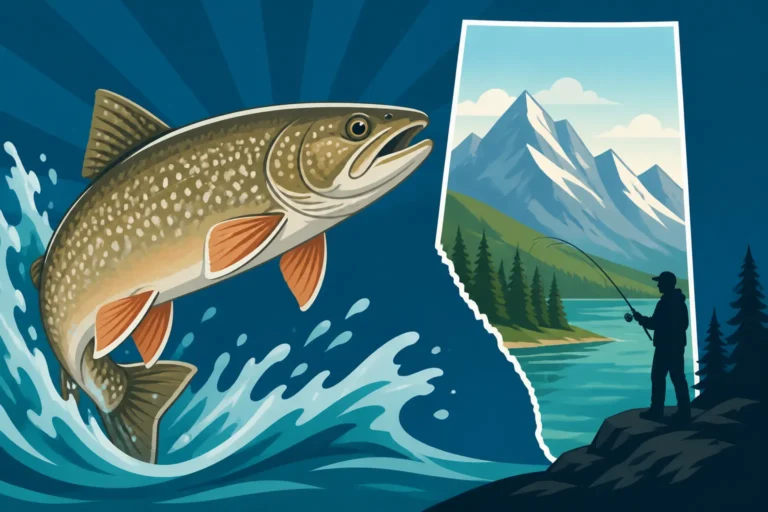
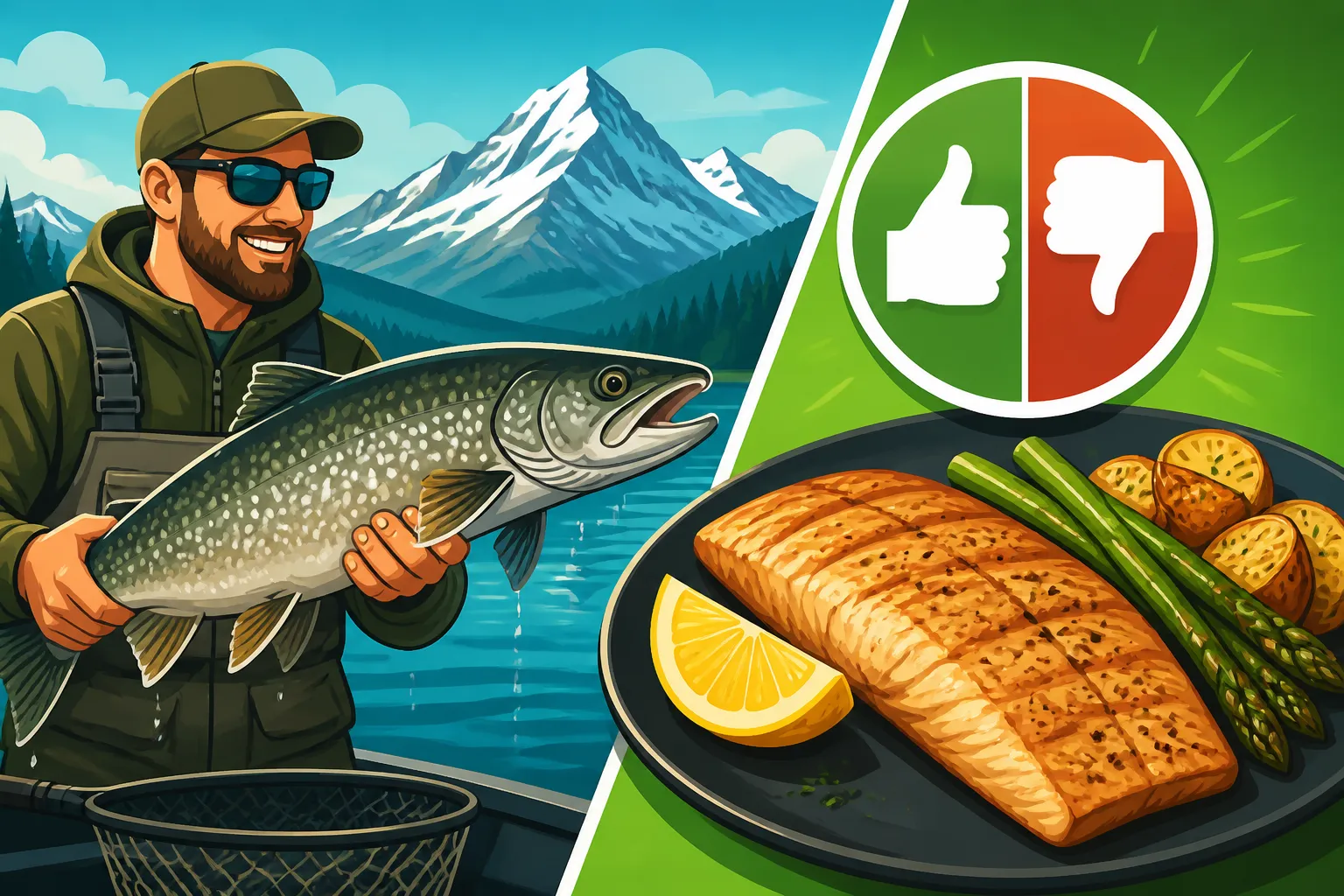
It's a question I hear all the time around the campfire and on the docks: "Is lake trout actually good to eat?" There's a lot of debate out there, and frankly, some folks have had less-than-stellar experiences, leading to a bit of a bad rap for these magnificent Alberta fish. But let me tell you, when handled right and cooked properly, an Alberta lake trout can be an absolute culinary delight. This guide will help you understand why, and how to make sure your next lake trout dinner is a delicious success.
The Culinary Reputation of Alberta Lake Trout
Lake trout, often called "lakers" by us seasoned anglers, are a staple in many of Alberta's deep, cold waters, like Cold Lake or Lake Athabasca. Unlike their river-dwelling cousins, their diet and environment can really influence their flesh quality. This often leads to conflicting opinions – some swear by them, while others turn their nose up. Let's dig into why this beautiful fish has such a divided culinary fan base.
Why the Mixed Reviews? Understanding the Variables
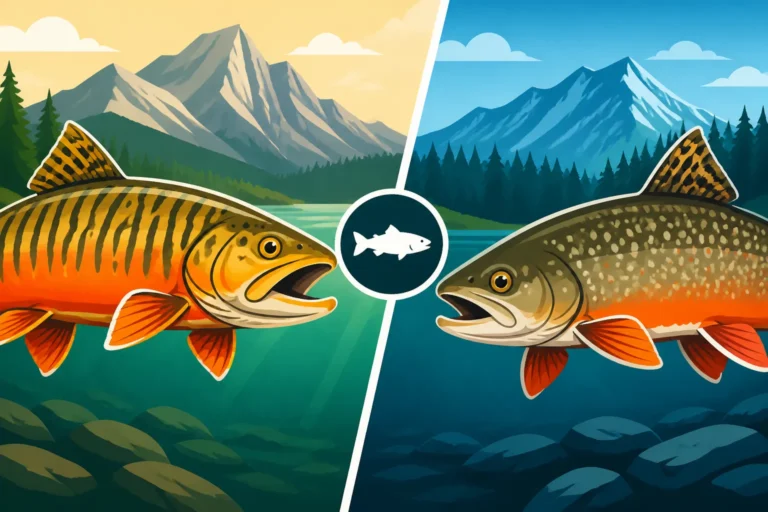
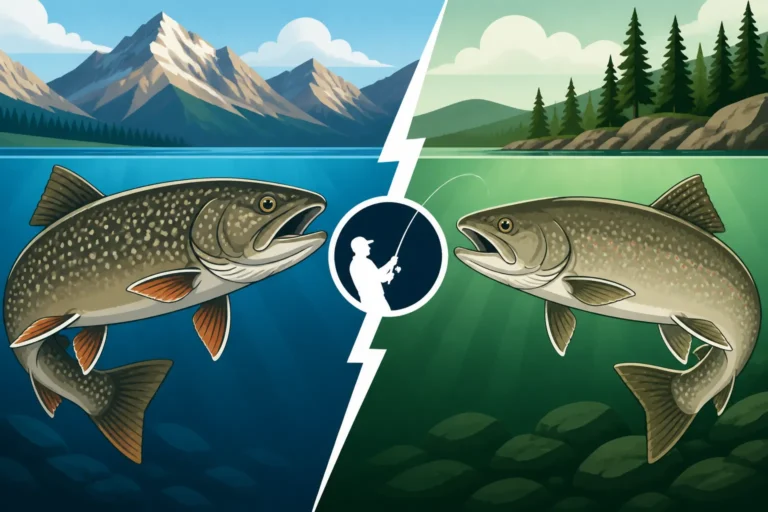
The biggest reason for the varied opinions on eating lake trout comes down to a few key factors that aren't always consistent. It’s not like every lake trout tastes the same, just as not every steak from a cow tastes the same. These are wild animals, and their environment and life stage play a huge role.
Firstly, their diet is crucial. Lake trout are often top predators, feeding on smaller fish like cisco, whitefish, and even burbot. The type of forage available can impart different flavors and fat content to their flesh. For example, a laker feeding heavily on oily baitfish might have a richer, more pronounced flavor and a higher fat content than one that's primarily eating invertebrates. This fat content, while potentially delicious, can also be what some people find "fishy" if it's not handled well.
Secondly, the water temperature profoundly affects the fish. Lake trout thrive in cold, oxygen-rich waters. When caught from truly frigid depths, their flesh tends to be firmer, flakier, and has a milder, cleaner taste. This is why ice fishing for Lake Trout Fishing in Alberta can often yield some of the best eating fish. However, if a lake trout is caught from shallower, warmer water, especially during late summer, the flesh can sometimes be softer and develop a stronger, more "muddy" taste that some find undesirable. It's not the fish's fault, it's just physics and biology at play!
Lastly, the size of the fish can matter. Smaller, younger lake trout (often called "pencil lakers" if they're long and skinny) tend to have milder-flavored, firmer flesh. As they get larger and older, especially trophy-sized specimens, their flesh can become richer, fattier, and sometimes stronger in flavor. This is a common pattern across many fish species – the older, larger fish often accumulate more fat and stronger flavors, which some people love and others dislike. When you're dreaming of landing a monster, remember that a Lake Trout Average Size in Alberta Lakes might be perfect for the dinner table.
Optimizing the Taste: From Catch to Kitchen
If you're serious about enjoying lake trout on your plate, the work starts long before you even think about seasoning. Proper care from the moment the fish hits the net can elevate a mediocre meal to an unforgettable one. It's about respecting the fish and understanding what makes for good table fare.
Field Care: The First Step to Deliciousness
The most critical step in ensuring your lake trout tastes its best is proper field care. A fish that isn't handled well immediately after being caught will never taste as good, no matter how skilled your cooking is. This is where many people go wrong and end up with a "fishy" tasting meal.
First, dispatch the fish quickly and humanely. A thrashing fish releases stress hormones that can negatively impact the flavor of the meat. A sharp rap to the head or a swift cut to the gills to bleed it out immediately is often recommended. Bleeding the fish removes a significant amount of blood from the flesh, which contributes to a cleaner, milder flavor. You'll see the difference in the fillet – it will be much whiter and more appealing. For many avid anglers, a good quality fillet knife and a bleeding tool are essential pieces of kit, easily found on Amazon.
Secondly, get that fish on ice, and I mean immediately and generously. You want to stop bacterial growth and preserve the firmness of the flesh. A cooler filled with ice, not just a few cubes, is your best friend. Don't just toss the fish on top of the ice; bury it in ice to cool it down as rapidly as possible. This is especially vital on warm days, but even during colder weather or ice fishing trips, keeping your catch on ice is paramount. A dedicated Best Cooler for a Fishing Boat can make all the difference. The longer a fish sits unchilled, the more quickly its flesh degrades, leading to mushy texture and strong flavors.
Preparation at Home: Filleting and Trimming
Once you're home, careful filleting and trimming are the next crucial steps. Lake trout, particularly larger ones, have a distinct lateral line of darker, fattier meat that can sometimes be where "fishy" flavors concentrate.
When filleting, take your time to remove all the skin, scales, and any remaining bones. Use a sharp, flexible fillet knife – there are many excellent options on Amazon – to get clean cuts. After filleting, inspect the flesh closely. You'll often see a darker, reddish band of meat running along the lateral line. This is the fatty tissue I mentioned. While some people don't mind it, for those sensitive to strong fish flavors, carefully trimming this darker meat away can significantly improve the taste. You'll lose a little bit of the fillet, but the improved flavor is often well worth it.
Additionally, remove any belly fat if it seems excessive. The belly meat, while delicious to some, can be quite fatty, and if you're trying to achieve a milder flavor, removing it can help. Pat the fillets dry with paper towels before cooking. Excess moisture on the surface can lead to steaming instead of searing, preventing that beautiful, crispy exterior.
Cooking Lake Trout for Maximum Flavor
Now for the fun part! With your properly handled and prepared lake trout fillets, you're ready to create a meal that will silence any doubters. The key here is not to overcook it and to choose cooking methods that complement its rich, often fatty, profile.
Recommended Cooking Methods
Lake trout's medium-firm, flaky flesh and often higher fat content make it incredibly versatile. You can cook it in many ways, but some methods truly shine.
1. Baking or Roasting: This is a fantastic, hands-off method that's hard to mess up. Preheat your oven to a moderate temperature (around 375-400°F or 190-200°C). Place your seasoned fillets on a baking sheet lined with parchment paper or foil. You can add a pat of butter, a squeeze of lemon, fresh herbs like dill or parsley, and a sprinkle of salt and pepper. Bake until the fish is opaque and flakes easily with a fork, typically 12-18 minutes depending on thickness. Don't overcook! This method is great for locking in moisture and allowing the natural flavors of the fish to come through.
2. Grilling: For those beautiful summer evenings after a day spent fishing in Alberta, grilling lake trout is a must. The smoky char from the grill adds another layer of flavor. Ensure your grill grates are clean and well-oiled to prevent sticking. A fish basket or heavy-duty foil can also be your friend, especially if you have thinner fillets. Season the fillets with your favorite rub – lemon pepper, garlic, and paprika work wonderfully. Grill over medium-high heat, skin-side down first if leaving the skin on (though most people remove it from lakers), for about 4-6 minutes per side, again, until just cooked through. The slight crispness from the grill is divine.
3. Pan-Searing: If you love a crispy crust, pan-searing is the way to go. Heat a good quality cast iron or non-stick pan over medium-high heat with a little olive oil or butter. Once shimmering, place your dry fillets in the pan. Cook for about 3-5 minutes per side, depending on thickness, until golden brown and cooked through. A sprinkle of fresh chives or a squeeze of lemon juice at the end elevates this simple preparation. This method creates a beautiful contrast between the crispy exterior and the tender, flaky interior.
4. Smoking: For a truly unique flavor, consider hot smoking your lake trout. This isn't just for salmon! The rich, fatty flesh of a lake trout takes incredibly well to smoke. Brine your fillets first for several hours (or overnight) in a salt, sugar, and water solution. Then, pat them dry and let them form a pellicle (a slightly tacky surface) in the fridge for a few hours. Smoke at a low temperature (around 200-225°F or 93-107°C) with mild wood chips like alder, apple, or cherry until the internal temperature reaches 145°F (63°C) and the fish is flaky. Smoked lake trout is fantastic on its own, in dips, or flaked into salads. You can find all sorts of smoking accessories, from wood chips to electric smokers, on Amazon.
Seasoning and Flavor Pairings
Lake trout has a robust enough flavor to stand up to a variety of seasonings. Beyond the simple salt, pepper, and lemon, consider:
- Herbs: Dill, parsley, thyme, chives, and even a hint of rosemary pair beautifully.
- Spices: Smoked paprika, garlic powder, onion powder, cayenne pepper (for a kick), and white pepper.
- Acids: Lemon juice, lime juice, white wine, or a splash of apple cider vinegar can brighten the flavor and cut through the richness.
- Fats: Butter, olive oil, or even a touch of bacon fat can enhance the cooking process and add richness.
For those who find lake trout a bit too "fishy," incorporating strong, complementary flavors can mask any unwanted notes. Think about serving it with a bright citrus salsa, a creamy dill sauce, or even a spicy mango chutney.
Beyond the Plate: Health and Sustainability
Enjoying Alberta's lake trout isn't just about taste; it's also about understanding its place in our diet and the ecosystem. As responsible anglers, we care about the health of the fish and the waters they inhabit.
Nutritional Value of Lake Trout
Lake trout are a fantastic source of lean protein and are packed with beneficial nutrients. They are particularly rich in Omega-3 fatty acids, which are essential for heart health, brain function, and reducing inflammation. They also provide significant amounts of Vitamin D, Vitamin B12, selenium, and phosphorus. Eating fish regularly is part of a healthy diet, and lake trout offer a robust nutritional profile.
Here's a quick look at some general nutritional highlights for fish like lake trout:
| Nutrient | Benefit |
|---|---|
| Protein | Muscle repair, growth, satiety |
| Omega-3s | Heart health, brain function, anti-inflammatory |
| Vitamin D | Bone health, immune function |
| Vitamin B12 | Nerve function, red blood cell formation |
| Selenium | Antioxidant, thyroid health |
| Phosphorus | Bone and tooth formation, energy metabolism |
Mercury Considerations in Alberta Waters
Like many predatory fish, especially those higher up the food chain and living longer lives, lake trout can accumulate mercury. The concentration of mercury can vary significantly depending on the specific lake, the size and age of the fish, and its diet. Alberta Environment and Protected Areas (AEPA) routinely monitors fish populations for contaminants and issues consumption advisories when necessary.
It's crucial to check the current "Alberta Guide to Sportfishing Regulations" or the MyWildAlberta website for any specific consumption advisories for the body of water you're fishing. They often provide guidelines on how much of certain fish species from specific lakes is safe to consume, especially for vulnerable populations like pregnant women, nursing mothers, and young children. Generally, smaller, younger fish tend to have lower mercury levels. When considering The largest lake trout ever caught in Alberta or Where the biggest lake trout live in Alberta, remember that bigger fish often mean higher mercury levels.
Following these guidelines ensures you can enjoy your catch safely. It's about moderation and informed choices, not necessarily avoiding the fish altogether.
Sustainable Harvesting and Regulations
Alberta has robust fishing regulations designed to protect our fish populations, including lake trout. Many lakes have specific size limits, bag limits, and even seasonal closures to ensure sustainable populations. For example, some areas might have slot limits, where only fish within a certain size range can be kept, or Alberta Bull Trout Zero Possession Rule to protect threatened species (which, while not lake trout, shows the province's dedication to conservation).
Being aware of and adhering to these rules, which you can always find in the Reading the Alberta Guide to Sportfishing Regulations, is vital for ensuring that future generations can also enjoy fishing for and, yes, eating, Alberta lake trout. Catch and release practices, especially for larger breeding fish, are also encouraged for conservation, allowing them to spawn and contribute to the fishery. If you're targeting How to Catch Lake Trout in Alberta, always have your copy of the regulations handy.
In conclusion, lake trout can indeed be a wonderfully delicious fish, particularly when sourced from cold, clean Alberta waters and handled with care from the moment it's caught. By paying attention to field care, proper preparation, and choosing suitable cooking methods, you can transform this often-misunderstood fish into a culinary highlight. Just remember to check those local regulations and consumption advisories, and you'll be set for a fantastic meal!
Disclaimer
This article is for general informational purposes only and does not constitute professional advice. Laws, prices and regulations vary by location and change over time. Consult a qualified professional for guidance on your specific situation.