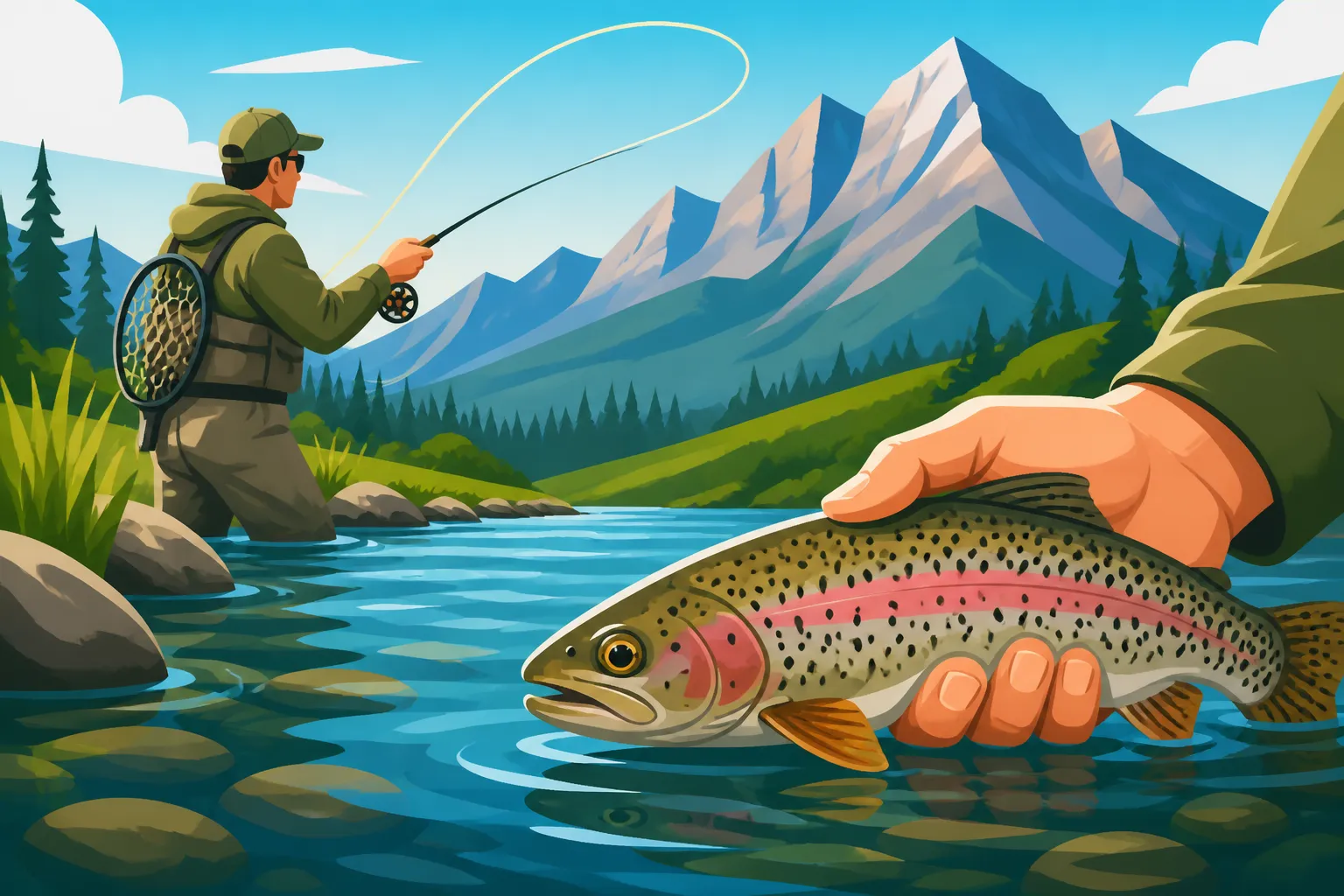
Alberta catch and release only trout streams
It can be incredibly frustrating to hit a beautiful trout stream in Alberta, only to discover confusing rules about what you can and cannot keep. Many anglers, especially those new to certain areas, struggle to understand the nuances of "catch and release only" regulations and what they truly mean for a day on the water. This comprehensive guide will demystify Alberta's catch and release only trout streams, explaining where they are, why these rules are in place, and how you can be a responsible and successful angler on these vital waterways.
Navigating Alberta's Catch and Release Only Trout Stream Regulations
Diving into Alberta's fishing scene means understanding a tapestry of regulations designed to protect our precious fisheries. Among the most important for trout anglers are the "catch and release only" designations, which are far more common than you might initially realize, particularly in our most cherished trout habitats. These rules aren't meant to be a hassle; they're a critical tool in ensuring the long-term health and abundance of specific fish populations, especially our vulnerable native species.
What "Catch and Release Only" Truly Means
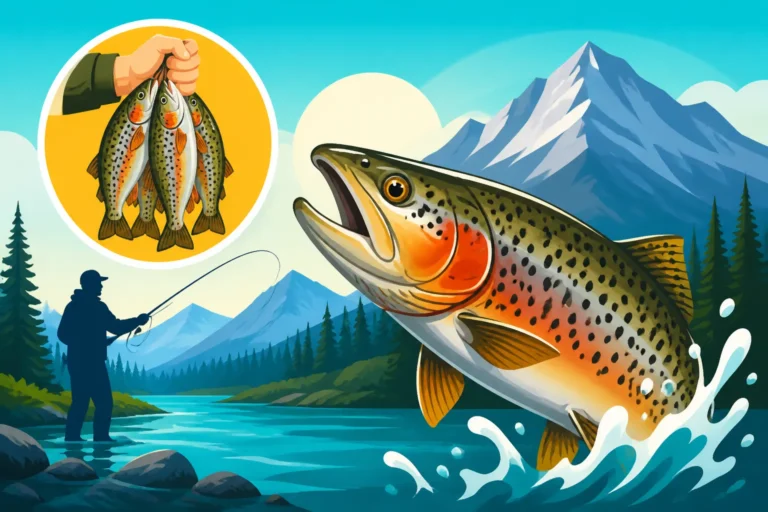
When you see a "catch and release only" designation for a specific waterbody in the Alberta Guide to Sportfishing Regulations, it means exactly what it sounds like: every single fish you catch must be released immediately and unharmed back into the water. There is absolutely no possession limit, because the possession limit is zero. This applies regardless of the fish's size, condition (unless it's truly unable to survive, which is rare with proper handling), or species (if the rule applies to all species in that section). It's not about keeping the big ones and releasing the small; it's about giving every fish a chance to continue its life cycle.
This also often comes with additional gear restrictions designed to maximize the fish's survival chances. For example, many catch and release waters, especially those known for their sensitive trout populations, will also have an Alberta Barbless Hook Requirement Waters rule in effect. This means your hooks must be completely free of barbs, making it easier to remove them cleanly and quickly from a fish's mouth. These aren't just suggestions; they are legally binding requirements that conservation officers actively enforce. Ignoring them can lead to significant penalties, including fines and the loss of your fishing privileges.
The Purpose Behind These Strict Rules
The reasons behind "catch and release only" regulations are rooted deeply in fisheries science and conservation. These rules are primarily implemented to protect fish populations that are particularly vulnerable to overfishing, have slow growth rates, or are struggling to reproduce naturally. Alberta's native trout species, like the bull trout and westslope cutthroat trout, often fall into this category. The Alberta Bull Trout Zero Possession Rule is a prime example of this, where populations are so sensitive that any retention is strictly prohibited to aid in their recovery.
By eliminating harvest pressure, these regulations allow fish to live longer, grow larger, and spawn multiple times throughout their lives. This leads to more robust breeding populations, which in turn produce more fish, contributing to the overall health and resilience of the ecosystem. It's a long-term investment in our angling future, ensuring that future generations can experience the thrill of catching wild trout in their natural habitats. Think of it as putting money into a savings account rather than spending it immediately – it grows and provides more value over time.
Finding the Specific Regulations for Your Chosen Waterway
Before you ever wet a line in Alberta, it's absolutely crucial to consult the most current Alberta Guide to Sportfishing Regulations. This guide is your bible for understanding what's allowed and what's not. Regulations can change annually and are often highly localized, applying differently to specific lakes, rivers, or even sections of the same river (e.g., above or below a certain bridge). Relying on old information or hearsay from a friend is a recipe for disaster.
The guide is broken down by management zones (e.g., Eastern Slopes Zone 1, Prairie Zone, etc.), and within each zone, it lists specific waterbodies and their unique rules. Look for sections marked "C&R" or "Zero (0)" possession limits. Online resources, like the MyWildAlberta portal or the Alberta fishing regulations app, are also incredibly helpful for looking up specific zones and waters right from your phone. Many anglers find the app particularly useful for quickly checking the rules on the go, allowing them to confirm the Alberta Fishing Season Dates by Zone and other critical details while planning their trip. Always double-check any water you plan to fish – the rules are there for a reason and apply to everyone.
Prominent Catch and Release Trout Streams Across Alberta
Alberta is blessed with an incredible network of rivers and streams, many of which hold significant trout populations. While not all are strictly catch and release, many of our most iconic and ecologically important trout waters are. These streams are a testament to the success of conservation efforts and offer some of the most rewarding angling experiences in the province.
Western Slope Gems: From the Rockies to the Foothills
The Eastern Slopes of the Rocky Mountains are the heartland of Alberta's trout fishing, offering pristine, cold-water habitats. Many of these rivers and their tributaries are designated as catch and release to protect native populations of cutthroat trout, bull trout, and genetically pure strains of rainbow and brown trout.
Consider the Ram River, for instance, especially its upper reaches. This area is a celebrated destination for fly anglers seeking wild cutthroat and bull trout. The regulations here are strict: catch and release only, often with a barbless hook requirement, to ensure these sensitive populations continue to thrive. Similarly, portions of the Crowsnest River, particularly its upper sections, are renowned for their incredible wild rainbow trout fishing, operating under C&R rules. Anglers here learn to approach the water stealthily and master delicate presentations, knowing that every fish they tempt must be returned to fight another day. These are often considered some of the Best Fly Fishing Rivers in Alberta.
Further north, rivers flowing out of the Willmore Wilderness Park and other remote areas also often feature stringent C&R regulations, reflecting their wild and untamed character. These western slope streams provide critical spawning grounds and crucial cold-water refuges, making catch and release a non-negotiable part of their management.
Southern Alberta's Iconic Fly-Fishing Destinations
Southern Alberta boasts some of Canada's most famous trout rivers, and many of their prime sections operate under catch and release mandates to preserve their exceptional quality. The Bow River, particularly the world-renowned stretch below Calgary, is a prime example. While not entirely catch and release, significant portions of the Bow River are managed as such, focusing on wild rainbow and brown trout. This section of the river is a global destination for anglers, with its abundant insect hatches and consistently large, healthy trout. The ability for anglers to repeatedly catch these large fish is a direct result of decades of diligent catch and release practices.
Another important system is the Oldman River and its tributaries in the southwestern part of the province. Certain sections of these rivers, especially those with strong populations of native westslope cutthroat trout, are under strict catch and release regulations. These rules are vital for species recovery and maintaining the ecological integrity of these mountain-fed waterways. Anglers seeking these beautiful, colourful trout must be prepared for a pure catch-and-release experience, focusing on the sport and the enjoyment of nature rather than the creel.
Lesser-Known, Yet Vital, C&R Waters
Beyond the big names, numerous smaller streams, creeks, and even sections of larger rivers scattered across Alberta are managed under catch and release rules. These might not draw international attention, but they are incredibly important for local ecosystems and provide fantastic, often less crowded, angling opportunities.
For example, many small, high-alpine lakes and streams in Kananaskis Country or within the national parks (like Banff and Jasper) are catch and release. These often hold unique populations of cutthroat trout or golden trout, which are extremely sensitive to environmental pressures and angling harvest. The solitude and stunning scenery often outweigh any desire to keep a fish in these remote locales. Some provincial parks also feature specific waters with catch and release requirements. It’s always worth consulting the provincial regulations or local fishing reports to discover these hidden gems and their particular rules. These smaller waters, though often overlooked, are vital nurseries and refuges for many trout species, making their C&R status paramount for the overall health of Alberta's diverse fisheries.
Here's a quick overview of some notable Alberta catch and release trout streams:
| River/Stream Name | Primary Species Targeted (C&R) | General Location (Zone) | Key Features of C&R Section |
|---|---|---|---|
| Bow River (Select sections below Calgary) | Rainbow Trout, Brown Trout | Eastern Slopes Zone 2 (ES2) | World-class fishery, high fish density, barbless hooks often required |
| Crowsnest River (Upper sections) | Rainbow Trout, Cutthroat Trout | Eastern Slopes Zone 2 (ES2) | Picturesque mountain river, strong wild trout population |
| Ram River (Upper reaches) | Bull Trout, Cutthroat Trout | Eastern Slopes Zone 2 (ES2) | Remote, pristine, critical native trout habitat |
| Oldman River (Upper sections/tributaries) | Cutthroat Trout, Bull Trout | Eastern Slopes Zone 2 (ES2) & 1 (ES1) | Important for westslope cutthroat recovery, mountain scenery |
| Highwood River (Select sections) | Cutthroat Trout, Bull Trout | Eastern Slopes Zone 2 (ES2) | Beautiful foothill stream, sensitive populations |
| Sheep River (Select sections) | Cutthroat Trout, Bull Trout | Eastern Slopes Zone 2 (ES2) | Close to Calgary, vital native trout habitat |
Essential Gear and Best Practices for Ethical Catch and Release
Catching a fish is only half the battle; ensuring its survival after release is the other, equally important, half. Ethical catch and release practices are paramount on designated C&R streams, and even on waters where you can keep fish, these methods significantly contribute to the health of the fishery. It's about respecting the fish and the resource.
Mandatory Gear for Minimizing Fish Harm
To truly practice ethical catch and release, having the right gear is non-negotiable. First and foremost, you absolutely need barbless hooks. This isn't just a suggestion on C&R streams; it's often a legal requirement. If your hooks come with barbs, you must pinch them down with pliers or forceps before you start fishing. This allows for quicker and less damaging removal, especially when a fish is deeply hooked. You can find excellent quality barbless hooks or tools to crimp barbs on regular hooks readily available for purchase online, even on platforms like Amazon.
Next, a good landing net is crucial. Opt for nets with a rubberized, knotless mesh. Traditional knotted nylon nets can strip away a fish's protective slime coat and damage its fins, making it more susceptible to disease and injury. Rubber nets cradle the fish gently, minimizing stress and physical trauma. When choosing, consider something like the Best Landing Net for Trout from our gear guides, which emphasizes fish-friendly materials.
Finally, a pair of forceps or hemostats is essential. These small, plier-like tools allow you to quickly and carefully remove hooks without having to put your fingers too far into the fish's mouth, especially if it's a toothy trout. Having them easily accessible on your vest or waders will shave precious seconds off the de-hooking process, further reducing stress on the fish. Again, durable stainless steel forceps are an item you can easily pick up from retailers like Amazon for just a few dollars.
The Art of Landing and Handling Trout Safely
The way you land and handle a fish directly impacts its survival chances. When you hook a fish, try to bring it in as quickly as possible without "playing" it to exhaustion. A tired fish has a harder time recovering once released. Once it's close, guide it gently into your rubberized net while it's still in the water. Avoid lifting the fish out of the water by the line; this can damage its jaw or internal organs.
Once in the net, keep the fish submerged as much as possible. If you need to take it out for a quick photo, do so for mere seconds. Wet your hands thoroughly before touching the fish. Dry hands can remove the fish's protective slime layer, which acts as its first line of defense against parasites and bacteria. Support the fish horizontally, never vertically by the jaw or tail, as this can cause spinal damage. Avoid squeezing its body. Gentle, minimal contact is the key to a healthy release. This skill is particularly important when trying to safely release a bull trout, as discussed in our guide on How to Catch Bull Trout and Release Them Safely.
Quick and Clean Release Techniques
The goal is to get the fish back into the water quickly and with minimal stress. With your barbless hook and forceps, remove the hook as efficiently as possible while the fish is still in the water, ideally in the net. If the hook is deeply set, a situation less common with barbless hooks, it’s often better to cut the line as close to the hook as possible rather than risk further injury trying to dig it out. A hook left in will often rust out over time, whereas severe injury from forced removal can be fatal.
Once the hook is out, hold the fish gently upright in the current, facing upstream, until it regains its strength and swims away on its own. Don't simply toss it back; give it time to revive. Sometimes, a gentle forward and backward motion can help push water through its gills, but often just holding it still in the current is sufficient. Watch for strong tail kicks and good equilibrium. When it's ready, it will swim purposefully from your hands. This thoughtful approach ensures that your catch-and-release efforts truly contribute to the health of the fishery.
The Broader Impact: Why Catch and Release Matters for Alberta's Fisheries
For many, catch and release fishing isn't just a regulation; it's a philosophy. It embodies a deep respect for the fish and a commitment to conservation that extends far beyond a single angling trip. Understanding the profound positive impacts of these practices can transform how you view your time on the water.
Protecting Vulnerable Native Trout Populations
Alberta is home to several native trout species, including the westslope cutthroat trout, bull trout, and Arctic grayling, which are highly sensitive to environmental changes and angling pressure. Many of these populations have faced declines due to habitat loss, competition from introduced species, and historical overharvest. Catch and release regulations are a cornerstone of recovery efforts for these species.
By ensuring that every native trout caught is released unharmed, anglers directly contribute to the rebuilding of their populations. This allows more fish to reach maturity, spawn successfully, and contribute their genetics to future generations. These aren't just fish; they're living indicators of our ecosystem's health. Their survival and proliferation are vital for maintaining biodiversity and the natural heritage of Alberta's cold-water environments. It's a collective effort, and every angler who practices responsible catch and release plays a critical part in protecting these vulnerable, irreplaceable fish.
Ensuring Sustainable Fishing Opportunities for Generations
Imagine a future where our children and grandchildren can experience the same incredible trout fishing we enjoy today. That's the core promise of catch and release. By reducing the overall harvest, these regulations help maintain healthy fish numbers, larger average sizes, and a higher quality angling experience for everyone. It creates a self-sustaining system where fish can replenish their populations naturally, reducing the need for extensive stocking programs and preserving the wild character of our streams.
On rivers like the Bow, where sections are managed with C&R principles, anglers repeatedly catch fish that have been caught multiple times before. This "recreational value" is immense. It transforms fishing from a one-time take to an ongoing interaction, fostering a deeper connection between anglers and the resource. It's about ensuring that the natural capital of our fisheries is preserved, not depleted, allowing for a continuous cycle of enjoyment and conservation. This sustainable approach is central to the future of Alberta fishing.
The Role of Anglers in Conservation
Anglers are often the first line of defense for our aquatic ecosystems. By embracing and advocating for catch and release principles, we become active participants in conservation. This isn't just about following rules; it's about fostering an ethic of stewardship. When you responsibly release a fish, you're not just letting that one fish go; you're reinforcing a commitment to the health of the entire fishery.
Furthermore, anglers on catch and release waters are keen observers. They notice changes in water quality, habitat degradation, or illegal activities, and their reports to authorities are invaluable. By being present, informed, and actively practicing ethical angling, we collectively amplify the voice for conservation. Organizations like Trout Unlimited Canada and other local groups work tirelessly to protect and restore Alberta's aquatic habitats, and informed anglers are their greatest allies. Learning more about these rules and techniques, perhaps by reading resources like Reading the Alberta Guide to Sportfishing Regulations, strengthens our collective ability to protect these precious resources for all.
Disclaimer
The information provided in this guide is for general informational purposes only and is not a substitute for the official Alberta Guide to Sportfishing Regulations. Regulations can change frequently. Always consult the most current official regulations and local signage before fishing any body of water in Alberta. Failure to do so may result in fines or penalties.