When lake trout spawn on Cold Lake
It's always a bit of a mystery, isn't it? You spend hours out on Cold Lake, casting for those magnificent lake trout, and while you might know roughly when they do their thing, getting specific about their spawning habits can feel like trying to nail jello to a tree. But understanding when and how these incredible fish spawn is actually really important, not just for respectful angling but for the future of the fishery itself. This guide is going to pull back the curtain on the lake trout spawning season on Cold Lake, helping you understand the rhythm of these elusive beauties.
The Seasonal Rhythm of Lake Trout Spawning on Cold Lake
Cold Lake is an absolute gem for lake trout, known for its deep, clear, and cold waters that these ancient fish thrive in. Unlike some other species that might spawn in spring or summer, lake trout have a very specific window in the fall, largely dictated by water temperature and day length. This annual ritual is a critical period for their survival and the health of the entire ecosystem.
Key Spawning Period: Late Fall's Chilly Embrace
For the lake trout in Cold Lake, the spawning season typically kicks into high gear during the late fall, predominantly spanning October and November. It's not a hard-and-fast date, like a holiday on a calendar, but rather a gradual process influenced by the environment. As the days shorten and the crisp autumn air chills the water, these fish begin their migration to traditional spawning grounds. It's truly a sight to behold, even if you're not directly witnessing the act, just knowing what's unfolding beneath the surface adds another layer to the magic of the lake.
Think about it: the leaves are turning golden and falling from the trees, maybe there's even a dusting of snow on the distant peaks, and down below, in the cold depths of Cold Lake, nature is working its wonders. The exact timing can vary slightly from year to year, a week earlier or later, depending on how quickly the water cools down. This makes observing the conditions on the lake just as important as knowing the general timeframe. You might notice changes in their feeding patterns or where they're congregating in the weeks leading up to this crucial period. For anyone who loves lake trout, this is a time of immense importance for their future generations.
Environmental Cues: Water Temperature and Light Cycle
The primary drivers behind the lake trout's spawning urge are quite fascinating: falling water temperatures and the decreasing length of daylight. These cues act like a natural alarm clock, signalling to the fish that it’s time to reproduce.
Ideal Water Temperature for Spawning
Lake trout are cold-water creatures through and through, and their spawning is no exception. They typically seek out areas where the water temperature hovers around the 4°C to 10°C (39°F to 50°F) range. As Cold Lake's vast body of water slowly cools down from its summer highs, it eventually reaches this critical temperature window. This temperature range is vital for the proper development of their eggs, often referred to as "redd." Any deviation, too warm or too cold for too long, can impact the success of the spawn. This is why knowing What water temperature lake trout prefer is so crucial not just for fishing, but for understanding their life cycle.
Imagine standing on the shore in October, feeling that first real bite of winter in the air. That same chill is permeating the water, and it's precisely what the lake trout are waiting for. Monitoring local water temperatures, if you have the means, can give you a pretty good indication of when things are really getting serious for them. Many anglers with sophisticated fish finders (you can find some great ones on Amazon) keep an eye on these readings religiously.
The Role of Photoperiod
Beyond temperature, the shortening days, known as photoperiod, also play a significant role. As the amount of daylight decreases after the summer solstice, a series of hormonal changes are triggered within the fish, preparing them for reproduction. This is why, even if there's an unusually warm fall, the lake trout will still eventually spawn within their general window; the light cycle is a non-negotiable factor. It's a testament to how deeply ingrained these natural rhythms are in their biology.
So, while you might find yourself still wearing a light jacket in late September, the lake trout already know that winter is coming, and it's time to ensure the next generation. These twin cues – temperature and light – work in concert to synchronize the spawning of the entire population, maximizing the chances of successful reproduction for the species in Cold Lake.
Where Cold Lake's Lake Trout Get Down to Business
When it comes to spawning, lake trout aren't just looking for any old spot in the lake. They're quite particular, seeking out specific types of habitat that offer the best chance for their eggs to survive and hatch. Understanding these locations is key to appreciating their life cycle and, for anglers, knowing where they might be congregating before the actual spawning begins.
Rocky Shoals and Reefs: The Ideal Nursery
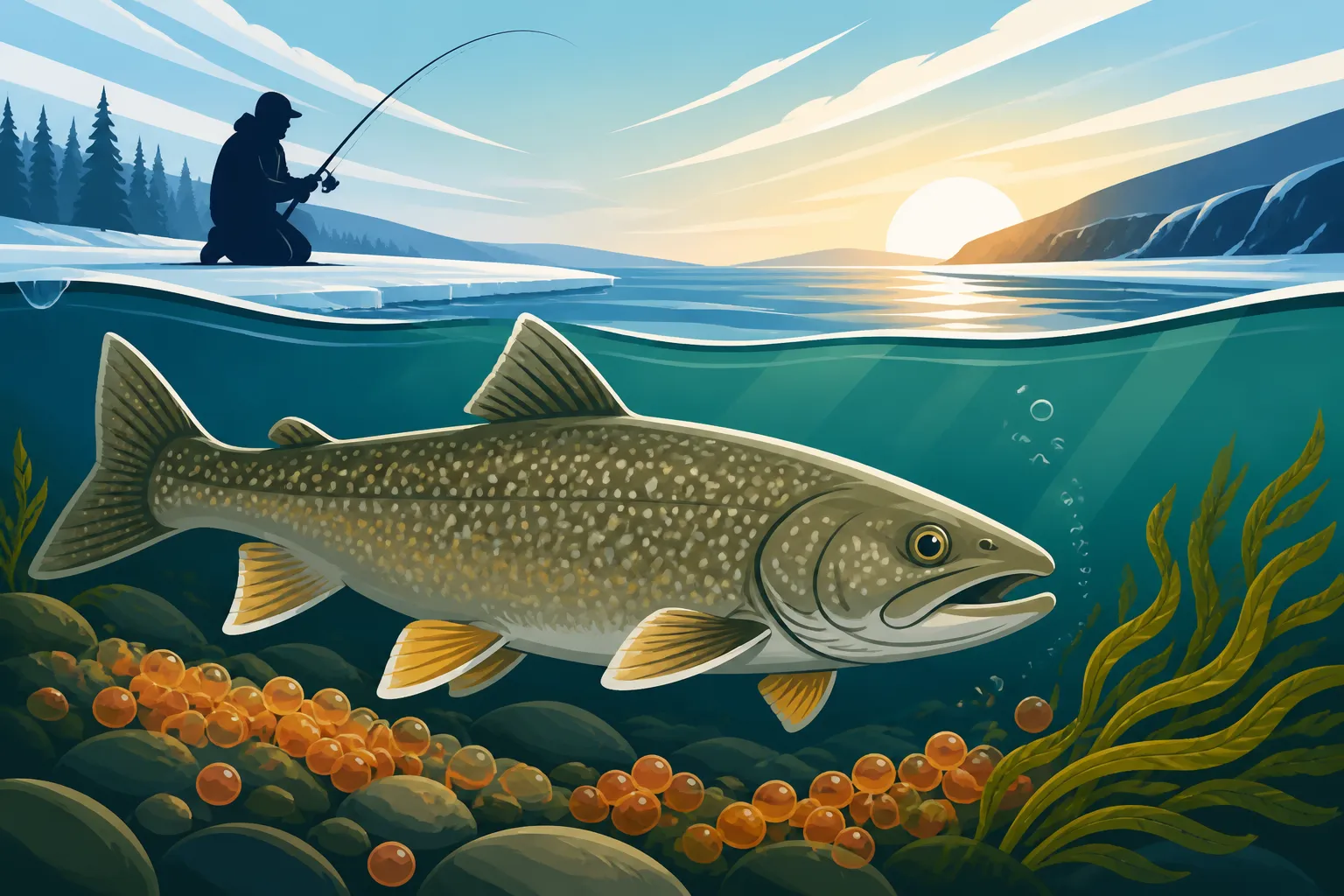
Lake trout are unique among many salmonids because they don't migrate up rivers to spawn. Instead, they prefer to spawn in the main lake body, typically over rocky shoals, reefs, and rocky shorelines where clean gravel and rubble are present. These areas provide the perfect substrate for their eggs. The female will deposit her eggs among the rocks, and the males will fertilize them, with the nooks and crannies of the rocks providing protection from predators and currents.
Cold Lake, being a large, deep, and glacially-carved lake, has plenty of these ideal spawning habitats. Look for areas with hard bottoms, particularly those with a mix of baseball-sized to football-sized rocks, usually in depths ranging from a few feet down to about 20-30 feet, depending on clarity and wave action. These traditional grounds are used year after year, passed down through generations of lake trout, making them vital ecological hotspots. If you're out on the water exploring, keep an eye on your fish finder (many excellent models available on Amazon) for these distinct bottom features. Learning about Lake Trout Spawning Season in Alberta will further highlight the importance of these specific habitats.
Importance of Clean Water and Oxygenated Beds
The success of the spawn heavily relies on the quality of these spawning beds. The eggs need clean, well-oxygenated water flowing through the gravel to develop properly. Siltation or pollution can smother the eggs, preventing them from hatching. This is why maintaining the health and water quality of Cold Lake is so incredibly important for the future of its lake trout population. Any significant runoff or disturbance during this sensitive period can have long-lasting effects.
It's a delicate balance of nature: the right temperature, the right light, and crucially, the right environment for those tiny eggs to develop. Knowing these preferred spawning habitats can also inform your fishing practices outside of the closed seasons, as these areas often hold fish at other times of the year, drawn to the same structure and potential food sources. Protecting these areas means protecting the very foundation of the fishery.
Angler Considerations and Ethical Practices During Spawning
Understanding when and where lake trout spawn isn't just academic; it has real-world implications for how we interact with the fishery. As responsible anglers, it's our duty to minimize our impact, especially during such a vulnerable time for the fish. This means being aware of regulations, respecting closures, and practicing ethical angling techniques.
Regulations and Closures: Giving Them Space
During the spawning season, many jurisdictions implement specific regulations or closures for lake trout to protect the breeding fish. While I can't provide specific dates or rules as they can change, it's absolutely crucial for every angler to consult the most current Alberta Guide to Sportfishing Regulations before heading out. This guide will outline any zone-specific season dates or special restrictions that might apply to Cold Lake during the fall.
The intent behind these regulations is clear: to allow the lake trout to complete their spawning undisturbed, ensuring the next generation has the best possible start. Fishing directly on spawning beds can disrupt the process, inadvertently injure fish, or remove vital breeding stock. It's a small sacrifice to make to ensure that Cold Lake continues to be a world-class lake trout fishery for years to come. Remember, these rules are in place for a good reason, and adherence is part of being a conservation-minded angler. You can often find detailed information about Alberta Fishing Season Dates by Zone in the official regulations.
Ethical Angling: Respecting the Future
Even outside of official closures, ethical angling practices are paramount during the pre-spawn and post-spawn periods when lake trout might still be congregated near spawning areas. These fish are focused on a singular, biological imperative, and their energy reserves are critical.
Minimizing Stress on Spawning Fish
If you find yourself fishing near areas that you suspect might be spawning grounds during the shoulder seasons, consider your impact. Lake trout can be incredibly aggressive during the pre-spawn, hitting lures out of territoriality or as a last-ditch effort to feed before their energy-intensive spawn. While catching a big laker is thrilling, handling a fish that is laden with eggs or spent from spawning requires extra care.
- Reduce Fight Time: Use appropriate tackle, like a sturdy rod and reel combo (plenty of options on Amazon), to bring fish in quickly, minimizing their exhaustion.
- Handle With Care: If you do land a fish, especially a larger one, handle it gently. Keep it in the water as much as possible, use a large, knotless landing net (also readily available on Amazon), and release it quickly. Avoid squeezing the belly, particularly on females, as this can damage eggs.
- Barbless Hooks: In many areas, barbless hooks are either required or highly recommended. They make for quicker and less damaging releases. For more on this, check out Alberta Barbless Hook Requirement Waters.
By taking these steps, you're not just following the rules; you're actively contributing to the health and sustainability of the lake trout population. It's about being a steward of the resource, ensuring that future generations of anglers can experience the same thrill of catching these magnificent fish.
| Month | Approximate Water Temp (Surface) | Lake Trout Spawning Activity | Angler Focus |
|---|---|---|---|
| September | 10°C – 15°C | Pre-spawn feeding | Active feeding, deeper |
| October | 4°C – 10°C | Peak spawning begins | Avoid spawning beds |
| November | 0°C – 4°C | Peak spawning continues | Strict adherence to regs |
| December | < 4°C | Post-spawn recovery, ice-up | Ice fishing (post-spawn) |
Note: These temperatures are approximate and can vary based on weather patterns and specific areas of the lake. Always check local conditions and regulations.
Protecting Cold Lake's Lake Trout for Future Generations
The lake trout in Cold Lake are a precious resource, providing incredible angling opportunities and playing a vital role in the aquatic ecosystem. Understanding their spawning habits is a cornerstone of effective conservation, allowing us to implement strategies that ensure these fish continue to thrive.
Conservation Efforts and Management Strategies
Fisheries management in Alberta, including for Cold Lake, is a continuous effort to balance angling pressure with the health of fish populations. This involves monitoring fish stocks, assessing spawning success, and adjusting regulations as needed. Programs like the Walleye Special Harvest Licence Recovery Program demonstrate the proactive approach taken to manage fish populations, and similar principles apply to lake trout. The aim is always to maintain a sustainable fishery where fish can reproduce naturally and contribute to a robust population.
These efforts aren't just about limiting what we can catch; they're about enhancing habitats, conducting research, and educating anglers. It's a holistic approach that recognizes the interconnectedness of the environment. Every angler has a part to play in supporting these initiatives, whether through reporting catches, participating in surveys, or simply following the rules.
The Role of Anglers in Lake Trout Stewardship
As anglers, we are often the first line of defense for our fisheries. Our observations on the water, our respect for regulations, and our commitment to ethical practices directly contribute to the long-term health of fish like the Cold Lake lake trout. When we understand the significance of the spawning season, we make better choices, like avoiding specific areas during sensitive times or practicing catch-and-release with extreme care. How to Catch Lake Trout in Alberta covers various techniques, and always remember to adapt them to conditions and regulations.
Think of it this way: every fish you release carefully, especially during vulnerable periods, is a potential parent for thousands of new fish. This kind of mindful angling ensures that the legacy of Cold Lake's magnificent lake trout continues for generations to come. It's about more than just catching fish; it's about connecting with nature and doing our part to protect it. So next time you're planning a late fall trip to Cold Lake, armed with your knowledge of their spawning habits, you can cast your line with a deeper appreciation for the life unfolding beneath the waves.
Disclaimer
This article is for general informational purposes only and does not constitute professional advice. Laws, prices and regulations vary by location and change over time. Consult a qualified professional for guidance on your specific situation.