Alberta carp bowfishing regulations
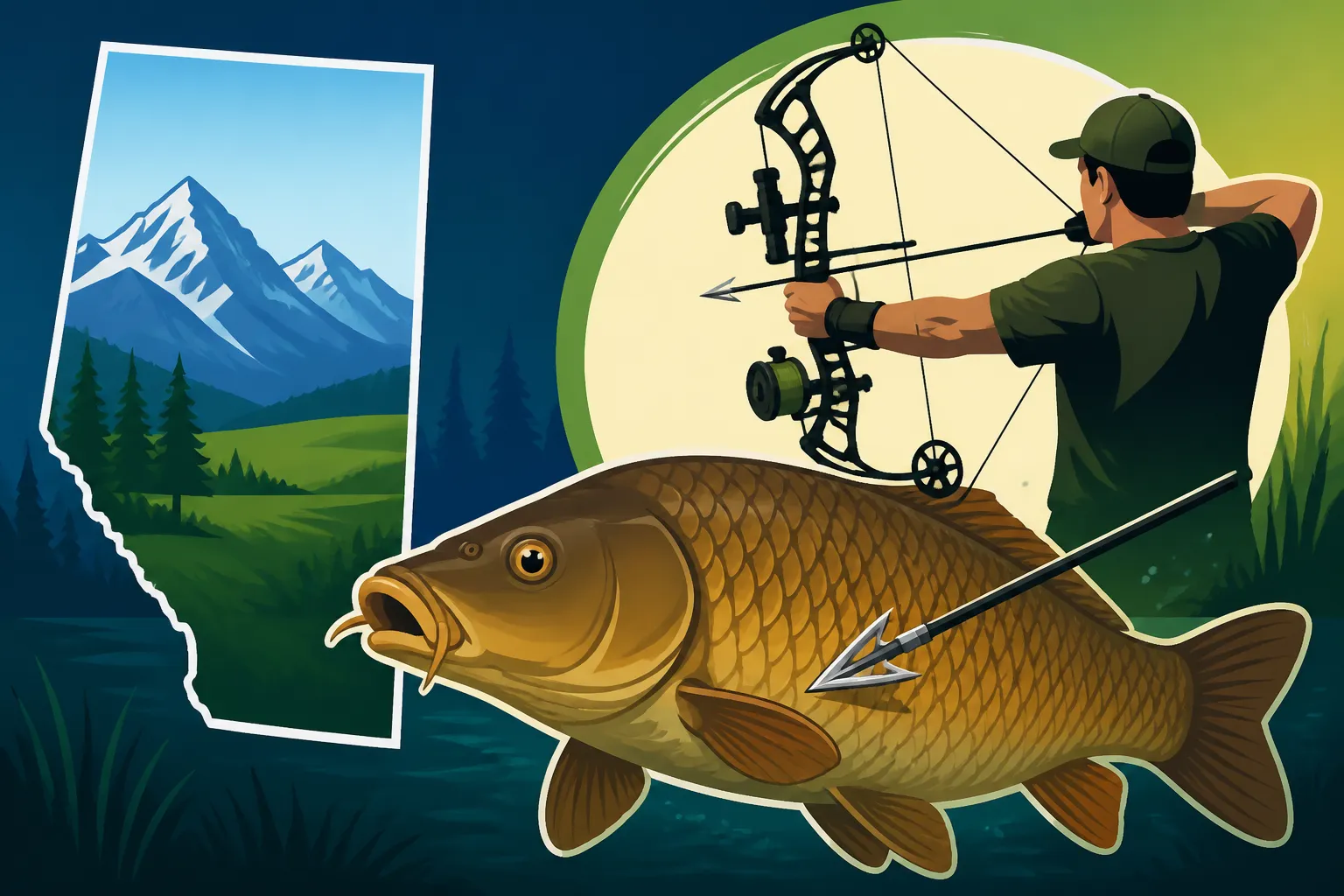
It can be incredibly frustrating to see common carp disrupting your favourite fishing spots, stirring up sediment, and competing with native species, all while wondering if there's an effective and exciting way to help manage their populations. Many anglers in Alberta are discovering the unique thrill of bowfishing for these prolific fish, but getting started requires a solid understanding of the specific rules. This comprehensive guide will walk you through everything you need to know about Alberta carp bowfishing regulations, ensuring you can enjoy this sport legally, safely, and ethically.
The Role of Common Carp in Alberta Waters and Why Bowfishing Helps
Common carp (Cyprinus carpio) are often seen as a bit of a nuisance, and frankly, that's because they can be. They're not native to Alberta and their presence can significantly impact the ecosystems of our lakes and rivers. Unlike the prized walleye or trout that many of us target, carp are bottom feeders. They root around in the substrate, constantly stirring up mud and sediment. This action alone can degrade water quality, clouding up the water and making it harder for aquatic plants to photosynthesize. When the plants suffer, so do the insects and smaller fish that rely on them for food and cover, which eventually affects the entire food chain, including the sport fish we love to catch.
For this reason, controlling carp populations is actually seen as a beneficial practice for the health of Alberta's aquatic environments. Bowfishing, a method that specifically targets these species, offers a unique opportunity for anglers to contribute to conservation efforts while enjoying an exciting outdoor activity. It's a way to remove carp directly from the ecosystem, helping to reduce their impact on water quality and native fish habitats.
Understanding Carp as an Invasive Species
When we talk about "invasive species," it's not just a fancy term; it's a real threat to our natural world. Common carp were introduced to North America from Europe and Asia, and they thrive in many of Alberta's warmer, nutrient-rich waters, particularly in the central and southern parts of the province. They’re incredibly adaptable, tolerate a wide range of water conditions, and reproduce rapidly. Their sheer numbers and feeding habits can literally transform a healthy lake into a murky, less productive environment for native species.
Think about a small, clear pond suddenly becoming cloudy and barren. This isn't an exaggeration; carp can do that. Their incessant rooting uproots aquatic vegetation, which in turn removes crucial spawning and nursery grounds for species like northern pike and yellow perch. They also compete directly with native fish for food resources, essentially out-competing them for what's available. This is why you'll find very few, if any, possession limits on common carp in Alberta, and why methods like bowfishing are often encouraged for their removal. It’s an effective means of control that can make a tangible difference in local water bodies.
The Ecological Benefits of Carp Removal
Engaging in carp removal through bowfishing isn't just about the thrill of the hunt; it's a direct contribution to ecological restoration. When carp numbers are reduced, the ecosystem starts to heal. Water clarity can improve, allowing sunlight to penetrate deeper and revive those vital aquatic plant beds. With more plants, there's more food and shelter for insects, amphibians, and native fish species. This creates a healthier, more balanced environment where native populations can recover and flourish.
Imagine a section of the South Saskatchewan River that was once choked with carp, now slowly seeing a return of clearer water and robust native fish populations. Every carp removed through bowfishing plays a part in that recovery. This method provides an active, hands-on way for anglers to directly participate in managing our fisheries and protecting Alberta’s precious aquatic biodiversity, distinguishing it from traditional catch-and-release fishing practices for sport fish. It’s a win-win: you get to enjoy an exciting fishing challenge, and the environment gets a much-needed break from an invasive species.
Essential Regulations for Carp Bowfishing in Alberta
Before you even think about stringing an arrow, it's absolutely crucial to understand the specific regulations governing bowfishing for carp in Alberta. The rules are there not to make things difficult, but to ensure safety, ethical harvesting, and the protection of other species. Unlike traditional angling where you might just need a basic license, bowfishing has a few extra considerations, especially around equipment and where you can actually do it. For instance, you can't just pick up your bow and head to the nearest trout stream; special regulation waters might have very strict rules. Always consult the current Alberta Guide to Sportfishing Regulations, which is your ultimate authority.
Licensing Requirements for Bowfishing
Just like any other form of fishing in Alberta, you absolutely need a valid sportfishing license and a Wildlife Identification Number (WIN) card to legally bowfish for carp. This isn't just a suggestion; it's the law. Your WIN card is a prerequisite for purchasing any hunting or fishing license in the province and serves as your permanent client ID. If you're wondering how to get one, check out our guide on the Alberta WIN Card, Explained.
Once you have your WIN card, you'll need to purchase an Alberta sportfishing license. The type of license depends on your residency and age. For residents, it's generally an annual license, while non-residents might opt for shorter-term options. For a breakdown of costs and types, you might want to read our article on How Much Does an Alberta Fishing License Cost. Even though carp are considered an invasive species, the act of fishing them still falls under the general regulations for angling. Make sure your license is current and that you carry proof of it while fishing; a digital copy on your phone is usually acceptable, but it's always good to understand Printing or Carrying a Digital Fishing License in Alberta. Fishing without the proper license can lead to significant penalties, so don't risk it!
Approved Equipment and Gear
Bowfishing isn't your typical archery or angling setup; it's a specialized hybrid. The regulations are quite specific about the equipment you can use to ensure humane harvest and prevent undue harm to non-target species.
First and foremost, you need a bow – recurve, compound, or crossbow are generally permissible, but always ensure it's in good working order. The arrows themselves are distinct: they are heavy, solid-shafted, and feature a specialized barbed tip designed to hold the fish once struck. Crucially, these arrows do not have fletching (feathers) because they need to travel through water effectively. Each arrow must be securely attached to a fishing line, which is then spooled onto a specialized reel mounted on your bow. This line is essential for retrieving your arrow and your catch.
- Arrows: Barbed arrows are mandatory. This design prevents the fish from slipping off once it’s hit, ensuring a clean retrieval and minimizing injury if the fish were to escape. Using regular hunting arrows is not allowed.
- Reels: Specialized bowfishing reels are designed for quick line deployment and retrieval. They can be either simple hand-wrap reels, spin-cast reels adapted for bowfishing, or purpose-built bowfishing reels like those offered by companies such as AMS Bowfishing. Ensure your line is strong enough to handle a thrashing carp, typically 80-200 lb test braided line.
- Bowfishing Bows: While many standard bows can be adapted, some manufacturers produce bows specifically for bowfishing, often featuring heavier draw weights and durable construction to withstand the elements. When looking for gear, a quick search on Amazon will show you a wide array of specialized bowfishing setups, from complete kits to individual components like barbed arrows and heavy-duty fishing line.
- Safety Stops: These are vital. They prevent the line from retracting into the reel before the arrow is shot, which could cause the arrow to snap back and injure the shooter. Always ensure your line is clear and properly rigged.
It's paramount to understand that these regulations are designed to prevent accidental injury to other fish species or the environment. Using illegal equipment could result in fines or confiscation of your gear.
Permitted Fishing Areas and Seasons
This is where many aspiring bowfishers might get tripped up. While common carp can be found in many Alberta waterways, bowfishing is not permitted everywhere. You need to carefully consult the current Alberta Guide to Sportfishing Regulations for specific waterbody closures or restrictions.
Generally, bowfishing for carp is allowed in waters where carp are present and not protected, and where general angling is permitted. However, certain areas, especially those designated as "Special Regulation Waters" (e.g., specific trout streams or catch-and-release only sections), will prohibit bowfishing. For instance, you absolutely cannot bowfish on the Bow River near Calgary, which is renowned for its trout, due to its special regulations for fly-fishing and specific harvest rules. Always check the zone-specific regulations – for example, if you're looking at a lake in Zone ES1 or PP2, you need to verify if bowfishing is allowed for that specific waterbody.
The good news is that for common carp, there are typically no closed seasons or possession limits in most areas where they are found, due to their invasive status. This means you can often pursue them year-round, as long as the water is open and not under specific restrictions for any fishing. However, always double-check the "species-specific regulations" and "site-specific regulations" sections in the annual guide. For instance, while you can typically pursue them in many parts of the South Saskatchewan River, a local municipal park pond might have bylaws against projectile weapons. Knowledge of Alberta Fishing Season Dates by Zone is important even when there isn't a specific closed season for carp, as other regulations might affect access or overall waterbody use.
Ethical and Safety Considerations for Bowfishing
Bowfishing, while exhilarating, demands a high degree of ethical responsibility and strict adherence to safety protocols. Unlike traditional angling where a missed fish often swims away unharmed, a poorly aimed arrow can cause significant injury or even death to non-target species. Furthermore, handling powerful archery equipment near water and other people requires careful consideration. It's not just about what's legal; it's about being a responsible sportsperson.
Identifying Your Target Species
One of the biggest ethical responsibilities in bowfishing is accurate target identification. In Alberta, bowfishing is primarily intended for common carp. Other rough fish species like burbot or suckers might be legal to harvest with a fishing rod in some areas, but intentionally targeting them with a bow is generally not advised and could be illegal depending on local rules and species status. More importantly, accidentally targeting protected species like bull trout or native whitefish could lead to serious legal consequences.
Common carp are fairly easy to identify with their large scales, distinctive barbels around their mouths, and bronze to yellowish coloration. They are also known for their powerful, torpedo-shaped bodies. However, in murky water or low light, it can be easy to mistake them for other fish. Always ensure you have a clear, positive identification of your target before you shoot. If there's any doubt, err on the side of caution and don't take the shot. This practice not only protects native species but also ensures you're abiding by the spirit of the regulations. Being familiar with a general Trout Species Identification Guide for Alberta or knowing How to tell a walleye from a sauger can help prevent accidental targeting.
Safe Shooting Practices and Public Awareness
Bowfishing involves shooting an arrow, a projectile, into water. This immediately brings up significant safety concerns, especially when you're near public areas, other anglers, or wildlife.
- Backstop Awareness: Always know what's beyond your target. Water, while it may seem to absorb an arrow, can also cause it to ricochet or travel much further than expected. Never shoot towards shorelines with houses, roads, or people. Consider your firing lane carefully.
- Other Water Users: Alberta's lakes and rivers are used by boaters, swimmers, kayakers, and other anglers. Before taking a shot, scan the area thoroughly to ensure no one is in your line of fire or in a position to be hit by a ricocheting arrow. If you're using a boat for bowfishing, remember to adhere to Alberta Boating Laws for Anglers, including carrying appropriate safety equipment and wearing your Life Jacket Requirements for Alberta Boaters.
- Eye Protection: A good pair of polarized sunglasses is essential not just for spotting fish, but also for protecting your eyes from errant lines or potential arrow malfunctions.
- Public Perception: Be mindful that bowfishing isn't universally understood or accepted. Conduct yourself professionally and ethically. If you're approached by curious onlookers, take the opportunity to educate them about carp removal and safe bowfishing practices, rather than being dismissive. Your actions contribute to the overall public image of the sport.
- Children and Pets: Keep children and pets away from your shooting area. Bowfishing equipment is not a toy and should be handled with extreme care by trained individuals.
Proper Disposal of Harvested Carp
Unlike many sportfish that are prized for the dinner table, common carp are often not kept for consumption in Alberta. This means that a responsible bowfisher must have a plan for the proper disposal of their catch. Simply leaving carp on the shore to rot is illegal, unethical, and creates health and environmental hazards.
- Off-site Disposal: The most common and recommended method is to remove the carp from the water and transport them to an appropriate off-site disposal facility, such as a municipal landfill or a composting facility. Always check local bylaws, as some areas may have specific rules regarding organic waste.
- Burying: In remote areas on private land (with permission) or designated Crown land camping areas (where regulations allow), deep burial can be an option. Ensure the burial site is well away from waterways, at least 1-2 meters deep, and covered to prevent scavengers from digging them up. Always be aware of Alberta Crown land camping and fishing access permit rules before burying fish on public lands.
- Composting: If you have a large-scale composting system, carp can be an excellent source of nutrients. However, this is usually only practical for those with extensive home composting setups or agricultural operations.
- Consumption: While not widely popular in Alberta, carp are consumed in many parts of the world. If you choose to keep them for eating, ensure you know how to properly clean and prepare them. However, always check for any fish consumption advisories for the specific waterbody you are fishing in, as carp, being bottom feeders, can accumulate contaminants.
The key is responsibility. Every carp you remove must be disposed of thoughtfully and legally, maintaining the integrity of the environment and the reputation of bowfishing as a sport.
Gear and Equipment for Alberta Carp Bowfishing
Getting into bowfishing requires a few specialized pieces of gear that differ from your standard fishing or hunting setup. The right equipment not only makes the experience more enjoyable and successful but also ensures safety and compliance with regulations. Thinking about an upgrade? Amazon is a fantastic place to start researching and comparing different brands and models for specialized bowfishing gear.
Bows and Reels Designed for Water
Your primary tools for bowfishing are a robust bow and a specialized reel. The demands of bowfishing are unique: you need equipment that can withstand water exposure, grit, and the powerful thrashing of a carp once it's hit.
- Bows: While you can adapt a standard compound or recurve bow for bowfishing, many anglers prefer dedicated bowfishing bows. These are often simpler, more durable, and designed for snap shooting at moving targets, rather than the precise, held aim of target archery or big-game hunting. Look for models that are resistant to corrosion and built to handle the abuse of being splashed and potentially dropped in the water. Some popular brands include PSE Archery and Cajun Bowfishing, which offer entire packages suitable for beginners.
- Reels: This is where bowfishing really diverges. You have a few main types:
- Hand-wrap Reels: Simple, inexpensive, and very durable. You literally wrap the line around the reel by hand after each shot. Great for beginners or those on a budget, but retrieval can be slower.
- Bottle/Spin-Cast Reels: These are modified spin-cast reels mounted to the bow. They offer faster, easier retrieval with the push of a button. Brands like Zebco have popular spin-cast reels that can be adapted. Make sure to use a high-quality, heavy-duty model, as standard fishing reels often aren't robust enough for the demands of bowfishing.
- Purpose-Built Bowfishing Reels: These are designed from the ground up specifically for bowfishing, offering the best combination of speed, durability, and line capacity. They typically feature heavier gears and strong drag systems. An example would be the AMS Bowfishing Retriever, which is a popular choice among serious bowfishers due to its simplicity and reliability.
When selecting a bowfishing setup, consider what you want to achieve. A simpler, more affordable setup from Amazon is a great way to dip your toes into the sport without breaking the bank, while more advanced setups offer greater efficiency and durability for frequent outings.
Arrows, Line, and Specialty Tips
The business end of your bowfishing setup consists of the arrow, the line, and the tip. These components are specifically designed for aquatic environments and catching fish.
- Bowfishing Arrows: These are not your typical hunting arrows. They are heavier, often solid fiberglass or carbon, and much more rigid to penetrate water and fish scales effectively. They lack fletching to reduce drag in the water and are typically brighter colors for easy visibility.
- Bowfishing Line: You need strong line, typically braided polyester or Dacron, with a breaking strength ranging from 80 to 200 pounds. This heavy line is necessary to withstand the force of a shot, the fight of a strong carp, and the potential of getting snagged on underwater obstacles. The line needs to be securely tied to the arrow and the reel, with a safety slide on the arrow to prevent the line from entangling with the bowstring, which can cause severe injury.
- Barbed Tips: This is the crucial component that secures your catch. Bowfishing tips are designed with retractable or deployable barbs that expand once inside the fish, preventing it from slipping off the arrow. There are various designs, including screw-on points and quick-release points. Ensure your tips are sharp and the barbs function correctly before each outing. Brands like Muzzy and AMS Bowfishing offer a range of reliable tips. A good tip can make the difference between landing that monster carp and watching it swim away with your arrow.
Always carry spare arrows and tips, as they can get lost or damaged during an intense day of bowfishing. You can often find multi-packs of these essential items on Amazon, making it easy to stock up.
Essential Accessories for a Successful Trip
Beyond the core bowfishing gear, a few accessories can significantly enhance your safety, comfort, and success on the water.
- Polarized Sunglasses: Absolutely essential. They cut glare off the water, allowing you to spot carp more easily beneath the surface. They also provide crucial eye protection from accidental impacts.
- Waders and Boots: If you plan on wading in shallow areas, a good pair of waders and sturdy wading boots will keep you dry and comfortable. This is especially true when accessing certain stretches of the Red Deer River or other productive areas where shore access might be limited.
- Puncture-Resistant Gloves: Handling a thrashing, scaly carp can be tough on your hands. Gloves offer protection from sharp scales, fins, and the arrow itself during retrieval.
- Knife/Pliers: A sharp knife is useful for cutting line if needed, and a sturdy pair of pliers is invaluable for removing arrow tips from fish or for other minor repairs.
- Boat or Kayak: While shore fishing is possible, a small boat, jon boat, or a fishing kayak can greatly expand your access to prime carp areas, especially on larger bodies of water. Remember to check out guides like Best Kayaks for Alberta Fishing or Best Boats for Alberta Lakes and Rivers if you're considering expanding your mobility on the water.
- Fish Stringer or Cooler: Since carp are often harvested in numbers and disposed of off-site, a sturdy fish stringer to keep your catches secure or a large cooler with ice to preserve them until proper disposal is crucial. This prevents carcasses from floating away or attracting unwanted attention.
- Headlamp/Flashlight: If you're planning on early morning or late evening trips (where legal), a reliable light source is critical for rigging gear, navigating, and ensuring safety.
Having the right accessories can turn a potentially frustrating outing into a smooth and successful one. Don't underestimate the value of being prepared for all contingencies on the water.
| Equipment Type | Key Feature | Typical Use Case | Important Note |
|---|---|---|---|
| Bows | Durable, often simpler designs | Snap shooting at moving fish | Compound or recurve, corrosion-resistant models are best. |
| Reels | Fast line deployment, robust construction | Retrieving arrows and fish | Hand-wrap, spin-cast (modified), or purpose-built bowfishing reels. |
| Arrows | Heavy, solid fiberglass/carbon, no fletching | Penetrating water and fish | Brightly coloured for visibility, must be attached to line. |
| Tips | Barbed, designed to secure fish | Holding fish after impact | Choose sharp, reliable tips with effective barb deployment. |
| Line | High test (80-200lb), braided | Retrieving arrow/fish, secure to bow/reel | Use a safety slide on the arrow to prevent line snap back. |
| Polarized Sunglasses | Cuts glare, eye protection | Spotting fish, protecting eyes | Essential for visibility and safety. |
| Waders/Boots | Keeps you dry and comfortable | Wading in shallow water for better access | Crucial for colder water and muddy bottoms. |
| Gloves | Puncture-resistant, grip | Handling fish, protecting hands | Protects from scales, fins, and arrow points. |
| Boat/Kayak | Increased mobility and access | Covering larger water bodies, reaching remote spots | Ensure compliance with Alberta Boating Laws for Anglers. |
| Cooler/Stringer | Storage for harvested fish | Proper temporary storage before disposal | Prevents spoilage and ensures ethical handling of catch. |
Disclaimer
The information provided in this guide is for general informational purposes only and does not constitute legal advice. Fishing regulations in Alberta are subject to change, and it is the responsibility of each individual angler to consult the most current Alberta Guide to Sportfishing Regulations and any local bylaws before engaging in any fishing activity. Always prioritize safety and ethical practices.