Best sit-on-top kayak for lake fishing
Trying to navigate the seemingly endless options for fishing kayaks can feel like trying to land a trophy walleye with a fly rod – utterly overwhelming and sometimes frustrating! Especially when you're dreaming of gliding across one of Alberta's stunning lakes, but you're stuck wondering which boat will actually give you the best angling experience without costing a fortune or being a nightmare to transport. This guide is here to cut through the noise, helping you pinpoint the ideal sit-on-top kayak for lake fishing, ensuring your time on the water is spent reeling in fish, not fighting your gear.
Why a Sit-on-Top Kayak for Alberta Lake Fishing?
When you envision fishing Alberta's vast and beautiful lakes, from the calm stretches of Pigeon Lake to the expansive waters of Lesser Slave Lake, a sit-on-top kayak really shines. Unlike traditional sit-in kayaks, which can feel restrictive and sometimes a bit nerve-wracking if you capsize, sit-on-tops offer a freedom and versatility that's hard to beat for anglers. They're designed with fishing in mind, prioritizing features that make your day on the water more productive and enjoyable.
The open deck design of a sit-on-top kayak means you're not confined within a cockpit, which is a huge benefit when you're casting, re-rigging, or even just stretching your legs. This accessibility translates directly to a better fishing experience. You can easily reach your tackle box, grab a different rod, or adjust your electronics without feeling cramped. For many Alberta anglers, especially those just getting into kayak fishing, the peace of mind that comes with the sit-on-top design is a game-changer.
Furthermore, the self-bailing scupper holes found in most sit-on-top kayaks are a fantastic feature, particularly on larger lakes where conditions can change quickly. If a rogue wave washes over the deck or you take on a bit of rain, the water simply drains out, keeping your seating area dry. This means less bailing and more focusing on the fish. It’s a small detail that makes a big difference in comfort and safety throughout your fishing day.
Stability and Casting Platform
One of the most compelling reasons to choose a sit-on-top kayak for lake fishing is its inherent stability. These kayaks are often wider and feature flatter hulls than their sit-in counterparts, creating a much more stable platform. This stability is absolutely crucial for anglers, as it allows for comfortable casting, setting the hook, and even standing up to sight fish in calmer conditions. Imagine being able to cast a long line without feeling like you're about to tip over – that's the advantage of a good sit-on-top.
For anglers who prefer to stand and cast, certain sit-on-top models are specifically designed with very wide, flat decks, often textured for extra grip. While standing in a kayak always requires a good sense of balance, these models significantly reduce the challenge, making it a viable option for those who want to get a better vantage point or achieve longer, more accurate casts. This ability to stand can be a huge asset when targeting wary fish in clear Alberta waters or when trying to spot structure.
Beyond just casting, a stable platform makes every aspect of fishing easier. Unhooking a feisty pike, handling a net, or even just reaching into a cooler for a snack feels much more secure when your kayak isn't rocking unpredictably. This stability is not just about comfort; it's about confidence and safety, especially when you're out on bigger lakes where boat wakes or wind chop can be a factor. You want to focus on the fish, not on maintaining your balance.
Accessibility and Gear Storage
Sit-on-top kayaks are practically purpose-built for carrying fishing gear. The open deck layout means there’s ample space to strap down tackle boxes, coolers, rod holders, and even a small crate with all your essentials. Many models come equipped with bungee cords, accessory tracks, and flush-mount rod holders right out of the box, making customization and rigging a breeze. You're not trying to cram things into small hatches; everything is readily accessible.
Think about a typical day on the lake: you might have multiple rods rigged for different species or techniques, a bulky tackle bag, a net, and perhaps a fish finder with its battery. A sit-on-top kayak provides dedicated spaces and attachment points for all these items. The stern tankwell is often large enough for a cooler or a milk crate, while bow hatches can swallow dry bags or extra layers. This thoughtful design means less fumbling and more efficient fishing.
The ability to easily access your gear is paramount when a hot bite starts. You don't want to be digging around in a confined space for that one lure that's going to turn the day around. With a sit-on-top, everything is within arm's reach or a quick pivot away, allowing you to react quickly to changing conditions or fish behavior. This focus on accessibility truly enhances the overall angling experience, making your time on the water more productive. For more insights on carrying capacity, check out Best Kayaks for Alberta Fishing.
Comfort for Longer Days
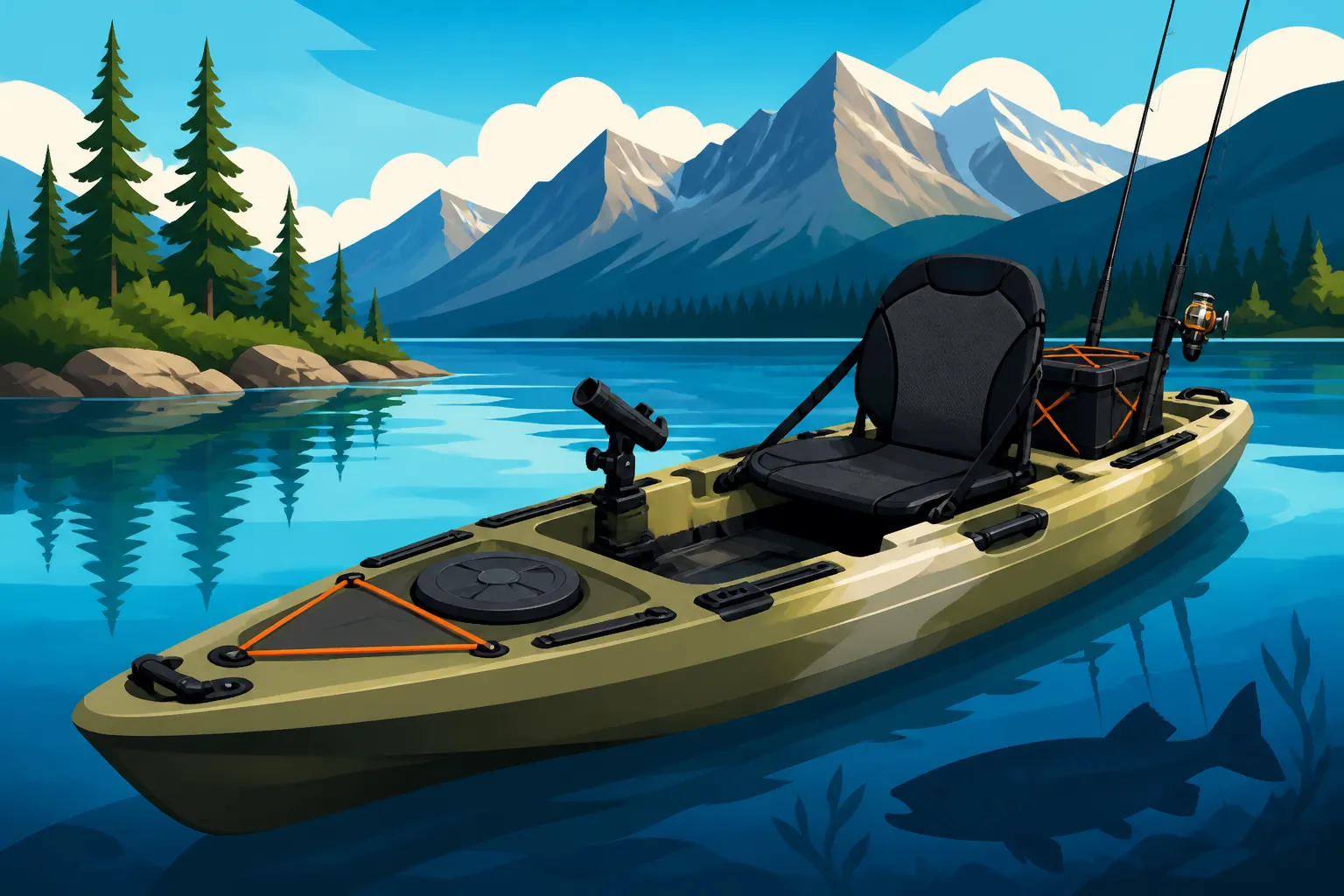
Long days on the water are part and parcel of Alberta lake fishing, and comfort is key to enjoying those hours. Many sit-on-top kayaks, especially those designed for fishing, come with elevated, adjustable seating that rivals some camping chairs. This isn't just a padded seat; these are often framed seats that lift you off the wet deck, providing better posture, reducing fatigue, and keeping you drier.
The ability to adjust your seat position, recline slightly, or even raise it higher for better visibility makes a massive difference over several hours. Unlike the often molded-in seats of recreational sit-ins, these dedicated fishing seats offer superior back support and cushioning, which is invaluable when you're paddling or patiently waiting for a bite. Poor seating can quickly turn an enjoyable outing into a painful one, forcing you off the water sooner than you'd like.
Furthermore, the open nature of a sit-on-top kayak allows for more movement and stretching, preventing stiffness. You can shift your legs, dangle your feet in the water on a hot day, or simply adjust your position without feeling constrained. This freedom of movement, combined with ergonomic seating, contributes significantly to your endurance and overall enjoyment, letting you spend those extra crucial hours on the water when the fish are biting.
Key Features to Look for in a Lake Fishing Sit-on-Top Kayak
Choosing the right sit-on-top kayak for Alberta's lakes involves looking beyond just the price tag or the color. It's about understanding how different features impact your fishing style, comfort, and safety on the water. A good fishing kayak is a tailored tool, and matching its features to your needs will make all the difference. You'll want to think about everything from how it moves through the water to where you'll stash your sandwiches.
Consider the types of lakes you plan to fish most often. Are they smaller, sheltered ponds, or large, open bodies like Cold Lake or Pigeon Lake? This will heavily influence your priorities. For instance, a kayak optimized for tracking straight across a large lake might be less agile on a winding river, though this guide focuses purely on lakes. Also, think about how you plan to transport your kayak – its weight and length will factor heavily into this.
It’s also wise to consider the long-term. Fishing kayaks are an investment, and while you might start simple, you'll likely want to add accessories like a fish finder, extra rod holders, or even a small trolling motor down the line. Look for models that offer versatility and easy customization. This forethought ensures your kayak can evolve with your angling journey, rather than needing an upgrade too soon.
Hull Design and Stability vs. Speed
The hull design of a sit-on-top kayak dictates its performance characteristics, primarily the balance between stability and speed/tracking. For lake fishing, stability is often prioritized, allowing you to cast and move around more confidently. A wider kayak with a flatter bottom will offer superior initial stability, meaning it feels very solid when you first get in, and you can move around without feeling tippy. These are great for calmer waters or if you plan to stand.
However, increased width and a flatter hull often come at the expense of speed and tracking. A kayak that's very stable might be slower to paddle and tend to drift more in the wind, requiring more effort to keep it on course, especially on larger lakes with more open water. For covering longer distances or fishing windy days on expansive bodies like Lesser Slave Lake, a slightly narrower hull with more of a V-shape or pronounced keel can offer better tracking and efficiency.
The ideal fishing kayak for lakes often strikes a balance: stable enough for fishing duties, but efficient enough to paddle reasonable distances without exhausting yourself. Some manufacturers use multi-chine hulls or pontoon-style hulls to achieve excellent stability without making the kayak feel like a barge. Think about your priorities: if standing is a must, lean towards maximum stability; if covering miles is your game, prioritize tracking and efficiency.
Seating and Ergonomics
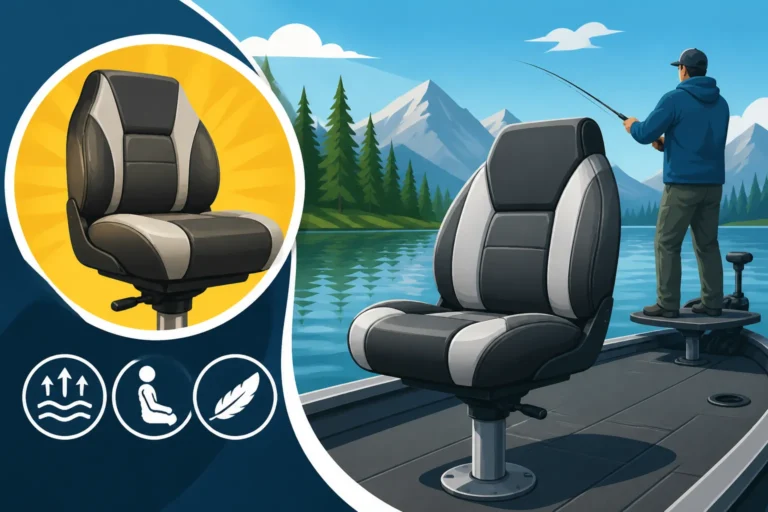
We touched on comfort earlier, but it deserves its own deep dive. A good seat in a fishing kayak isn't a luxury; it's a necessity for enjoying those extended fishing sessions. Look for a high-back, adjustable frame seat that gets you off the deck. These seats provide excellent lumbar support, which is critical for preventing back pain, and keep you higher and drier, offering a better vantage point over the water.
Beyond the seat itself, consider the footrests. Adjustable footpegs or molded-in footwells allow you to properly brace yourself while paddling, improving efficiency and reducing fatigue. Having proper leg support also helps with stability when you're casting or reaching for gear. Some kayaks offer sliding track systems for seats, allowing you to adjust your position forward or backward to trim the boat or accommodate different paddling styles.
Don't underestimate the importance of testing the seat before you buy, if possible. Sit in the kayak for a few minutes in the store, if they allow it. Imagine yourself sitting there for 4-6 hours. Does it feel supportive? Can you adjust it easily? Ergonomics are incredibly personal, and what works for one angler might not work for another. A comfortable, adjustable seat will make you want to spend more time fishing, which is the whole point!
Storage and Rigging Options
For serious lake anglers, the amount and type of storage, along with rigging options, are paramount. You're not just bringing a single rod; you're bringing a small arsenal. Look for kayaks with a large stern tankwell, often with bungee cord retainers, which is perfect for a cooler, a tackle crate (like those from YakAttack or Wilderness Systems), or a dry bag. Bow hatches, often sealed, are great for stowing items you want to keep dry and secure, like extra clothing or electronics.
Beyond the main storage areas, accessory tracks (like the GearTrax or Uni-Track systems) are incredibly valuable. These tracks allow you to easily mount and adjust various accessories – rod holders, fish finder mounts, camera mounts, and even cup holders – without drilling permanent holes in your kayak. This modularity means you can customize your setup for different types of fishing or even different trips, which is a huge benefit for versatility. Best Crate Setup for Kayak Fishing Storage offers more ideas.
Consider the placement of molded-in or flush-mount rod holders. Are they positioned where they'll be useful for trolling or for storing extra rods while you're actively casting? Some kayaks even feature dedicated rod tip protectors in the bow to keep your expensive rods safe while on the water or during transport. Easy access to gear, combined with secure storage, means you can focus on fishing without worrying about losing or damaging your equipment.
Propulsion Systems Paddle vs. Pedal vs. Motor Ready
While traditional paddling is still very popular and effective, the world of fishing kayaks has evolved significantly with alternative propulsion systems.
Paddle Kayaks: These are typically the most affordable and lightweight option. They require upper body strength and skill, but offer simplicity and the ability to navigate very shallow waters. They are great for small lakes or if you enjoy the physical activity of paddling. Look for a Best Paddle Length for a Fishing Kayak that matches your height and kayak width.
Pedal Kayaks: These are incredibly popular for lake fishing because they free up your hands for casting, re-tying, and managing your gear. Systems like Hobie's MirageDrive or Native Watercraft's Propel Drive allow you to move forward (and often backward) using your legs, which are much stronger than your arms. This means you can maintain position against wind or current, troll slowly, or cover long distances with less fatigue. They are generally heavier and more expensive, but the hands-free advantage is a game-changer for many anglers.
Motor-Ready Kayaks: Some sit-on-top kayaks are designed with transom mounts or integrated motor wells, allowing you to easily add an electric trolling motor. This is fantastic for covering vast distances on large Alberta lakes, battling strong winds, or simply relaxing and letting the motor do the work. Remember that a motor will require a battery, adding significant weight, and you'll want to ensure you have a Best Trolling Motor for a Fishing Kayak that matches your boat's size and weight. These kayaks often offer a blend of paddle, pedal, and motor options, providing ultimate versatility.
Choosing the Right Size and Weight for Alberta Lakes
The size and weight of your sit-on-top kayak are arguably as important as its features, especially when you consider the logistics of transporting, launching, and retrieving your boat. Alberta's lakes vary immensely in size and accessibility, from easily accessible provincial park lakes to more remote spots that might require portaging. What works perfectly on a small pond might be a nightmare on a large, windy lake.
Think about your personal strength and your vehicle's capabilities. Will you be car-topping your kayak? Do you have a truck with a bed extender, or a trailer? Will you always have a fishing buddy to help, or will you often be launching solo? These practical considerations can quickly narrow down your options, even before you start thinking about colors and rod holders. A kayak that's too heavy or cumbersome will spend more time in your garage than on the water.
Ultimately, the "right" size and weight are a compromise based on your fishing needs and logistical realities. There's no one-size-fits-all answer, so be honest with yourself about what you can comfortably handle. It's better to choose a slightly smaller, lighter kayak that you'll use frequently than a massive fishing machine that becomes a chore to manage.
Length and Width Considerations
Length: Kayak length generally affects speed, tracking, and storage capacity.
- Shorter Kayaks (under 10 feet): These are typically more maneuverable, lighter, and easier to transport. They're great for smaller, sheltered lakes, tight fishing spots, or when you prioritize portability. However, they tend to be slower and don't track as straight, meaning you'll spend more effort correcting your course on open water or in windy conditions.
- Medium Kayaks (10-12 feet): This is often the sweet spot for many lake anglers. They offer a good balance of maneuverability, speed, tracking, and storage. They're still manageable for solo transport but provide enough hull speed and stability for most medium to large Alberta lakes.
- Longer Kayaks (over 12 feet): These excel in speed, tracking, and capacity. They're ideal for covering long distances on vast lakes like Lake Athabasca or Cold Lake, and they can handle chop better. They also offer more deck space for gear and larger anglers. The trade-off is reduced maneuverability, increased weight, and more challenging transport and storage.
Width: Kayak width primarily dictates stability.
- Narrower Kayaks: These are faster and more efficient to paddle, but less stable. You'll find these more often in recreational or touring kayaks, less so in dedicated fishing models.
- Wider Kayaks: These offer superior stability, which is highly desirable for fishing. Many fishing sit-on-tops are 32-36 inches wide, providing a very solid platform for casting and standing. The downside is reduced speed and sometimes more effort to paddle, as you're pushing a wider displacement through the water.
Finding the right blend of length and width is about matching the kayak to your typical fishing environment and how you prioritize speed versus stability.
Weight and Transport Challenges
The actual weight of the kayak is a critical factor for transportation and launching. Fishing kayaks, especially those fully rigged with pedal drives or motor mounts, can be quite heavy.
- Lightweight Kayaks (under 70 lbs): These are generally easier for one person to lift onto a car roof rack, carry to the water's edge, or maneuver on a Best Kayak Cart for Portaging Around Rapids. They might be simpler, shorter, or made of lighter materials.
- Heavy Kayaks (over 80-100 lbs): These often come with more features, greater stability, and higher weight capacities. They typically require two people to load onto a vehicle or a dedicated kayak trailer. If you plan to fish solo with a heavy kayak, you'll need specialized loading assists for your vehicle or a very robust kayak cart.
Consider how you'll get your kayak from your home to the water. Will it fit in your truck bed? Do you have a sturdy roof rack? Loading a heavy, bulky kayak solo after a long day of fishing can be a real struggle and even lead to injury. Think through your entire process, from storage to launch, to avoid buyer's remorse based purely on weight.
Weight Capacity and Gear Loadout
Every kayak has a maximum weight capacity, which includes the angler, all their gear, and any motor or battery. It’s crucial not to exceed this limit, as it compromises stability, performance, and safety.
- Angler Weight: Be realistic about your own weight.
- Gear Weight: List out everything you typically bring: multiple rods, tackle boxes, cooler with drinks/food, fish finder, battery, anchor, PFD, dry bag, net, and any fish you might catch. This can add up quickly.
- Future Additions: If you plan to add a pedal drive later (if it's an accessory), a trolling motor, or a larger battery, factor that into your capacity needs.
Aim for a kayak with a weight capacity that gives you a comfortable buffer – ideally, your total loaded weight should be at least 20-30% below the stated maximum. This ensures the kayak performs optimally and maintains its intended stability. Running a kayak at its absolute maximum capacity will make it feel sluggish, less stable, and more prone to swamping in choppy conditions. For ensuring your safety, don't forget to review Life Jacket Requirements for Alberta Boaters and pick a Best Life Jacket for Lake Kayak Fishing.
Top Sit-on-Top Kayak Brands and Where to Find Them
Once you have a clear idea of the features, size, and weight that best suit your Alberta lake fishing adventures, it's time to look at some of the brands that consistently deliver quality and innovation in the fishing kayak space. While I won't recommend specific models (as those change frequently), knowing reputable brands helps you focus your search. You want a kayak that's built to last and will stand up to the rigors of Alberta's diverse conditions.
Remember, research is key. Read reviews from other anglers, especially those who fish similar waters to yours. Watch videos, and if possible, try to demo a kayak or at least sit in one at a local retailer. The feel of a kayak is very personal, and what one person loves, another might find uncomfortable. Don't rush the decision; this is an investment in your outdoor enjoyment.
Beyond the major players, don't overlook smaller, regional manufacturers or even used markets. Sometimes you can find fantastic deals on well-maintained used kayaks. Just be sure to thoroughly inspect any used boat for damage, especially cracks or excessive hull wear, before committing to a purchase.
Popular Fishing Kayak Brands
Several brands have carved out a reputation for producing excellent sit-on-top fishing kayaks, often specializing in different niches or price points.
- Hobie: Widely considered a pioneer in pedal-drive kayaks, Hobie's MirageDrive system (often with Kick-Up Fins for shallow water) is legendary. Their kayaks, like the Pro Angler series, are feature-rich, incredibly stable, and designed for serious anglers. They tend to be on the higher end of the price spectrum but offer unparalleled hands-free fishing capabilities.
- Native Watercraft: Another strong contender in the pedal-drive market with their Propel Drive system, Native Watercraft kayaks are known for their comfort and thoughtful fishing features. Many models allow the pedal drive to be easily removed or reversed, offering flexibility.
- Old Town Canoes & Kayaks: While known for their traditional canoes, Old Town has made significant strides in the fishing kayak market, particularly with their pedal and motor-ready models like the Sportsman series. They are praised for stability, spacious layouts, and innovative features for anglers.
- Perception Kayaks: Offering a range from entry-level to more advanced fishing kayaks, Perception is a good brand to look at for solid, reliable options that often provide excellent value. They focus on comfort and stability, making them a popular choice for many.
- Wilderness Systems: Wilderness Systems kayaks are highly regarded for their comfortable seating, excellent hull designs, and thoughtful fishing-specific features. Their ATAK series, for example, is a favorite among serious kayak anglers due to its stability and rigging options.
- Jackson Kayak: A brand with a strong paddling heritage, Jackson produces innovative fishing kayaks known for their stability, standability, and clever storage solutions. They cater to both paddle and pedal enthusiasts.
- Pelican Sport: For those looking for more budget-friendly options, Pelican offers a range of fishing kayaks that provide good entry points into the sport. They focus on accessibility and basic fishing features, ideal for casual anglers or those just starting out.
This list isn't exhaustive, but it gives you a solid starting point for exploring reputable brands known for quality fishing kayaks.
Buying Your Fishing Kayak in Alberta and Online
Once you've zeroed in on a few models or brands, the next step is finding where to purchase your new fishing vessel. You essentially have two main avenues: local retailers or online stores.
Local Retailers:
Visiting a local outdoor or marine store in Alberta often provides the invaluable opportunity to see the kayaks in person. You can physically sit in them, check the stability (on land, of course!), assess the storage, and talk to knowledgeable staff. Stores like Bass Pro Shops or specialty paddle sports shops often have a good selection of fishing kayaks and can offer advice tailored to local conditions and species. This direct interaction allows you to get a real feel for the kayak's size, weight, and layout, which can be critical for such a significant purchase. Plus, buying local often supports local businesses and allows for easier warranty claims or accessory purchases down the line.
Online Stores:
Online retailers offer a much broader selection, often at competitive prices, and can be a great option if you already know exactly which model you want. Large online marketplaces like Amazon carry a vast array of kayaks and accessories from various brands, often with detailed customer reviews that can provide valuable insights. Specialized outdoor gear websites also offer extensive selections. The main drawback here is the inability to physically inspect the kayak before it arrives, and shipping large items like kayaks can sometimes incur significant costs or logistical challenges. Always double-check shipping policies and return options when ordering a kayak online.
| Feature Category | Paddle Kayak | Pedal Kayak | Motor-Ready Kayak |
|---|---|---|---|
| Cost | Most affordable | Mid to high-range | High-range (kayak + motor + battery) |
| Propulsion | Manual paddling | Hands-free pedaling | Electric motor, often with paddle/pedal backup |
| Speed/Efficiency | Moderate, dependent on paddler | High, efficient over long distances | Very high, minimal effort |
| Stability | Good, often slightly less than pedal | Excellent, designed for standing | Excellent, often wider platforms |
| Maneuverability | High, especially shorter models | Good, often has reverse | Good, with precise motor control |
| Hands-Free Fishing | Limited (only when drifting/anchored) | Excellent, allows continuous fishing/trolling | Excellent, allows continuous fishing/trolling |
| Weight | Generally lightest | Moderate to heavy | Heaviest (due to motor/battery) |
| Transport/Storage | Easiest for car-topping | More challenging, often needs specific racks | Most challenging, often needs a trailer |
| Shallow Water Access | Excellent | Good (some drives can be retracted/kicked up) | Varies with motor depth, often good |
| Maintenance | Low | Moderate (drive system) | Moderate (motor, battery) |
| Best For | Budget-conscious, small lakes, simplicity | Covering distance, trolling, hands-free ease | Large lakes, long distances, effortless travel |
Regardless of where you buy, remember to factor in essential safety gear like a properly fitting life jacket, a whistle, a bailing device, and a throw bag. And don't forget to secure your Alberta Fishing License Guide for 2026 and your Alberta WIN Card, Explained before you hit the water! Happy fishing on Alberta's beautiful lakes!
Disclaimer
This article is for general informational purposes only and does not constitute professional advice. Laws, prices and regulations vary by location and change over time. Consult a qualified professional for guidance on your specific situation.