Best inflatable kayak for river fishing
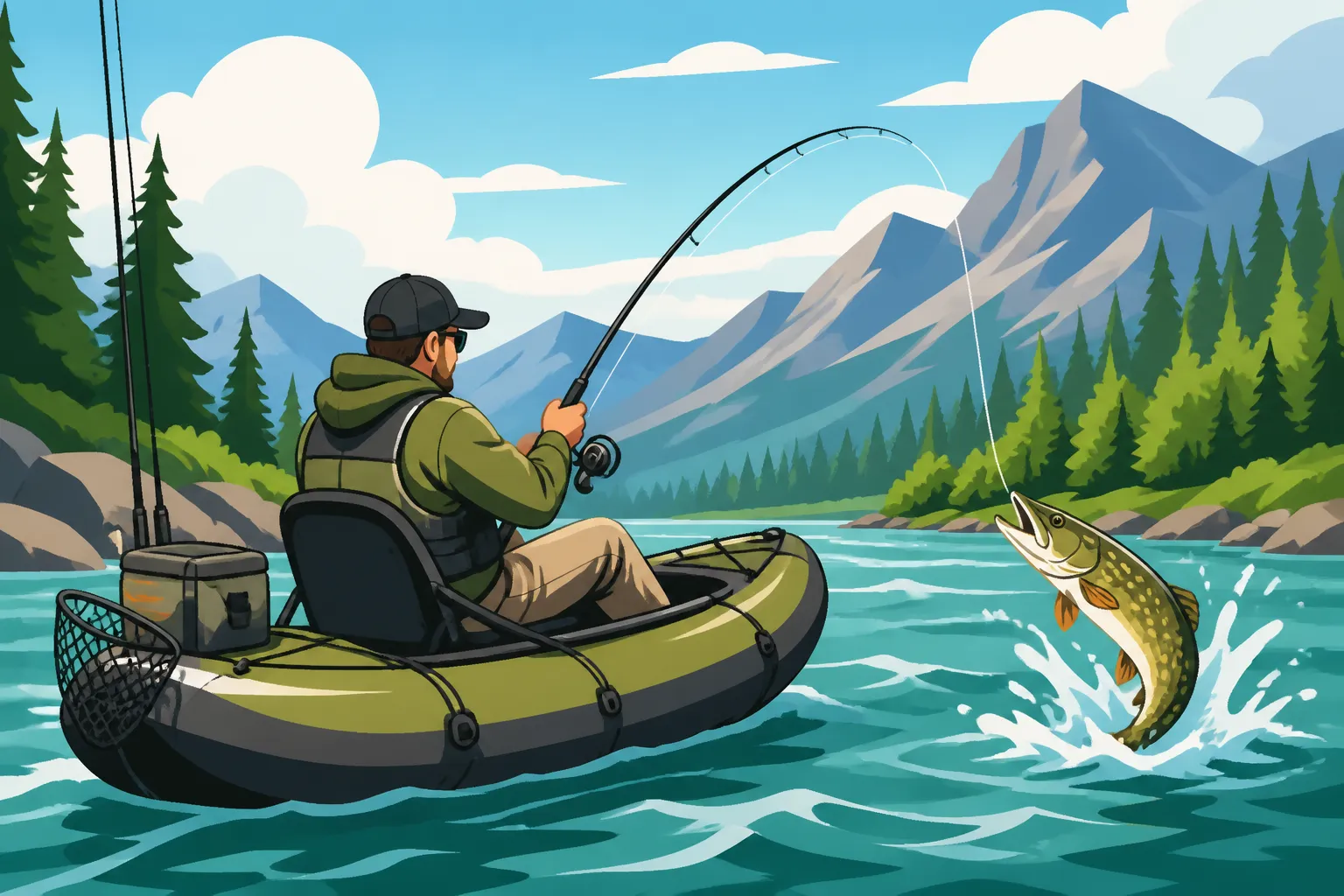
Starting an Alberta river fishing adventure can feel daunting when you consider hauling a bulky hardshell kayak to those often-remote launch spots. The logistics of transport, storage, and even just getting it to the water's edge can quickly dampen your enthusiasm. This guide is here to untangle those frustrations, helping you discover why an inflatable fishing kayak might just be the game-changer you need to effortlessly access Alberta's most productive river fishing grounds.
Why Inflatable Kayaks are a Game-Changer for Alberta River Anglers
Many anglers dream of exploring Alberta's incredible river systems—the Bow, the Oldman, the North Saskatchewan—but often get stuck on the practicalities of boat ownership. Traditional hardshell kayaks are fantastic, no doubt, but they come with a significant footprint. They demand roof racks, ample garage space, and a bit of muscle to move around. For those of us living in smaller spaces, or who simply don't want the hassle of a cumbersome setup, this is where inflatable kayaks truly shine. They offer a freedom that static boats simply can't match.
Portability and Storage Convenience
One of the biggest headaches for any avid angler is finding a place for all their gear, especially a boat. A rigid kayak can be a massive commitment. Imagine trying to store a 10-foot kayak in a small apartment or even a packed garage – it's a non-starter for many. This is precisely where inflatable kayaks become an undeniable advantage. They deflate into a compact package that can fit into a car trunk, an RV compartment, or even a closet. This ease of storage completely eliminates the need for roof racks or extensive garage space, making them a perfect fit for urban dwellers or those with limited storage options.
Think about impromptu trips: no need to attach a roof rack or coordinate with a friend who has a truck. You can simply pack your deflated kayak, rods, and tackle, and head out on a whim. This ease of transport opens up a whole new world of access to those harder-to-reach stretches of river, making a spontaneous afternoon on the water a realistic possibility, not a logistical nightmare. For anglers who value flexibility and minimal fuss, the ability to pack up and go is invaluable, and it means more time on the water, less time worrying about getting there.
Durability Against River Realities
There's a common misconception that "inflatable" means "fragile." I know, I've heard it a hundred times! Many envision a pool toy, ready to pop at the first brush with a sharp rock. However, modern inflatable fishing kayaks are built with incredibly robust materials like heavy-duty PVC or Hypalon, often featuring multiple air chambers and reinforced bottoms. These aren't your average lake inflatables; they are designed to withstand the scrapes, bumps, and occasional bangs that come with navigating rocky riverbeds and swift currents.
In fact, their flexibility can sometimes be an advantage over rigid boats. Where a hardshell might crack or gouge on impact, an inflatable can flex and bounce off obstacles, absorbing the shock. This doesn't mean you should intentionally ram rocks, of course, but it does mean you can approach Alberta's diverse river environments with greater confidence. When you're drifting through a section of the Bow River Fishing Guide that has some shallow riffles, knowing your kayak can handle a gentle scrape against a submerged stone is incredibly reassuring. The material technology has come so far that these boats are surprisingly resilient against the typical wear and tear of river environments.
Essential Features for River Fishing Performance
When you're choosing an inflatable kayak specifically for river fishing in Alberta, it's not just about getting wet. It's about stability, control, and having the right setup to actually fish effectively. A general-purpose inflatable might get you on the water, but it won't necessarily enhance your angling experience. You need to consider specific design elements that cater to the unique demands of river environments and fishing activities.
Stability and Tracking in Current
River currents can be unpredictable, from gentle glides to swift, powerful flows. For an angler, stability is paramount. You need to feel secure enough to cast, set the hook, and potentially even stand up for a better vantage point, all while managing your drift. Look for wider kayaks with flat bottoms or pontoon-style hulls, which offer excellent initial stability. Self-bailing scupper holes are also crucial; they allow water that splashes into the boat to drain out automatically, preventing you from getting swamped, especially when dealing with choppy conditions or rapids.
Tracking—the ability of the kayak to hold a straight line—is also important, especially in stronger currents or when paddling across larger pools. While inflatable kayaks generally don't track as rigidly as hardshells, many river fishing models incorporate removable skegs or fins. These help the kayak move more predictably, reducing the amount of corrective paddling you need to do and allowing you to focus more on fishing. Imagine trying to fish a seam on the Oldman River Fishing Spots without proper tracking; you'd spend more time paddling than casting!
Durable Construction and Puncture Resistance
As we touched upon, durability is non-negotiable for river fishing. The materials used in construction directly impact the kayak's longevity and performance. High-denier PVC (often 1000D or higher) or advanced materials like Hypalon are common in quality inflatable kayaks. These materials are not only tough against abrasions but also resistant to UV damage, which is important for boats that will spend a lot of time under the intense Alberta sun.
Beyond the material, examine the construction details. Look for multiple air chambers, which enhance safety; if one chamber is compromised, the others can keep you afloat. Reinforced seams and protected bottom sections (sometimes with an additional layer of material) provide extra resilience against sharp rocks, submerged logs, and other river hazards. Some premium models, often found at reputable outdoor retailers like Bass Pro Shops or through online platforms like Amazon, feature drop-stitch technology in the floor, creating a much more rigid and stable platform, almost like a solid board, which is fantastic for standing and casting. This feature dramatically improves the feel and performance of the kayak, making it feel much more like a hardshell.
Fishing-Specific Features
A kayak isn't truly a fishing kayak without features designed for anglers. These thoughtful additions make a huge difference in convenience and efficiency on the water. Look for integrated rod holders—both flush-mount for storage and adjustable spinning/casting rod holders for active fishing. Gear tracks, or universal mounting systems, are incredibly useful for attaching fish finders, GPS devices, cameras, or additional rod holders without having to drill into the boat. This adaptability allows you to customize your setup for specific fishing scenarios, from trolling on calmer sections to precision casting in tighter spots.
Storage is another key factor. D-rings and bungee cords are great for securing dry bags (like the ones you'd want for your phone and keys) or small coolers. Some kayaks include dedicated tackle storage compartments, adjustable seating for comfort during long hours on the water, and even anchor points for holding your position in a current. These features help keep your gear organized and easily accessible, allowing you to maximize your fishing time rather than fumbling for essential items. Investing in a Best Dry Bag for Kayak Fishing is always a wise choice to protect your valuables.
Navigating Alberta's Diverse River Environments
Alberta's rivers are a magnificent tapestry of varied conditions, from the fast-flowing, rocky mountain streams to the wider, slower prairie rivers. Choosing the right inflatable kayak means understanding these environments and how your boat will perform in each. A kayak perfectly suited for a gentle drift on the Red Deer River might struggle with the strong currents and technical sections of a mountain stream.
Understanding River Currents and Obstacles
Rivers are dynamic. What might be a calm, easy float one day could be a powerful, challenging current the next, especially with fluctuating water levels from snowmelt or heavy rains. When selecting your inflatable kayak, consider the typical current speeds of the rivers you plan to fish most often. Shorter, more maneuverable kayaks (usually under 10 feet) with rocker (a slight upward curve at the bow and stern) are generally better for navigating tighter bends and quicker currents, allowing for faster turns and obstacle avoidance. These designs help the kayak ride over waves and pivot more easily, which is essential in technical river sections.
However, if you're primarily fishing wider, slower sections, a longer kayak (10-12 feet) with better tracking might be preferable, as it will require less effort to paddle and hold a straight line. Always be mindful of submerged rocks, fallen trees (log jams are common in many Alberta rivers), and shallow riffles. The robust construction of a good inflatable kayak helps mitigate damage from these obstacles, but good paddling and scouting skills are always your best defence. Always check Alberta Boating Laws for Anglers and Life Jacket Requirements for Alberta Boaters before you head out, and ensure you have a Best Life Jacket for Lake Kayak Fishing that fits well.
Accessing Remote Fishing Spots
One of the most compelling reasons to choose an inflatable kayak is the unparalleled access it provides. Many prime fishing spots along Alberta's rivers are simply inaccessible to boats that require a trailer and a developed boat launch. With an inflatable, you can hike down to a secluded section, inflate your kayak on the riverbank, and launch directly into undisturbed water. This is a game-changer for anglers seeking solitude and unpressured fish. The ability to carry your boat in a backpack or duffel means that even short, steep banks are no longer a barrier.
Consider the logistics: instead of waiting in line at a busy public launch, you can often find a quiet pull-off, carry your packed kayak a short distance, and be on the water. This ability to "go where others can't" is a huge advantage, particularly on smaller streams or sections of larger rivers with limited road access. It allows you to explore truly wild stretches of Alberta's waterways, discovering new honey holes far from the crowds. Just remember to always practice Leave No Trace principles when accessing these pristine areas, and respect private land boundaries.
Weather and Water Level Considerations
Alberta's weather can be notoriously fickle, and river conditions can change rapidly. An inflatable kayak, while durable, requires some extra thought in certain scenarios. High winds can make paddling an inflatable challenging, as they tend to sit higher on the water and are more susceptible to being pushed around. Always check the weather forecast before heading out, especially on larger, open stretches of river where winds can be amplified. If the wind picks up dramatically, you might find yourself fighting the current more than you’d like.
Similarly, rapid changes in water levels can impact fishing and safety. Extremely low water can expose more hazards, while very high water can create powerful currents and introduce floating debris. Your inflatable kayak's puncture resistance is vital here, but it's not a license to be reckless. If the river is running high and fast, it might be safer to choose a different day or a more suitable body of water, perhaps one of the Best Fishing Lakes in Alberta. Always err on the side of caution and prioritize safety above all else, especially when fishing solo.
Maintaining Your Inflatable Kayak for Years of Adventure
So you've chosen your trusty inflatable fishing kayak, and you're ready for countless adventures on Alberta's rivers. But just like any valuable piece of gear, it needs a bit of love and attention to ensure it performs optimally and lasts for many seasons. Proper maintenance isn't just about cleanliness; it's about preserving the integrity of the materials, preventing issues, and ensuring your safety on the water.
Cleaning and Drying After Each Use
This is perhaps the most critical step for longevity. After every trip, especially on muddy rivers, it's essential to thoroughly clean your kayak. Mud, grime, and organic matter can degrade materials over time and encourage mildew growth. Use a mild soap and fresh water, scrubbing gently to remove any residue. Pay close attention to seams and valves where debris can accumulate. A soft brush can be helpful for those stubborn spots, but avoid harsh chemicals that could damage the fabric.
More importantly, thoroughly dry your kayak before storing it. Even a small amount of residual moisture can lead to mildew, which not only smells terrible but can also damage the fabric and coatings, compromising its long-term durability. Inflate it partially, wipe it down, and then let it air dry completely, ideally in a shaded, well-ventilated area. Don't rush this step, even if it means hanging it up in your garage for a day or two. A dry kayak is a happy kayak, and one that won't give you unpleasant surprises when you unpack it for your next trip. This practice is crucial for any kayak, whether it's a hardshell or inflatable, but especially so for inflatables where moisture can get trapped in folds.
Proper Storage Techniques
Once clean and completely dry, how you store your inflatable kayak makes a huge difference. Avoid storing it in direct sunlight for extended periods, as UV rays can cause materials to become brittle and discolored, significantly shortening its lifespan. Extreme temperatures—both very hot and very cold—can also stress the materials and seams. A cool, dry, and dark place, like a basement or a climate-controlled shed, is ideal.
When deflating and folding, try to follow the manufacturer's instructions to prevent creasing the material in the same spots repeatedly. This can weaken the fabric over time. If possible, store it loosely rolled or folded rather than tightly packed. Some anglers even prefer to store it partially inflated to avoid tight creases altogether, if space permits. A good storage bag, often provided with the kayak or available from retailers like Bass Pro Shops or Amazon, can protect it from dust and pests during the off-season. Proper storage means your Best Kayaks for Alberta Fishing will be ready to go when you are.
Patching and Repair Kits
Even with the most durable materials and careful handling, accidents can happen. A sharp rock or a rogue branch could, on rare occasions, cause a minor puncture. This is why a good repair kit is not just a nice-to-have, it's an absolute essential for any inflatable kayak owner. Most quality inflatable kayaks come with a basic repair kit, including patches and adhesive. Familiarize yourself with how to use it before you need it. A dry run in your backyard can build confidence for when it truly matters.
For serious anglers, carrying a more comprehensive field repair kit on every trip is a smart move. This might include extra patches, strong marine-grade adhesive, and perhaps a small hand pump for emergency inflation. Knowing how to quickly patch a small leak on the water or back at the campsite can save your trip, ensuring you don't get stranded. Regular inspections of your kayak for small abrasions or potential weak spots will also allow you to address minor issues before they become major problems, ensuring your kayak remains watertight and safe for your Alberta Fishing Regulations Explained adventures.
| Feature | Description | Why it Matters for River Fishing in Alberta |
|---|---|---|
| Material | Heavy-duty PVC (1000D+), Hypalon, reinforced fabric | Resists punctures from rocks, logs; withstands UV for longevity. |
| Air Chambers | Multiple, independent chambers | Enhanced safety; if one leaks, others maintain buoyancy. |
| Floor Type | Drop-stitch (rigid), inflatable I-beam | Provides stable platform for casting, standing; better performance in current. |
| Self-Bailing | Scupper holes to drain water | Prevents swamping in rapids or choppy water; crucial for safety. |
| Removable Skegs | Fins that attach to the bottom | Improves tracking in currents, reduces corrective paddling effort. |
| Rod Holders | Integrated flush-mount or adjustable mounts | Keeps rods secure while paddling/casting; prevents loss. |
| Gear Tracks | Rails for mounting accessories (fish finder, GPS, camera) | Customization for electronics and other fishing tools without drilling. |
| D-Rings/Bungees | Attachment points for securing gear, dry bags | Secures tackle, coolers, personal items; prevents loss in current. |
| Seating | Adjustable, comfortable, often elevated | Enhances comfort for long trips; elevated position aids casting and visibility. |
Disclaimer
This article is for general informational purposes only and does not constitute professional advice. Laws, prices and regulations vary by location and change over time. Consult a qualified professional for guidance on your specific situation.