Best boat seat for all-day lake fishing
There's nothing quite like spending a glorious day out on one of Alberta's stunning lakes, chasing after walleye on Lesser Slave Lake or perhaps some monster pike on Lake Athabasca. But let's be honest, those long hours can quickly turn from idyllic to agonizing if you're stuck on a flimsy, uncomfortable boat seat. Many anglers suffer through back pain, numb legs, and general discomfort, which absolutely saps the joy out of fishing. This guide is all about helping you reclaim your comfort on the water by exploring what makes the best boat seat for those extended fishing adventures.
Why a Good Boat Seat Matters for Alberta Anglers
Imagine this: you've planned a full day of fishing, the weather's perfect, the bite is on, and you're out on the water at dawn. By midday, instead of focusing on that subtle tap on your line, all you can think about is how much your lower back aches or how your rear end is protesting every bump. This isn't just a minor inconvenience; it genuinely detracts from the entire experience and can even impact your fishing success. A truly great boat seat isn't a luxury; it's an essential piece of equipment for any serious angler who values their comfort and their time on the water.
The Toll of Long Hours on the Water
Anyone who's spent more than a couple of hours in a less-than-ideal boat seat knows the feeling. It starts with a slight stiffness, then a dull ache, and before you know it, you're constantly shifting, fidgeting, and trying to find a position that offers even momentary relief. This constant discomfort isn't just annoying; it causes real physical strain. Your back muscles can tighten, your shoulders can hunch, and poor circulation can lead to numb legs or a tingling sensation. When you're spending hours battling waves, casting, reeling, and staying alert, your body needs all the support it can get. Without it, you're setting yourself up for fatigue long before the sun even starts to dip below the horizon.
Think about it: whether you're anchored in a calm bay or slowly trolling across a large lake, your body is under constant, subtle stress. Vibrations from the motor, small chops on the water, and the repeated motions of fishing all add up. A standard, flat plastic seat or a thin, worn-out cushion simply doesn't absorb this stress, instead transferring it directly to your spine and joints. This accumulated fatigue can quickly turn a fun outing into a test of endurance, making you count down the minutes until you can get back to shore rather than enjoying the pursuit of that trophy pike or walleye.
Impact on Focus and Performance
Beyond the physical pain, an uncomfortable seat has a direct and detrimental impact on your ability to fish effectively. When you're constantly distracted by discomfort, your focus on the water dwindles. You might miss those subtle bites, fail to notice changes in your line, or simply not have the energy to react quickly to a strike. Fishing demands concentration, patience, and quick reflexes, especially when targeting some of Alberta's more elusive species. If half your brain is dedicated to finding a less painful sitting position, the other half isn't fully engaged in the task at hand.
Consider a scenario where you're trying to execute a precise cast or feeling for a light bite in windy conditions. If your body is screaming at you, your movements might become less fluid, your casting arm might tire more quickly, or you might pull your hookset prematurely. A good seat allows you to remain stable, relaxed, and fully immersed in the fishing experience. It enables you to focus on the nuances of your presentation, the rhythm of the water, and the subtle indicators of fish activity, ultimately leading to more successful outings. It's an investment in your mental game as much as your physical comfort.
Health Benefits of Proper Support
It's not just about comfort in the moment; long-term health is a serious consideration. Repeated exposure to poor posture and constant vibration from boat movement can contribute to chronic back pain, sciatica, and other musculoskeletal issues. Just like a good office chair is crucial for desk workers, a supportive boat seat is vital for dedicated anglers. Proper lumbar support, cushioning that distributes pressure evenly, and ergonomic design work together to maintain the natural curve of your spine and reduce strain on pressure points.
Investing in a high-quality, ergonomically designed boat seat can literally save you from years of discomfort. It helps prevent muscle imbalances, reduces nerve compression, and promotes healthy circulation, even after hours of sitting. This means you can keep pursuing your passion for fishing for many more years to come, without having to cut trips short or suffer consequences later. Think of it as preventative medicine for your angling career – a smart choice for anyone who plans on making fishing a lifelong hobby.
Key Features to Look for in an All-Day Fishing Boat Seat
When you're trying to pick out the perfect boat seat, it's easy to get overwhelmed by all the options. But by breaking it down into a few key features, you can make an informed decision that will save your back and enhance your fishing trips. It’s not just about how it looks, but how it’s built, what it’s made of, and how it performs under the demanding conditions of Alberta’s lakes and rivers.
Ergonomics and Padding
This is arguably the most crucial aspect of an all-day comfortable seat. You need more than just a thin layer of foam. Look for high-density foam that offers firm, yet yielding support, rather than cheap foam that compresses quickly and stays compressed, essentially offering no cushioning after an hour. Memory foam or gel inserts can also be fantastic for contouring to your body and distributing weight evenly, preventing pressure points that lead to numbness. The density and quality of the foam will dictate how well the seat maintains its shape and support over time.
Beyond the padding, the overall ergonomic design is paramount. Does the seat have built-in lumbar support that cradles the natural curve of your lower back? Is the seat pan wide enough to support your thighs without cutting off circulation, but not so wide that you're sliding around? Some seats feature contoured backrests that encourage good posture, and armrests can provide additional stability and comfort, allowing you to relax your shoulders and arms when you're not actively casting. When you sit in it, it should feel like it's hugging you in the right places, not forcing you into an unnatural position. Imagine spending hours jigging for burbot through the ice, or trolling for Lake Trout Fishing in Alberta; good ergonomics will make all the difference.
Material Durability and Weather Resistance
Alberta weather can be unpredictable, going from glorious sunshine to driving rain or even hail in a single afternoon. Your boat seat needs to stand up to these elements, season after season. Marine-grade vinyl is the industry standard for a reason: it's incredibly tough, resistant to tears, abrasions, and UV damage (which can cause cheaper materials to crack and fade). Look for vinyl with a high UV resistance rating to prevent sun damage over years of exposure.
The stitching is also vital. Double-stitching or even triple-stitching with UV-resistant thread will prevent seams from unraveling. Underneath the vinyl, the frame material needs to be robust. Aluminum or stainless steel frames are excellent choices because they resist corrosion, unlike regular steel. High-impact plastic frames can also be durable if they are made from quality polymers, but always check for reviews regarding their long-term integrity. Mold and mildew resistance are also key features, as moisture is inevitable on a boat. Many marine vinyls are treated to resist microbial growth, keeping your seat looking and smelling fresh.
Mounts, Swivels, and Adjustability
A great seat isn't much good if it's wobbly or can't be adjusted to your liking. Most fishing boat seats attach to a pedestal base, which in turn mounts to the boat floor. Ensure the mounting system is sturdy and compatible with your boat. A high-quality swivel mechanism is essential for comfort and functionality, allowing you to easily turn to cast, grab gear, or interact with fishing partners. Look for heavy-duty swivels that operate smoothly without binding or excessive play.
Adjustability further enhances comfort. Many pedestal seats offer height adjustments, allowing you to tailor your seating position for optimal visibility and casting ergonomics. Some higher-end seats even offer recline functions or adjustable armrests. If you fish a variety of techniques – from aggressive casting to passive trolling – having a seat that can adapt to your needs throughout the day is a huge advantage. Check for locking mechanisms on swivels and height adjustments to ensure they stay put once set. Options found at places like Bass Pro Shops or even online through Amazon often detail these features meticulously, allowing you to compare.
Size and Fit Considerations
One size definitely does not fit all when it comes to boat seats. Consider your own body size and weight. A larger angler will need a wider, deeper seat pan and a taller backrest for adequate support. Similarly, if you're on the smaller side, a seat that's too bulky might feel unwieldy.
Beyond your personal fit, consider the space available in your boat. A larger helm seat might be incredibly comfortable, but if it takes up too much deck space, it might hinder your ability to move around or store gear. Folding seats are excellent for smaller boats or for maximizing space when not in use. If you have multiple fishing partners, you might need a combination of fixed and folding seats. For serious anglers who spend a lot of time standing and casting, a leaning post or a specialized casting seat might be a better option than a traditional sit-down seat, providing support without restricting movement. Understanding the dimensions of your boat and how you typically fish will help you choose a seat that integrates seamlessly into your setup.
Types of Boat Seats Best Suited for All-Day Comfort
Just like there are different types of boats for different fishing styles, there are various boat seats designed with distinct advantages. Understanding these differences can help you narrow down the best option for your specific fishing habits and boat setup.
Pedestal Seats
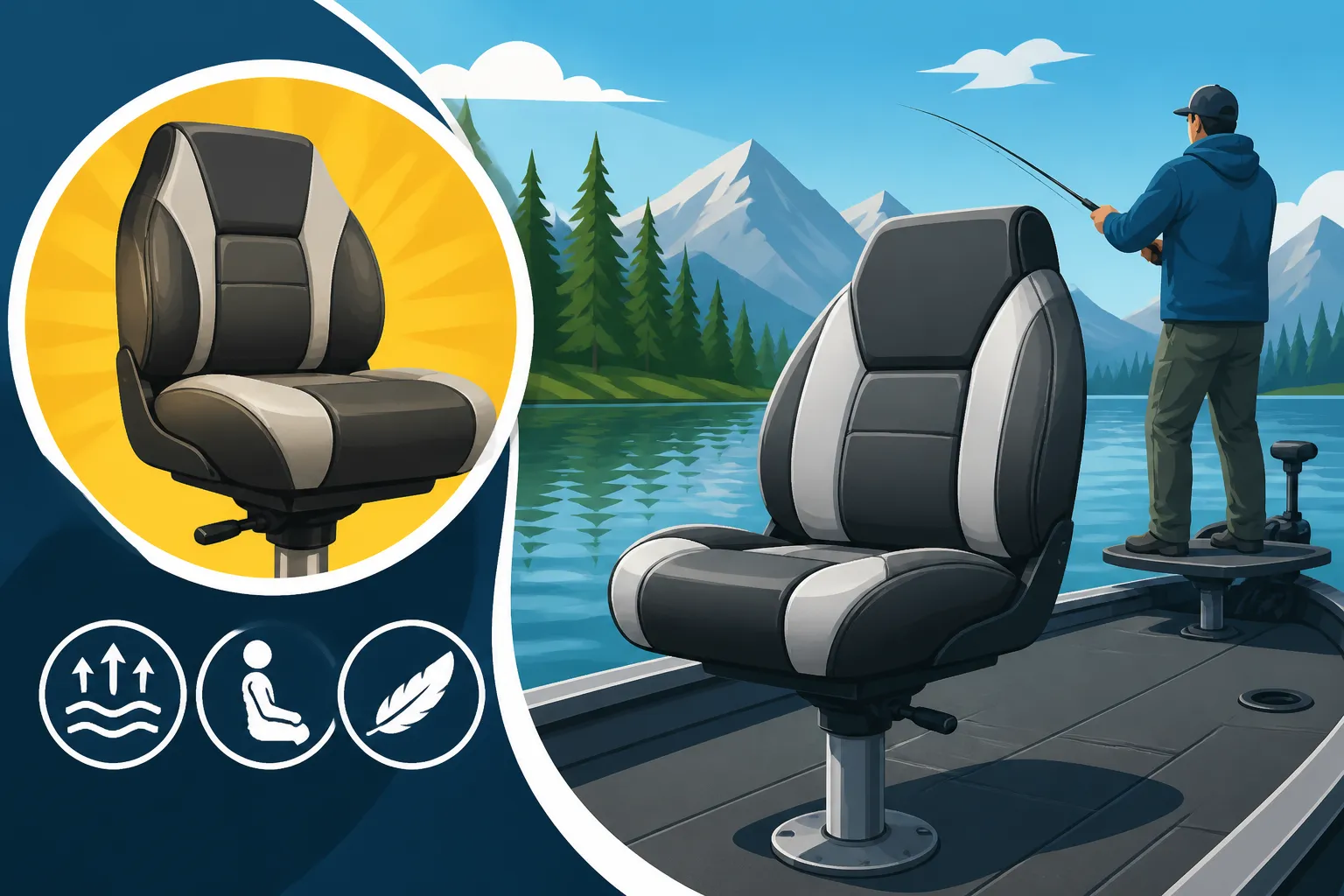
Pedestal seats are perhaps the most common type found in fishing boats, and for good reason. They offer excellent versatility and often superior comfort for all-day use. These seats typically mount to a pole (the pedestal) which is then secured to the boat floor. The key advantages are their height adjustability and the ability to swivel 360 degrees. This allows you to easily turn to follow a fish, grab a net, or communicate with fellow anglers without having to stand up or awkwardly twist your body. Many serious anglers prefer them for Bow River Fishing Guide trips, where quick adjustments are often necessary.
The comfort level of pedestal seats varies widely. Entry-level models might have basic, thin padding, while premium versions feature thick, high-density foam, ergonomic contours, and even shock-absorbing pedestals to dampen vibrations from rough water. These shock-absorbing pedestals are a game-changer on choppy days on large lakes like Cold Lake, drastically reducing the jarring impact on your back. For those long days, investing in a high-quality pedestal seat with ample padding and back support is highly recommended. Some designs are even suspension-equipped, offering an incredibly smooth ride even when the waves kick up.
Folding and Helm Seats
Folding seats are incredibly practical, especially for smaller boats or when deck space is at a premium. They fold down flat when not in use, creating more room for casting, moving around, or covering the boat for storage. While traditional folding seats might compromise slightly on long-term comfort compared to a dedicated, heavily padded pedestal seat, many modern designs offer excellent support. Look for folding seats that still feature robust frames, thick foam padding, and durable marine-grade vinyl. The hinge mechanism should be strong and corrosion-resistant to ensure longevity.
Helm seats, on the other hand, are specifically designed for the boat's operator and are often the most comfortable seat in the boat. They tend to be larger, more heavily padded, and offer superior back and arm support. Many helm seats have bolster functions, allowing you to flip up the front section of the seat to create a leaning post, which is great for visibility and standing comfortably while operating the boat. While a full helm seat might be overkill for a small jon boat, it's an excellent choice for larger fishing rigs where the captain spends extended periods at the wheel, navigating Alberta's diverse waterways. Considering a boat's general setup, like those discussed in Best Boats for Alberta Lakes and Rivers, will help determine if a dedicated helm seat is feasible.
Bench and Casting Seats
Bench seats are commonly found in utility boats, smaller aluminum fishing boats, and sometimes as additional seating in larger vessels. They offer simplicity and often a lower cost point. While a basic aluminum bench is notoriously uncomfortable for more than an hour, aftermarket cushions and backrests can significantly improve their comfort. Look for custom-fit bench cushions with thick, marine-grade foam and secure attachment points to prevent them from sliding around. Some bench seat designs even incorporate storage underneath, which can be a valuable feature for stowing tackle and other gear.
Casting seats (also known as bicycle seats or leaning posts) are specialized options designed for anglers who spend most of their time standing and fishing. These seats are usually mounted on a tall pedestal and offer support for your glutes and lower back while you're in a semi-standing, leaning position. They're fantastic for sight fishing or aggressive casting techniques, as they keep you mobile and ready to react. While not a "sitting" seat in the traditional sense, they provide immense relief from standing fatigue over a long day. If you mostly fish from a standing position, a quality casting seat can be a game-changer, allowing you to maintain energy and focus for longer periods. For those eyeing trophy fish, a good casting seat paired with a Best Fish Finders for Alberta Lakes can be an unstoppable combination.
Maintenance and Longevity for Your Investment
You've put time and thought into choosing the perfect boat seat for those epic Alberta fishing trips. Now, let's talk about keeping that investment in top shape. Just like you wouldn't neglect your Best Fishing Rods for Alberta Rivers, your boat seats need a little love to ensure they provide comfort and support for many seasons to come. Neglecting maintenance can lead to premature wear, fading, and deterioration, making those all-day trips miserable again.
Cleaning and Care
Regular cleaning is the simplest and most effective way to prolong the life and appearance of your boat seats. Marine vinyl is remarkably durable, but it's not invincible. Dirt, grime, fish guts, sunscreen, and even airborne pollutants can build up and degrade the material over time. After each outing, give your seats a quick wipe-down with a damp cloth to remove surface dirt. For deeper cleaning, use a mild soap (like dish soap) and warm water. Avoid harsh chemical cleaners, abrasive scrubbers, or solvents, as these can strip protective coatings, cause discoloration, or damage the vinyl.
For stubborn stains or mildew spots, there are specialized marine vinyl cleaners available at most marine supply stores or through online retailers like Amazon. Always test any new cleaner on an inconspicuous area first to ensure it doesn't cause damage or discoloration. Pay close attention to the stitching, as dirt and mildew can accumulate there. A soft brush can help gently clean these areas. Beyond cleaning, consider using a marine vinyl conditioner or protectant periodically. These products help keep the vinyl supple, prevent cracking from UV exposure, and offer an extra layer of protection against the elements. This proactive approach will keep your seats looking new and feeling comfortable for years.
Storage Best Practices
When your boat isn't in use, especially during the off-season or extended periods, proper storage is crucial. Exposure to constant UV radiation, rain, snow, and extreme temperatures can take a heavy toll on boat seats. The best practice is to cover your boat with a high-quality boat cover that protects all surfaces, including your seats. Ensure the cover is breathable to prevent moisture buildup, which can lead to mildew.
If possible, removing your boat seats and storing them in a dry, temperature-controlled environment, like a garage or shed, is an excellent option, especially for the harsh Alberta winters. This completely shields them from the elements and extends their lifespan significantly. For seats that cannot be easily removed, ensure they are thoroughly cleaned and dry before covering. You might also want to place moisture absorbers inside the boat if it's going to be stored for a very long time, to prevent any dampness from affecting the seats or other interior components. Proper storage also protects the mechanical components, like the swivels and pedestals, from seizing up due to rust or corrosion. Protecting your entire setup, including your Best Cooler for a Fishing Boat and Best Rod Holder Setup for a Fishing Boat, contributes to the overall longevity of your vessel.
When to Consider Replacement
Even with the best care, boat seats eventually wear out. Knowing when to consider replacement can save you from a lot of discomfort and potential safety issues. Obvious signs of wear include tears, cracks, or punctures in the vinyl, which can expose the foam padding to moisture and accelerate deterioration. Fading and discoloration are also indicators that the UV protection has worn down.
Beyond visible damage, pay attention to the seat's functionality and comfort. If the foam padding has become permanently compressed, feels lumpy, or no longer provides adequate support, it's time for an upgrade. A seat that constantly causes back pain or numbness, even after short trips, isn't serving its purpose. Also, check the frame and mounting hardware. If there's excessive wobbling, corrosion on the pedestal, or if the swivel mechanism is stiff, binding, or has too much play, it might be safer and more comfortable to replace the entire unit. Sometimes, simply replacing worn-out components like the pedestal or swivel can extend the life of an otherwise good seat, but if the seat itself is compromised, a full replacement will be a worthwhile investment for your continued comfort on the water.
In the end, choosing the best boat seat for all-day lake fishing in Alberta is a personal decision, but it's one that deeply impacts your enjoyment and success on the water. Prioritizing ergonomics, durable materials, and thoughtful design will ensure that your fishing adventures remain comfortable and memorable. Whether you're upgrading an old seat or outfitting a new boat, taking the time to select the right one will pay dividends in back-saving comfort and countless more hours doing what you love. Remember to also check the Alberta Boating Laws for Anglers and Life Jacket Requirements for Alberta Boaters before you head out, ensuring you're safe and legal on the water.
| Feature Type | Essential for All-Day Comfort | Benefits | Consideration for Alberta Conditions |
|---|---|---|---|
| Ergonomics | High-density foam, lumbar support, contoured backrest | Reduces fatigue, prevents pain, promotes good posture | Absorbs vibrations from choppy lakes, provides insulation |
| Materials | Marine-grade UV-resistant vinyl, corrosion-resistant frame | Long-lasting, withstands sun, rain, and fish guts | Resists cracking in cold, prevents mildew in damp conditions |
| Adjustability | Swivel, height adjustment (pedestal seats), recline option | Customizes fit, improves visibility, allows easy movement | Adapts to different fishing styles and casting needs |
| Durability | Double-stitched seams, robust frame construction | Withstands constant use, heavy anglers, and rough handling | Handles extreme temperatures and heavy loads for years |
| Casting/Leaning | Specialized casting seat on tall pedestal | Reduces standing fatigue, maintains mobility for active fishing | Ideal for sight fishing in clear waters, rapid casting |
Disclaimer
This article is for general informational purposes only and does not constitute professional advice. Laws, prices and regulations vary by location and change over time. Consult a qualified professional for guidance on your specific situation.