Best pedal kayak for hands-free fishing
For many of us who love to cast a line in Alberta, the frustration of trying to manage a paddle, a rod, and a fish all at the same time is just too real. It feels like you need three hands, doesn't it? This guide is all about giving you back those "extra" hands, diving deep into the world of pedal kayaks specifically designed for fishing, so you can focus on the tug on your line, not the current.
The Freedom of Hands-Free: Why Pedal Kayaks Change the Alberta Fishing Game
Picture this: you're drifting silently along a prime stretch of the Bow River, hands free to adjust your fly presentation or sip your coffee, all while maintaining your position against the current with just a slight pedal. Or perhaps you're cruising across Lesser Slave Lake, scouting for walleye structure, and when you spot that perfect weed line, you effortlessly hold your position and start casting. This isn't some futuristic fantasy; it's the reality a pedal kayak offers, and it's truly revolutionary for Alberta anglers.
The Constant Battle Against Drift and Current
One of the biggest headaches for kayak anglers is the ceaseless fight against wind and current. A slight breeze can quickly push you off your desired spot on a lake, making precise casting an exercise in futility. On a river, it's even more pronounced; maintaining your line and covering water effectively often means sacrificing fishing time to paddle. You spend more time repositioning than actually fishing, and that's just plain annoying when you've carved out a precious few hours on the water. It can make you feel like you're constantly fighting your equipment instead of the fish.
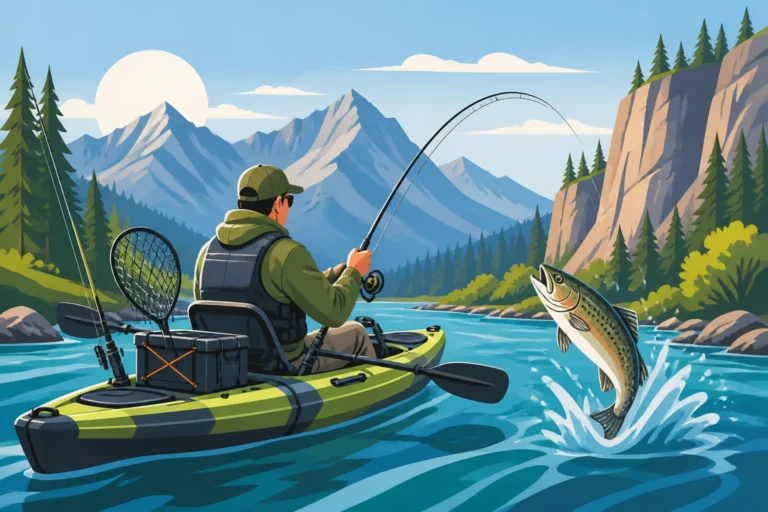
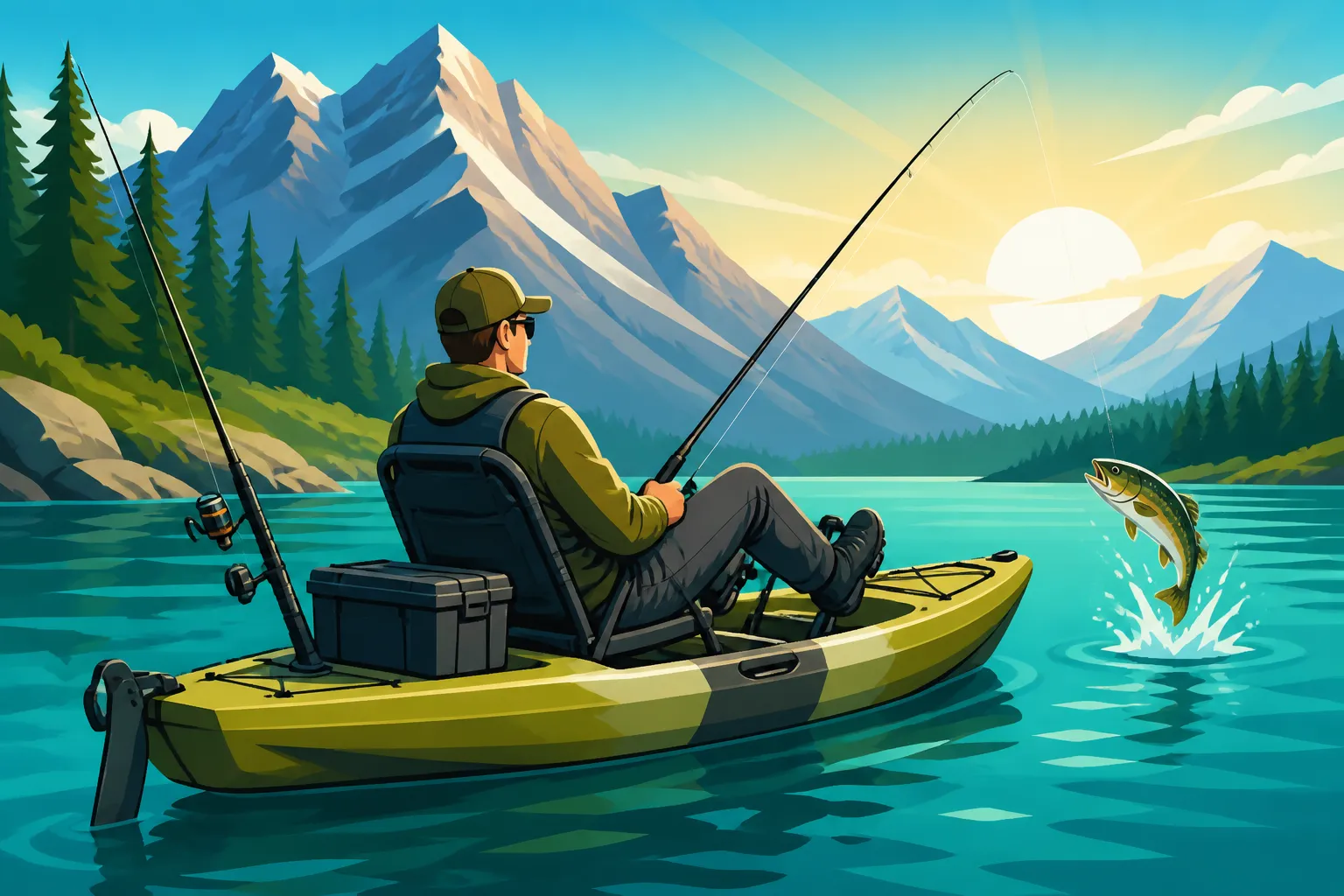
This is where the pedal kayak truly shines. With your legs engaged, your hands are completely free to cast, reel, rig baits, or even land a fish without the frantic paddle-toss that inevitably sends water everywhere. Imagine being able to cast into a tricky eddy on the Red Deer River, and then gently pedal backwards to retrieve your lure through the strike zone, keeping perfect boat control. It allows for a level of precision and focus that traditional paddling simply can't match, enhancing both your enjoyment and your catch rate.
Stealth and Efficiency: Covering More Water, Quieter
Another immense benefit of pedal kayaks, particularly in Alberta's diverse waters, is the combination of stealth and efficiency. Unlike the splash and clang of a paddle, a pedal drive is incredibly quiet. This stealth allows you to approach wary fish in clear, shallow waters without spooking them. Think about those crystal-clear mountain lakes or quiet back channels where fish are easily alarmed; a pedal kayak lets you slip in unnoticed.
Beyond stealth, the efficiency of pedal power means you can cover significantly more water with less effort. This is crucial when exploring large bodies of water like Lake Athabasca or scouting for new spots on the North Saskatchewan River. You can reach distant fishing grounds faster, explore more thoroughly, and return to launch without feeling completely spent. This extended range means you can access untouched areas that might be too far or too strenuous for a traditional paddle kayak, opening up new opportunities for those trophy fish.
Decoding the Drive: Types of Pedal Systems for Alberta Waters
When you're looking at pedal kayaks, the heart of the "hands-free" magic lies in the drive system. There are two main types you'll encounter, and understanding their differences is key to choosing the right one for your specific Alberta adventures. Both offer distinct advantages and a few drawbacks, depending on where and how you typically fish.
Propeller-Driven Systems: Power and Simplicity
Propeller-driven pedal systems, often seen in kayaks from brands like Old Town and Native Watercraft, operate much like a small outboard motor, but powered by your legs. You pedal, and a propeller underneath the kayak spins, propelling you forward or backward. These systems are known for their direct power transfer and efficient propulsion, making them excellent for covering long distances on open water. The feeling is very much like riding a bicycle, which most people find intuitive and comfortable.
One of the big advantages of propeller drives is their sheer power, especially in strong winds or currents. They can push through chop with relative ease, and reversing is often as simple as pedaling backward. However, they do have a "prop" factor (pun intended!) to consider: weeds and shallow water. A propeller can easily get tangled in thick vegetation common in some of Alberta's shallower lakes, or strike bottom in very skinny water, potentially causing damage or hindering your progress. Many modern designs, however, incorporate mechanisms to quickly raise or stow the drive to mitigate these issues.
Fin-Driven Systems: Agility and Shallow Water Prowess
Fin-driven systems, most famously pioneered by Hobie Kayaks with their MirageDrive, use two fins that oscillate back and forth like a penguin's flippers. This motion creates thrust, pushing the kayak through the water. The primary draw of fin drives is their excellent shallow water performance and weed-friendliness. Because the fins don't spin, they can often navigate through reeds and lily pads much more easily than a propeller, and they can be pulled up flush with the hull with minimal effort when you're in truly skinny water or launching/landing.
The fin-driven systems also offer fantastic maneuverability, often allowing for tighter turns and more precise boat control, which can be a huge asset when navigating complex river channels or weaving through submerged timber. While perhaps not always having the raw "top speed" feel of some propeller systems, their efficiency is excellent, and many anglers swear by their smooth, quiet operation. The main downside can be the slightly different pedaling motion, which some find less natural than a traditional bike-like pedal, though most adapt very quickly.
| Feature | Propeller-Driven System | Fin-Driven System |
|---|---|---|
| Thrust Mechanism | Spinning propeller | Oscillating fins |
| Primary Strength | Raw power, open water speed, direct forward/reverse | Shallow water access, weed-friendliness, agility |
| Weed Performance | Can get tangled, may require lifting | Excellent, fins typically clear vegetation well |
| Shallow Water | Requires lifting in very shallow spots, potential strike | Fins can be tucked up tight to hull, excellent |
| Maneuverability | Good, some can turn tightly | Excellent, often allows for very tight turns |
| Pedaling Motion | Bicycle-like, rotary | Stepper-like, back-and-forth |
| Common Brands | Old Town, Native Watercraft | Hobie, Pelican (some models) |
Beyond the Pedals: Essential Features for an Alberta Fishing Pedal Kayak
While the pedal drive system is undeniably the star of the show, a truly great fishing pedal kayak needs a host of other features to make your time on Alberta's waters productive and enjoyable. These aren't just "nice-to-haves" but often necessities that differentiate a good fishing platform from a frustrating one. Thinking about how you'll use the kayak in diverse conditions, from the big lakes to the winding rivers, will help you prioritize.
Stability and Deck Layout for Anglers
For anglers, stability isn't just a comfort feature; it's a safety and functionality imperative. Alberta waters can be unpredictable, with sudden winds whipping up chop on a lake or strong currents on a river. A stable pedal kayak allows you to confidently stand and cast, sight fish, or battle a big northern pike without feeling like you're about to take an unexpected swim. Look for wider hulls, often with pontoon-style designs or pronounced chines, which provide a solid platform. The ability to stand up significantly improves your visibility, allowing you to spot fish or structure that you'd miss from a seated position.
Equally important is the deck layout. A clean, uncluttered deck with plenty of flat surfaces to mount accessories (like a fish finder, rod holders, or a GPS) is crucial. Integrated gear tracks (often called "accessory rails") are a huge bonus, allowing for tool-free attachment and adjustment of various accessories. You'll want easily accessible storage, too—think about a dedicated spot for your tackle boxes, a cooler for your lunch or drinks, and a dry hatch for your phone and keys. Many fishing kayaks come with a large rear tankwell that can accommodate a milk crate or a specialty fishing cooler, which is a big win.
Seating Comfort for Long Days on the Water
Fishing, especially in a pedal kayak, often means long hours out on the water, exploring new areas or patiently waiting for a bite. If your seat isn't comfortable, that dream day on the lake can quickly turn into a painful experience. Modern fishing kayak seats are a far cry from the basic molded plastic seats of old. Look for elevated, framed seats made of breathable mesh fabric, similar to a lawn chair. These offer excellent back support, better air circulation (a lifesaver on hot summer days), and keep you off the often-wet floor of the kayak.
Adjustability is another key factor. Being able to slide the seat forward or backward allows you to find the most comfortable pedaling position and optimize your leg extension for maximum efficiency. Some seats even offer height adjustment, which can be useful for getting a better vantage point for casting or sight fishing. A comfortable seat directly translates to longer, more enjoyable fishing sessions, which means more time chasing those Alberta walleye or monster lake trout. Don't skimp on this feature – your backside will thank you!
Storage and Accessory Integration
A fishing kayak is more than just a boat; it's a mobile fishing platform, and thoughtful storage and accessory integration are paramount. Beyond the deck space, consider dedicated rod holders. While a couple of flush-mount holders are standard, many anglers appreciate additional adjustable rod holders, perfect for trolling or holding a spare rod. Brands often incorporate internal rod storage, which keeps your valuable gear protected when moving between spots or launching.
Think about how you'll integrate electronics. Many pedal kayaks come with transducer scuppers or dedicated mounting plates for fish finders, making installation much cleaner and protecting your transducer from damage. A battery box area or even internal wiring conduits are fantastic for keeping your electronic setup neat and tidy. The ability to easily attach a Best Trolling Motor for a Fishing Kayak to the stern can also be a game-changer for precise boat control or when you need a break from pedaling. When browsing options, whether online through Amazon or in person at Bass Pro Shops, pay close attention to the small details that make a kayak truly angler-friendly.
Choosing Your Steed: Matching a Pedal Kayak to Your Alberta Fishing Style
Alberta offers such a incredible variety of fishing experiences, from the vast open waters of our big lakes to the intricate currents of our famous trout rivers. The "best" pedal kayak isn't a one-size-fits-all solution; it truly depends on where and how you love to fish. Understanding your primary fishing grounds and preferred techniques will guide you to the perfect vessel.
Lake Fishing vs. River Fishing
If your heart belongs to Alberta's lakes—places like Pigeon Lake for walleye, Cold Lake for monster lake trout, or Sylvan Lake for pike—you'll likely want a pedal kayak that prioritizes stability, speed, and open-water efficiency. Longer, wider kayaks generally track better in open water and can handle chop more comfortably. A propeller-driven system might be a good fit here, offering strong forward propulsion for covering those expansive waters quickly. Speed can be a real asset when you're trying to reach distant fishing hot spots or outrunning a sudden summer storm.
Conversely, if you're a dedicated river angler, perhaps floating the Bow River for rainbow and brown trout or exploring the Oldman River, maneuverability and shallow-water performance become paramount. For river fishing, a fin-driven system that can be easily retracted for navigating rapids or very shallow riffles is often preferred. Shorter, more agile kayaks that can turn on a dime and quickly adjust to changing currents will serve you better. The ability to anchor precisely with a Best Anchor System for River Fishing and hold your position against the flow using your pedals is a huge advantage in river environments, allowing for perfect drifts or presentations.
Portability and Transportation Needs
This is a really practical consideration that many anglers overlook until they're struggling to load a heavy kayak onto their vehicle after a long day of fishing. Pedal kayaks, with their robust construction and integrated drive systems, tend to be heavier than traditional paddle kayaks. Consider how you'll transport your kayak to and from the water. Do you have a truck bed, a trailer, or will you be lifting it onto a roof rack? Some lighter models are available, and specialized kayak carts can make moving them from the vehicle to the water much easier, especially if you're frequently visiting spots without easy boat launches.
If you fish solo a lot, or if storage space at home is limited, a heavier, larger kayak might become a burden. While the hands-free fishing experience is amazing, if getting it to the water is a monumental task, you might find yourself fishing less often. Think about the overall length and weight, and whether you'll need assistance or specific equipment (like a Best Kayak Cart for Portaging Around Rapids) to get your chosen pedal kayak to your favorite launch point, whether it's a developed launch or a more rustic shore entry.
Outfitting and Maintaining Your Pedal Powered Fishing Machine
Once you've made the exciting decision and brought home your new pedal kayak, the adventure really begins! But just like any valuable piece of fishing gear, a pedal kayak needs to be properly outfitted for your style and regularly maintained to ensure it serves you well for countless Alberta fishing trips.
Essential Accessories for Enhanced Fishing
Beyond the kayak itself, a few key accessories can dramatically enhance your pedal kayak fishing experience. First and foremost, safety. Always wear a PFD (Personal Flotation Device), and ensure it's a comfortable one that doesn't impede your casting or pedaling. Look for options specifically designed for fishing, with pockets and attachment points. While many fishing kayaks have excellent primary stability, the unexpected can always happen, especially on larger, choppier lakes. Remember, Life Jacket Requirements for Alberta Boaters are there for a reason!
Next, consider your electronics. A good fish finder is almost a necessity for pinpointing structure and fish, especially for walleye and lake trout. Many kayaks are pre-wired or have easy transducer mounting points. A sturdy paddle is also essential, even with a pedal drive, for navigating very shallow areas where the drive is retracted, or as a backup in case of mechanical issues. A quality Best Dry Bag for Kayak Fishing is vital for protecting your phone, keys, and wallet from splashes or accidental capsizes. Don't forget a good anchor and rope, which are critical for holding your position in current or wind, especially if you want to effectively fish a specific piece of structure.
Keeping Your Drive System in Top Shape
The pedal drive system is the engine of your hands-free fishing machine, so proper care and maintenance are non-negotiable. After every use, especially after fishing in saltwater (though less common in Alberta, it's good practice) or murky, silty water, it's crucial to rinse your drive unit thoroughly with fresh water. This helps remove grit, sand, and plant matter that can cause wear on moving parts. Pay attention to the manufacturer's recommendations for lubrication, usually involving a marine-grade grease or silicone spray on gears, chains, or pivot points.
Periodically inspect the drive for any signs of wear, such as loose cables, damaged fins or propeller blades, or excessive play in the pedals. Addressing minor issues quickly can prevent them from becoming major, costly repairs down the line. If you're using a propeller drive, ensure the prop is free of fishing line, which can wrap around the shaft and damage seals. For fin drives, check for any nicks or tears in the fins themselves. Most modern drive systems are designed for easy removal, making cleaning and inspection a breeze. During the off-season, store the drive unit in a clean, dry place, ideally indoors, protected from extreme temperatures and curious critters.
Legalities and Safety on Alberta's Waters
Before you launch your shiny new pedal kayak, it's important to be aware of the regulations and safety guidelines that apply to all vessels on Alberta's beautiful but often unpredictable waters. Being informed ensures a safe, enjoyable, and penalty-free fishing trip.
Navigating Alberta's Boating Regulations
Even though a pedal kayak is human-powered, it's still considered a vessel, and certain rules apply. One of the most common questions is about the Pleasure Craft Operator Card (PCOC). In Canada, all operators of motorized pleasure craft are required to have a PCOC. While a pedal kayak is human-powered, if you decide to add a trolling motor—which many anglers do for extra boost or precise control—you'll then need a PCOC. It's a simple, one-time test, and having one is always a good idea if you anticipate any kind of motorization in the future. You can learn more about this by researching Alberta Pleasure Craft Operator Card Requirement.
Beyond the PCOC, ensure your kayak is equipped with the required safety gear for its size, even if non-motorized. This typically includes a PFD for each person on board, a sound-signaling device (like a whistle), a bailing device (if not self-bailing), and a buoyant heaving line. Always carry your Alberta Fishing License Guide for 2026 and your WIN card with you, whether digitally or printed, as fisheries officers can check these at any time. Familiarize yourself with local regulations for specific lakes or rivers you plan to fish, as some areas may have speed restrictions or other special rules.
Staying Safe in Your Pedal Kayak
Your pedal kayak allows you to access some incredible fishing spots, but with that freedom comes the responsibility of staying safe. Always check the weather forecast before heading out, especially on large lakes where conditions can change rapidly. Wind can turn a calm morning into a white-capped nightmare in minutes, making pedaling back to shore extremely challenging. If you’re going out on a big water body like Lesser Slave Lake, knowing the wind direction is key.
Tell someone your float plan: where you're going, your expected return time, and who to call if you don't check in. Carry a fully charged cell phone in a waterproof bag, and consider a marine radio if you're venturing far offshore on a large lake. Dress in layers, choosing quick-drying, synthetic fabrics, and always be prepared for immersion in cold water, even in summer. Cold water shock is a real danger. And of course, wear that PFD! No fish is worth risking your life over. Your pedal kayak offers incredible access and hands-free fishing, but exercising caution and common sense ensures you’ll be able to enjoy it for years to come.
Disclaimer
This article is for general informational purposes only and does not constitute professional advice. Laws, prices and regulations vary by location and change over time. Consult a qualified professional for guidance on your specific situation.