Best trout streams open to fly fishing only
There's nothing quite like the specific frustration of poring over the Alberta Guide to Sportfishing Regulations, trying to pinpoint those elusive streams designated for fly fishing only. It's not always crystal clear, and you want to be absolutely sure you're following the rules while chasing those beautiful trout. This guide is here to help you navigate those regulations and point you towards some of Alberta's best waters where only a fly rod will do.
Understanding "Fly Fishing Only" Regulations in Alberta
Diving into the world of "fly fishing only" (FFO) waters in Alberta can feel a bit like cracking a secret code, but once you understand the philosophy behind it, it all makes sense. These regulations are put in place for very good reasons, primarily to protect delicate fish populations and habitats, and to offer a unique, challenging angling experience.
What "Fly Fishing Only" Really Means
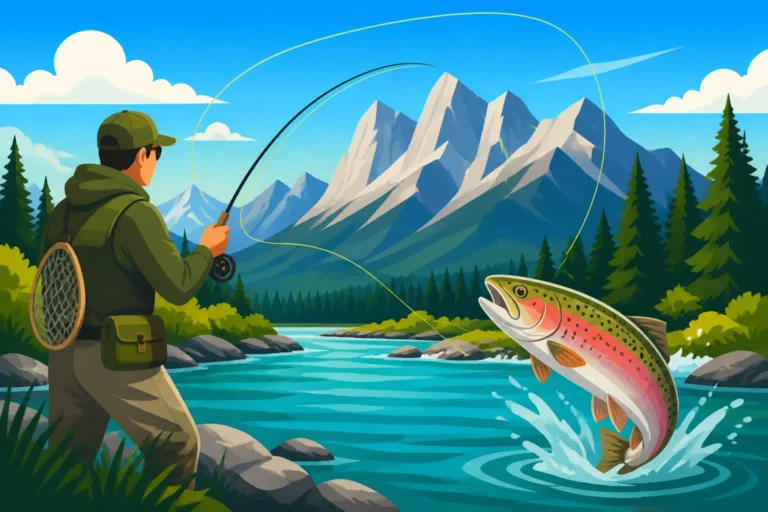
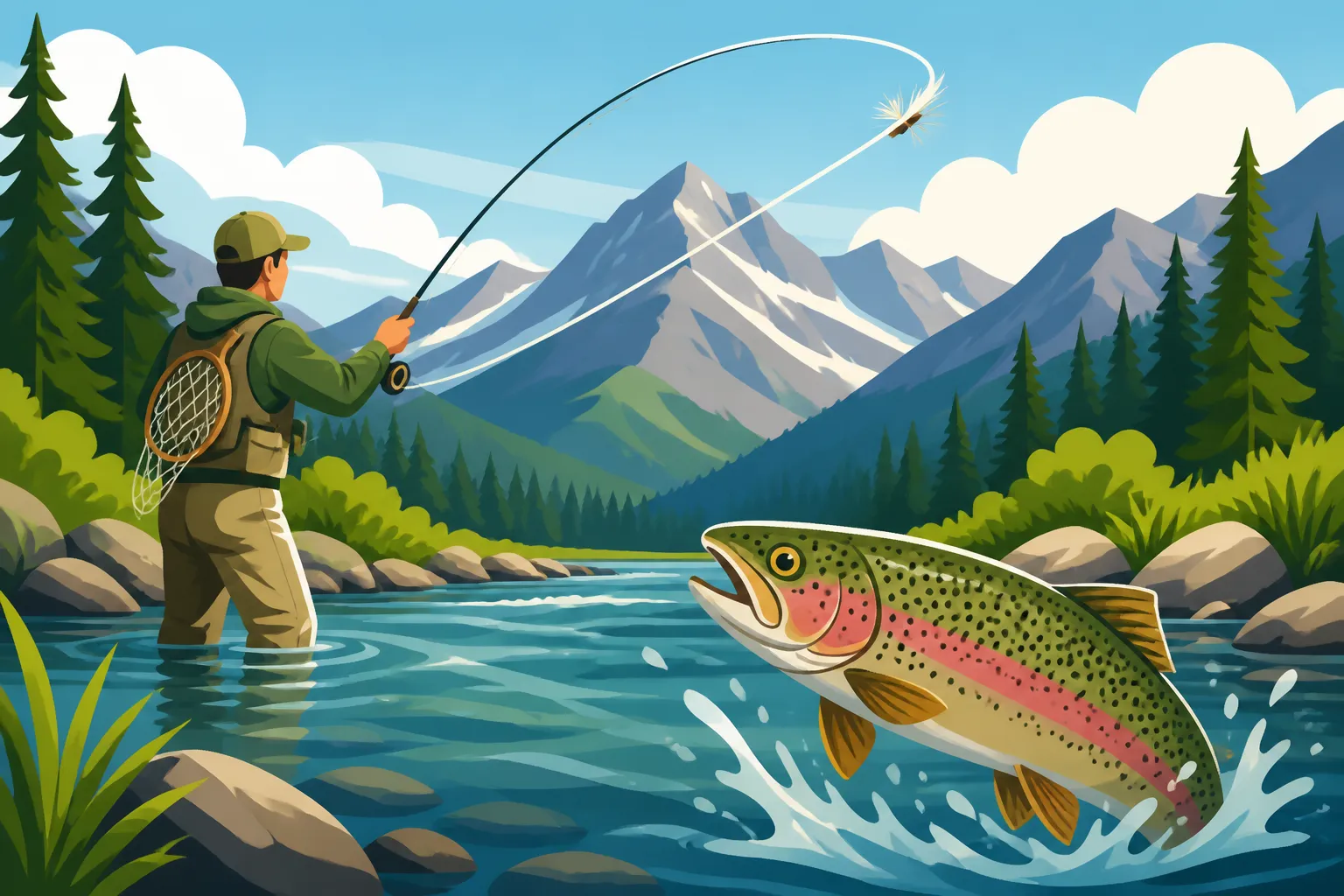
When you see a section of river or an entire stream designated as "fly fishing only," it's more than just a suggestion – it's a strict rule. This means you are limited to a very specific set of gear and techniques. First and foremost, you can only use a fly rod, a fly reel, and a fly line. Spin casting rods, baitcasters, or any other type of conventional gear are strictly prohibited.
Beyond the rod and reel, your terminal tackle is also tightly regulated. You're only allowed to use artificial flies. This means no worms, no maggots, no PowerBait, no minnows, and no artificial lures like spinners or spoons. Only creations of feather, fur, and thread, mimicking insects or small baitfish, are permitted. Furthermore, these flies must be tied to a single, barbless hook. The "barbless" part is crucial for conservation. A barbless hook causes less damage to the fish's mouth, making for a much higher survival rate when you release it. Imagine carefully landing a stunning cutthroat trout, only to have it severely injured by a barbed hook; that's exactly what these rules aim to prevent. Adhering to these rules isn't just about avoiding a hefty fine; it's about respecting the resource and contributing to the sustainability of these special fisheries.
How to Identify Fly Fishing Only Waters
Navigating the regulations to find these specific waters can be the trickiest part. Your go-to resource, without a doubt, is the annual Alberta Fishing Regulations Explained guide, published by Alberta Environment and Protected Areas. You'll want to pay very close attention to the "General Regulations" section at the front, but more importantly, dive into the specific "Waterbody-Specific Regulations" tables for each fishing zone.
Within these tables, you'll often find special codes or explicit text indicating "FFO" or "Flies Only" for certain rivers or sections of rivers. Sometimes, it will even specify "single barbless hook" requirements, though many FFO waters implicitly require them. Don't just skim! Each entry is meticulously detailed, outlining everything from season dates to specific possession limits (which for many FFO trout streams, will be "zero" for certain species). Always remember that regulations can change year to year, so it’s vital to consult the most current guide. You can find digital versions on the MyWildAlberta portal, and many anglers swear by the official Alberta fishing regulations app, which allows you to look up specific zones and waterbodies right from your phone. This makes checking current rules on the go incredibly convenient and helps ensure you're always fishing legally and responsibly. It’s definitely worth your time to get familiar with Reading the Alberta Guide to Sportfishing Regulations before hitting the water.
Prime Alberta Streams Designated for Fly Fishing Only
Alberta is blessed with incredible natural beauty and, thankfully, some truly spectacular trout streams. Among these, certain stretches are carefully managed as fly-fishing-only, offering anglers a unique opportunity to connect with nature and some genuinely wild fish.
The Iconic Crowsnest River
When you talk about fly-fishing-only waters in Alberta, the Crowsnest River is often one of the first names that comes to mind. Nestled in the southwestern corner of the province, this river is a freestone gem renowned for its challenging yet rewarding trout fishing. Its diverse character features everything from deep pools and riffles to long, slow runs, providing ample opportunities for various fly-fishing techniques.
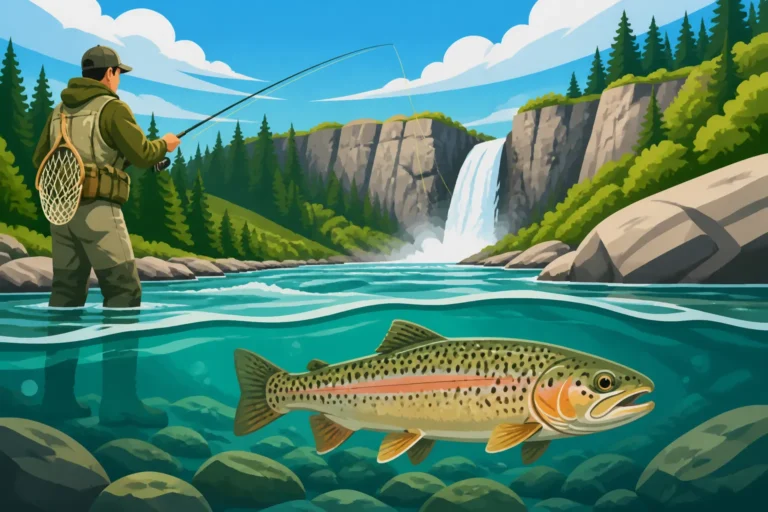
Specific sections of the Crowsnest River are designated as fly-fishing-only, particularly upstream from Lundbreck Falls. This stretch is a true haven for serious fly anglers. Here, you'll be targeting feisty rainbow trout, beautiful native cutthroat trout, and some surprisingly large brown trout. Access can involve a mix of public lands and navigating around private property, so always be respectful and know where you stand. Wading opportunities are plentiful, but the river can be swift and rocky, so sturdy wading boots and a staff are highly recommended. Many anglers consider this river a prime destination to learn How to Fish the Crowsnest River for Trout, especially for those looking to hone their dry fly presentation or nymphing skills. Its clear, cold waters make it a visually stunning place to fish, though the trout can be incredibly selective.
The Challenging Upper Oldman River and its Tributaries
Further into the headwaters of the eastern slopes, you'll find the upper reaches of the Oldman River and its pristine tributaries. These high-country streams offer a truly wild, often remote, fly-fishing experience. Many of these upper sections fall under special regulations, including fly-fishing-only rules, and often mandate a zero possession limit for sensitive species.
The primary target here is the native westslope cutthroat trout, a stunning fish known for its vibrant colours and willingness to rise to a dry fly. You might also encounter bull trout, a species that holds a special place in Alberta's conservation efforts. Remember, the Alberta Bull Trout Zero Possession Rule is in effect across the province, so if you're lucky enough to hook one, ensure a quick and safe release. Fishing these waters often means embracing a wilderness adventure. Access can require hiking, navigating rough roads, and sometimes even a bit of bushwhacking. The reward, however, is fishing in incredibly clear, unpressured water, surrounded by breathtaking mountain scenery. It's an experience that truly connects you with Alberta's wild heart. For those looking for solitude and a challenge, the upper Oldman and its smaller veins are among the best Oldman River Fishing Spots to explore.
Hidden Gems and Lesser-Known FFO Stretches
While the Crowsnest and Oldman rivers are well-known, Alberta holds other, often smaller, stretches of rivers and creeks that also feature fly-fishing-only regulations. These can be incredible finds for anglers seeking solitude and less-pressured fish. Rivers like the Ram River, Livingstone River, and specific segments of the Sheep River in Kananaskis Country sometimes have these special designations.
The beauty of these lesser-known spots is that they often hold eager trout that see fewer flies than their counterparts on the more popular rivers. However, finding them requires diligent research in the provincial regulations, as these specific rules might apply to only a few kilometres of a much longer river. The challenge might be navigating logging roads, crossing private land (with permission, always!), or simply being persistent in your search. But the payoff? A day spent on a secluded stream, casting to wild trout in a truly undisturbed setting. These hidden gems are often among the overall Best Trout Streams in Alberta for a unique experience, offering a different kind of reward than the more accessible spots. Always confirm the specific regulations for any smaller waterbody, as these can vary greatly and are subject to change.
Essential Fly Fishing Tactics and Etiquette for FFO Streams
Fly-fishing-only streams are not just about what gear you use; they're about an approach, a philosophy, and a deep respect for the environment. Mastering some key tactics and understanding the unspoken rules of etiquette will greatly enhance your experience on these special waters.
Effective Fly Patterns and Presentation
Trout in FFO streams, especially those that are wild and frequently fished, can be incredibly selective. This means your fly choice and, more importantly, your presentation, are critical. While specific hatches vary by time of year and location, it's wise to carry a diverse selection of patterns.
For dry fly fishing, especially during spring and summer hatches, common patterns like Blue-Winged Olives (BWO), Parachute Adams, Caddis imitations (Elk Hair Caddis), and various Stonefly patterns are staples. When there's no visible hatch, a well-presented attractor pattern can often bring fish to the surface. For subsurface fishing, nymphing is highly effective. Patterns like the Prince Nymph, Pheasant Tail, Hare's Ear, and various scud or worm imitations are essential. Streamers like Woolly Buggers in olive, black, or brown can also entice larger, predatory trout. The key is to match the hatch as closely as possible, both in size and colour. More often than not, a drag-free drift is paramount for success, especially on clear, slow-moving sections. Learning the nuances of Dry Fly Fishing Alberta Mountain Streams is an art form that will serve you well on these FFO waters.
Practicing Responsible Angling in Sensitive Waters
On fly-fishing-only streams, conservation isn't just a buzzword; it's a way of life. These waters are often managed for their delicate ecosystems and wild fish populations, making responsible angling absolutely non-negotiable.
Here are some best practices:
- Catch and Release: Many FFO waters have strict catch-and-release rules for all or specific trout species. Always handle fish with wet hands, keep them in the water as much as possible, and use a rubber mesh net to minimize slime coat damage. Avoid squeezing the fish or holding it by the gills. Learn Best Techniques for Bull Trout Catch and Release even if you're not targeting them, as you might hook one accidentally.
- Barbless Hooks: As mentioned, most FFO regulations implicitly or explicitly require barbless hooks. Even if not explicitly stated for a specific FFO section, it's always best practice to crimp down your barbs to ensure minimal harm to the fish. The less stress and injury, the better their chances of survival. Knowing Alberta Barbless Hook Requirement Waters is crucial.
- Wading Etiquette: Move slowly and deliberately while wading. Avoid disturbing redds (spawning beds), which appear as clean, gravelly depressions, especially in the spring and fall. These areas are vital for the next generation of trout.
- Leave No Trace: Pack out everything you pack in. This means no discarded fishing line, no food wrappers, and absolutely no litter. Leave the stream bank and water as pristine as you found it, or better.
- Respect Other Anglers: While FFO streams are often less crowded, you might still encounter other anglers. Give them plenty of space, avoid "hogs" (fishing through their spot), and communicate courteously.
By adhering to these principles, you contribute to the health and longevity of these incredible fisheries, ensuring that future generations can enjoy them just as much.
Planning Your Fly Fishing Only Adventure
Embarking on a fly-fishing-only trip in Alberta requires a bit more than just grabbing your rod and heading out the door. Proper preparation, both in terms of gear and local knowledge, can make the difference between a frustrating day and an unforgettable angling experience.
Gear Checklist and Preparation
A well-organized gear bag is your best friend when hitting FFO streams. Since you're typically hiking into these spots and possibly wading challenging currents, having the right, dependable equipment is paramount.
Here’s a basic checklist:
- Fly Rod and Reel: A 4-weight or 5-weight rod is often ideal for most Alberta trout streams, offering a good balance of finesse and power. Ensure your reel has a smooth drag system.
- Fly Line: A weight-forward floating line is versatile for most dry fly and nymphing situations.
- Leaders and Tippet: Carry a variety of tapered leaders (e.g., 9-foot, 5X or 6X) and spools of tippet in different sizes to match changing conditions and fly sizes.
- Fly Box: A well-stocked fly box with a variety of dry flies, nymphs, and a few streamers. Think about what insects are common in the area you’re targeting.
- Waders and Boots: Breathable chest waders are essential for comfort and warmth, paired with sturdy wading boots (felt or rubber soles, depending on specific stream regulations) that offer good grip on slippery rocks.
- Wading Staff: In faster or deeper currents, a collapsible wading staff provides crucial stability and safety.
- Landing Net: A rubber-mesh landing net is indispensable for safely landing and releasing fish, minimizing harm to their slime coat and fins.
- Rain Gear: Alberta weather can change in an instant, especially in the mountains. A reliable rain jacket and pants are a must.
- Safety Essentials: Bear spray (properly carried and accessible), a first-aid kit, enough water and snacks, and navigation tools (GPS or map/compass) are critical for remote locations.
- Fishing License and WIN Card: You absolutely need a valid Alberta Fishing License Guide for 2026 and a Alberta WIN Card, Explained. Always carry proof of both.
Always check your gear before you leave. A busted zipper on your waders or a frayed leader can quickly ruin a day on the water.
Finding Guided Trips and Local Expertise
While exploring on your own is part of the adventure, sometimes the best way to experience these unique FFO streams, especially for the first time, is with a local expert. Fly fishing guides spend countless hours on these waters and possess an unparalleled understanding of the fish, the hatches, and the most productive techniques.
A guided trip can save you valuable time by putting you on fish quickly, teaching you local nuances, and ensuring you're compliant with all the specific regulations. Guides can also provide access to private stretches of water or guide you to less-fished areas that would be hard to find otherwise. You can often find reputable guides through local fly shops in towns near prime fishing areas like Calgary, Canmore, or Pincher Creek. Websites like FishingBooker are also excellent resources for connecting with experienced local guides who specialize in fly fishing these sensitive waters. They can often tailor a trip specifically for FFO streams, whether you're a seasoned angler looking for new challenges or a beginner keen to learn the ropes in a beautiful, protected environment. Exploring with a knowledgeable guide can be an invaluable investment for unlocking the secrets of Alberta's Best Fly Fishing Rivers in Alberta.
Alberta Fly Fishing Only Streams Summary
To help you get a quick overview of some potential fly-fishing-only waters in Alberta, here's a table summarizing key information. Always remember to consult the most current Alberta Sportfishing Regulations before planning your trip, as specific rules and designations can change.
| Stream Section | Location (General) | Primary Trout Species | Typical Regulations | Access Notes |
|---|---|---|---|---|
| Crowsnest River (Upper) | Southwest Alberta, Crowsnest Pass | Rainbow, Cutthroat, Brown Trout | Flies Only, Single Barbless, Catch & Release | Mix of public/private. Wading common. Accessible via Hwy 3. |
| Oldman River (Upper) | Southwest Alberta, Eastern Slopes | Cutthroat, Bull Trout | Flies Only, Single Barbless, Catch & Release (Bull Trout) | Remote, often requires hiking or 4×4. Wilderness experience. |
| Livingstone River | Southwest Alberta, Eastern Slopes | Cutthroat, Bull Trout | Flies Only, Single Barbless, Catch & Release (Bull Trout) | Access can be challenging, often via logging roads. |
| Ram River (Upper) | Central Alberta, Eastern Slopes | Cutthroat, Bull Trout | Flies Only, Single Barbless, Catch & Release (Bull Trout) | Remote, can be very challenging to access. True wilderness fishing. |
| Sheep River (Kananaskis) | Kananaskis Country | Rainbow, Cutthroat, Bull Trout | Flies Only, Single Barbless, Catch & Release (Bull Trout) | Relatively accessible in certain sections within Kananaskis. |
Disclaimer
The information provided in this guide is for general informational purposes only and is subject to change. Anglers are solely responsible for consulting the most current Alberta Guide to Sportfishing Regulations and adhering to all provincial and federal laws before engaging in any fishing activities. Fishing regulations can change seasonally and annually; always verify specific rules for your chosen waterbody.