Bow River Carseland Dam Fishing Access
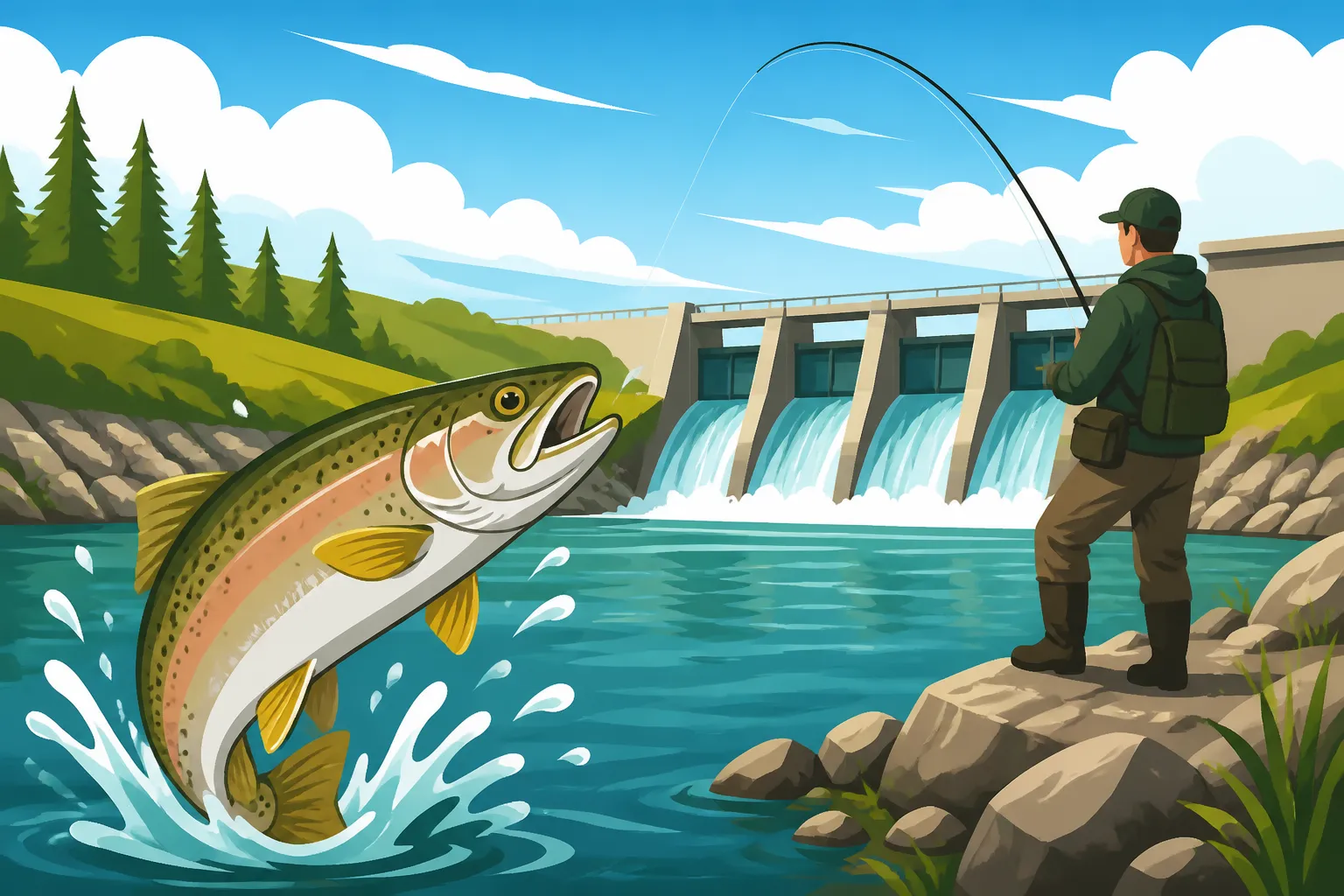
Oh, the Bow River near Carseland Dam! This stretch of water holds a special, sometimes frustrating, place in many Alberta angler's hearts. You've heard the legends of the Bow's incredible trout, but actually finding where to fish and how to approach this powerful river can feel like a puzzle, especially when you're looking at specific access points like the dam. This guide is here to untangle that mystery, giving you a deep dive into everything you need to know to successfully fish the Bow River below Carseland Dam.
Understanding the Bow River Below Carseland Dam
Alright, let's talk about this particular section of the Bow. It's not just any river; it's a dynamic ecosystem, especially impacted by the upstream operations of the Carseland Dam. What makes this area unique often dictates how you should approach your fishing day, from the gear you choose to the techniques you employ.
The Unique Character of the River Section
Below the Carseland Dam, the Bow River takes on a somewhat different character compared to its upper stretches closer to Calgary. The dam itself can influence water flow, clarity, and temperature, which in turn directly affects fish behavior and where they hold. You'll often find a mix of slower, deeper runs and more energetic riffles as the river spreads out and then converges. This means you need to be prepared for varied conditions, sometimes within just a few hundred yards of each other. The riverbed here, while still rocky in places, can also have more siltation and aquatic vegetation compared to the faster, rockier sections upstream. Understanding these nuances is crucial for predicting where fish might be lurking.
The dam's release schedule can also play a huge role. When the dam is releasing a lot of water, the river can become high and off-color, making fishing challenging and wading dangerous. Conversely, during periods of low flow, the water can be incredibly clear and the fish exceptionally spooky. Always check the flow rates before you head out, as a sudden change can make or break your day. This section, while productive, demands a keen eye for reading the water and adapting to whatever Mother Nature (and the dam operators) throw your way. For a broader overview of this incredible water, definitely check out our comprehensive guide, Bow River Fishing Guide.
Key Fish Species to Target
While the Bow River is synonymous with world-class trout fishing, it's important to know exactly which species you're likely to encounter below Carseland Dam. Each has its own preferred habitat and feeding patterns, and knowing these details will drastically improve your chances of a successful outing.
The undisputed champions of this stretch are the Rainbow Trout. These vibrant, hard-fighting fish thrive in the Bow's oxygen-rich, nutrient-dense waters. You'll find them holding in seams, behind structure, in the faster riffles, and in the tailouts of deeper pools, always looking for an easy meal. They can range from feisty 12-inchers to true trophy specimens pushing 20 inches or more, offering incredible battles on light tackle. Targeting these beauties is often the main draw for anglers coming to this specific section of the river. For dedicated strategies, take a look at our Rainbow Trout Fishing on the Bow River post.
While less numerous than rainbows, Brown Trout are also present in the river below Carseland Dam. These elusive predators tend to be more solitary and are often found lurking in deeper, slower pools, undercut banks, or near woody debris. They are known for their territorial nature and can offer an even more challenging, but incredibly rewarding, fight. If you're after a truly large fish, a big brown trout is often the target, especially during certain times of the year when they become more aggressive. Don't overlook the Mountain Whitefish either. While not as glamorous as trout, these spirited fish are abundant, especially in the deeper runs, and can provide consistent action, particularly on small nymphs or dry flies. They are also excellent table fare! Occasionally, you might even encounter Northern Pike in the slower, weedier backwaters, though they're not the primary target here.
Accessing the Bow River Near Carseland Dam
One of the biggest hurdles for any angler, especially on a large river like the Bow, is figuring out how to actually get to the water. The Carseland Dam area offers several points, but knowing the specifics can save you a lot of time and frustration.
Public Access Points and Parking
The primary public access for fishing near Carseland Dam is typically through the Wyndham-Carseland Provincial Park. This park offers day-use areas and even camping, making it a fantastic base camp for exploring this stretch of the Bow. You'll find designated parking lots, and from there, various trails lead down to the riverbanks. Many anglers simply walk the banks, looking for promising runs, riffles, and pools. This park is a well-known spot, so don't expect solitude, especially on weekends or during peak season, but it provides straightforward access to some productive water.
When you arrive, take some time to scout. Some sections might require a bit of a hike, while others are easily reached. Always be mindful of your surroundings and any posted signage, as respecting private land boundaries is crucial for maintaining good angler relations and future access. Remember, the river is a shared resource, but the land around it often isn't. The ease of access from a provincial park makes this an attractive option for many, whether you're bringing a family for a day out or just want to quickly get your line in the water without too much hassle.
Boat Launches and Drift Options
For those looking to cover more water or access spots unreachable from the bank, boating or drifting the Bow River is an incredibly popular and effective method. However, directly launching at the Carseland Dam area with a powerboat can be tricky due or currents. Most serious boat anglers or those planning a drift will look for dedicated launch points either upstream or downstream.
A common approach for drift boat or raft anglers is to launch further upstream and drift through the Carseland section as part of a longer float. Alternatively, some might launch below the dam and work their way up (if the current allows, or with a motor) or plan a shorter drift downstream. Finding appropriate boat launches can sometimes be a challenge, especially for larger vessels. The Bow River can be quite shallow in places, and navigating with a prop can be risky. Jet boats are more common for accessing these areas. If you're planning a full-day float, ensuring you have a safe and legal take-out point is just as important as your launch. For those without their own boat or unsure about navigating the river, a local fishing guide can provide all the necessary equipment and expertise. Services like FishingBooker can connect you with experienced Bow River guides who know the best launch and take-out spots and understand the river's complexities. They often operate specialized drift boats that are perfect for this river.
Essential Fishing Techniques and Strategies
Fishing the Bow River effectively, especially below a structure like Carseland Dam, requires more than just casting a line. The trout here are often educated and can be particular about what they'll eat and how it's presented. Having a few proven techniques in your arsenal will make a world of difference.
Fly Fishing Approaches for the Bow
Fly fishing is arguably the most popular and productive method for targeting trout on the Bow River, and the Carseland Dam area is no exception. Understanding the primary techniques will give you a significant edge.
Nymphing is almost always the most consistent producer on the Bow. Trout spend the vast majority of their lives feeding subsurface, and nymphs imitate the aquatic insect larvae that make up a huge portion of their diet. A common and highly effective setup involves a "two-fly nymph rig" with a strike indicator and split shot to get your flies down to where the fish are holding. Key patterns include various pheasant tails, hare's ears, prince nymphs, and San Juan Worms, especially after rain or higher flows. When fishing near the dam, pay close attention to the seams where faster water meets slower water, and don't be afraid to add extra weight to get your flies deep enough in faster runs. You'll want to aim for a drag-free drift, allowing your flies to tumble naturally with the current. This technique can be especially effective in spring and fall. For more in-depth knowledge on this, our Fly Fishing for Trout on the Bow River guide is an excellent resource.
While nymphing is often the breadwinner, Dry Fly Fishing offers some of the most exciting moments in fly fishing. When trout are actively rising to surface insects, casting a perfectly presented dry fly is pure magic. Hatches on the Bow can be prolific, including caddis, mayflies (like Blue-Winged Olives and Pale Morning Duns), and terrestrials (hoppers, ants, beetles) during the warmer months. Observing what the fish are eating is key – "matching the hatch" is paramount. Below Carseland Dam, look for rising fish in slower pools, eddies, and along bankside structure. Even if fish aren't visibly rising, sometimes "prospecting" with a large, visible dry fly (like a hopper or a large caddis imitation) can entice an aggressive strike. Lastly, don't underestimate Streamer Fishing for targeting larger, more aggressive trout, particularly brown trout. Stripping streamers that imitate baitfish or larger aquatic insects can trigger a predatory response. This technique is often more effective in slightly off-color water or during low-light conditions, like early morning or late evening. Focus on stripping your streamer through deeper pockets, along undercut banks, or around woody debris where big fish might be lurking.
Spin Fishing Tactics and Lures
For those who prefer traditional spin fishing, the Bow River below Carseland Dam still offers fantastic opportunities to catch quality trout. The key is to select the right lures and present them effectively to mimic the natural prey of the trout.
Spinners and spoons are classic trout lures for a reason – they work. Smaller inline spinners like Mepps Aglias, Blue Fox Vibrax, or Panther Martins in sizes #0 to #3, often with silver, gold, or copper blades, can be incredibly effective. The flash and vibration mimic small baitfish or fleeing insects, triggering strikes from hungry trout. Cast them upstream or across the current and retrieve them just fast enough to get the blade spinning, allowing them to drift naturally through productive seams and pools. Similarly, small casting spoons, such as Little Cleos or Krocodiles, can be deadly, especially in deeper water. Their wobbling action is irresistible to predatory trout.
Don't overlook soft plastics or small crankbaits. Ultra-light jig heads tipped with small grubs, tubes, or realistic minnow imitations can be incredibly effective when bounced along the bottom or slowly retrieved. Colors like white, olive, brown, or black often imitate various aquatic life. Small floating or suspending crankbaits that dive to a few feet can also entice aggressive strikes, especially when fished around submerged structure or along current breaks. The trick with spin fishing on the Bow is often presentation: cast accurately, work the lure through the fish's strike zone, and vary your retrieve until you find what they're hitting. For similar techniques on other moving waters, you might find our Spring Trout Fishing Techniques for Alberta Streams helpful.
Reading the Water and Finding Fish
No matter your chosen method, success on the Bow River hinges on your ability to "read the water." Trout are creatures of habit and efficiency; they'll hold in spots that offer a balance of food, shelter, and minimal energy expenditure.
Look for areas where the current changes speed or direction. Seams are critical—the line where fast water meets slow water is often a trout highway. Fish will sit in the slower current, conserving energy, and dart into the faster water to grab passing food. Riffles (shallow, fast-moving water) often oxygenate the water and dislodge insects, making them prime feeding zones, especially in the morning or evening. Pools, particularly their head and tailouts, are excellent spots for fish to rest and feed. The head of a pool, where the faster water enters, can hold actively feeding fish, while the tailout (where the water shallows and speeds up before entering the next run) is also a classic feeding lie.
Structure is another key element. Large rocks, submerged logs, undercut banks, and even changes in bottom contour provide cover and ambush points. Trout will often position themselves downstream of these obstacles, out of the main current but ready to intercept food. Pay attention to the subtle differences in water color or current speed; these can indicate hidden structure or changes in depth. Finally, consider seasonal patterns. In colder water, fish might congregate in deeper, slower areas, while in warmer months, they'll seek out oxygenated riffles or shade. The more you observe and understand the river's flows and features, the better you'll become at identifying prime trout lies.
Navigating Regulations and Seasons
Fishing in Alberta, especially on renowned waters like the Bow River, comes with specific rules and seasonal considerations. Ignoring these can lead to fines and, more importantly, can harm the fishery. It's not just about what you catch, but how you adhere to the conservation efforts in place.
Alberta Fishing License Requirements
Before you even think about wetting a line in the Bow River near Carseland Dam, you absolutely must have a valid Alberta fishing license and a Wildlife Identification Number (WIN) card. These aren't just bureaucratic hurdles; they are vital components of Alberta's conservation strategy, funding fisheries management, stocking programs, and enforcement. Obtaining your WIN card is a one-time process, and it's your key to purchasing any fishing or hunting license in the province. Once you have it, you'll need to purchase an annual or short-term sportfishing license.
The Bow River falls under specific management zones, and the regulations can sometimes vary even within different stretches of the river. It's your responsibility as an angler to be aware of the specific rules for the section you're fishing. You can usually purchase your license online through the MyWildAlberta portal or at authorized vendors like most Canadian Tire stores. Always carry your license and WIN card with you while fishing, either a printed copy or a digital version on your phone, as fisheries officers regularly check compliance. For a detailed rundown of what you need, check out our guide: Alberta Fishing License Guide for 2026.
Special Regulations and Catch Limits
The Bow River, particularly its world-famous trout sections, often has specific regulations designed to protect its valuable fish populations. One of the most common and important rules you'll encounter on the Bow, especially for trout, is the barbless hook requirement. This means your hooks must either be manufactured without a barb or have the barb pinched down flat. This regulation significantly increases the survival rate of released fish, which is crucial in catch-and-release heavy fisheries.
You'll also need to pay close attention to species-specific possession and catch limits. For Rainbow Trout and Brown Trout, many sections of the Bow are designated "catch-and-release only" or have very restrictive limits (e.g., zero possession or one fish over a certain size). Mountain Whitefish often have more generous limits, but these can still vary. It’s absolutely essential to consult the most current Alberta Guide to Sportfishing Regulations for the specific management zone that covers the Carseland Dam area. This guide, updated annually, is your bible for legal fishing. Penalties for non-compliance, such as fishing without a license or exceeding limits, can be substantial, including hefty fines and even equipment seizure. Ensure you also review Alberta Bag and Possession Limits by Species for comprehensive details.
Seasonal Considerations for Anglers
The fishing experience on the Bow River below Carseland Dam changes dramatically with the seasons, and so do the regulations and the fish behavior. Being aware of these shifts will not only make you a more effective angler but also ensure you're compliant with all rules.
Spring fishing, particularly after the ice-out but before the major runoff, can be fantastic. Trout are often hungry after winter, and hatches of early season insects can bring them to life. However, spring also brings the risk of high, muddy water from snowmelt (runoff), which can shut down fishing for days or even weeks. Once runoff subsides, fishing heats up. Summer is peak season, with abundant insect hatches, warmer temperatures, and typically strong flows. This is when dry fly fishing can be at its best, but midday heat can also make fishing challenging, driving trout to deeper, cooler lies. Always be mindful of water temperatures; if they get too warm (above 20°C or 68°F), consider giving the fish a break to minimize stress.
Fall is often considered the prime time for trophy trout, especially large brown trout preparing for their spawn. The weather is cooler, crowds thin out, and fish are actively feeding. Streamer fishing can be particularly effective during this season. Finally, Winter brings ice fishing opportunities on some of the slower sections or back channels, though the main river often remains open due to flow. Even in open water, winter fishing requires specialized techniques and a lot of patience. Always check the official Alberta Fishing Season Dates by Zone for specific opening and closing dates for trout and other species, as these can vary significantly and are strictly enforced.
Gear Recommendations for a Successful Trip
Having the right gear isn't about being fancy; it's about being prepared for the conditions and challenges presented by a powerful river like the Bow. The right equipment can make your day safer, more comfortable, and significantly more productive.
Rods, Reels, and Line for River Conditions
When it comes to fly fishing, a 9-foot, 5 or 6-weight fly rod is the gold standard for the Bow River. A 5-weight offers a delicate presentation for dry flies and handles nymphs well, while a 6-weight provides a bit more power for casting larger streamers, fighting bigger fish in strong currents, and dealing with wind. Pair this with a reliable large arbor reel that has a smooth drag system and is capable of holding your fly line plus at least 100 yards of 20-pound backing. For your fly line, a weight-forward floating line is versatile, but a sink-tip line can be beneficial for deep nymphing or streamer fishing. Leaders should be tapered, usually 9-12 feet, ending in 3X-5X tippet, depending on the fly size and fish spookiness.
For spin fishing, a 6 to 7.5-foot medium-light to medium-action spinning rod is ideal. This length provides good casting distance and control, while the action is sensitive enough to detect subtle bites but powerful enough to handle strong trout. A matching spinning reel in the 2000-2500 size range with a smooth drag is perfect. Spool your reel with 6 to 8-pound test monofilament or fluorocarbon line. Monofilament offers good knot strength and shock absorption, while fluorocarbon is virtually invisible underwater and has less stretch, providing better feel. Some anglers prefer braided line (10-15 lb) with a fluorocarbon leader for maximum sensitivity and casting distance. Remember, a good reel with a reliable drag is crucial when fighting a big Bow River trout. For more detailed advice, check out Best Fishing Rods for Alberta Rivers.
Wading Gear and Safety Essentials
Wading the Bow River below Carseland Dam can be a fantastic way to access prime fishing spots, but it also demands serious attention to safety. The currents can be swift, and the bottom can be uneven and slippery.
A good pair of chest waders is absolutely essential. Breathable waders are great for warmer weather, but neoprene waders offer superior warmth in colder conditions. Pair your waders with sturdy wading boots. Felt soles offer excellent grip on slippery river rocks, but they can track invasive species and are prohibited in some areas (always check local regulations). Rubber soles, often with studs, are a great alternative, providing good traction and being more environmentally friendly. Crucially, always use a wading belt, cinched snugly around your waist. This not only keeps water out if you take a tumble but also prevents your waders from filling completely, which could be incredibly dangerous.
Beyond waders, a wading staff is a non-negotiable safety item. This collapsible pole provides extra balance and allows you to probe the river bottom before taking a step, preventing unexpected slips or drops into deeper water. A PFD (Personal Flotation Device), even when wading, is a smart addition, especially if you're venturing into deeper or swifter sections. Additionally, always carry a small first-aid kit, a whistle for emergencies, and a form of communication like a fully charged cell phone or satellite messenger. It's also wise to let someone know your fishing plans and expected return time. For more information on appropriate footwear, refer to Best Waders for Alberta Trout Rivers.
Tackle, Flies, and Bait Considerations
Your tackle box or fly box should be well-stocked and tailored to the conditions you expect on the Bow River near Carseland Dam.
For fly anglers, a diverse selection of nymphs is paramount. Include various sizes of pheasant tails, hare's ears, prince nymphs, stoneflies (like Pat's Rubber Legs), and San Juan Worms. Having a range of bead colors (gold, silver, black) and weights will allow you to adapt to different depths and light conditions. For dry flies, carry imitations of common Bow River hatches such as Caddis (Elk Hair Caddis), Mayflies (Parachute Adams, Blue-Winged Olives, Pale Morning Duns), and terrestrials (Hoppers, Ants, Beetles) for summer and fall. Streamers like Woolly Buggers, Sculpzillas, or articulated patterns in olive, black, brown, and white are essential for targeting larger, predatory trout.
Spin fishermen should have a selection of small inline spinners (Mepps, Blue Fox), spoons (Little Cleo, Krocodile), and small crankbaits. Colors that imitate natural baitfish (silver, gold, perch patterns) or vibrant attractor colors (chartreuse, orange) are good to have. Soft plastics like small grubs or tubes on jig heads in natural colors are also highly effective. It is critical to remember that certain sections of the Bow River, particularly those managed for wild trout, may have bait bans in place. Always check the current regulations for the specific stretch you are fishing. Using bait where it's prohibited can result in significant penalties.
Making the Most of Your Fishing Excursion
Fishing is more than just catching fish; it's about the experience, the connection with nature, and ensuring the health of the resource for future generations. To truly maximize your time on the Bow River below Carseland Dam, consider a few extra steps.
Local Expertise and Guided Trips
If you're new to the Bow River, or perhaps just looking to drastically shorten your learning curve, investing in a guided fishing trip can be an absolute game-changer. Local guides spend hundreds, if not thousands, of hours on the river each year. They possess an intimate knowledge of current conditions, the latest hatches, where the fish are holding, and the most effective techniques for that specific day. They can teach you how to read the water, improve your casting, and even provide valuable insights into the local ecosystem.
A guide comes with all the necessary gear (rods, reels, flies, lures) and often provides lunch and drinks, taking all the logistical stress out of your day. More importantly, they typically have specialized drift boats perfect for navigating the Bow, giving you access to sections of the river that are difficult or impossible to reach from the bank. This also means you don't have to worry about boat launches or shuttle services. For finding reputable and experienced guides who specialize in the Bow River, a service like FishingBooker can be incredibly helpful. They list a variety of local charter options, allowing you to compare services, read reviews, and book with confidence, ensuring you get the most out of your day on the water.
Conservation and Responsible Angling
The Bow River is a precious resource, and its continued health depends on the responsible actions of every angler. Practicing strong conservation ethics is not just good practice; it's essential for preserving this world-class fishery.
For trout on the Bow River, catch and release is the prevailing ethic, and often a legal requirement. When releasing fish, handle them as little as possible and always with wet hands to protect their delicate slime coat. Minimize their time out of water; a quick photo is fine, but prioritize the fish's health. Use barbless hooks, which make release much easier and less traumatic for the fish. If a fish is exhausted after a fight, gently hold it in the current, facing upstream, until it regains its strength and swims away on its own. Avoid dragging fish onto rocks or dry banks. For those interested in deeper insights into catch and release, particularly for vulnerable species, our How to Catch Bull Trout and Release Them Safely article shares principles that apply to all trout species.
Beyond fish handling, practice Leave No Trace principles. Pack out everything you pack in, including all trash, broken line, and discarded fishing tackle. Do not disturb wildlife or natural habitats. Be respectful of other anglers and private landowners. By being a steward of the environment, you contribute to the sustainability of the Bow River's incredible fishery for generations to come.
Accommodation and Amenities Nearby
While the fishing is the main event, knowing where to find a place to stay, grab supplies, or access emergency services can make your trip much smoother and more enjoyable. The Carseland Dam area is relatively accessible, with amenities not too far off.
The most convenient option for staying right near the fishing action is at Wyndham-Carseland Provincial Park, which offers camping facilities. This allows you to wake up just minutes from the river, maximizing your fishing time. If camping isn't your style, the small town of Carseland itself offers limited services, including a gas station and a convenience store for basic needs. For more comprehensive services, you'll need to venture a bit further.
The town of Strathmore, about a 20-30 minute drive northeast of Carseland, provides a wider range of accommodations, from hotels to motels, as well as grocery stores, restaurants, and fishing tackle shops. This is a good place to stock up on any forgotten items or enjoy a hearty meal after a long day on the water. For anything beyond that, the vibrant city of Calgary is roughly an hour's drive west. Calgary offers every imaginable amenity, from five-star hotels to specialized fly shops, medical facilities, and diverse dining options. Planning your base camp depends on whether you prioritize proximity to the river or access to a full range of services.
| Amenity Type | Closest Option (Approx. Distance from Carseland Dam) | Wider Selection (Approx. Distance) | Notes |
|---|---|---|---|
| Accommodation | Wyndham-Carseland Provincial Park (Camping) | Strathmore (30 min), Calgary (1 hr) | Hotels, motels, B&Bs |
| Groceries/Supplies | Carseland (Convenience Store) | Strathmore (30 min), Calgary (1 hr) | Full grocery stores, liquor stores |
| Fishing Tackle | Limited in Carseland | Strathmore (30 min), Calgary (1 hr) | Specialized fly shops, outdoor retailers |
| Restaurants | Limited in Carseland | Strathmore (30 min), Calgary (1 hr) | Fast food, casual dining, fine dining |
| Medical Services | Emergency services via 911 | Strathmore (30 min), Calgary (1 hr) | Clinics, hospitals |
| Gas Stations | Carseland | Strathmore (30 min) | Essential for refuelling |
Disclaimer
Please note that fishing regulations, access points, and conditions can change. Always consult the most current Alberta Guide to Sportfishing Regulations before heading out. Safety should always be your top priority when fishing on rivers, especially those with strong currents like the Bow.