Best canoe fishing routes in Alberta
There's a special kind of peace that comes with gliding across Alberta's waters in a canoe, paddle dipping quietly, the only sound the call of a loon or the splash of a rising fish. But for many, the dream of a serene canoe fishing adventure can quickly turn into a logistical headache – where do you go? How do you manage a shuttle? What permits do you even need? This comprehensive guide is here to untangle those knots, helping you discover the best canoe fishing routes in Alberta and equipping you with the knowledge to make your next trip truly unforgettable.
Why Canoe Fishing in Alberta is an Unforgettable Experience
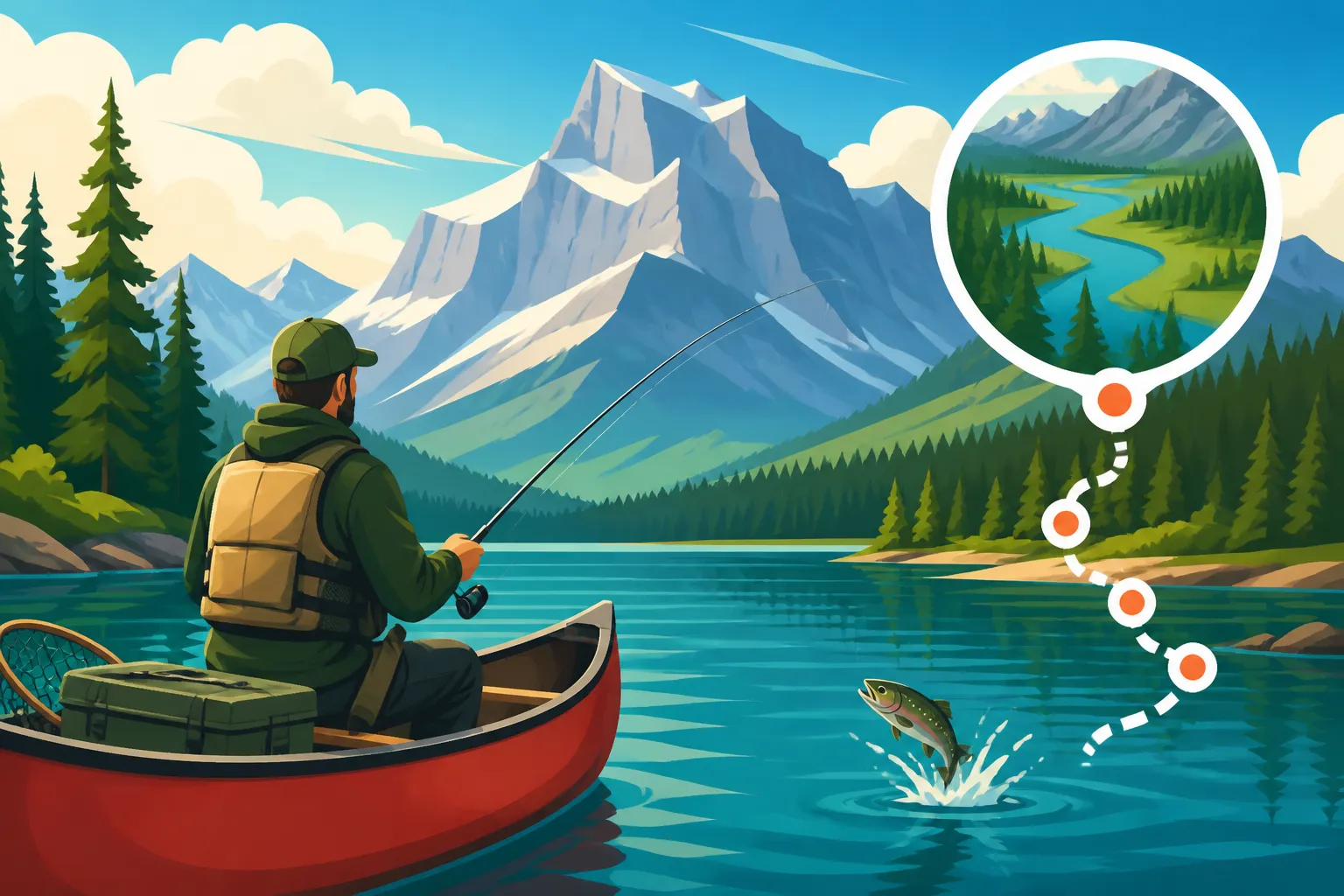
Canoe fishing in Alberta offers a unique blend of tranquility and adventure that's hard to match with a motorboat or even a kayak. It's about more than just catching fish; it's about the journey, the quiet moments, and the connection to Alberta's stunning landscapes.
The Allure of Seclusion and Serenity
Imagine a dawn paddle on a glass-calm lake, mist rising from the water, and the only sounds are your paddle strokes and distant bird calls. Canoe fishing inherently takes you away from the hustle and bustle. You're not fighting for ramp space, nor are you dealing with the constant drone of an outboard motor. This quiet approach allows you to truly immerse yourself in the natural environment. It's a chance to unplug, to slow down, and to experience Alberta's wilderness at a pace that invites reflection and appreciation. For many, the peace and quiet are as valuable as any trophy fish they might catch.
Unparalleled Access to Untouched Waters
One of the biggest advantages of a canoe is its versatility and shallow draft. Canoes can access small creeks, narrow channels, and remote bays that are simply off-limits to larger, motorized vessels. This means you can often reach areas where fish see less pressure and are more likely to strike. Whether it's navigating through a series of small rapids on a river or portaging into an otherwise inaccessible mountain lake, a canoe opens up a world of possibilities. You might find yourself casting into pristine pools on a forgotten stream or exploring weed beds in a tucked-away lake corner, far from any road or busy boat launch. It’s this intimate access that truly sets canoe fishing apart, often leading to more productive and certainly more peaceful fishing.
Navigating Alberta's Top Canoe Fishing Routes
Alberta is blessed with an incredible array of waters, from powerful prairie rivers to serene mountain lakes, all offering fantastic canoe fishing opportunities. Choosing the right route depends on your skill level, desired species, and how long you want to be out.
River Adventures for Trout and Pike
Alberta's rivers offer some of the most dynamic canoe fishing experiences, especially for those chasing trout or predatory pike and walleye.
The Iconic Bow River
When you talk about river fishing in Alberta, the Bow River is often the first name that comes up, and for good reason. Downstream from Calgary, the Bow is globally renowned for its prolific wild rainbow and brown trout. A canoe is an ideal way to drift its productive stretches, allowing you to quietly approach holding lies, riffles, and undercut banks. Many anglers choose to float various sections between Calgary and Carseland, often a half-day to full-day affair. You can put in at popular spots like McKinnon Flats or Policeman's Flats and take out downstream. The current can be brisk in places, so some paddling experience is beneficial. It's also vital to be well-versed in the specific regulations for this world-class fishery. If you're new to the area, consulting a local expert or even booking a guided trip through a service like FishingBooker can provide invaluable insight into the best runs and appropriate fly patterns. For a deeper dive into this incredible waterway, you can check out our comprehensive Bow River Fishing Guide.
The Challenging Crowsnest River
Further south in the Crowsnest Pass, the Crowsnest River is another gem, particularly for those seeking a more technical trout fishing experience. Known for its feisty rainbow and cutthroat trout, the "Crow" offers a mix of faster runs, deep pools, and challenging currents. While many parts are popular for wading, certain sections are perfect for a drift in a canoe or raft, providing access to less-pressured water. The river can be quite braided and shallow in some areas, especially later in the season, requiring good navigational skills and sometimes a short portage. Timing your trip with adequate water levels is key. Anglers often launch below Lundbreck Falls or near Burmis, taking out several hours downstream. Learning more about Crowsnest River Trout Fishing can help you prepare for its unique challenges and rewards.
Northern Giants: North Saskatchewan and Athabasca Rivers
For those seeking larger, wilder adventures targeting northern pike, walleye, and even the occasional sturgeon or burbot, Alberta’s major northern rivers like the North Saskatchewan and Athabasca offer multi-day canoe fishing expeditions. These are serious trips that require significant planning, excellent paddling skills, and wilderness preparedness. The currents are strong, and access points can be few and far between. However, the reward is an unparalleled sense of wilderness and the chance to hook into some truly impressive fish. Imagine setting up camp on a remote sandbar, cooking your catch over an open fire, and waking to the call of an eagle. You'll need to research specific access points and potential hazards carefully. For detailed information on these expansive waterways, you can explore resources like our guides on North Saskatchewan River Fishing Spots and Athabasca River Fishing Spots.
Lake Explorations for Walleye and Lake Trout
While rivers offer dynamic fishing, Alberta's lakes provide their own unique canoe fishing opportunities, especially for species like walleye, northern pike, and lake trout.
Lesser Slave Lake's Sheltered Bays
Lesser Slave Lake, Alberta’s largest lake entirely within the province, is famous for its abundant walleye and northern pike. While the main body of the lake can be extremely large and prone to rough waters, making it unsuitable for canoeing in open areas, its numerous sheltered bays and river mouths are perfect for canoe exploration. Areas like the eastern basin's shallow flats or the protected areas around Widewater offer excellent opportunities to paddle into prime fishing grounds without the worry of strong winds. Here, you can quietly approach weed lines, submerged structure, and transition areas where walleye often lurk. Remember to always check the weather forecast before heading out, even in the bays, as conditions can change rapidly. Our guide on How to Catch Walleye in Alberta offers great tips that are easily adaptable for canoe anglers on Lesser Slave Lake.
Kananaskis Lakes and Other Mountain Gems
For a completely different experience, the Kananaskis Lakes (Upper and Lower) and other mountain lakes within Kananaskis Country offer breathtaking scenery alongside excellent fishing for lake trout, rainbow trout, and cutthroat trout. Many of these lakes have restrictions or outright bans on gasoline-powered motors, making them ideal for canoes. Picture yourself paddling past towering peaks, casting towards rocky drop-offs, or exploring small inlets. The waters are often crystal clear, making for exciting sight-fishing opportunities. Wind can be a factor in these mountain valleys, so launching early in the morning when the air is calm is often the best strategy. For more details on these stunning locations, consult our Kananaskis Lakes Fishing Guide. For those targeting the elusive lake trout, understanding How to Catch Lake Trout in Alberta will be invaluable.
Remote Backcountry Lakes
For the truly adventurous, Alberta boasts countless remote backcountry lakes, many of which require hiking or portaging to access. These often hold native trout species, offering a chance to fish truly untouched waters. Examples might include smaller lakes in Willmore Wilderness Park or certain areas of Peter Lougheed Provincial Park that are off the beaten path. These trips require self-sufficiency, excellent navigation skills, and a commitment to Leave No Trace principles. Always check with Alberta Parks or relevant land management agencies for specific access rules and any required permits before venturing into these pristine environments.
Planning Your Alberta Canoe Fishing Expedition
A successful canoe fishing trip in Alberta hinges on thorough preparation. From understanding regulations to managing logistics, a little planning goes a long way.
Permits, Licenses, and Regulations
Before you even think about putting your canoe in the water, ensuring you have the correct documentation is paramount. Every angler in Alberta, with a few age-based exceptions, needs an Alberta fishing license. This also requires an active Wildlife Identification Number (WIN) card. Make sure your license is valid for the current season and zone you intend to fish. Additionally, you must be intimately familiar with the specific regulations for the water body you’ll be on, as rules can vary greatly by zone, lake, and even specific river section. These can include bait restrictions, special harvest licenses (like for walleye), catch-and-release only sections, and specific season dates. You can find detailed information in our guides, such as the Alberta Fishing License Guide for 2026 and Alberta Fishing Regulations Explained. Beyond fishing, if you plan to use a motorized canoe or any other vessel, even an electric trolling motor, you'll need to be aware of Alberta boating laws for anglers, including possessing a Pleasure Craft Operator Card.
Shuttle Logistics and Access Points
For river trips, one of the biggest logistical hurdles is often the shuttle. Unless you're doing a simple out-and-back paddle, you'll need a way to get your vehicle from your put-in point to your take-out point.
Self-Shuttling Strategies
Many anglers opt for a two-vehicle shuttle: one vehicle parked at the take-out, the other used to drop the canoe at the put-in. After the float, you drive back to retrieve the put-in vehicle. This is often the most cost-effective option if you have a fishing buddy. Another, more intrepid approach for solo or small groups, involves dropping the canoe, driving your vehicle to the take-out, then cycling back to the put-in. This is where a sturdy bike can become part of your essential gear!
Utilizing Commercial Services
If a self-shuttle isn't feasible, consider hiring a local outfitter or guide service. Many fishing guides, especially on popular rivers like the Bow, offer shuttle services for a fee. This allows you to focus solely on the fishing and paddling without worrying about vehicle logistics. Platforms like FishingBooker can be an excellent resource for finding reputable local outfitters who offer these services, making multi-day river trips much smoother and more enjoyable. They can often also provide up-to-date information on river conditions.
Best Times to Go
Choosing the right time of year is crucial for a successful canoe fishing trip, as conditions and fish activity vary dramatically.
Spring
Early spring, once ice-out occurs, can be fantastic for northern pike and walleye in many of Alberta's prairie lakes and larger rivers as they move into shallower spawning areas. Rivers can be high and fast with snowmelt, making for challenging paddling, but often opens up new fishing opportunities. For trout streams, the season opener in May or June (depending on the zone) is a popular, albeit sometimes crowded, time.
Summer
Summer offers stable weather and generally lower, clearer river flows, ideal for trout fishing. Mountain lakes are accessible, and the long daylight hours allow for extended paddles. However, some prairie lakes can experience algal blooms and warmer water, which might push fish deeper or make them less active during the hottest parts of the day. Early mornings and late evenings are often the most productive.
Fall
Fall is arguably the best time for many canoe anglers. The crowds thin out, the autumn colours are spectacular, and fish are often actively feeding in preparation for winter. Trophy pike and walleye become more aggressive, and trout fishing on rivers like the Bow can be exceptional as they feed on various insect hatches and begin their spawn. Be prepared for cooler temperatures and potentially unpredictable weather. For a more detailed look at seasonal fishing, check out our guide on the Best Time of Year to Fish in Alberta.
Essential Gear and Safety for Canoe Anglers
A successful and safe canoe fishing trip requires specific gear beyond just your fishing rod. Being prepared for varying conditions and potential emergencies is key.
The Right Canoe and Paddles
Choosing the right canoe for your trip is fundamental. For general fishing and versatility, a 16-foot to 17-foot prospector-style canoe is often a great all-around choice, offering a good balance of stability, capacity, and maneuverability. Material matters:
- Aluminum canoes are durable and low-maintenance but heavy and noisy.
- Royalex/T-Formex canoes offer a good balance of durability, weight, and quietness.
- Composites (fiberglass, Kevlar) are lightweight and perform well but are more expensive and less durable for rocky encounters.
For paddles, ensure you have at least one spare. Sizing your paddle correctly for your height and paddling style will significantly reduce fatigue.
Fishing Tackle Tailored for Canoes
Space is often at a premium in a canoe, so efficiency is key. Consider shorter, more compact rods that are easier to handle in tight spaces and less likely to snag on overhead branches or a paddling partner. A good multi-piece spinning rod (like a 6'6" medium-light) is versatile for many Alberta species. Opt for a tackle bag or a small, well-organized tackle box that fits neatly under a seat or is secured. Prioritize versatile lures that work for multiple species you might encounter. For specific tackle recommendations, you might find useful insights in our article on Best Tackle for Alberta Walleye or Best Pike Gear for Alberta Lakes. Always have a quality landing net; a rubberized net is ideal for Best Landing Net for Trout as it's gentler on fish and less prone to snagging hooks. For pike, a larger, more robust net is key, such as those recommended in Best Landing Net for Pike.
Non-Negotiable Safety Equipment
Safety should always be your top priority on the water.
- Personal Flotation Devices (PFDs): Everyone in the canoe must have an appropriately sized and easily accessible PFD. Better yet, wear it! It's not just a recommendation; it's a legal requirement and can save your life. Consult Life Jacket Requirements for Alberta Boaters for full details.
- Bailing Device and Throw Bag: A bailing bucket or sponge is essential for removing water from your canoe. A throw bag, a small bag containing a coil of rope, is invaluable for rescuing a swimmer or another boat in moving water.
- First Aid Kit: A waterproof first aid kit stocked for minor cuts, scrapes, and emergencies is critical.
- Dry Bags: Protect your essentials like extra clothing, food, camera, and electronics in waterproof dry bags. A large dry bag (20-30L) is perfect for a day's gear, while smaller ones are great for valuables. You can find more information on securing your gear in our Best Dry Bag for Kayak Fishing guide, as many principles apply directly to canoes.
- Knife: A sturdy knife is always useful for cutting line, rope, or for emergency situations.
Navigation and Communication
Even on familiar waters, conditions can change. Always carry a reliable map and compass, and know how to use them. A waterproof GPS device or a smartphone with downloaded offline maps (and a power bank) can be incredibly helpful. For remote trips, a satellite messenger or personal locator beacon (PLB) is a wise investment, allowing you to call for help even where there's no cell service. Inform someone of your float plan, including your route, put-in/take-out times, and expected return.
Wildlife Preparedness
Alberta's wilderness is home to abundant wildlife, including bears. Carry bear spray and know how to use it. Store food securely, preferably in bear-resistant containers or hung from a tree, away from your camp. Make noise when hiking to and from access points to avoid surprising animals. Respect wildlife and observe from a safe distance.
Comparison of Alberta Canoe Fishing Routes
Here's a quick overview of some popular canoe fishing routes to help you plan your adventure:
| Route Name | Target Species | Difficulty | Typical Trip Length | Key Feature |
|---|---|---|---|---|
| Bow River (Calgary Area) | Rainbow, Brown Trout | Moderate | Half-day to 2 days | World-class wild trout fishery, urban access |
| Crowsnest River | Rainbow, Cutthroat Trout | Easy-Moderate | Half-day | Scenic mountain stream, technical fishing |
| North Saskatchewan River | Pike, Walleye, Sturgeon | Moderate-Difficult | Full-day to multi-day | True wilderness feel, large fish potential |
| Upper Kananaskis Lake | Lake Trout, Rainbow | Easy-Moderate | Half-day to full-day | Stunning mountain scenery, electric/no motors |
| Lesser Slave Lake (Bays) | Walleye, Northern Pike | Easy-Moderate | Full-day | Abundant walleye, sheltered waters in large lake |
| Oldman River | Brown, Rainbow Trout, Pike | Moderate | Half-day to full-day | Diverse fishing, prairie river experience |
| Athabasca River | Walleye, Pike, Arctic Grayling | Moderate-Difficult | Multi-day | Remote northern adventure, big river navigation |
Final Thoughts
Canoe fishing in Alberta offers a truly unique way to experience the province's incredible natural beauty and abundant fisheries. It’s an adventure that promises quiet moments, stunning scenery, and the thrill of the catch, all while fostering a deeper connection to the wild. While planning and preparation are crucial, the rewards are well worth the effort. So, dust off that canoe, pack your gear, and get ready to paddle into your next unforgettable Alberta fishing story!
Disclaimer
Fishing regulations and conditions in Alberta can change frequently. Always consult the official Alberta Guide to Sportfishing Regulations before heading out. This guide provides general information and should not replace official sources or professional advice. Be aware of local conditions, weather forecasts, and always prioritize safety on the water.