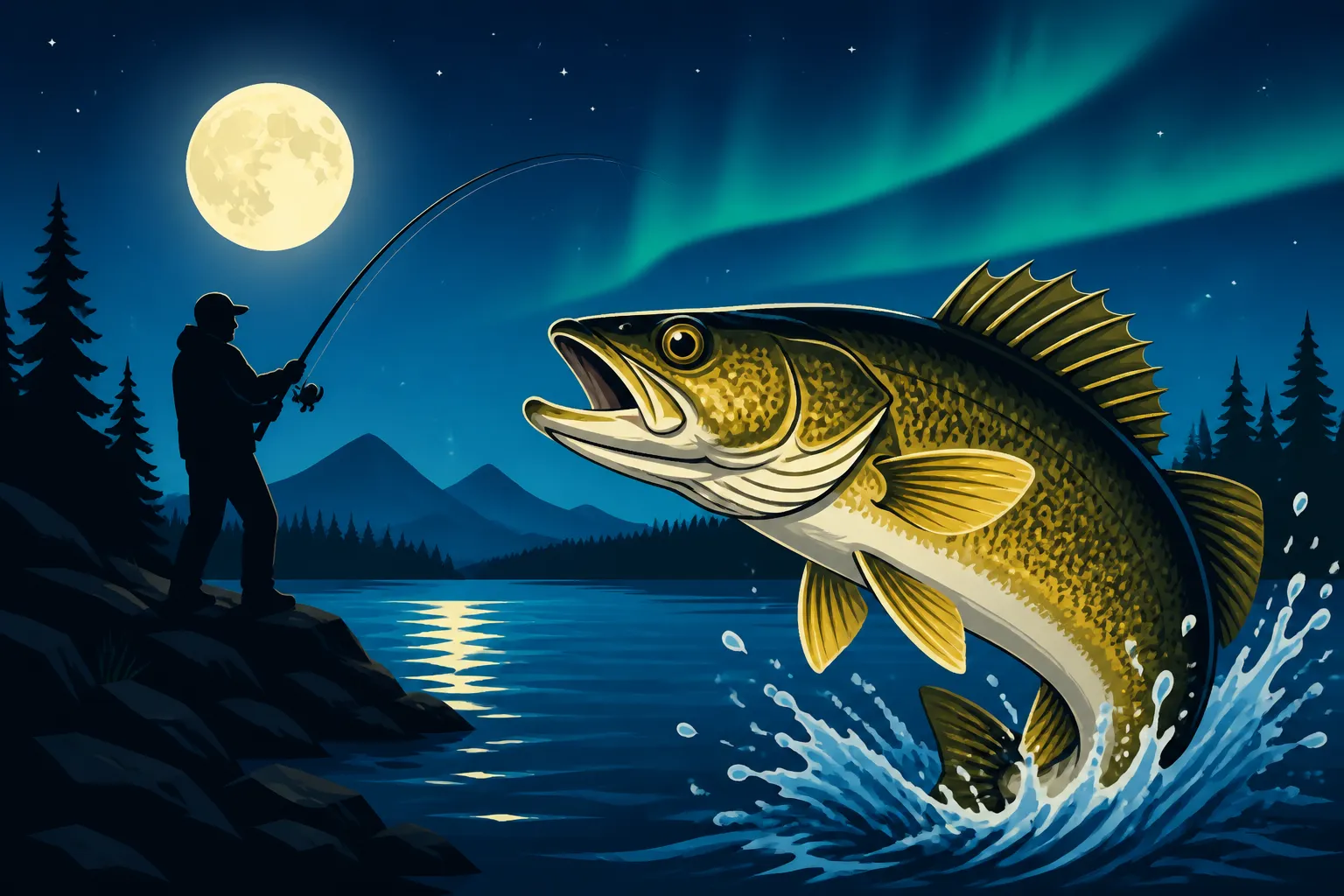
Best night fishing spots for walleye in Alberta
For many anglers, the thought of chasing walleye after the sun dips below the horizon in Alberta is often relegated to a dream or a fleeting thought. The truth is, finding those prime night fishing spots and knowing how to tackle them can feel like a secret handshake only a few possess. It's frustrating when you know walleye are active at night, but you're left guessing where to go and what to do. This comprehensive guide is here to shed light on the best locations and crucial techniques for successful night fishing for walleye across Alberta, ensuring you’re well-equipped for your next moonlit angling adventure.
Why Night Fishing for Walleye is So Effective in Alberta
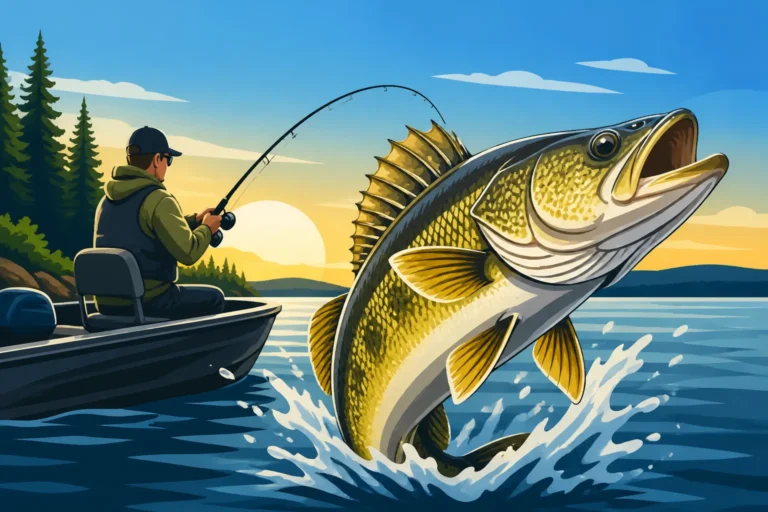
Night fishing for walleye isn't just a quirky pastime; it's a highly effective strategy that leverages the natural behavior of these sought-after fish. Walleye, with their large, light-sensitive eyes, are perfectly adapted for hunting in low-light conditions. During the day, especially on bright, sunny days or in clear water, they often retreat to deeper, darker waters or thick cover to avoid the glare. As dusk approaches, a switch flips.
The Walleye's Nocturnal Advantage
Their unique eye structure, featuring a reflective layer called the tapetum lucidum, allows them to gather more available light than most other fish species. This gives them a significant predatory advantage over their prey, such as perch or baitfish, which are less equipped for the dark. As the sun sets and light levels drop, walleye become more active, moving from their daytime haunts into shallower feeding zones. This migration puts them within easier reach of anglers who know where and how to intercept them. You'll often find them cruising shorelines, shallow flats, weed lines, and structural elements like reefs and points that might be barren during peak daylight hours.
Leveraging Lower Light for Anglers
For you, the angler, this shift means an incredible opportunity. Not only are walleye often more aggressive and less wary in the dark, but fishing pressure from other boats tends to decrease significantly once the sun goes down. This can lead to less competition for prime spots and a more peaceful, solitary experience on the water. The cooler night air can also be a welcome relief during hot summer months, making the fishing experience more comfortable. Plus, there's an undeniable thrill to feeling a solid walleye strike when you can barely see your rod tip—it truly sharpens your senses and makes for memorable catches.
Top Alberta Lakes for Night Walleye Action
Alberta boasts several fantastic walleye fisheries, and many of them offer exceptional night fishing opportunities. Knowing which ones to target and what specific features to look for can make all the difference.
Lesser Slave Lake: A Walleye Mecca After Dark
Lesser Slave Lake, often hailed as Alberta's premier walleye destination, truly comes alive at night. This massive body of water in north-central Alberta holds an incredible population of walleye, many of them in the trophy class. As darkness falls, walleye move shallower to feed on baitfish that seek refuge in the lake's vast weed beds and along its many points and reefs. The areas around Canyon Creek, Hilliard's Bay, and the shallower bays near Faust and Kinuso are particularly productive. Anglers often find success slow-trolling crankbaits in depths of 8-15 feet or jigging glow lures over submerged structure. If you're planning a trip to this giant, it's worth checking out our guide on Lesser Slave Lake Walleye Fishing. The sheer size of the lake can be intimidating, but focusing on key transitional areas where deep water meets shallow feeding flats is a consistent strategy. Consider hiring a local guide through platforms like FishingBooker who specializes in night trips to learn the nuances of this incredible fishery after dark.
Pigeon Lake: Accessible and Productive Night Fishing
Closer to the Edmonton area, Pigeon Lake offers an excellent and more accessible option for night walleye fishing. This lake, known for its healthy walleye population and clear waters, can be challenging during the day due to boat traffic and wary fish. However, once twilight sets in, the walleye become much more aggressive. Look for shallower areas, particularly weed edges, sand flats, and rocky points. The area around Mission Beach and the south end of the lake often produce well. Using slip bobbers with live leeches (where permitted and available) or nightcrawlers fished just above the weed tops can be deadly. Small glow jigs tipped with a minnow imitation or soft plastic grub also work wonders. Because of its popularity, Pigeon Lake's walleye have seen a lot of lures, so subtle presentations often outperform aggressive ones at night. Our detailed guide on Pigeon Lake best fishing spots can provide further insights into daytime tactics that can be adapted for night.
Cold Lake: Deep Water Giants Under the Stars
While primarily famous for its monster lake trout, Cold Lake also holds a significant population of impressive walleye, particularly in its shallower bays and along its vast structure. Night fishing here can be incredibly rewarding, especially if you focus on the transitional zones where the lake's immense depths meet its fertile shallows. Target areas like French Bay, the shallows near the city of Cold Lake, and the numerous underwater humps and reefs. Trolling deep-diving crankbaits that reach 15-25 feet is often effective, as walleye here can relate to deeper structure even at night. Alternatively, anchoring over a known walleye hump and jigging glow-in-the-dark spoons or plastics can draw strikes from big fish. Given the lake's size and depth, a good fish finder is an absolute must, even at night. For more on the species here, consider reading up on Lake Trout Fishing in Alberta, as you might hook into one while targeting walleye.
Gull Lake: Southern Alberta's Night Walleye Gem
For those in southern Alberta, Gull Lake provides another excellent opportunity for night walleye. Situated near Lacombe, this lake is known for its extensive weed beds and shallow flats, making it prime walleye habitat. During the day, the lake can be very busy, but at night, it transforms into a peaceful haven for anglers. Focus your efforts on the edges of the weed lines, especially where they drop off into slightly deeper water. The sandy and rocky points are also key areas. Cast or troll shallow-running crankbaits, or use a classic jig-and-minnow presentation. Slip bobbers are also incredibly effective here, allowing you to present bait precisely at the desired depth just above the vegetation. The lake is generally shallow, so boat positioning and silent approaches are crucial to avoid spooking fish.
Essential Gear and Techniques for Night Walleye Success
Night fishing for walleye isn't just about showing up after dark; it requires specific gear and adjusted techniques to maximize your chances and ensure your safety.
Specialized Tackle and Lures
Your rod and reel setup doesn't need to be drastically different from your daytime walleye gear, but sensitivity is key. A medium-light to medium power spinning rod with a fast action, paired with a reliable spinning reel spooled with 8-10 lb braided line and a fluorocarbon leader, is ideal. The braid offers excellent sensitivity for detecting subtle night bites, and the fluorocarbon leader provides stealth in clear waters. For specific lure choices, glow-in-the-dark jigs are a staple. Charge them frequently with a UV flashlight or a camera flash to keep them bright. Soft plastics in darker colors (like black, purple, or blue) can also be surprisingly effective, as they provide a strong silhouette against the moonlit water.
When it comes to crankbaits, choose models with rattles to create sound and vibration, which can attract walleye in the dark. Deep-diving models for trolling and shallow-running ones for casting near shore are essential. Another highly effective technique is fishing with a slip bobber. This allows you to present live bait (if permitted) or artificials at a precise depth above cover. A lighted bobber is a game-changer here, letting you see the strike when it dips. For more general walleye lure advice, our guide on Best Baits for Walleye on Lesser Slave Lake can offer some foundational knowledge to adapt for night use.
Mastering Night Fishing Techniques
Slow Trolling: This is a fantastic way to cover water at night. Use a quiet electric trolling motor, or if using a gas motor, go at the slowest possible speed. Long-lining crankbaits that run at various depths can help you find the walleye's preferred zone. Pay close attention to your sonar for any changes in depth or structure, even if you're not seeing fish returns – they might be relating tightly to the bottom.
Jigging: Whether from an anchored boat or drifting slowly, jigging with glow jigs or spoons is incredibly effective. Let your jig hit the bottom, then lift it 6-12 inches and let it flutter back down. Walleye often hit on the fall. Tipping your jig with a piece of minnow or a scented soft plastic can add extra appeal. Remember to recharge your glow lures every 10-15 minutes to maintain maximum visibility.
Slip Bobber Fishing: For shallower areas, weed lines, or specific structures, a slip bobber setup is hard to beat. Set your bobber stop to position your bait just above any known structure or weeds. Use a lively minnow or a plump nightcrawler. The key is patience; a walleye bite at night can often be a slow, deliberate pull-down of the bobber, rather than an aggressive jerk.
Safety Considerations for Night Angling in Alberta
Fishing at night carries inherent risks that daytime angling doesn't. Prioritizing safety is paramount, especially when navigating Alberta's often expansive and sometimes remote waters.
Navigation and Visibility
One of the biggest challenges at night is navigation. Always have a reliable GPS unit with up-to-date charts, and know how to use it. Even on familiar waters, disorientation can happen quickly in the dark. Carry extra batteries for your GPS, headlamps, and any other electronic devices. Your boat should have proper navigation lights (red and green bow lights, white stern light) that are fully functional. A powerful spotlight can be invaluable for spotting hazards, channel markers, or other boats. Speaking of boats, before heading out, ensure you're familiar with Alberta Boating Laws for Anglers, as navigation light requirements are strict and for good reason.
Always inform someone of your float plan: where you're going, who you're with, and when you expect to return. This simple step can be a lifesaver if something unexpected happens. If you're using a guide service, remember that many outfitters listed on platforms like FishingBooker are experienced with night operations and prioritize safety.
Personal Safety and Emergency Preparedness
Cold water is a year-round threat in Alberta, even on summer nights. Dress in layers, including waterproof outer shells, as night air can drop significantly. Always wear a PFD (Personal Flotation Device), even if you're a strong swimmer. Accidents can happen quickly, and wearing a PFD could give you the critical seconds needed to recover. Remember, Life Jacket Requirements for Alberta Boaters are not just suggestions; they are laws designed to protect you. Carry a fully charged cell phone, but don't rely on it entirely, as service can be spotty. A marine radio (VHF) is a much more reliable communication device on the water.
Beyond personal warmth and flotation, a well-stocked first-aid kit is essential. Be aware of wildlife, especially in more remote areas. Bears, cougars, and coyotes are active at night, so store food securely and make noise when moving ashore. Always fish with a buddy when possible; there's safety in numbers, and an extra set of hands or eyes can be invaluable in an emergency. Preparing for the unexpected is simply part of being a responsible night angler.
Understanding Walleye Habits and Regulations
To consistently catch walleye at night, it's beneficial to have a deeper understanding of their biology and the specific regulations that govern their harvest in Alberta.
Walleye Behavior in Different Seasons
Walleye behavior varies significantly with the seasons, and understanding these patterns can help you predict where they'll be at night. In spring, after ice-out and post-spawn, walleye are often found in shallower areas, recuperating and feeding heavily. They'll frequent creek mouths, river inlets, and shallow bays with warmer water. Night fishing during this time can be exceptionally good as they move into these areas to ambush baitfish.
As summer progresses and water temperatures rise, walleye might move deeper during the day but will still push into shallower feeding flats and weed lines at night. They're often most active just after sunset and before sunrise. During fall, as water cools, walleye begin to school up and feed aggressively in preparation for winter. They can be found on deep reefs, humps, and steep breaks during the day, but will still make nocturnal forays into shallower structure to gorge on bait. This pre-winter feeding frenzy can offer some of the best night fishing opportunities of the year. Always consult the Alberta Fishing Season Dates by Zone to ensure your chosen lake or river is open for walleye.
Alberta Walleye Regulations and Conservation
Alberta has a robust fisheries management system, and walleye regulations are often quite specific, varying by zone and even individual water body. This is especially true for walleye, which have undergone significant conservation efforts, including the popular Alberta Walleye Special Harvest Licence Program. It's absolutely critical to consult the current Alberta Guide to Sportfishing Regulations before every outing, especially if you plan to keep any fish. Regulations can change annually, and ignorance is no excuse for breaking the law.
Many lakes have catch-and-release only rules for walleye, or specific slot limits to protect spawning-sized fish. If you're lucky enough to catch a beautiful walleye at night, remember to handle it with care, especially if releasing it. Minimize air exposure, use a rubberized net to protect its slime coat, and revive it gently before release. Practicing responsible angling helps ensure healthy walleye populations for future generations of night fishing enthusiasts.
Maximizing Your Night Fishing Experience
Beyond gear and safety, a few extra tips can truly elevate your night walleye fishing experience, turning a good trip into a great one.
Using Electronics Wisely
While too much light can spook fish at night, your boat's electronics, especially a good fish finder, are invaluable. Set your display to a darker theme or lower the brightness to minimize glare. Focus on identifying structure, depth contours, and baitfish schools. Walleye often sit right on the bottom or relate very tightly to structure, so understanding the bottom composition and transitions is key. Mark waypoints of productive areas during the day so you can return to them confidently at night. Consider a model that offers excellent side imaging or down imaging for detecting subtle features. A detailed guide on Best Fish Finders for Alberta Lakes can help you choose the right unit.
Stealth and Patience
Walleye can be surprisingly wary, even at night. Approach your fishing spots quietly, using your electric trolling motor instead of your gas engine when possible. Avoid unnecessary noise in the boat. Walleye have an acute sense of hearing through their lateral line, so loud talking, banging tackle boxes, or dropping gear can send them scattering.
Patience is a virtue in all forms of fishing, but especially at night. Bites can be subtle and spaced out. Don't rush your presentation; give the walleye time to find your lure or bait. Sometimes, the most productive periods can be short bursts of activity, so be ready when the bite turns on. Embrace the quiet solitude of the night, the sounds of nature, and the focused anticipation of a strike. It's an experience unlike any other.
Disclaimer
The information provided in this guide is for general informational purposes only and is subject to change. Anglers are responsible for consulting the most current Alberta Guide to Sportfishing Regulations before engaging in any fishing activities. Always prioritize safety and adhere to all local, provincial, and federal laws and regulations.