Pigeon Lake best fishing spots
Pigeon Lake, a popular destination for anglers in Central Alberta, can be a bit overwhelming if you don't know where to start. With its expansive waters and numerous nooks and crannies, finding those prime fishing spots requires a bit of local knowledge and understanding of the lake's unique characteristics. This guide is designed to cut through the guesswork, helping you pinpoint the best areas on Pigeon Lake for targetting walleye, northern pike, and yellow perch, ensuring a more productive and enjoyable day on the water.
Understanding Pigeon Lake's Fishing Appeal and Structure
Pigeon Lake, situated southwest of Edmonton, is a gem in Alberta's fishing landscape. It’s known for its relatively shallow depths and rich, fertile waters, which contribute to a thriving ecosystem supporting a robust population of popular game fish. This isn't a deep, clear mountain lake; rather, it's a prairie lake with different challenges and rewards.
A Shallow, Fertile Lake for Diverse Species
Pigeon Lake's average depth hovers around 6.5 meters (21 feet), with its deepest point reaching only about 9 meters (30 feet). This shallow nature means the water warms up quickly in spring, accelerating fish metabolism and growth. It also leads to extensive weed beds, which are crucial habitat for baitfish and, consequently, predatory species like northern pike and walleye. The lakebed is primarily composed of mud and silt, with scattered gravel and rock reefs, particularly in the eastern sections. This rich substrate, combined with ample aquatic vegetation, creates a perfect environment for a diverse fishery. You’ll find healthy populations of walleye, northern pike, and yellow perch, making it a fantastic multi-species destination. Understanding the lake's fertile, shallow nature is key to predicting where fish will be, as they often relate to the thermocline (if one forms) and the available structure, especially weeds.
Key Structures and Substrates that Hold Fish
When you're out on Pigeon Lake, whether by boat or during ice fishing season, understanding the underwater topography is paramount. Fish, especially walleye and pike, are almost always associated with some form of structure. For walleye, this often means transition areas – where hard bottom meets soft, or where shallow flats drop off into slightly deeper water. Look for humps, shoals, and points that extend into the lake, as these act as ambush points. The eastern side of the lake, particularly around Mulhurst Bay and the Ma-Me-O Beach area, is known for its gravel bars and subtle reef structures. Northern pike, on the other hand, are often found lurking in and around the dense weed beds that proliferate across much of the lake. These aquatic jungles provide perfect cover for ambush predators, especially in bays and along the shorelines. Shallow flats with scattered weeds are also prime locations for perch, which often school up in large numbers. Using your electronics to identify submerged weed lines, depth changes, and bottom composition will significantly increase your chances of success.
Top Walleye Hotspots on Pigeon Lake
Walleye are undoubtedly the star attraction for many anglers on Pigeon Lake. Known for their delicious fillets and feisty fights, they can be found throughout the lake, but certain areas consistently produce better results. Knowing where to focus your efforts can make all the difference. To truly excel, you might want to review our comprehensive guide on how to catch walleye in Alberta.
Exploring the Eastern Shoals and Reefs
The eastern side of Pigeon Lake is practically legendary for its walleye fishing. This area, stretching from the northern point of Mulhurst Bay down towards Ma-Me-O Beach, is characterized by a series of subtle shoals, gravel bars, and gradual drop-offs that transition from shallow flats to the slightly deeper basin of the lake. These structural elements provide excellent feeding opportunities for walleye. For instance, the area just outside of Mulhurst Bay, particularly the points and submerged humps, can be incredibly productive, especially during low light conditions or when the walleye are actively feeding. Anglers often find success here by trolling crankbaits along the 10-15 foot contours or by jigging soft plastics or bottom bouncers with worms or leeches over the gravel areas. It’s a good idea to scout these spots with your fish finder to locate schools of baitfish or larger marks that indicate walleye. Remember to always be mindful of the Alberta Walleye Limit by Zone, which can vary, so check the current regulations before you head out.
Western Bays and Their Walleye Potential
While the eastern side gets a lot of attention, don't overlook the western and southern bays for walleye. These areas, like those near the Pigeon Lake Provincial Park or around the inlet of the Pigeon Lake outflow, offer different types of structure that can hold fish. These bays often feature more extensive weed growth and softer bottoms, creating excellent cover and foraging grounds. Walleye here tend to patrol the edges of the weed lines or hang out in slightly deeper pockets within the bays. During the early morning or late evening, walleye will often move into shallower areas to feed. Trolling smaller crankbaits or casting jigs and swimbaits along these weed edges can be highly effective. The deeper channels and holes near the outflow can also be productive, especially during periods of higher water flow or when fish are congregating before or after spawning. Some anglers have found success by looking up local guides on platforms like FishingBooker to get real-time insights into these less-pressured western spots.
Best Pigeon Lake Locations for Northern Pike
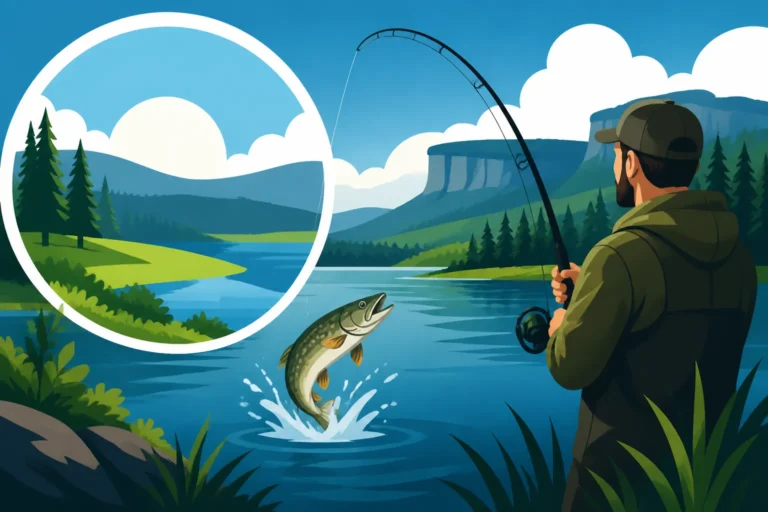
Northern pike are abundant in Pigeon Lake, offering thrilling action for anglers who enjoy a strong fight. These toothy predators are widespread, but certain habitats provide consistent opportunities to hook into some impressive specimens. If you're specifically targeting pike, our general guide on Northern Pike Fishing in Alberta provides excellent foundational knowledge.
Weedy Bays and Shallow Inlets for Aggressive Pike
Pigeon Lake's numerous shallow, weedy bays are absolutely tailor-made for northern pike. Places like Zeiner Park Bay, the shallower sections of Mulhurst Bay, or the vast weed flats near Mission Beach are prime examples. These areas, typically 5-10 feet deep, provide abundant cover for pike to ambush unsuspecting baitfish. During the warmer months, these weed beds are teeming with life, and pike will lie in wait, perfectly camouflaged. Casting large spinnerbaits, spoons, or topwater lures directly into and over the weed beds can trigger explosive strikes. Even jerkbaits worked along the edges of thicker vegetation can be deadly. It's not uncommon to catch multiple pike in a single outing from these active zones. Always be prepared for a strong fight and have a good set of pliers and a robust landing net ready to ensure a safe release for both you and the fish. Keep in mind the Alberta Northern Pike Limit when planning your trip.
Targeting Larger Pike in Deeper Weed Edges
While the shallow bays are great for numbers, if you're chasing bigger, trophy-sized northern pike, you often need to look towards the deeper weed edges. As the season progresses and water temperatures rise, larger pike may retreat to slightly deeper water where the weed lines meet the main lake basin, or where dense submerged weeds offer cooler temperatures and larger ambush points. These "outside" weed lines, often found in 10-15 feet of water, are excellent places to present larger swimbaits, oversized crankbaits, or even dead bait under a bobber. Focus on points where the weed line changes direction, or where a deeper channel runs alongside the vegetation. These are natural congregation areas for larger predators. A good fish finder is invaluable here for pinpointing these deeper weed edges and any adjacent structure. Some anglers even prefer to use a guide service found on platforms like FishingBooker to help navigate these less obvious, but highly rewarding, deeper pike haunts.
Finding Yellow Perch and Other Panfish in Pigeon Lake
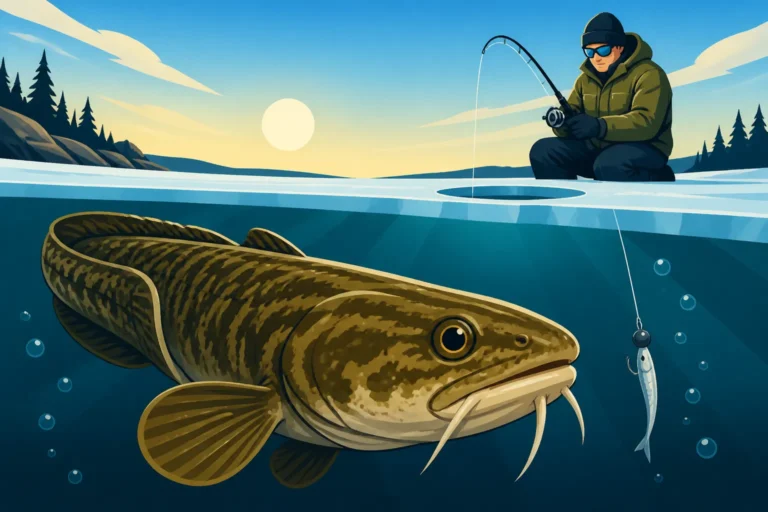
Pigeon Lake is not just about walleye and pike; it also boasts a fantastic yellow perch fishery, along with occasional sightings of burbot and whitefish, especially during ice fishing season. Perch are a fun target for anglers of all ages and make for excellent table fare. For more general advice on these smaller species, check out our guide on Panfish Fishing in Alberta.
Schooling Perch in Weedy Flats
Yellow perch are prolific in Pigeon Lake and can be found almost anywhere there are decent weed beds, which is to say, almost everywhere! They are schooling fish, so when you find one, you're likely to find many. The large, shallow weed flats, particularly those adjacent to deeper water, are prime locations. Areas around the shores of Pigeon Lake Provincial Park, or the extensive flats towards the northern and southern ends of the lake, are consistently productive. Perch will often suspend just above the weed growth, feeding on insects, small minnows, and crustaceans. During open water season, small jigs tipped with a piece of worm, tiny spoons, or even micro crankbaits are highly effective. For ice fishing, small spoons or tungsten jigs tipped with a maggot or wax worm are the go-to baits. When you catch a perch, try to stay in that exact spot, as the school is likely still underneath you.
Year-Round Panfish Opportunities
One of the great things about panfish in Pigeon Lake is that they offer year-round fishing opportunities, adapting their locations and feeding patterns with the seasons. In spring and early summer, perch are often found shallower, aggressively feeding in warming waters. As summer progresses, they might move slightly deeper to avoid the warmest surface temperatures, relating more closely to deeper weed edges or submerged structures. Fall sees them schooling up in even larger groups, often moving to deeper areas as water temperatures drop, preparing for winter.
Ice fishing truly shines for perch on Pigeon Lake. The entire lake becomes accessible, and perch congregate in predictable areas. The large, open flats of the central lake, around the 15-20 foot depth, become hotspots. Anglers often drill numerous holes and move frequently until they locate an active school. The key is small presentations and patience. You can often find them mixed in with smaller walleye in these same areas. Remember that conditions can change, so always check the Alberta Fishing Seasons by Zone and Month for specific opening and closing dates and potential special regulations.
| Fishing Spot Area | Primary Species | Best Season | Recommended Depth (feet) | Key Structure/Technique |
|---|---|---|---|---|
| Mulhurst Bay (East Shoals) | Walleye | Spring, Fall | 10-15 | Trolling crankbaits, jigging soft plastics over gravel/humps |
| Zeiner Park Bay | Pike, Perch | Summer, Ice Fish | 5-10 | Casting spinnerbaits, spoons into weeds; small jigs for perch |
| Ma-Me-O Beach (East Reefs) | Walleye | Summer, Fall | 12-18 | Bottom bouncing, jigging, trolling deep divers |
| Mission Beach (Weed Flats) | Pike, Perch | Summer, Ice Fish | 5-12 | Topwater, spoons for pike; small jigs, maggots for perch |
| Pigeon Lake Prov. Park | Walleye, Pike | Spring, Summer | 8-15 | Weed line trolling for walleye, casting for pike in cover |
Seasonal Strategies and Essential Gear for Pigeon Lake
Pigeon Lake fishes differently throughout the year, so adapting your strategy is crucial. The right gear can also make a significant difference, whether you're battling a big pike or finessing a wary walleye.
Spring to Fall: Adapting Your Approach
Spring: After ice-out, fish are often shallow and hungry. Walleye will be near spawning areas, often shallower rocky or gravelly points and flats. Pike will also be in the shallows in bays, recovering from their spawn. This is a great time for aggressive presentations – twitch baits for pike, and jigs or live bait for walleye. As the water warms, fish will spread out.
Summer: This is when Pigeon Lake's extensive weed beds become critical. Pike will be deep in them or along their edges. Walleye will relate to these weed lines as well, especially in the mornings and evenings, moving to deeper humps and drop-offs during the day. Trolling is very popular in summer, covering water with crankbaits. Early mornings and late evenings offer excellent topwater action for pike.
Fall: As water temperatures drop, fish become very active, feeding heavily to prepare for winter. Walleye will move to deeper structures and aggressively chase bait. Pike will also be putting on the feedbag, often found on deeper weed edges and main lake points. This is an excellent time for casting large jerkbaits for pike and jigging or slow-trolling deeper diving crankbaits for walleye.
Winter Ice Fishing on Pigeon Lake
Pigeon Lake transforms into an ice angler's paradise in winter. The relatively shallow depth means the lake freezes reliably, offering access to areas unreachable by boat. Ice fishing is incredibly popular here, especially for walleye and perch. You can find detailed information and safety tips in our guide to Ice Fishing in Alberta.
Walleye on Ice: Focus on the same humps, shoals, and breaklines that hold them in open water, often in 15-25 feet of water. Jigging spoons tipped with minnow heads or soft plastic minnow imitations are highly effective. Often, a "dead stick" with a minnow suspended just off the bottom in a second hole can also entice bites. Look for areas with slight current or active baitfish on your sonar.
Perch on Ice: Perch are often found in vast schools over the shallower, weedy flats (8-15 feet). Small tungsten jigs tipped with wax worms, maggots, or even a tiny piece of real shrimp can be irresistible. Drilling many holes and moving frequently until you find an active school is key. They often bite light, so a sensitive rod tip is a must.
Recommended Tackle and Boating Considerations
For walleye, a medium-light to medium power spinning rod with a fast action, paired with a 10-15 lb braided line and an 8-12 lb fluorocarbon leader, is a versatile setup. This allows for both sensitive jigging and effective crankbait trolling. Our guide on the Best Tackle for Alberta Walleye offers specific recommendations.
For northern pike, you'll want a medium-heavy power rod with a fast action, capable of handling larger lures and the powerful fight of a big pike. A baitcasting setup with 20-30 lb braided line and a strong wire or heavy fluorocarbon leader (40-60 lb) is ideal to prevent bite-offs.
Boats: Because Pigeon Lake can get choppy, especially on windy days, a stable boat is recommended. Anything from a smaller aluminum boat to a larger deep-V fiberglass boat can work. For exploring the shallow bays and quieter corners, kayaks or canoes can be fantastic, offering stealth and access to tight spots. You might find our general advice on Best Boats for Alberta Lakes and Rivers or Best Kayaks for Alberta Fishing helpful when making your selection. If you don't own a boat, remember that many local outfitters and guides can be found via services like FishingBooker, offering guided trips that include all the necessary gear and local expertise. Always ensure your boat is equipped with all required safety gear and that you understand Alberta Boating Laws for Anglers.
Disclaimer
The information provided in this guide is for general informational purposes only and is subject to change. Fishing regulations, season dates, and limits can vary significantly and are regularly updated by Alberta Environment and Protected Areas. It is the angler's responsibility to consult the most current version of the Alberta Guide to Sportfishing Regulations before heading out on the water. Always prioritize safety, practice responsible angling, and respect the natural environment.