Best multi-day float trips on Alberta rivers
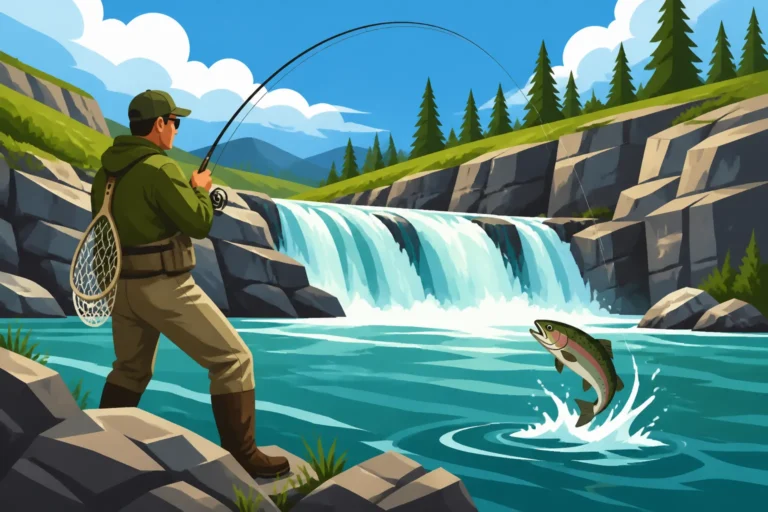
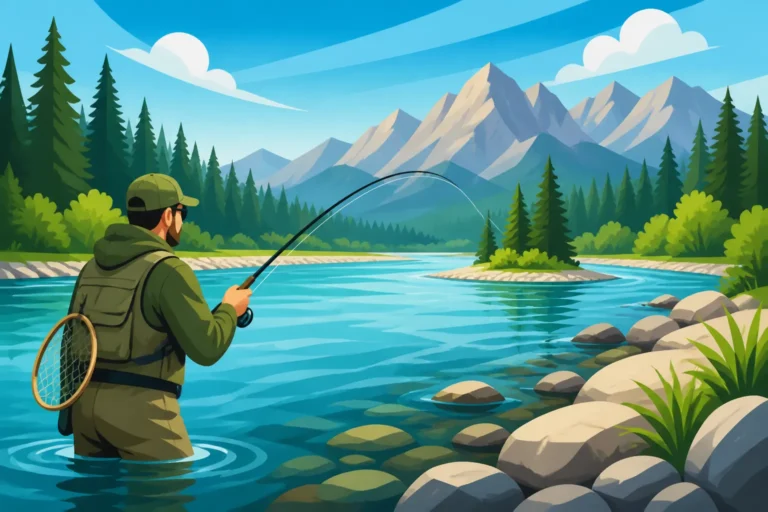
There’s nothing quite like the allure of spending multiple days drifting down an Alberta river, fly rod in hand, with the scent of pine and fresh water filling your lungs. But let's be real, the dream of a multi-day float trip often bumps right up against the daunting reality of planning it. Where do you even start with choosing a river, figuring out the gear, and making sure you're doing everything by the book? It’s enough to make some anglers stick to the easily accessible spots. Well, don’t let that deter you! This guide is here to unravel the complexities and share the secrets to planning and enjoying the best multi-day float trips on Alberta's incredible rivers, helping you transform that dream into a truly unforgettable experience.
Planning Your Alberta Multi-Day Float Trip
Embarking on a multi-day river adventure in Alberta is an experience that combines the thrill of fishing with the peace of the wilderness. However, it's not a spur-of-the-moment decision. Proper planning is paramount to ensure not just a successful trip, but a safe and enjoyable one. From understanding the unique characteristics of Alberta's rivers to gathering the right equipment and navigating regulations, every detail matters.
Choosing the Right River and Section
Alberta is blessed with an abundance of diverse rivers, each offering its own challenges and rewards. The first step is to honestly assess your group's experience level. Are you seasoned whitewater paddlers or more comfortable with gentle currents? Do you prefer targeting elusive wild trout or casting for aggressive northern pike and walleye? Your answers will guide your river selection. For instance, while a section of the Bow River might offer world-class trout fishing, other rivers like the North Saskatchewan might be better suited for different species or a more remote, wilderness feel. Consider the season too; some rivers fish better in spring, others peak in late summer or fall. Researching the specific sections you plan to float is crucial. Look into access points for launching and taking out your boat, potential hazards like rapids or log jams, and common fish species found in those stretches. Online forums, local fly shops, and guide services can be invaluable resources for up-to-date river conditions and recommendations. If you're unsure where to begin, check out our guide on the Best Fishing Rivers in Alberta for a broader overview of possibilities.
Once you’ve narrowed down a few contenders, dig deeper into the specific stretches. A river like the Red Deer River, for example, has sections that are more suitable for drift boats and others that are better for rafts due to varying depths and current speeds. The length of your trip will also dictate the section. For a true multi-day experience, you’ll want a stretch long enough to allow for ample fishing time and comfortable camp setups without feeling rushed. Always factor in the flow rates of the river; a slow river will mean more paddling, while a fast river might require quicker navigation skills.
Beyond the practicalities, think about the type of experience you’re seeking. Do you want solitude, rarely seeing another soul, or are you okay with sharing the river with a few other anglers? Some rivers are easily accessible and thus see more traffic, while others demand a greater commitment to reach their put-in points, often rewarding you with unparalleled tranquility. Platforms like FishingBooker can connect you with experienced local guides who offer multi-day float trips, providing not just expertise on river navigation and fishing techniques but also handling many of the logistical headaches.
Essential Gear and Logistics
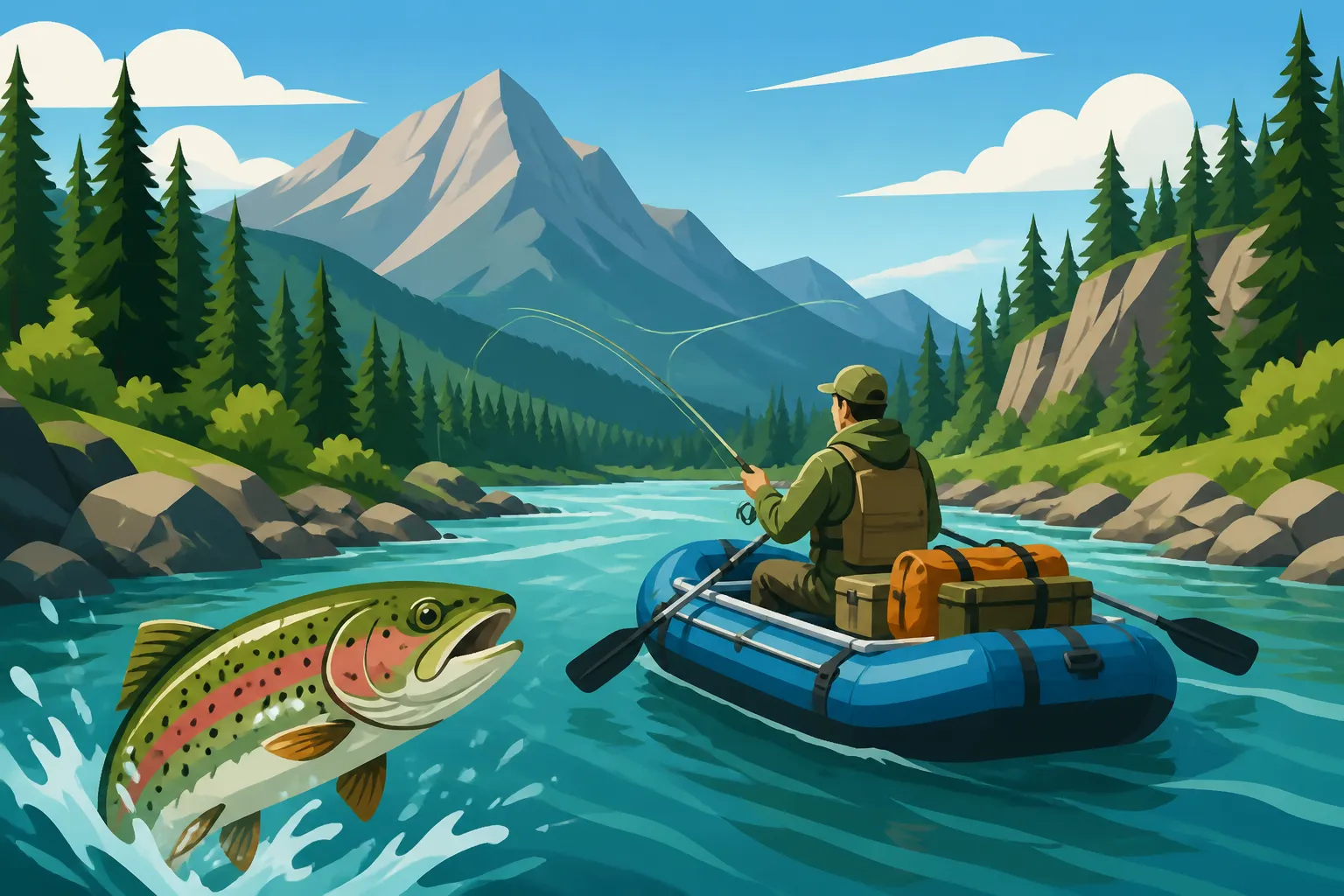
Packing for a multi-day float trip is a meticulous task. You're essentially bringing a mobile campsite and fishing arsenal down the river with you. Your primary vessel, whether it's a drift boat, raft, or even multiple canoes, needs to be river-worthy and capable of carrying all your gear, food, and people safely. Make sure you have appropriate Life Jacket Requirements for Alberta Boaters for everyone on board – it's not just a rule, it's a lifesaver. Beyond the boat, consider your camping setup. Lightweight, waterproof tents, quality sleeping bags suitable for Alberta's often chilly nights, and a portable cooking system are non-negotiable. Don't forget essentials like a first-aid kit, a repair kit for your boat, satellite communication devices (cell service can be spotty to non-existent on remote stretches), and plenty of fresh water or a reliable water filtration system.
Fishing gear is, of course, critical. For trout rivers, a good 5 or 6-weight fly rod is a versatile choice, but having a backup or a heavier rod for bigger fish or different techniques isn't a bad idea. If you're targeting species like northern pike or walleye, you’ll need heavier spinning or baitcasting setups. Pack a variety of lures, flies, and terminal tackle to adapt to changing conditions. Waders and wading boots are essential for getting out of the boat and working prime fishing spots, especially on trout streams. Remember to bring dry bags – lots of them! Everything you want to keep dry, from sleeping bags to extra clothes and electronics, should be securely stored in waterproof containers. A cooler packed with ice for food and drinks, and a separate cooler for fish you might keep, are also vital. For more advice on outfitting yourself, check out our guide to Best Fishing Rods for Alberta Rivers and Best Boats for Alberta Lakes and Rivers.
Logistically, figuring out shuttle services or having a dedicated vehicle at your take-out point is paramount. This often requires two vehicles, one left at the take-out and another to drop you off at the put-in. Alternatively, some outfitters provide shuttle services for a fee, which can be a huge convenience, especially for longer trips. Plan your meals carefully: dehydrated options are lightweight, but a mix of fresh and shelf-stable foods works well. Always pack more food and water than you think you’ll need, just in case delays occur.
Understanding Regulations and Permits
Navigating the rules and regulations for fishing and camping in Alberta is as important as knowing your casting technique. First and foremost, every angler 16 years of age or older needs an Alberta Fishing License Guide for 2026 and a Wildlife Identification Number (WIN) card. This isn't optional; it's the law. Licenses are typically annual, but non-residents may have options for shorter durations. Understanding the specific regulations for the river you're floating is also critical. Alberta’s rivers are divided into zones, and each zone, or even specific stretches within a river, can have unique rules regarding seasons, bag and possession limits, and tackle restrictions (e.g., single barbless hooks only, bait bans). You can delve into these specifics by reviewing the Alberta Fishing Regulations Explained.
Beyond fishing rules, you need to consider camping regulations. Many multi-day float trips involve camping on public land, often referred to as Crown land. While Crown land typically allows for random camping, there might be restrictions in certain areas, particularly within provincial parks or protected areas. Always check if you need a Public Lands Camping Pass, which is required for random camping along certain stretches of Alberta's Eastern Slopes. Some stretches of popular rivers might also have designated campsites that require booking, especially in high-traffic areas. Familiarize yourself with fire restrictions, especially during dry periods, as these can change rapidly and often prohibit open fires in the backcountry.
Finally, while not always required, letting someone know your float plan, including your put-in, take-out, and expected timeline, is a crucial safety measure. This "float plan" acts as a safety net in case of an emergency or unexpected delay. Being informed and compliant with all regulations ensures your trip is not only legal but also contributes to the conservation of Alberta’s precious aquatic ecosystems.
Top Rivers for Multi-Day Float Fishing Adventures
Alberta boasts an incredible array of rivers that cater to multi-day float trips, each with its unique character, challenges, and fishing opportunities. Choosing the right one depends heavily on your desired experience, the species you wish to target, and your group's skill level. Whether you're chasing trophy trout or abundant walleye, there's an Alberta river waiting to reveal its secrets.
The Mighty Bow River
When you talk about multi-day float fishing in Alberta, the Bow River near Calgary almost immediately comes to mind for any serious trout angler. Renowned globally as a blue-ribbon trout stream, its lower sections offer fantastic multi-day opportunities. Typically, anglers will put in below Calgary, perhaps around Policeman's Flats or Carseland, and float for several days, taking out as far as the Bow City or even farther downstream. The river here is wide, with a moderate current, making it manageable for drift boats and rafts. The true draw is the incredible population of wild rainbow and brown trout, many of which reach impressive sizes. The river is a complex system of riffles, runs, deep pools, and braided channels, providing endless opportunities for nymphing, dry fly fishing, and streamer fishing. A detailed Bow River Fishing Guide can give you even more insights into its renowned waters.
Camping along the Bow River often involves finding suitable gravel bars or accessing private campgrounds if you prefer more amenities. The beauty of a multi-day trip here is the immersion. You wake up to the sound of the river, fish through varied stretches, and then set up camp as the evening hatch begins, creating memories around a campfire under the vast Alberta sky. While the Bow is popular, its length and numerous access points allow for solitude, especially if you venture further downstream. Remember that the Bow has specific regulations, often requiring single barbless hooks and catch-and-release for certain species or sizes, so having a copy of the Alberta Fishing Regulations Explained handy is always a good idea. Many local guides on platforms like FishingBooker specialize in multi-day Bow River floats, providing everything from expert instruction to gourmet riverside meals.
North Saskatchewan River's Wild Embrace
For those seeking a more rugged, wilderness-style float trip with diverse fishing opportunities, the North Saskatchewan River offers an entirely different appeal. Flowing through central Alberta, this river is much larger and more untamed than the Bow in many sections. Multi-day trips on the North Saskatchewan can span significant distances, offering opportunities to target walleye, northern pike, goldeye, burbot, and even some sturgeon. Popular float sections might start west of Edmonton and continue for several days downstream, often requiring careful planning for logistics and access. These trips provide a true sense of exploration, as you drift through dense forest, open prairie, and past historical sites. To locate ideal starting points and sections, exploring our North Saskatchewan River Fishing Spots guide would be beneficial.
The river's character changes along its course, from swifter currents in the foothills to wider, slower sections as it meanders across the plains. This means varied fishing techniques are effective, from casting large spoons and crankbaits for pike to jigging for walleye in deeper holes. Camping is typically on expansive sandbars or gravel banks, offering a raw, unadulterated wilderness experience. Given the more remote nature of some stretches, vigilance regarding wildlife, especially bears, is critical. You'll want to review backcountry safety protocols meticulously.
Planning a North Saskatchewan River trip often involves a greater commitment to self-sufficiency and preparation for diverse weather conditions. It’s an adventure that appeals to those who enjoy the challenge and reward of a true backcountry excursion, where the journey itself is as significant as the fishing. The vastness of the river means you’re unlikely to see many other boats, giving you an unparalleled sense of solitude and immersion in nature.
The Serene Red Deer River
The Red Deer River, especially its upper and middle reaches, provides another excellent option for multi-day float trips, often striking a balance between the intense trout focus of the Bow and the vast wilderness of the North Saskatchewan. This river is known for its resident brown trout population, as well as rainbow trout and mountain whitefish in its headwaters. As it flows eastward, it also introduces species like walleye, pike, and goldeye, offering a truly mixed bag experience. A common multi-day float might start upstream of the city of Red Deer and continue for several days, allowing anglers to explore a variety of habitats. Our resource on Red Deer River Fishing Spots can help pinpoint promising areas for your trip.
The Red Deer River typically offers more forgiving currents than some mountain rivers, making it accessible for intermediate boaters. Its banks are often lined with cottonwoods and poplars, providing picturesque scenery and plenty of potential campsites on gravel bars. The fishing can be excellent, particularly for brown trout, which are known to grow to impressive sizes in certain sections. Techniques might include fly fishing with streamers and nymphs, or spin fishing with minnow imitations and jigs.
This river provides a wonderful opportunity for a family-friendly float trip or for those who want a blend of good fishing and beautiful, accessible scenery without the extreme demands of highly remote waters. Like all Alberta rivers, understanding the specific zone regulations for the Red Deer River is key, as limits and tackle rules can vary along its length. Engaging with a guide, perhaps through a service like FishingBooker, can offer local knowledge about the best stretches and optimal fishing strategies for your multi-day adventure on the Red Deer.
Here's a quick comparison of these fantastic rivers:
| River | Primary Fish Species | Typical Float Experience | Difficulty Level (Boating) |
|---|---|---|---|
| Bow River (lower) | Rainbow Trout, Brown Trout | Blue-ribbon trout fishing, moderate traffic | Moderate |
| North Saskatchewan | Walleye, Pike, Goldeye, Burbot | Wilderness exploration, diverse species, solitude | Moderate to Challenging |
| Red Deer River | Brown Trout, Walleye, Pike | Balanced fishing & scenery, varied species, accessible | Easy to Moderate |
Safety and Preparedness on the Water
Even the most beautiful multi-day float trips come with inherent risks. Being prepared and prioritizing safety isn't about being paranoid; it's about being responsible and ensuring everyone gets to enjoy the wilderness and return home safely. From understanding the river itself to preparing for wildlife encounters and knowing what to do in an emergency, proactive measures are your best defense.
Navigating River Hazards
Rivers, especially in Alberta’s dynamic landscape, are constantly changing. What was a clear path last year could be a log jam this year. It's crucial to be aware of potential hazards before and during your float. Rapids, submerged rocks, sweepers (trees hanging low over the water), and strainers (fallen trees where water flows through but boats can't) are common dangers. Before you even launch, research the specific section of river you're floating. Online maps, local fishing reports, and consultations with experienced anglers or outfitters can provide valuable, up-to-date information. If you're using a guide, they'll handle this for you. As you float, always keep an eye downstream. Designate a lookout, especially when approaching bends or faster sections.
Knowing how to read the water is a skill developed over time, but some basics are essential. Look for V-shapes pointing downstream, which usually indicate clear passage, while V-shapes pointing upstream often mean submerged obstacles. Pay attention to current changes and eddies, which can be great fishing spots but also present navigation challenges. Alberta Boating Laws for Anglers also cover general safety guidelines, but specific river navigation skills are paramount. Ensure your boat is properly equipped with oars or a motor in case of emergency, and everyone knows how to use them.
What if you encounter an impassable log jam or a dangerous rapid? The safest approach is often to scout ahead from shore if possible, or to portage around the obstacle. Never try to force your way through a dangerous section. It’s better to lose a bit of time and effort portaging than to risk your life or your equipment. Be prepared for cold water, even in summer. If someone falls overboard, hypothermia can set in quickly. Always have dry clothes, a first-aid kit, and a way to quickly warm up someone who has taken an unexpected dip.
Wildlife Encounters and Backcountry Best Practices
Floating through Alberta’s rivers means you’re entering prime wildlife habitat, especially in more remote areas. Encounters with bears (black and grizzly), cougars, moose, and other animals are a real possibility. The key is prevention and knowing how to react. When camping, store all food, garbage, and scented items (even toothpaste!) in bear-resistant containers or hung from a tree, well away from your sleeping area. Cook away from your tent and ensure all traces of food are cleaned up. Many guides you might find on FishingBooker who lead multi-day trips are experts in bear country protocols.
Carrying bear spray and knowing how to use it is essential. Keep it accessible, not buried in your pack. Make noise while hiking to and from camp or while exploring shorelines to avoid surprising animals. If you encounter a bear, remain calm, speak in a low voice, and slowly back away, making yourself look as large as possible. Never run. Understand the difference between black bears and grizzlies, as reactions should vary slightly. Always respect wildlife and never approach or feed animals.
Beyond wildlife, practicing "Leave No Trace" principles is fundamental to preserving the pristine beauty of Alberta’s rivers for future generations. Pack out everything you pack in, including all garbage. Use designated fire rings if available, or build small, contained fires when permitted, ensuring they are completely extinguished before you leave. Bury human waste at least 200 feet from water sources and trails. By following these best practices, you minimize your impact and maintain the wild character of these incredible float trip destinations.
Emergency Protocols and Communication
When you’re several days into a float trip, far from civilization, an emergency can quickly become a serious situation. Having clear emergency protocols and reliable communication methods is non-negotiable. As mentioned earlier, cell service is unreliable, so invest in or rent a satellite communication device like a SPOT device or an InReach. These devices allow you to send SOS messages to emergency services and often have two-way messaging capabilities to update your contact person. Ensure someone not on the trip knows your exact itinerary, including put-in, take-out, and expected return date, and when to initiate a search if they don't hear from you.
Your first-aid kit should be comprehensive, tailored for multiple days in the backcountry, and at least one person in your group should be trained in wilderness first aid. This includes supplies for severe cuts, sprains, allergic reactions, and common ailments like blisters or stomach upset. Knowing how to splint a broken bone or treat hypothermia could be critical. Regularly check the weather forecast before and during your trip, if possible, as sudden changes in Alberta can bring anything from torrential rain to snow, even in summer. Be prepared to hunker down or adapt your plans if severe weather hits.
Lastly, discuss potential scenarios with your group before you leave. What’s the plan if someone gets injured? What if you lose a boat or capsize? Who is responsible for what in an emergency? Having these conversations beforehand, even if they seem grim, ensures everyone is on the same page and can react effectively under pressure. Being prepared for the worst allows you to enjoy the best of your multi-day Alberta river adventure with greater peace of mind.
Making the Most of Your River Experience
A multi-day float trip isn’t just about the fishing; it’s about the holistic experience of being immersed in nature, disconnecting from daily life, and creating lasting memories. To truly maximize your adventure on Alberta's rivers, a few thoughtful practices and strategies can make all the difference.
Camp Setup and Leave No Trace Principles
Setting up camp efficiently and responsibly is a cornerstone of any successful multi-day float trip. When you scout for a campsite, look for established gravel bars or clearings that are well above the high-water mark, especially if there's a chance of rain. Avoid fragile vegetation and always aim for areas that show signs of previous use to minimize new impact. Once you’ve picked your spot, think about your layout: sleeping tents upwind from the kitchen area, food storage away from everything else, and a designated spot for your fire if permitted.
Remember the "Leave No Trace" principles we discussed earlier. This means everything you bring in, you pack out. This isn't just about garbage; it's about minimizing your footprint. When you leave your campsite, it should look as though you were never there. Scatter any leftover ashes, naturalize any disturbed areas, and ensure no food scraps or litter remain. This respect for the environment is crucial for maintaining the wild beauty that draws us to these rivers. For those looking to enjoy some solitude while preserving these areas, understanding principles like those for Alberta Crown land camping and fishing access permit rules can be invaluable.
A comfortable and well-organized camp setup contributes significantly to overall enjoyment. Think about having a designated spot for wet gear to dry, a comfortable chair for evening relaxation, and good lighting for cooking and socializing after dark. A multi-day trip allows you to truly settle in, creating a temporary home away from home, and cherishing the simple moments of riverside living.
Fishing Strategies for Different River Sections
One of the great advantages of a multi-day float is the ability to thoroughly explore different types of water and adapt your fishing strategies as you move downstream. You'll encounter a variety of river features, and each one often holds fish, but requires a slightly different approach. Riffles and shallow runs, for example, are often prime feeding lies for trout, especially during insect hatches. Here, precise dry fly presentations or nymphing techniques can be incredibly effective. For those passionate about this method, our guide on Fly Fishing for Trout on the Bow River offers excellent specific techniques.
As the river deepens into slower pools or cuts along banks, you might find larger, more sedentary fish. These spots are ideal for throwing streamers for aggressive brown trout or drifting jigs and bait for walleye. Our articles on How to Catch Walleye in Alberta and How to Catch Northern Pike in Alberta provide detailed insights into targeting these species in various conditions. Pay attention to structure – submerged logs, undercut banks, and large rocks – as these provide cover and ambush points for fish. The key is to switch up your techniques and presentations based on the water you're fishing. Don't be afraid to experiment with different flies, lures, and depths until you find what the fish are responding to.
A multi-day trip also allows for strategic stops. Instead of rushing past a promising section, you can pull over, get out of the boat, and wade fish it thoroughly. This deeper engagement with the river’s ecosystem often leads to more successful fishing and a richer overall experience. Observing insect activity, water clarity, and fish behavior throughout the day will give you clues and help you refine your approach, making each fishing session more productive and enjoyable.
Capturing Memories and Reflecting on the Journey
While catching fish is often a primary goal, the true essence of a multi-day float trip often lies in the moments between the bites. It’s the breathtaking sunrises over the river, the calls of eagles soaring overhead, the camaraderie around the campfire, and the profound sense of disconnection from the everyday grind. Take the time to soak it all in. Consider bringing a waterproof camera or a phone in a dry case to capture these memories, but also make a conscious effort to put the technology away and simply be present.
Journaling can be a fantastic way to reflect on your journey. Note down the fish you caught, the flies or lures that worked, funny anecdotes from your companions, or simply your thoughts and feelings as you drift through the wilderness. These reflections become cherished souvenirs, far more valuable than any material possession. The tranquility of being out on the river, away from notifications and deadlines, is a rare gift in our busy world. This is a chance to reconnect with nature, with your companions, and with yourself.
Upon your return, you'll carry more than just stories; you'll have a renewed appreciation for Alberta's natural beauty and the skills you've honed. Each multi-day float trip is a unique tapestry of challenges, triumphs, and quiet moments that stay with you long after the last cast. So go ahead, embrace the planning, prepare thoroughly, and let Alberta’s magnificent rivers guide you on an unforgettable journey.
Disclaimer
Please note that fishing regulations, license requirements, and access rules in Alberta can change. It is always the angler's responsibility to consult the most current Alberta Guide to Sportfishing Regulations, available from Alberta Environment and Protected Areas, before heading out on any fishing trip. Adherence to all local, provincial, and federal laws is mandatory. This guide is for informational purposes only and does not constitute legal advice.