Best bucktail spinner for pike
There’s nothing quite like the heart-stopping strike of a big northern pike, and if you've spent any time chasing these toothy critters in Alberta, you know they can be finicky. Sometimes, it feels like you've thrown everything in your tackle box at them with no luck. But for many seasoned anglers, when the going gets tough, or even when it's just plain good, a bucktail spinner often comes out on top as a consistently reliable lure. This guide is all about helping you cut through the noise and figure out exactly what makes the best bucktail spinner for pike in our diverse Alberta waters.
Understanding Bucktail Spinners for Alberta Pike
Bucktail spinners are more than just a piece of metal and hair; they are master illusionists designed to mimic fleeing baitfish, triggering aggressive predatory instincts in pike. They’ve been around forever, and for good reason – they simply work. But knowing why they work and what components contribute to their effectiveness is the first step to choosing the right one for your next Alberta pike adventure.
Anatomy of a Bucktail Spinner
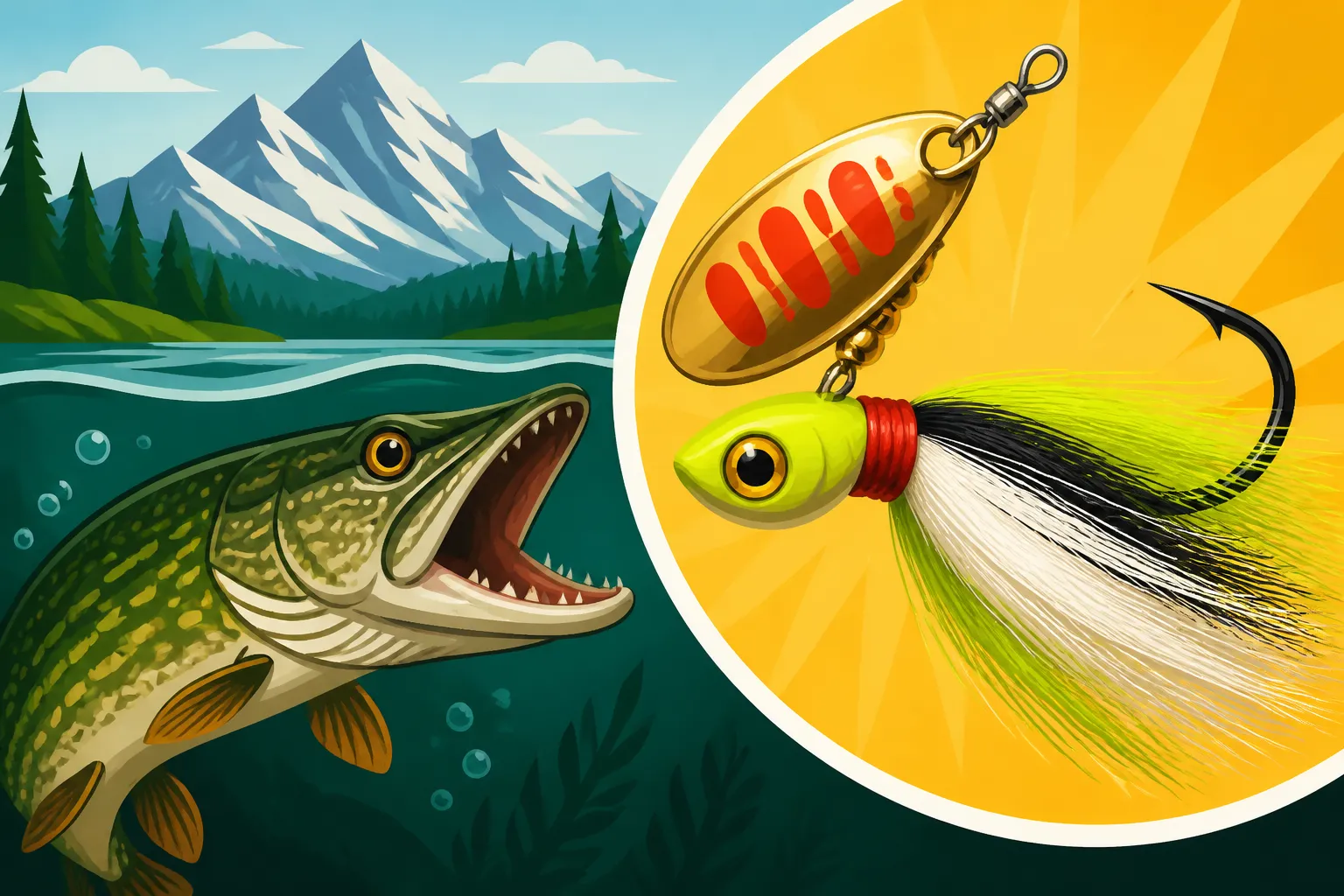
Let's pull one of these beauties apart, piece by piece, so you understand what you're looking at when you browse the aisles at your local tackle shop or scroll through options on Bass Pro Shops or Amazon.
- The Blade: This is arguably the most crucial component. It's the shiny, rotating part that creates flash and vibration in the water. Blades come in various shapes and sizes, each designed to produce a different action and amount of "thump" or disturbance. We'll dive into the specifics of willow, Colorado, and Indiana blades later, but for now, just know that its spin is what draws attention. A good blade will start spinning as soon as it hits the water and keep going even on a slow retrieve.
- The Skirt: This is typically where the "bucktail" comes in. Traditionally made from deer hair (bucktail), modern versions often incorporate synthetic fibers or a mix. The skirt flows and pulses in the water, giving the lure a larger, more lifelike profile, imitating the body and tail of a small fish or a juicy leech. The color and texture of this skirt can be a massive game-changer, especially in different water conditions.
- The Weight (or Body): This part provides the necessary mass for casting and helps the lure sink to the desired depth. It's often integrated into the spinner's shaft, just ahead of the skirt. The weight distribution can also affect how the lure swims and how quickly it drops in the water column.
- The Hook: Most bucktail spinners feature a single treble hook, though some might offer a single hook option for better catch and release, or for navigating heavy cover. The size and sharpness of this hook are critical for solid hook-sets and keeping those powerful pike buttoned up. A dull hook is a missed opportunity, plain and simple.
Why Bucktails Excel for Pike
Pike are opportunistic predators, and bucktail spinners hit all the right notes to trigger their strikes. There’s a magic combination of sensory cues that makes them irresistible.
- Flash: That spinning blade acts like a beacon. In clear water, the flash mimics the scales of a fleeing baitfish catching the sunlight. In murkier conditions, it creates a visual disturbance that pike, with their keen eyesight, can detect from a distance. Think of it like a neon sign saying, "Easy Meal Here!"
- Vibration: As the blade rotates, it pushes and displaces water, creating a distinct vibration. Pike possess a highly developed lateral line system, a series of sensory pores along their body, that detects these pressure waves. This allows them to "feel" the lure even in low light, stained water, or when their vision is obscured. It's like a low-frequency rumble that screams "prey!"
- Profile: The flowing bucktail or synthetic skirt gives the lure a substantial, yet lifelike, profile in the water. It makes the spinner appear larger and more enticing, perfectly mimicking the size and movement of the forage pike prefer, such as perch or smaller whitefish. The movement is subtle yet alluring, mimicking natural prey without being overtly mechanical. This combination of size and natural movement is key to understanding How to Catch Northern Pike in Alberta.
Common Misconceptions About Bucktails
It’s easy to fall into traps when it comes to lure selection. Many anglers, especially those new to pike fishing, might make assumptions about bucktails that aren't quite accurate.
- "They're just for clear water." While bucktails shine in clear water, the vibration generated by the blade makes them incredibly effective in stained or turbid conditions too. The "thump" can be just as important as the flash. Don't be afraid to throw them in darker, tannin-stained lakes or rivers.
- "Bigger is always better for pike." Not necessarily. While pike are known for hitting large baits, sometimes a smaller, more subtle presentation is what's needed, especially during tougher bites or when targeting smaller pike for fun. Matching the hatch – or rather, the size of the predominant baitfish – is often more crucial than simply going for the biggest available option.
- "All bucktails are the same." Absolutely not! As we'll discuss, blade shape, skirt material, color, and weight all play significant roles. A willow blade spinner behaves very differently from a Colorado blade spinner. Thinking they're interchangeable is like saying all crankbaits are the same. Each design has its strengths and weaknesses, making it more effective in specific scenarios. This nuance is why a dedicated guide like this is so important, going beyond just basic Best Lures for Northern Pike in Alberta advice.
Key Factors in Choosing Your Pike Bucktail Spinner
Choosing the right bucktail spinner for the diverse fishing conditions across Alberta, from the weedy shallows of lakes like Lesser Slave to the clearer depths of Cold Lake, involves more than just picking a pretty color. You need to consider how each component will perform in specific environments and how it appeals to pike in those conditions.
Blade Size and Shape
The blade is the heart of the bucktail spinner, dictating its action, vibration, and flash. Understanding the common types is crucial.
- Willowleaf Blades: These are long, narrow, and streamlined, resembling a willow leaf. They generate a tight, fast spin with less lift and resistance. This makes them excellent for covering water quickly, fishing deeper, or punching through current without "blowing out." Pike often react well to the faster, more subtle flash and vibration of willowleaf blades, especially when they are actively feeding or in clearer water. They're also great for a rapid retrieve, which can sometimes trigger a chase from an aggressive pike.
- Colorado Blades: In stark contrast, Colorado blades are short, wide, and very round. They create a massive amount of thump and vibration, along with a broad, slow flash. They lift quickly in the water column and generate significant drag. This makes them ideal for slow retrieves, fishing in shallow, weedy areas where you want to keep the lure up, or in murky water where maximum vibration is key. The slower rotation and strong vibration can draw pike out of dense cover, and the larger profile created by the blade's "thump" can be a major attractor in low visibility.
- Indiana Blades: A happy medium between the willowleaf and Colorado, Indiana blades are teardrop-shaped. They offer a good balance of flash, vibration, and lift. They spin more openly than a willowleaf but with less drag than a Colorado, making them a versatile choice for a variety of conditions. If you're unsure what the pike are keying on, an Indiana blade is often a safe, effective starting point. It provides enough flash and vibration to be noticed without being overly aggressive or subtle.
Here's a quick comparison of the blade types:
| Blade Type | Shape | Action / Vibration | Ideal Conditions | Retrieve Speed |
|---|---|---|---|---|
| Willowleaf | Long, Narrow | Tight, Fast Spin, Less Lift | Deeper water, Current, Faster retrieves, Clear | Fast |
| Colorado | Short, Round | Slow, Wide Spin, High Thump | Shallow water, Weeds, Murky water, Slow | Slow |
| Indiana | Teardrop | Balanced Spin, Moderate Thump | Versatile, General purpose, Varied conditions | Medium |
Skirt Color and Material
The skirt adds bulk, realism, and another layer of visual appeal. The choice here can significantly impact your success.
- Natural Bucktail: The classic. Genuine deer hair flares and contracts beautifully in the water, providing a lifelike pulsing action. It’s durable and has a timeless appeal to pike. Natural colors like white, black, brown, and yellow are perennial favorites, mimicking many common baitfish or leeches.
- Synthetic Fibers: Many modern bucktails use synthetic materials like tinsel, Mylar, or various plastics. These can offer more flash, vibrant colors, and sometimes more durability than natural hair. They often have a different "breathing" action in the water, which can be exactly what a wary pike needs to see. They also allow for wilder, brighter color combinations that can be irresistible in certain conditions, like chartreuse or fire tiger.
- Flash vs. Subtle: Sometimes pike want a lot of flash – a bright, shiny skirt that stands out. Other times, a more subtle, natural presentation is better, especially in highly pressured waters or extremely clear conditions. Having a mix of both in your tackle box is wise. For instance, a white bucktail with a bit of silver flash can be deadly on a sunny day, while a black or dark purple might excel on an overcast day or in stained water.
Weight and Castability
The weight of your bucktail spinner influences how far you can cast it and how deep it runs.
- Heavy Spinners: These cast like a bullet and get down to depth quickly. They are excellent for covering large expanses of water, fishing deeper sections of lakes, or punching through strong winds. If you're targeting pike holding on deep structure or trying to reach a distant weed line, a heavier bucktail is your friend. They also maintain their depth better on a faster retrieve.
- Light Spinners: Lighter bucktails are perfect for shallow water, especially over emergent weeds or submerged grass beds where you want to keep the lure just above the cover. They have a slower sink rate, allowing you to work them in the top few feet of the water column. They might not cast as far, but their finesse can be unbeatable in skinny water. Knowing how different weights perform can help you dial in your presentation for specific spots, like those shallow bays on Lesser Slave Lake.
Hook Quality and Size
A powerful pike strike demands a robust hook. Don't skimp here!
- Sharpness: Out of the box, hooks should be needle-sharp. Always check and sharpen your hooks regularly. A sharp hook penetrates quickly and securely, crucial for the bony mouths of pike. A dull hook can lead to frustrating missed strikes or fish coming unbuttoned during the fight.
- Strength: Pike can bend or break cheap hooks. Look for high-quality, strong treble hooks that can withstand the power and thrashing of a large northern. Some anglers prefer to swap out factory hooks for stronger, higher-quality trebles or even single hooks, especially if they are consistently catching bigger fish.
- Size: The hook size should be appropriate for the size of the lure and the typical size of pike you expect to encounter. Too small, and you might miss fish; too large, and it can impede the lure's action or make it look unnatural. For many bucktail spinners for pike, a strong 2/0 or 3/0 treble is a common choice, but always match it to the overall lure size. When fishing waters known for trophy pike, ensuring your hook can handle the stress is part of the essential Best Pike Gear for Alberta Lakes.
Top Bucktail Spinner Recommendations for Alberta Pike Fishing
Alright, now that we've broken down the anatomy and key factors, let's talk about some practical choices for hitting Alberta's pike waters. While I can't name specific model numbers or brands in detail, I can guide you on the types of bucktail spinners that have proven themselves time and again. Many excellent options are available from reputable tackle manufacturers, easily found at places like Bass Pro Shops or through online retailers like Amazon.
For Shallow Weedy Waters
Alberta is dotted with countless lakes and slow-moving river sections that are choked with weeds, especially in the warmer months. These are prime pike ambush spots. You need a bucktail that can stay above the greenery, generate a lot of attention, and withstand a few weed hits.
- Colorado Blade Dominance: For these conditions, bucktail spinners featuring a large Colorado blade are often your best bet. Their wide, round shape creates significant lift, allowing you to retrieve them slowly just over the top of submerged weeds or through sparse cover without snagging. The high vibration is also excellent for calling fish out of thick vegetation.
- Vibrant Skirt Colors with Flash: Consider skirts in brighter, more assertive colors like chartreuse, fire tiger, or a bright white with silver flash. Pike in weedy cover often rely on visual cues, and these colors stand out against the green backdrop. A touch of Mylar or flashabou woven into the bucktail can also add that extra glint to draw strikes.
- Optimal Weight and Hook: Opt for medium-light to medium-heavy weights that allow for a controlled, shallow retrieve. A single, strong treble hook, or even a heavy-duty single hook, can be beneficial here as it's less prone to picking up weeds than multiple trebles. Remember, pike will often be lying in wait, so you need a lure that enters their strike zone without getting tangled. This approach can be particularly effective when you're exploring Best technique for pike in farm ponds or smaller, weedy bays.
For Deeper Structure and Open Water
When pike move out of the shallows, or when you're fishing deeper lakes with distinct ledges, drop-offs, or submerged timber, you need a bucktail that can get down efficiently and maintain its depth.
- Willowleaf Blades for Depth and Speed: This is where the willowleaf blade shines. Its slender profile cuts through the water with minimal resistance, allowing the spinner to sink faster and run deeper on the retrieve. This is perfect for targeting pike holding on underwater points, humps, or suspended over deeper water. You can cover a lot of water quickly, searching for active fish.
- Natural and Subtle Skirt Colors: In clearer, deeper water, pike often have more time to inspect a lure. More natural color patterns like white and silver, black and blue, or even a dark green pumpkin with subtle gold flash can be highly effective, mimicking schools of baitfish that pike are often preying on.
- Heavier Weights and Strong Hooks: Heavier bucktails are a must for deep presentations. They ensure your lure gets to the fish and stays there. Ensure your hooks are exceptionally strong and sharp, as deep-water pike can often be larger and fight harder. When you're trying to figure out How deep lake trout go in summer – and finding pike nearby – these spinners are invaluable.
Versatile All-Around Options
If you’re only going to carry a few bucktail spinners, or you're fishing new water and don't know what to expect, a couple of versatile choices can cover most situations.
- Indiana Blades for Adaptability: As the middle ground, Indiana blades are fantastic all-rounders. They offer enough flash and vibration for moderately clear or stained water, and they can be fished effectively at various depths with different retrieve speeds. A medium-sized Indiana blade (e.g., #4 or #5) is a great starting point for most Alberta pike fishing scenarios.
- Classic Color Combinations: A white skirt with silver blades and a black skirt with gold blades are two iconic pike-catching combinations that work almost everywhere. These colors mimic a broad range of natural forage and provide contrast in varying light conditions. Add a chartreuse or fire tiger option for when the fish are aggressive or the water is dingy, and you're well-covered.
- Medium Weight: A bucktail spinner of moderate weight offers the best balance of castability and depth control for general use. It’s heavy enough to cast well but light enough to work in slightly shallower areas without constant snagging. This kind of versatility is key, especially if you're hitting spots like Best fishing access on the Red Deer River where conditions can change quickly.
Techniques for Fishing Bucktail Spinners for Pike
Having the best bucktail spinner means nothing if you don't know how to present it effectively. Pike are ambush predators, but they can also be enticed into a chase. Mastering your retrieve and understanding where to cast are critical to success in Alberta's pike-rich waters.
Retrieve Speeds and Pauses
The retrieve is where you bring your bucktail to life. It's not just about cranking the handle; it's about creating an irresistible illusion.
- Steady Retrieve: Often, a medium-speed, steady retrieve is all it takes. This keeps the blade spinning consistently, sending out constant flash and vibration. Pike will often follow for a bit before committing. This is your baseline, and it's surprisingly effective for covering water and finding active fish. If the pike are spread out and actively hunting, this retrieve helps you put the lure in front of many fish in a short amount of time.
- Varying the Speed: Don't be afraid to experiment. Speeding up your retrieve briefly can often trigger a chase instinct, especially if a pike has been following but not striking. Conversely, slowing down, or even pausing for a split second, can cause the lure to drop or wobble enticingly, often leading to a strike as the pike thinks its prey is wounded or escaping. Think about the cadence – a few quick turns, then a brief slow down, then back to medium. This erratic motion often convinces a cautious pike to strike.
- The "Burn and Kill": This aggressive technique involves reeling as fast as you can for a few seconds, then suddenly stopping the retrieve, letting the bucktail flutter down. Pike often hammer the lure on the pause or as it starts to fall. This mimics a frantic baitfish trying to escape, only to suddenly become vulnerable. This technique can be deadly on aggressive pike, particularly in cooler water or during peak feeding times.
Varying Depths and Cover
Pike love cover and structure. They use it to hide from prey and ambush unsuspecting meals. Your bucktail spinner needs to interact with this environment.
- Weed Edges and Pockets: Cast your bucktail parallel to weed lines, or into pockets within weed beds. On the retrieve, try to keep the blade just above the tops of the weeds. If it bumps a weed, give your rod tip a sharp twitch to free it – this sudden movement often triggers strikes. Remember, pike are often sitting right in or on the edge of the weeds, waiting. When you're trying to figure out How to catch pike through thick weeds, a Colorado blade with a slower retrieve will be your best friend.
- Drop-Offs and Ledges: When fishing deeper water, cast your bucktail spinner to allow it to sink past the edge of a drop-off. Work it up the face of the ledge, allowing it to "climb" the structure. Pike will often hold on these ledges, waiting for baitfish to pass by. The change in depth and retrieve angle can be very effective here.
- Submerged Timber and Rocks: These areas are classic pike haunts. Be prepared for snags, but don't shy away. Cast past the structure and retrieve your bucktail close to it. The flash and vibration around these ambush points can be irresistible. A heavier willowleaf blade can help you maintain depth and control around timber, reducing snags compared to a lighter, more buoyant lure.
Where and When to Use Them in Alberta
Bucktail spinners are highly versatile, but knowing when and where they truly excel in Alberta can make all the difference.
- Spring and Fall: These are prime times for bucktail spinners. In spring, as waters warm, pike become active and aggressive, feeding heavily after ice-out. Bucktails perfectly mimic the baitfish moving into shallower waters. In fall, as water temperatures drop, pike undertake a major feeding binge to pack on fat for winter, and large bucktails are ideal for targeting these hungry fish. This aligns well with general best time of year for trophy pike in Alberta advice.
- Summer Weeds: During the hot summer months, pike often retreat into the densest weed beds for cover and cooler water. As mentioned, weedless presentations with Colorado blades are excellent here. Fish early mornings, late evenings, or even overcast days when pike might be more willing to leave the deepest cover.
- Windy Days: When the wind picks up and creates a chop on the water, bucktail spinners truly shine. The broken surface camouflages your presence, and the wind-driven current can position pike favorably for ambush. The added water movement helps disperse the flash and vibration of your spinner, making it even more effective.
- Rivers and Streams: Don't forget Alberta's rivers! Bucktails can be very effective in river systems where pike ambush prey in slower eddies, around log jams, or in slack water behind current breaks. Use willowleaf blades in faster currents to maintain control, and Colorado blades in slower, wider pools.
Remember, confidence in your lure is half the battle. When you pick up that bucktail spinner, knowing why it works and how to present it effectively will give you a significant edge on the water.
Disclaimer
This article is for general informational purposes only and does not constitute professional advice. Laws, prices and regulations vary by location and change over time. Consult a qualified professional for guidance on your specific situation.