Best jerkbait color for early spring pike
That early spring chill still bites, but the ice is off, and you're itching to chase those hungry northern pike. While the urge to cast is strong, choosing the right lure, especially the perfect jerkbait color when the water is still cold and often murky, can feel like a guessing game. This guide is all about cutting through that guesswork, helping you understand the factors at play and pick the exact jerkbait shades to entice those Alberta pike right after ice-out.
Understanding Early Spring Pike Behavior and Water Conditions
Early spring in Alberta is a transitional period, and northern pike are perfectly in tune with it. After a long winter under the ice, they're often quite active, moving into shallower areas to feed heavily and prepare for spawning. However, the water itself presents unique challenges that directly influence your lure choice.
Pike Post-Ice Out Movements and Metabolism
When the ice first leaves Alberta's lakes and rivers, the water is still incredibly cold, often just a few degrees above freezing. This cold water significantly impacts a pike's metabolism. While they are cold-blooded predators and generally tolerant of low temperatures, their overall activity level is still slower than in warmer months. They'll be on the prowl, but their strikes might be more deliberate, and they might not chase a fast-moving bait for long distances.
Pike will gravitate towards shallower bays, channels, and northern shorelines that warm up fastest due to direct sunlight. These areas also tend to hold early spring baitfish, which are often slower-moving themselves. You'll find them holding near structure like old weed beds, submerged logs, or rock piles that offer ambush points. Understanding these movements is critical, but knowing what color bait they're most likely to see and react to in these cold, often murky conditions is equally important. It's not just about finding the fish; it's about making your offering irresistible. If you're looking for general strategies, our guide on Best Techniques for Early Spring Pike can offer some excellent insights.
Water Clarity and Light Penetration Challenges
Early spring in Alberta often brings a mix of water conditions. Many lakes and rivers will have increased runoff from melting snow and spring rains, leading to reduced water clarity. This can range from slightly stained to downright muddy, depending on the system. Low water clarity significantly impacts how light penetrates the water and, consequently, how fish perceive color. In clear, sunny conditions, natural baitfish patterns might excel, but in stained or dark water, brighter, more contrasting colors often stand out.
The angle of the sun is also a factor. Early spring sun, even on a bright day, isn't as intense as summer sun. Overcast days, common in spring, further reduce light penetration. This means your lure needs to be visible under challenging light conditions. A pike's vision, while excellent, still relies on light reflecting off your bait. If the light isn't there, or the water is too cloudy, subtle colors might simply disappear into the background. This is where strategic color choice becomes less about mimicking a specific baitfish and more about creating a visual anomaly that triggers a strike.
The Science of Jerkbait Colors: What Works and Why
Choosing a jerkbait color isn't just a shot in the dark; there's a fascinating bit of science behind how fish see and what colors are most visible under different water conditions. Understanding this can elevate your angling success considerably.
How Fish See Color and Light
Fish vision is complex, and many species, including northern pike, possess the ability to see a spectrum of colors, albeit sometimes differently than humans. Their eyes are adapted to their aquatic environment, which means they're very good at detecting movement, contrast, and subtle changes in light. In clear, shallow water with good light penetration, fish can discern a wide range of colors. However, as depth increases or water clarity decreases, certain colors become less visible.
Red, for example, is the first color to be absorbed by water, meaning it quickly fades to gray or black at even moderate depths. Orange follows, then yellow, green, and finally blue. This is why bright reds or oranges might be fantastic in very shallow, clear water, but less effective in deep or murky conditions where they quickly lose their vibrant hue. On the other hand, colors like chartreuse, white, and black provide excellent contrast, remaining visible even when their true "color" might be diminished. This understanding is foundational to selecting the best jerkbait color. For a broader look at bait selection, you might find our article on Best Lures for Northern Pike in Alberta helpful.
Matching the Hatch vs. Triggering a Reaction
Anglers often talk about "matching the hatch," meaning using lures that closely mimic the natural forage in the water. In some scenarios, especially in very clear water, this can be incredibly effective. A jerkbait in a natural perch or minnow pattern can be deadly if those are the primary food sources. However, in early spring, especially with stained water or slower-moving fish, sometimes triggering a reaction strike is more effective than a perfect imitation.
This is where brighter, more contrasting, or even unnatural colors come into play. These colors might not perfectly mimic any natural baitfish, but their sheer visibility and flash can irritate or excite a sluggish pike, prompting it to strike out of aggression or curiosity. It's about grabbing attention when subtlety might be overlooked. Think of it as a "here I am!" signal in a murky world, rather than a disguised meal. Sometimes, a shocking chartreuse or a bold firetiger pattern is just what's needed to cut through the murk and get noticed.
Top Jerkbait Colors for Alberta's Early Spring Pike
Now that we've covered the "why," let's dive into the "what." Certain jerkbait colors consistently prove their worth in Alberta's early spring conditions. These aren't just random choices; they're selected for their visibility, contrast, and ability to trigger strikes in cold, often stained water.
Chartreuse and Firetiger: The Brightness Factor
When the water is stained or murky, and light penetration is low, you need a color that screams "Look at me!" Chartreuse and firetiger patterns are absolute kings in these conditions.
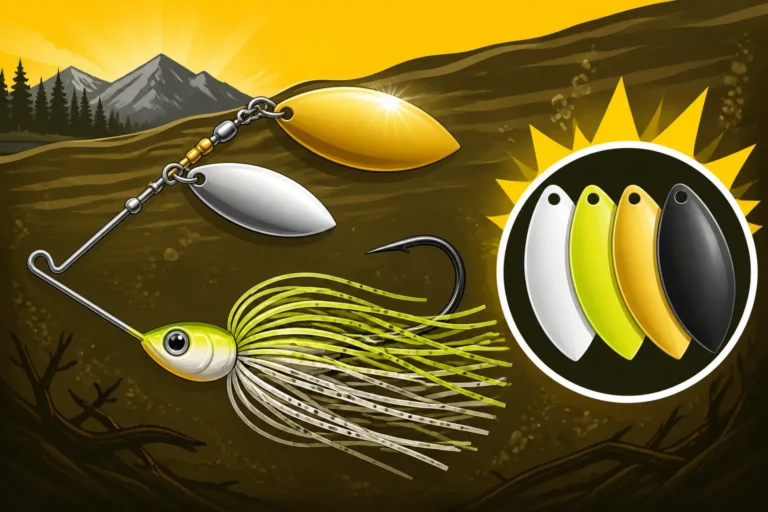
- Chartreuse: This fluorescent yellow-green color is incredibly visible in low light and cloudy water. It emits a vibrant glow that stands out significantly against dark backgrounds. Pike's lateral lines are highly sensitive to vibration, but their eyes are drawn to strong visual cues. A chartreuse jerkbait, especially one with some flash or reflective qualities, creates a powerful target. It's not about mimicking a natural baitfish, but about being utterly undeniable. Many anglers swear by a solid chartreuse or a chartreuse back with a white belly.
- Firetiger: This classic pattern combines bright yellow, orange, green, and black stripes. It's a fantastic contrast color, with the black stripes providing definition against the bright body, making it visible even in surprisingly low clarity. The combination of highly visible hues mimics what a pike might perceive as a distressed or aggressive baitfish, triggering an innate predatory response. It's a go-to for many seasoned anglers targeting pike in Alberta's diverse waters, from the shallow bays of Lesser Slave Lake to the river systems. You can usually find a great selection of these patterns at a Bass Pro Shops location, or browse a wide variety of brands on Amazon.
White and Silver: Mimicking Dying Baitfish
While brightness is key, sometimes a more subtle yet highly visible approach is needed, especially on brighter days or in slightly clearer water. White and silver jerkbaits fit this bill perfectly.
- White: A plain white jerkbait, often with a slight pearl or shimmer, offers incredible contrast against any background, especially darker water. It effectively mimics dying baitfish, which often lose their color or appear pale. The clean, stark white reflects available light well, making it visible without being overtly flashy. In Alberta, where many pike prey on whitefish or ciscos, a white jerkbait can be a perfect "match the hatch" without being too specific. It also presents a larger silhouette than a translucent bait.
- Silver/Chrome: Silver or chrome jerkbaits excel in conditions where there's still some light penetration, allowing their reflective properties to shine. The flash of silver mimics the scales of baitfish darting through the water. If you're fishing a slightly clearer lake or river, even if the water is cold, a silver jerkbait with a blue or black back can be incredibly effective. The intermittent flash as the jerkbait darts and pauses can be exactly what a pike needs to commit to a strike. This color choice is particularly effective when targeting pike in larger bodies of water like Cold Lake where baitfish are abundant.
Darker Back, Light Belly: Contrasting Profiles
Often, the most effective jerkbaits incorporate both visibility and a natural profile. Lures with a darker back and a lighter belly achieve this by providing contrast from different viewing angles.
- Black Back/Silver or White Belly: This classic combination is a phenomenal all-rounder. The dark back creates a distinct silhouette against the lighter sky for pike looking up, while the lighter belly is visible from below. This high contrast helps the lure stand out in various light conditions and water clarities. It’s a very natural look that mimics many baitfish species.
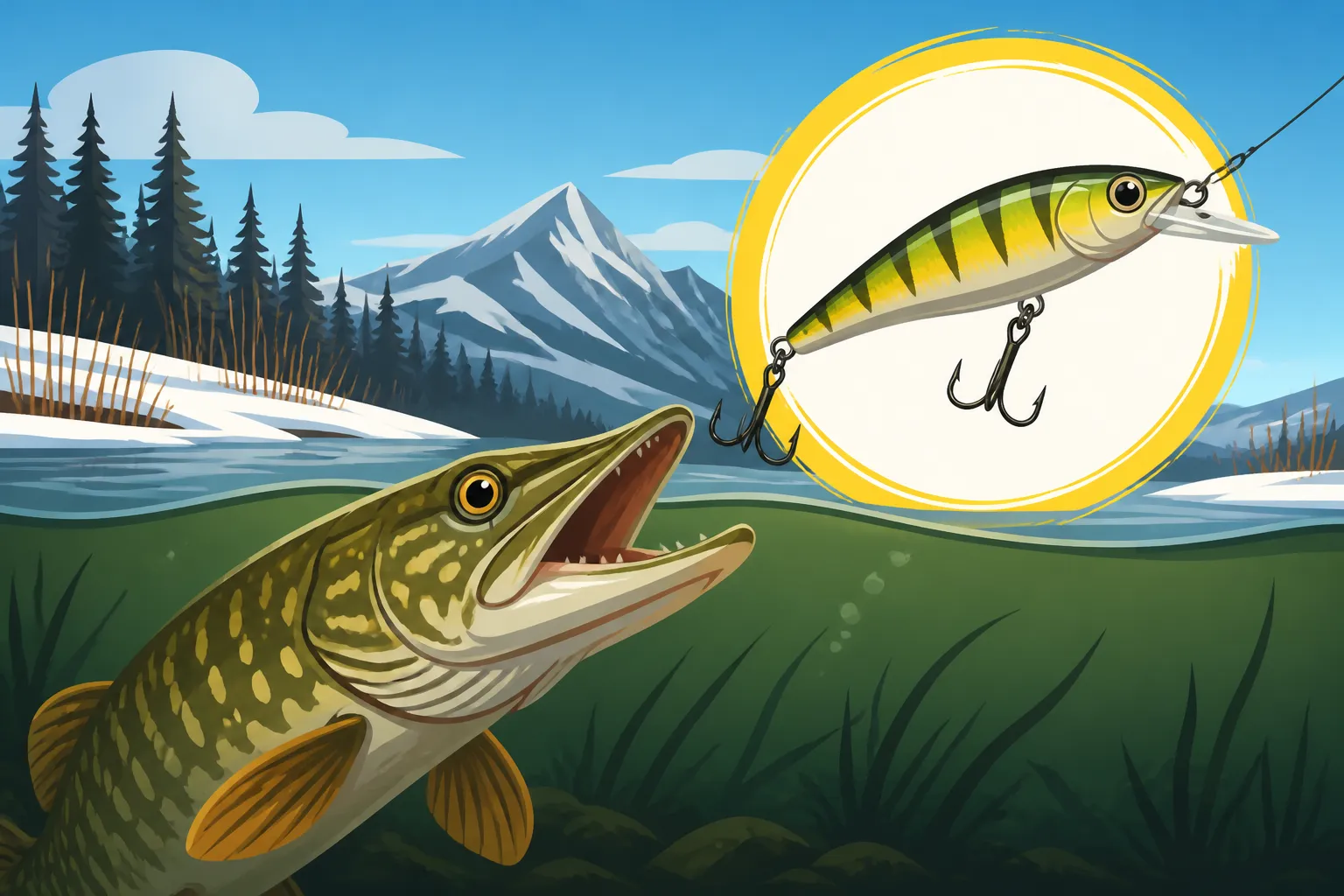
- Perch Patterns: While specific, a well-defined perch pattern, typically featuring a darker green or brown back, striped sides, and an orange or yellow belly, can be a killer. Perch are a primary food source for pike in many Alberta lakes. The strong contrast in the perch pattern makes it visible, and the familiar profile often triggers a strike from even wary pike. This pattern also leverages both the "matching the hatch" and "reaction strike" principles, making it a powerful choice when you know perch are in the area.
Table: Jerkbait Color Selection Guide for Early Spring Pike
Here's a quick guide to help you select the best jerkbait color based on typical early spring conditions in Alberta:
| Water Clarity | Light Conditions | Primary Goal | Recommended Jerkbait Colors | Notes |
|---|---|---|---|---|
| Murky/Stained | Overcast/Low Light | High Visibility | Chartreuse, Firetiger, Bright Orange | Aggressive contrast, cuts through murk. |
| Slightly Stained | Overcast/Low Light | Visibility & Contrast | Firetiger, White, Dark Back/Light Belly | Good balance of visibility and natural profile. |
| Clear | Sunny/Bright Light | Natural Mimicry & Flash | Silver, Natural Perch, Dark Back/Light Belly | Reflective properties, realistic patterns, subtle flash. |
| Clear | Overcast/Low Light | Subtle Contrast | White, Silver with Dark Back | Stands out without being overly flashy, mimics dying baitfish. |
Tips for Maximizing Your Jerkbait Success
Picking the right color is a huge step, but it's only part of the equation. How you present that jerkbait, and your overall approach to early spring pike fishing, can make all the difference.
Vary Your Retrieve and Pause
Early spring pike, due to colder water temperatures, are often not as aggressive or fast-moving as they are in the peak of summer. This means your retrieve needs to be slower and more deliberate. The "jerk" in jerkbait is still important, creating that erratic, wounded baitfish action, but the "pause" is often the most critical element.
Experiment with different jerk-pause cadences. Try a two-jerk, three-second pause, then a single jerk and a five-second pause. Sometimes, a very long pause of 7-10 seconds, especially after a particularly aggressive series of jerks, is what triggers a strike. The pike follows the erratic movement, and then as the bait suspends motionless, it becomes an easy target, prompting a strike. Many bites will come during this suspended pause, so be ready! Our detailed guide on How to Catch Northern Pike in Alberta provides more tips on effective retrieves.
Focus on Key Structures and Warm Pockets
As mentioned earlier, early spring pike will be congregating in areas that warm up first and offer easy access to forage. Targeting these specific structures and warm pockets will significantly increase your chances.
Look for shallow, dark-bottomed bays, especially those with northern exposure, as they absorb sunlight more effectively. Examine shorelines with emergent vegetation, reeds, or old weed beds from the previous season, as these provide cover and attract baitfish. Don't overlook submerged timber, rock piles, or transition areas where shallow water drops into slightly deeper channels. These are classic ambush points for pike. Using a good fish finder can help identify these structures and even spot suspended pike. Remember to consult the Alberta Fishing Season Dates by Zone to ensure you're fishing legally and sustainably in your chosen area.
Line and Leader Considerations
When fishing for toothy critters like northern pike, your line and leader setup are paramount to preventing bite-offs and landing those big fish. A strong braided main line is generally recommended for jerkbait fishing. It offers superior casting distance, sensitivity, and minimal stretch, allowing for crisp jerking action and immediate hook sets.
However, pike teeth are no joke, and a fluorocarbon or monofilament leader will be shredded almost instantly. You must use a steel, titanium, or heavy fluorocarbon (50-80 lb test) leader for pike. While some anglers prefer the more subtle presentation of heavy fluorocarbon, a thin wire leader is often the most reliable defense against those razor-sharp teeth. Don't skimp on your leaders; losing a beautiful pike and an expensive jerkbait due to a cheap leader is incredibly frustrating. When exploring different options, a quick search on Amazon or a visit to Bass Pro Shops will show you a wide array of specialized pike leaders.
Disclaimer
This article is for general informational purposes only and does not constitute professional advice. Laws, prices and regulations vary by location and change over time. Consult a qualified professional for guidance on your specific situation.