Are Smallmouth Bass Invasive in Alberta?
The thought of new fish species appearing in our beloved Alberta waters can be both exciting and a little unsettling, especially when we hear whispers about species like smallmouth bass. Anglers in our province are rightly concerned about protecting our precious native ecosystems, and the question of whether smallmouth bass pose a threat as an invasive species is a really important one. This guide will dive deep into the current understanding of smallmouth bass in Alberta, explore what makes a species invasive, and empower you with the knowledge and steps you can take to protect our aquatic environments.
Understanding Invasive Species in Alberta's Waters
When we talk about invasive species, it's not just a scientific term thrown around by researchers; it's a real and present danger to the delicate balance of our natural habitats, especially our fishing waters. Here in Alberta, where our rivers and lakes are home to incredible native fish like trout, pike, and walleye, the introduction of non-native species can have catastrophic effects. It's a concern that every responsible angler should take to heart, because the health of our fisheries depends on it.
What Makes a Species Invasive?
An invasive species isn't just any non-native plant or animal. The key distinction is that an invasive species is both non-native to an ecosystem and causes environmental or economic harm, or harm to human health. Think of it this way: a tomato plant isn't native to Alberta, but it grows in your garden and doesn't escape to choke out wild berries in the forest. It's not invasive. On the other hand, if we had a non-native aquatic plant that grew so fast it completely covered lakes, blocked out sunlight, and killed off native vegetation, that would be invasive.
For fish, the issue is particularly critical. Many non-native fish species are introduced accidentally, often by anglers moving live bait or fish between water bodies, or sometimes intentionally by people who don't understand the long-term consequences. Once established, these species can spread rapidly, outcompeting native fish for food and habitat, or even preying directly on them. It’s a complex issue, and it requires vigilance from all of us who enjoy Alberta's outdoors.
The Threat to Alberta's Native Fish
Our native fish populations, such as the vibrant Bull Trout: Alberta's Threatened Native Fish, westslope cutthroat trout, and even our robust Walleye Fishing in Alberta and Northern Pike Fishing in Alberta populations, have evolved over thousands of years to thrive in Alberta's unique conditions. They have specific diets, spawning habits, and tolerances to water temperature and chemistry. When an invasive species arrives, it disrupts this intricate web of life.
This disruption can manifest in several ways: the invasives might eat the same food, leaving less for native fish; they might spawn in the same areas, disturbing native nests; or they might simply be more aggressive or reproduce faster, quickly overwhelming the local fish. This isn't just a slight inconvenience; it can lead to declines in native fish populations, and in extreme cases, even local extinctions. The long-term impact on the angling opportunities we cherish can be severe, changing the character of a fishery forever. Understanding these threats helps us appreciate why identifying and preventing invasive species like the smallmouth bass is so crucial. You can learn more about this by reading our guide on Endangered and Protected Fish Species in Alberta.
Current Invasive Species Concerns
Alberta has a clear stance on aquatic invasive species, and for good reason. We've seen the devastating effects they can have in other jurisdictions, and we're working hard to prevent widespread issues here. While smallmouth bass aren't currently considered established in our waters, other invasive threats loom large. Zebra and quagga mussels, for instance, are a massive concern, as they can rapidly clog infrastructure, alter water quality, and strip the food web of essential nutrients, impacting every fish species.
Eurasian watermilfoil is another plant that can choke out native vegetation and make boating and fishing nearly impossible. The province has robust programs in place, including mandatory watercraft inspections, to intercept these threats before they can take hold. It's a continuous battle, and every angler plays a role in staying informed about Invasive Fish Species in Alberta Waters and adhering to preventative measures. This collective effort is what protects our precious aquatic resources for future generations.
The Status of Smallmouth Bass in Alberta
So, let's get right to the heart of the matter for Alberta anglers: what's the deal with smallmouth bass? Many people have heard stories or seen photos from other provinces or states where smallmouth bass are a popular game fish, and naturally, they wonder if these hard-fighting fish have made their way into our local lakes and rivers. It's a valid question, given how easily some species can spread, and it's important to separate fact from rumor.
Are Smallmouth Bass Currently Established in Alberta?
The good news for Alberta's native fish populations is that, as of now, smallmouth bass are not considered to be established in the wild waters of Alberta. This means that provincial authorities have not found evidence of self-sustaining, reproducing populations of smallmouth bass in our rivers or lakes. This isn't to say that individual fish might not occasionally be illegally introduced or somehow make their way into a water body – regrettable incidents can happen – but a true, established population has not been confirmed.
This is a critical distinction, because it means our preventative measures and vigilance are working. The goal is to keep it this way. Fisheries management in Alberta takes potential introductions very seriously, and any reports of suspected smallmouth bass sightings are investigated to prevent them from gaining a foothold and becoming an invasive problem like they have in some other regions. Our Alberta Fishing Regulations Explained are designed to protect against such introductions.
Identifying Smallmouth Bass
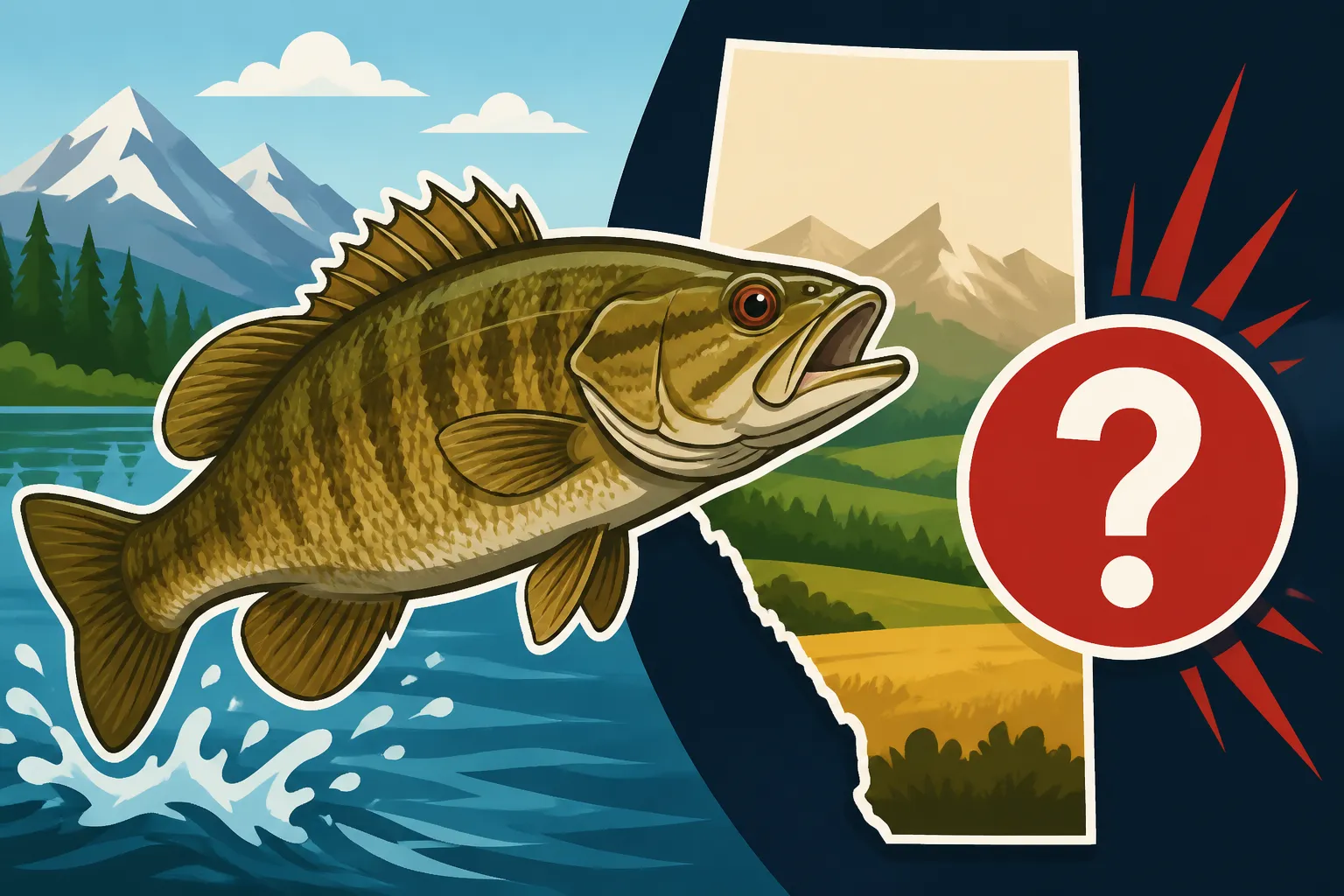
Knowing how to identify a smallmouth bass is your first line of defense. They are often confused with largemouth bass, which are also not native to Alberta, or even some native sunfish species. Smallmouth bass are characterized by their bronze to brown coloration, often with vertical bars or blotches along their sides. Their mouth, when closed, typically does not extend past the middle of their eye, unlike a largemouth bass whose jaw extends well past the eye.
They also have red eyes, which can be a distinguishing feature. If you happen to catch a fish that you suspect might be a smallmouth bass, it's crucial not to release it. Take clear photos, note the location, and report it to provincial authorities. Having a good fish identification guide, perhaps one you ordered from Amazon, can be a really handy tool to have in your tackle box or on your phone, helping you quickly distinguish between species like those in our Trout Species Identification Guide for Alberta and a potential invader.
Here’s a quick comparison table to help distinguish between smallmouth bass and some native Alberta fish that might be confused:
| Feature | Smallmouth Bass (Non-Native/Potential Invasive) | Walleye (Native) | Yellow Perch (Native) |
|---|---|---|---|
| Body Shape | Deep-bodied, compressed | Elongated, slender | Deep-bodied, compressed |
| Coloration | Bronze to brown, vertical bars/blotches | Golden-yellow, mottled | Yellow-gold, dark vertical bars |
| Mouth Position | Upper jaw does not extend past eye | Extends to middle of eye | Small, upturned |
| Dorsal Fins | Two, distinctly separated | Two, slightly separated | Two, slightly separated |
| Tail Fin | Slightly forked | Moderately forked | Slightly forked |
| Spines | Prominent spines in first dorsal fin | Prominent spines in first dorsal fin | Prominent spines in first dorsal fin |
| Eyes | Often reddish | Large, opaque ("walleye") | Clear |
How Smallmouth Bass Could Arrive
The primary threat of smallmouth bass introduction is through illegal human activity. This often involves people deliberately moving fish from one water body to another, perhaps from a province where smallmouth bass are native, to establish a new fishery here in Alberta. Sometimes, people might use live smallmouth bass as bait and inadvertently release them, or they might simply empty their bait buckets, containing non-native species, into a new body of water.
These actions, whether intentional or accidental, are not only irresponsible but also illegal under Alberta fishing regulations. Education is key, and it’s why understanding the potential harm of invasive species is so important. We need to be vigilant about what we carry onto the water, ensure our boats and gear are clean, and never move live fish between water bodies.
The Ecological Impact of Smallmouth Bass
If smallmouth bass were to become established in Alberta, the ecological consequences could be significant and far-reaching. It’s not just about adding another species to the mix; it's about potentially disrupting entire food webs and altering habitats that our native fish rely on for survival. The balance of nature is a delicate thing, and introducing a new predator or competitor can throw everything into disarray.
Competition with Native Species
Smallmouth bass are incredibly adaptable and aggressive predators. If they were to establish populations here, they would immediately enter into direct competition with many of Alberta's native fish species for food and habitat. Imagine a small lake where native perch and trout fry are trying to find insects and small minnows to eat. A new, efficient predator like a smallmouth bass would quickly deplete those food sources, leaving less for the resident fish.
This competition isn't just for food; it's also for prime habitat. Smallmouth bass prefer rocky areas and clear waters, similar to what many of our native trout and whitefish species prefer. This overlap in preference means that valuable spawning grounds or protective cover could be monopolized by the invasive species, pushing out or stressing native populations. This kind of pressure can make it incredibly difficult for native fish to thrive, let alone maintain healthy numbers.
Predation on Local Fish Populations
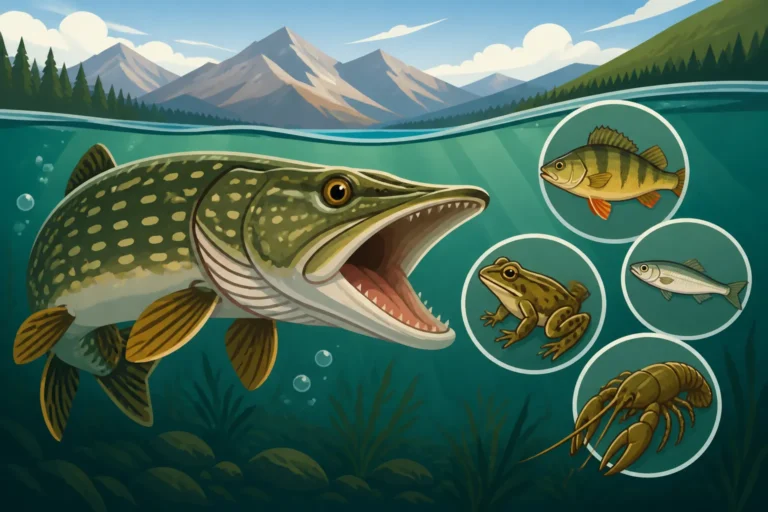
Beyond competition, smallmouth bass are highly effective predators. They are known to feed on a wide variety of prey, including insects, crayfish, and most concerningly, small fish. This means they could directly prey on juvenile native fish, including species of concern like bull trout, cutthroat trout, and even the young of walleye and pike. The introduction of an efficient, opportunistic predator into an ecosystem where native fish have no natural defenses against it can be devastating.
Consider the impact on smaller native species, or the fry of larger game fish. A thriving population of smallmouth bass could significantly reduce the survival rate of young fish, leading to a decline in overall fish numbers and impacting the entire food chain. This unchecked predation can quickly cascade through an ecosystem, altering its structure and reducing biodiversity. It's a serious threat that underscores the importance of prevention.
Habitat Alteration Concerns
While smallmouth bass might not physically alter the landscape like an invasive plant or mussel, their presence can indirectly lead to habitat degradation for native species. For instance, if smallmouth bass populations explode and decimate native prey species, this can upset the delicate balance of the aquatic environment. A decline in certain insect populations due to over-predation by bass could affect other species further up the food chain, including birds and mammals that also rely on these insects.
Furthermore, changes in fish community structure can lead to changes in water quality over time. A reduction in species that graze on algae, for example, could lead to increased algal blooms. While not as direct as some other invasive species, the ripple effects of smallmouth bass predation and competition can indirectly harm the health and productivity of Alberta's aquatic habitats, making them less suitable for the native fish we cherish. It’s a complex ecological dance, and smallmouth bass would certainly throw a wrench into the rhythm.
Preventing the Spread and What Anglers Can Do
Protecting Alberta’s waters from invasive species like smallmouth bass isn't just the job of government agencies; it's a shared responsibility that falls on every single person who enjoys our lakes and rivers. As anglers, we are often the first line of defense, and our actions can make a huge difference in preventing the spread of unwanted organisms. The good news is that there are clear, actionable steps you can take to be part of the solution.
The "Clean, Drain, Dry" Protocol
This is arguably the most important message for any boater or angler in Alberta. The "Clean, Drain, Dry" protocol is a simple yet incredibly effective way to prevent the spread of aquatic invasive species, whether it's microscopic larvae, plant fragments, or unwanted fish. It applies to everything that touches the water: boats, trailers, fishing gear, waders, and even paddleboards.
- Clean: Inspect and remove all mud, plants, and debris from your boat, trailer, and fishing equipment. This means literally scrubbing off any visible organic material. Don't forget hard-to-reach spots like the anchor, bilge, and fishing nets. You can find robust cleaning brushes and tools, potentially even on Amazon, that can help you get the job done thoroughly.
- Drain: Completely drain all water from your boat's bilge, livewell, bait buckets, and motor. Ensure your boat is titled to allow water to fully drain. This also includes draining water from waders and boots. This step is critical because many invasive species, like zebra and quagga mussels, can survive in small amounts of standing water. Remember, moving water from one lake to another is a prime vector for spreading invasives.
- Dry: Allow all equipment to thoroughly dry for at least 72 hours, or longer if conditions are cool or humid. Freezing temperatures can also kill many invasive organisms. If you can’t fully dry your equipment, consider using a high-pressure wash with hot water. This full process, especially when combined with adhering to Alberta Boating Laws for Anglers, is your best bet for keeping our waters pristine.
Reporting Suspected Sightings
Your vigilance on the water is invaluable. If you ever catch a fish that you suspect might be a smallmouth bass, or any other non-native or unusual species, it's vital to report it. Do not release the fish back into the water. Instead, take clear photos of the fish from different angles, especially showing its mouth, fins, and overall body pattern. Note the exact location where you caught it, including GPS coordinates if possible, and the date and time.
Then, contact Alberta Environment and Protected Areas (AEPA) or your local Fish and Wildlife office immediately. They will guide you on the next steps, which may include retaining the fish for identification. Early detection is absolutely critical in managing invasive species, and your quick action could prevent a small problem from becoming a massive, irreversible ecological disaster. Every pair of eyes on the water makes a difference.
Responsible Angling Practices
Beyond "Clean, Drain, Dry" and reporting, responsible angling practices are about maintaining a broader ethical approach to fishing. This includes never using live bait fish in waters where it's prohibited, and definitely never releasing any bait fish into a water body. If you're done with your bait, dispose of it properly in the trash, not in the lake or river.
Educate yourself on Reading the Alberta Guide to Sportfishing Regulations thoroughly, as these regulations are in place to protect our fisheries. Make sure you understand the difference between local species and potential invaders, perhaps by carrying a laminated identification guide in your tackle box. Being proactive in your practices, from proper waste disposal to respecting catch limits and species identification, contributes significantly to the health and sustainability of Alberta’s incredible fishing resources. Let's work together to keep our waters healthy and free from invasive threats.
Disclaimer
This article is for general informational purposes only and does not constitute professional advice. Laws, prices and regulations vary by location and change over time. Consult a qualified professional for guidance on your specific situation.