Is the Bull Trout Alberta’s Provincial Fish?
It's a common question that swirls around campfires and riverbanks across Alberta: "Is the Bull Trout Alberta's provincial fish?" Many of us feel a deep connection to this magnificent native char, often seeing it as the unofficial symbol of our wild, clear waters. This comprehensive guide will dive into why the Bull Trout holds such a special place in the hearts of Albertans, explore its ecological significance, and clarify the current official status of a provincial fish for Alberta.
The Quest for Alberta's Provincial Fish
When you think about Alberta's natural beauty, images of towering mountains, vast prairies, and crystal-clear rivers often come to mind. And for many anglers, the Bull Trout is an integral part of that pristine picture. There's a strong, almost inherent belief among those who fish our province's waters that this stunning char should be, if it isn't already, our official provincial fish.
Why the Bull Trout is a Strong Contender (and why it's not official… yet)
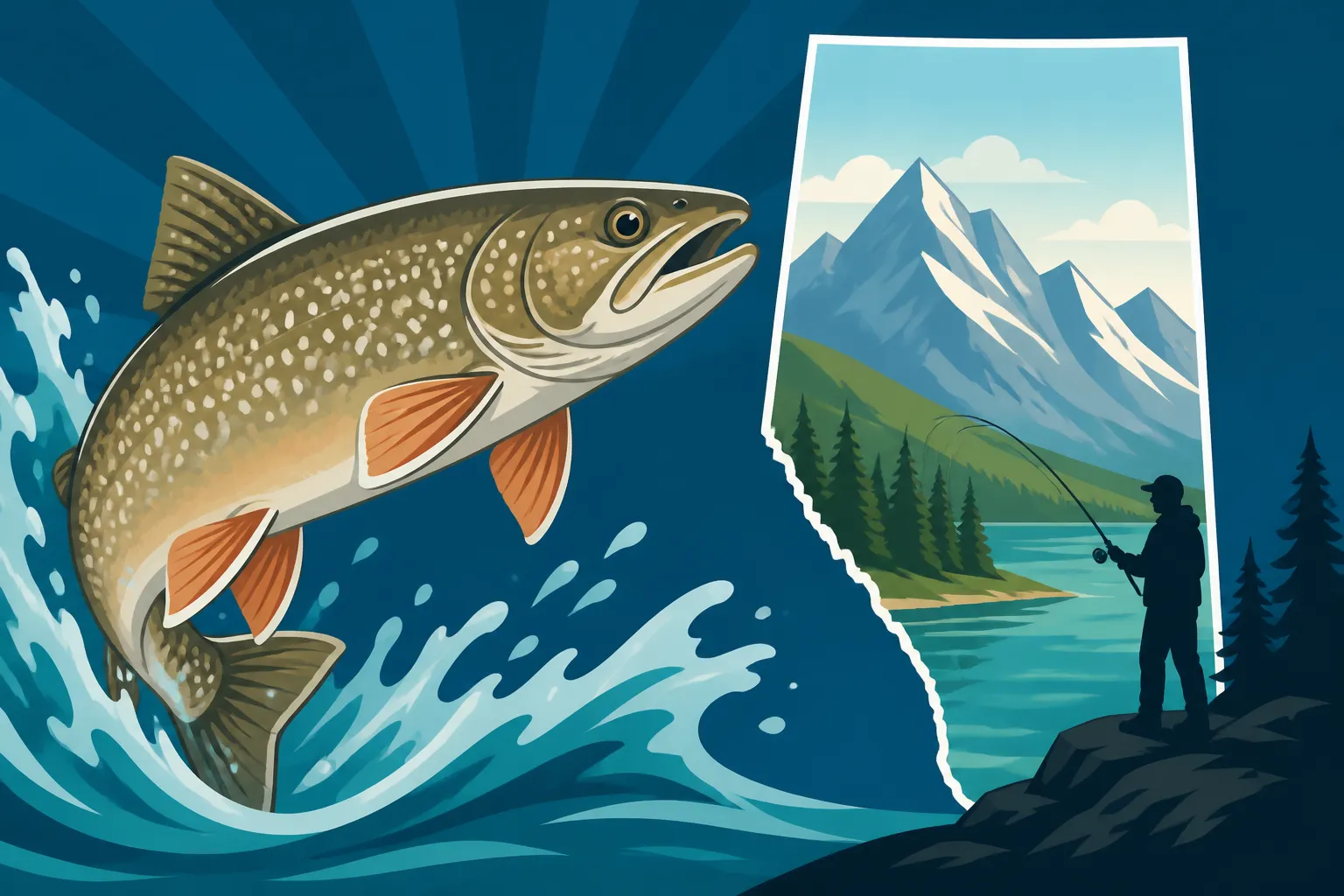
The Bull Trout absolutely captivates those who encounter it. Its striking coloration, powerful fight, and preference for some of the most breathtaking, untouched landscapes in Alberta make it an iconic species. It's a true native, a fish that has evolved and thrived in Alberta's specific ecosystems for millennia, acting as an apex predator that keeps our aquatic environments healthy and balanced. This deep-rooted connection to our provincial identity, combined with its aesthetic appeal and the challenge it presents to anglers, makes it a very strong candidate in the public's eye.
However, the designation of a provincial symbol isn't just about popularity or beauty. There's a formal process, often involving legislative action or proclamation, that Alberta hasn't yet undertaken for a provincial fish. While many provinces have official fish, Alberta has focused on other natural symbols. This doesn't diminish the Bull Trout's importance, but it does mean that its status as "provincial fish" remains an informal, albeit widely accepted, title among the angling community. It's a testament to how deeply this fish resonates with us that so many assume it already holds this honour.
What Makes a Fish "Provincial"? The Selection Criteria
So, what exactly goes into making a fish an official provincial symbol? Typically, there are several key criteria that provinces and states consider when choosing an official emblem. First and foremost, the fish often needs to be native to the region, showcasing a unique connection to the local environment rather than being an introduced species. It should also be iconic, meaning it's easily recognizable and holds cultural or historical significance within the province. Think about how strongly salmon resonate with British Columbia, for instance.
Beyond native status and iconic appeal, conservation status can also play a role. Choosing a species that is either particularly abundant and representative of healthy waters, or one that is threatened and needs a spotlight shone on its plight, can be a strategic move. For example, a provincial fish could serve as an ambassador for conservation efforts, bringing awareness and support to a species that desperately needs it. Its recreational value – how much it's sought after by anglers – is another common consideration. A fish that provides a thrilling challenge or is a staple of local fishing culture often makes a good candidate. The Bull Trout checks many of these boxes, especially its native range and conservation needs, making the public's sentiment understandable.
Unpacking the Bull Trout's Significance in Alberta
The Bull Trout isn't just a pretty fish; it's a vital part of Alberta's cold-water ecosystems. Its very presence signifies healthy, clean, and undisturbed aquatic habitats. For many of us who love exploring Alberta's wilderness, spotting or catching a Bull Trout is a highlight, a true connection to the wild heart of the province.
Ecological Role and Native Status
The Bull Trout, Salvelinus confluentus, is a true char, a cousin to the lake trout and Arctic char. It's unequivocally native to the cold, clear waters of western North America, including the mountainous and foothill regions of Alberta. These fish are essentially the "wolves of the river" – top-tier predators that play a crucial role in maintaining the balance of their ecosystems. They feed on smaller fish, insects, and other aquatic organisms, keeping populations in check and ensuring the overall health and diversity of the fish community.
Their presence is a reliable indicator of pristine habitat. Bull Trout require very specific conditions: exceptionally cold, clean, and well-oxygenated water, often found in high-elevation streams and rivers. They also need complex habitat with deep pools, undercut banks, and large woody debris for cover and spawning. Because of these stringent habitat requirements, Bull Trout Native Range in Alberta is primarily restricted to our western-flowing rivers and mountain lakes, a region that many cherish for its rugged beauty and ecological integrity. Losing Bull Trout from a system is a clear warning sign that the habitat is degrading, impacting not just this species but the entire food web.
Conservation Challenges and Efforts
Despite their ecological importance and native status, Bull Trout face significant challenges. Habitat degradation, fragmentation, and competition with introduced species like brook trout have led to a decline in their numbers across much of their historical range. This is why the Bull Trout is currently listed as a "Threatened" species in Alberta, a designation that underscores the urgent need for conservation. This classification explains why efforts to protect and restore Bull Trout populations are paramount, and why regulations surrounding them are so strict. You can learn more about their status in Bull Trout: Alberta's Threatened Native Fish.
Due to their threatened status, current regulations mandate that all Bull Trout caught in Alberta must be immediately released unharmed. This is a critical measure to help these populations recover. There is a Why Bull Trout Have a Zero Possession Limit in Alberta, meaning you cannot keep any Bull Trout you catch. Anglers have a crucial role to play in their survival, and understanding proper catch-and-release techniques is vital. Practicing Bull trout catch and release survival tips ensures that any incidental catch has the best chance of survival. Using knotless rubber landing nets, readily available on platforms like Amazon, and minimizing handling time can make a huge difference. These efforts, combined with habitat restoration projects, are essential to ensuring that future generations can continue to marvel at these incredible fish in their natural environment.
The Official Stance: Is There an Alberta Provincial Fish?
After all this talk about the Bull Trout's importance, you might be surprised by the official answer to our initial question. It's a point of confusion for many, but one that is important to clarify.
The Current Reality: No Official Provincial Fish
Here's the straightforward answer: No, the Bull Trout is not Alberta's official provincial fish, nor does Alberta currently have any officially designated provincial fish. I know, it's a bit of a head-scratcher for many, especially given how iconic the Bull Trout is. This often comes as a shock to people who have spent years fishing our waters and implicitly, or explicitly, considered the Bull Trout to be the fish of Alberta.
The province has chosen to highlight other aspects of its natural heritage through official symbols. While many other Canadian provinces have officially adopted a provincial fish – like the Atlantic Salmon in New Brunswick or the Arctic Char in Nunavut – Alberta has not yet made such a proclamation. This doesn't mean the Bull Trout isn't valued; it simply means that, from a legislative standpoint, the province hasn't formally recognized any fish as its official emblem. This fact highlights the difference between popular sentiment and official government designation, a distinction that can sometimes cause a bit of a disconnect for passionate anglers.
Other Provincial Symbols and What They Represent
Alberta proudly boasts a range of other official provincial symbols, each carefully chosen to represent different facets of our unique identity and heritage. For instance, the Wild Rose is Alberta's official floral emblem, evoking images of our beautiful prairies and foothills. The Great Horned Owl, with its majestic presence, is our official bird, symbolizing wisdom and the wildness of our landscapes. The Lodgepole Pine stands as our official tree, a testament to the vast forests that dominate much of our northern and mountainous regions. These symbols were selected through various processes over the years, aiming to encapsulate Alberta's natural beauty, history, and cultural significance.
It's interesting to consider that while we have official symbols for flora, fauna (bird, mammal), and geology, the aquatic realm remains officially unrepresented by a specific fish. This absence leaves a void that many anglers feel the Bull Trout could perfectly fill, given its deep historical ties, ecological significance, and the sheer awe it inspires. Perhaps one day, public sentiment will coalesce into a formal movement to recognize the Bull Trout, or another deserving species, as Alberta's official provincial fish. Until then, its unofficial status continues to be celebrated by those who know and love Alberta's wild waters.
Let's quickly compare the attributes of a provincial symbol against the Bull Trout's characteristics:
| Criterion | Typical for Provincial Symbol | Bull Trout's Status | Notes |
|---|---|---|---|
| Native Status | Strongly preferred/required | Yes, unequivocally native | Essential for representing the natural heritage of the region. |
| Iconic/Recognizable | High visibility, culturally significant | Very high among anglers | Striking appearance, preferred habitat in iconic mountain landscapes. |
| Conservation Significance | Ambassador for species or habitat protection | Threatened status, vital | Its recovery efforts align with provincial environmental goals. |
| Recreational Value | Popular for angling, sport, or cultural harvest | Highly prized catch-and-release | Offers a challenging and rewarding angling experience. |
| Economic Impact | Contributes to tourism, local economies | Contributes to eco-tourism | Draws anglers to specific regions, supporting local businesses. |
| Official Designation | Formal legislative act or proclamation | No, currently unofficial | This is the key reason it isn't officially the provincial fish. |
Beyond the Title: Bull Trout's Enduring Legacy
Even without the official title, the Bull Trout's presence in Alberta's rivers and lakes continues to be a source of immense pride and fascination for anglers and nature enthusiasts alike. Its legacy isn't dependent on a formal designation; it's etched into the very fabric of our outdoor culture.
The Angler's Perspective and Cultural Impact
For many seasoned anglers in Alberta, the Bull Trout is more than just a fish; it's a symbol of wilderness, purity, and the pursuit of a truly wild experience. The dedication required to seek out these elusive fish, often in remote and rugged terrain, builds a deep respect for both the species and its habitat. There's a certain reverence when you hook into a Bull Trout, knowing its threatened status and the importance of a swift, careful release. It's a humbling experience that connects you directly to the raw, untamed beauty of Alberta's backcountry.
This cultural impact extends beyond just the catch. Anglers who pursue Bull Trout often become fervent advocates for river health, water quality, and responsible land use. They understand that the fate of the Bull Trout is intertwined with the health of the entire ecosystem. This passion fuels conversations around conservation, encourages careful planning for trips, and even influences the type of gear chosen – from high-quality waders for navigating cold streams, which can be found on Amazon, to specialized landing nets designed for minimal fish handling. The Bull Trout, in essence, acts as a guardian of our province's aquatic heritage, inspiring us all to be better stewards of the environment.
How Anglers Can Support Alberta's Native Fish
Even if the Bull Trout isn't officially the provincial fish, every angler can still play a crucial role in its protection and ensuring its populations thrive for generations to come. The first and most important step is to diligently follow Alberta Fishing Regulations Explained, particularly those pertaining to Bull Trout. This means understanding the zero possession limit and mastering proper catch-and-release techniques. Being informed is powerful. Familiarize yourself with the Reading the Alberta Guide to Sportfishing Regulations or utilize the Alberta Fishing Regulations App and Zone Lookup, Explained on your smartphone to ensure you're always up-to-date on specific zone rules.
Beyond regulations, consider supporting local conservation organizations that actively work on Bull Trout habitat restoration and research. These groups often rely on volunteers and donations to carry out their vital work. When you're out on the water, practice Leave No Trace principles, leaving the environment cleaner than you found it. Use appropriate gear, like barbless hooks, which are often required in special regulation waters for sensitive species like Bull Trout. Using a proper landing net that cradles the fish, rather than one with abrasive knots, can significantly increase a fish's survival chances, and these are widely available from reputable brands on Amazon. Every small action contributes to the bigger picture, ensuring that this magnificent native char continues to grace Alberta's waters, whether it holds an official title or not.
Disclaimer
This article is for general informational purposes only and does not constitute professional advice. Laws, prices and regulations vary by location and change over time. Consult a qualified professional for guidance on your specific situation.