Alberta wild trout waters regulations
The thrill of chasing wild trout in Alberta's pristine waters is unmatched, but wading through the myriad of specific regulations can feel like trying to land a trophy fish with a broken net. It’s frustrating when you just want to enjoy the peace of nature, only to worry about whether your gear or technique is compliant. This guide is here to untangle those complex rules, helping you understand and respect the regulations protecting Alberta’s wild trout waters so you can fish with confidence and contribute to conservation.
Understanding What "Wild Trout Waters" Really Means in Alberta
When we talk about "wild trout waters" in Alberta, we're not just referring to any stream or lake where you might catch a trout. We're pinpointing those incredible, often remote, waterbodies that support self-sustaining populations of native and naturalized trout species. These are the places where trout reproduce naturally, facing the harsh realities of their environment without human intervention like stocking programs. They represent the ecological heart of Alberta's cold-water fisheries, and their health is paramount.
Identifying Native and Naturalized Trout Habitats
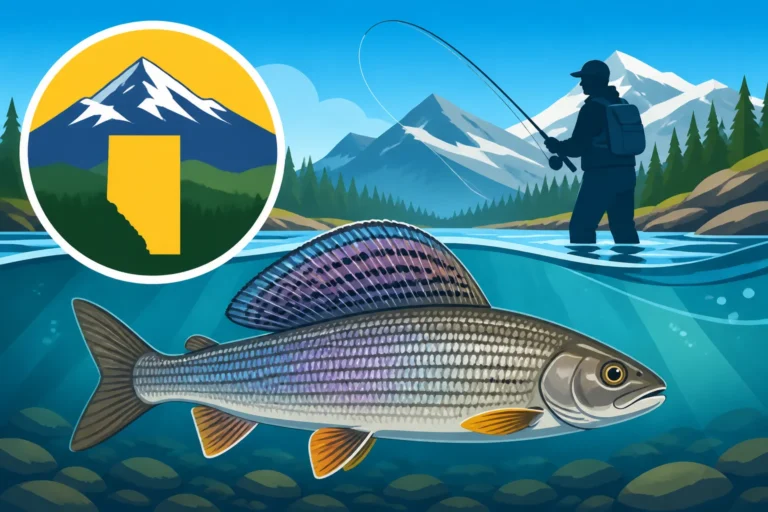
Alberta's wild trout waters are predominantly found in the province's majestic Eastern Slopes and mountain regions. Think of the crystal-clear streams tumbling out of the Rockies, the high-alpine lakes nestled in glacial cirques, and the iconic rivers that flow from these headwaters into the foothills. These are the strongholds of species like the vibrant Cutthroat Trout, the elusive Bull Trout, and the robust Mountain Whitefish, as well as naturalized populations of Rainbow Trout and Brown Trout that have established self-sustaining fisheries.
It's not always about a sign explicitly stating "Wild Trout Water." Instead, it's often inferred by the species present and the specific regulations applied to that body of water in the annual Alberta Guide to Sportfishing Regulations. For example, a river section known for its native Bull Trout and Cutthroat Trout, like parts of the Oldman River or the Crowsnest River, will inevitably have stringent rules designed to protect these vulnerable populations. Understanding the native range of species like the Cutthroat Trout Native Range in Alberta or the Bull Trout Native Range in Alberta can give you a strong clue about where to expect these specialized regulations.
The Distinction Between Wild and Stocked Fisheries
The difference between wild and stocked fisheries is critical for understanding the regulations. Stocked waters, often ponds or lakes near urban centers, are regularly replenished with hatchery-raised trout, usually Rainbow Trout, to provide easily accessible angling opportunities. These waters often have more liberal harvest limits and may permit the use of various baits and tackle. They are designed for recreational catch and keep, or for beginner anglers to have a higher chance of success.
Wild trout waters, on the other hand, are managed for conservation and the preservation of genetic integrity. The fish here are tougher, wiser, and often harder to catch, reflecting their natural origins. Regulations in these areas are focused on minimizing stress to the fish, ensuring future spawning success, and maintaining a healthy ecosystem. This often means stricter limits, specific gear requirements like barbless hooks, and often, mandatory catch-and-release practices. It's a fundamental shift in mindset from harvesting to stewardship.
Key Regulations for Protecting Alberta's Wild Trout Populations
The regulations governing Alberta's wild trout waters are designed with one overarching goal: conservation. They are a carefully crafted set of rules aimed at preserving these precious and often vulnerable fish populations for generations to come. Ignoring them isn't just illegal; it actively undermines the health of these irreplaceable ecosystems.
Catch and Release Only Rules
Many of Alberta's most cherished wild trout waters are designated as Alberta Catch and Release Only Waters. This regulation means exactly what it sounds like: every single fish you catch must be immediately and carefully returned to the water. The intent here is to eliminate any harvest pressure on wild populations, allowing them to thrive and maintain robust spawning numbers. These rules are especially common in areas with sensitive native species or those recovering from past overfishing.
For example, sections of the Bow River, famous for its large Rainbow and Brown Trout, have extensive catch-and-release rules. The Crowsnest River, particularly for its Cutthroat Trout and Bull Trout, often falls under these strictures. When you're fishing these waters, it's not about what you're taking home for dinner; it's about the experience, the challenge, and the responsibility of being a steward. Proper catch and release techniques are vital, including minimizing air exposure, handling fish with wet hands, and using a knotless rubber net to protect their slime coat. Having a good quality, rubberized landing net, often available on Amazon, can make a huge difference in fish survival.
Barbless Hook Requirements
To further protect wild trout, many special regulation waters in Alberta mandate the use of Alberta Barbless Hook Requirement Waters. A barbless hook, as the name suggests, is a hook without the small barb that typically keeps a fish from easily shaking off. The purpose of this rule is simple: to reduce injury to the fish and make it easier to release them unharmed.
When a barbed hook is embedded, it often creates a larger wound or becomes difficult to remove without causing significant tissue damage, especially if the fish has swallowed the hook. A barbless hook, on the other hand, can usually be dislodged with minimal effort, significantly increasing the fish's chances of survival after release. You can buy barbless hooks directly, or you can easily crimp down the barb on any standard hook with a pair of pliers. It’s a small adjustment that has a massive impact on fish welfare, and it’s a legal requirement in many of Alberta’s blue-ribbon trout streams like certain sections of the Bow River or the Highwood River. If you're going to Fly Fishing for Trout on the Bow River, make sure your flies are tied on barbless hooks or that you've pinched down those barbs.
Gear and Bait Restrictions
Beyond hook types, wild trout waters often come with specific gear and bait restrictions. These rules are put in place to limit specific types of fishing pressure or to prevent the introduction of harmful substances into delicate ecosystems. For instance, many wild trout streams are designated "artificial lure only" or "fly fishing only." This means no worms, no salmon eggs, no powerbait – nothing that might be considered natural bait. The idea is to reduce the chance of deep hooking and to make fishing more of a challenge, thereby reducing overall harvest pressure.
Consider a scenario where you're targeting Brown Trout in a spring creek in the Eastern Slopes. If the regulations state "artificial flies only," bringing a spinning rod with worms would not only be illegal but could also put pressure on a fragile population not accustomed to such baiting methods. Additionally, certain waters may restrict specific types of lures, such as lead weights, to prevent environmental contamination. Always double-check the Alberta Fishing Regulations Explained for the specific waterbody you plan to fish. You might even find some sections that specify single hooks only, even on artificial lures, which means removing treble hooks from spinners or spoons.
Species-Specific Regulations and Possession Limits
Alberta's wild trout populations also fall under strict species-specific regulations and possession limits. Some species, like the vulnerable Bull Trout, often have a zero possession limit across their native range, meaning it's always catch and release. Understanding these rules is critical. You can learn more about the Alberta Bull Trout Zero Possession Rule to ensure you're compliant. For other species, like certain types of Rainbow Trout or Brown Trout in specific zones, there might be a very low limit, perhaps one or two fish, and often with a slot size requirement (e.g., only fish between 30-45 cm can be kept).
This table illustrates common regulatory differences you might encounter:
| Regulation Type | Wild Trout Water Example (e.g., Eastern Slopes River) | Stocked Pond Example (e.g., Calgary City Pond) |
|---|---|---|
| Harvest Limit | 0 (Catch & Release Only) | 5 Rainbow Trout |
| Hook Type | Barbless Hooks Only | Barbed Hooks Permitted |
| Bait Permitted | Artificial Lures / Flies Only | Natural Bait, Powerbait, Artificial Lures |
| Target Species | Bull Trout, Cutthroat Trout, Wild Rainbow/Brown Trout | Stocked Rainbow Trout |
| Season Dates | Often highly specific, potentially seasonal closures | Often open year-round with general rules |
It’s crucial to know your fish species. Mistaking a Bull Trout for a Lake Trout, for instance, could lead to a significant fine, as Is Keeping a Bull Trout Ever Legal in Alberta? The Alberta Guide to Sportfishing Regulations is your bible for this, detailing specific limits and rules for each waterbody and species.
Planning Your Trip to Alberta's Wild Trout Streams and Lakes
Successfully fishing Alberta's wild trout waters requires more than just casting a line; it demands careful planning, a deep understanding of regulations, and a commitment to responsible angling. These aren't just fishing trips; they're expeditions into fragile ecosystems that need our respect and protection.
Essential Research Before You Go
Before you even pack your bags, thorough research is your best friend. Start with the most recent edition of the Reading the Alberta Guide to Sportfishing Regulations. This comprehensive document is updated annually and details every specific rule for every named waterbody in the province. Don't rely on old copies or hearsay; regulations can change. Pay close attention to the specific zone you plan to visit, as rules can vary dramatically from one river section to another, or even from one side of a lake to the other.
Beyond the regulations, research the specific fish species you're targeting. For example, if you're going after Brown Trout Fishing in Alberta, understanding their preferred habitats, feeding patterns, and seasonal movements will greatly increase your success. Look into river flows if you're hitting a stream – high water can make fishing dangerous and unproductive, while low, clear water might require a more stealthy approach. Websites like MyWildAlberta, river gauge sites, and local fishing forums (where experienced anglers often share conditions) are invaluable resources. A quick search on Amazon might even reveal specific guidebooks for regions like the Best Fly Fishing Rivers in Alberta.
Gear Considerations for Wild Trout
The type of gear you bring needs to align with both the regulations and the environment of wild trout waters. For most wild trout streams, a lightweight fly rod (3-5 weight) is ideal, paired with a matching reel and a floating line. For those who prefer spin fishing in areas where it's allowed, a light to ultralight spinning rod with 4-6 lb test fluorocarbon or monofilament line is often appropriate. Your tackle box should be stocked primarily with artificial lures or flies that are barbless.
Think small, natural-looking flies and lures that mimic local insect life or baitfish. Carry a good selection of dry flies, nymphs, and streamers if you're fly fishing. For spin fishing, small spinners, spoons, and soft plastic swimbaits can be very effective. Crucially, invest in a good pair of Best Waders for Alberta Trout Rivers and reliable wading boots if you plan on covering water on foot. Safety equipment, like a wading staff for navigating swift currents and a sturdy first-aid kit, is non-negotiable for remote trips. And don't forget the proper sun protection – good quality polarized sunglasses, a wide-brimmed hat, and sunscreen are a must, especially with the reflection off the water.
Practicing Ethical Angling and Leave No Trace Principles
Fishing in wild trout waters comes with a profound responsibility to practice ethical angling and adhere to Leave No Trace principles. This means minimizing your impact on the environment and ensuring the fish you release have the best possible chance of survival. Always handle fish gently, supporting their body weight, and keep them in the water as much as possible, especially if you're taking a photo. A quick picture with the fish partially submerged is far better for its health than holding it high and dry. Learn How to Catch Bull Trout and Release Them Safely.
Beyond fish handling, practice Leave No Trace by packing out everything you pack in, including all trash, broken line, and discarded bait. Avoid disturbing stream banks or sensitive riparian vegetation. If you're camping or accessing remote areas, be aware of wildlife and respect their habitat. The beauty and solitude of Alberta's wild trout waters depend on every angler doing their part. By being a responsible and informed angler, you contribute to the ongoing health of these incredible fisheries, ensuring that the wild trout continue to thrive for future generations of outdoor enthusiasts.
Disclaimer
Please note that fishing regulations are subject to change. Always consult the most current Alberta Guide to Sportfishing Regulations before heading out on any fishing trip to ensure you are compliant with all provincial and local rules. This guide is for informational purposes only and does not supersede official government documentation.