Alberta Oldman River fishing regulations
Trying to figure out the fishing regulations for a specific river in Alberta can feel like deciphering ancient hieroglyphs, especially when you’re just trying to enjoy a peaceful day on the water. The Oldman River, with its diverse ecosystems and sensitive fish populations, comes with its own set of rules that can easily trip up even seasoned anglers. This comprehensive guide is here to untangle the complexities of the Alberta Oldman River fishing regulations, helping you understand the nuances, avoid common mistakes, and ensure your next fishing trip is both rewarding and compliant.
Understanding the Oldman River's Unique Status and Zones
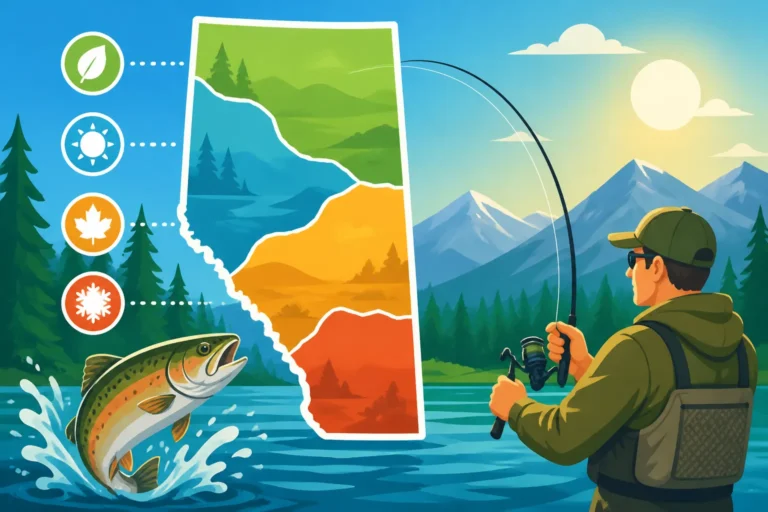
The Oldman River isn't just one long stretch of water; it's a dynamic system that changes dramatically from its headwaters in the Rockies down to the prairies. This natural variation means that regulations can, and often do, change depending on which section of the river you’re planning to fish. It’s not enough to just know "Oldman River" – you need to know where on the Oldman River. This zoning approach is designed to protect vulnerable species, manage different fish populations, and ensure sustainable angling opportunities across its varied habitats.
Navigating Alberta's Sportfishing Regulations Guide
Before you even tie a knot, your first and most crucial step should always be consulting the official Alberta Guide to Sportfishing Regulations. This isn't just a suggestion; it's your angling bible. Every year, changes can be made, specific advisories issued, or season dates adjusted, so relying on last year’s knowledge or hearsay is a recipe for disappointment, and potentially, a hefty fine. The guide breaks down the province into management zones, and within those zones, specific waterbodies like the Oldman River will have their own detailed rules.
It can feel overwhelming, with all the codes and exceptions, but taking the time to read the section pertaining to the Oldman River and its tributaries is non-negotiable. Don't just skim the tables; pay attention to the introductory text for that specific region. Sometimes, there are special clauses or specific fish identification requirements that are easily missed. This guide is accessible online through the MyWildAlberta portal, and many anglers even keep a digital copy on their phones for quick reference on the water, or you can pick up a physical copy at most license vendors. For a deeper dive into making sense of it all, check out our guide on Reading the Alberta Guide to Sportfishing Regulations.
Oldman River's Designated Management Zones
The Oldman River, much like many of Alberta's larger river systems, falls under several management zones, each with potentially different rules regarding open seasons, bait restrictions, and species limits. The upper reaches, particularly within Kananaskis Country or closer to the mountain parks, are often considered more sensitive trout waters, demanding stricter catch-and-release practices and specific tackle restrictions. As the river flows eastward into the prairies, the species mix changes, and so do the regulations, often allowing for different limits or gear types.
For example, the section of the Oldman River downstream from the Oldman Dam can have drastically different regulations compared to the stretch near the Livingstone Gap. These zones are usually clearly marked in the regulations guide with defined geographical boundaries, such as bridges, dams, or confluences with other rivers. Anglers frequently get into trouble by assuming the rules for one section apply to the entire river. Always verify the specific section you plan to fish against the current regulations. Understanding these zones is paramount, especially if you plan to explore different parts of the river system, as a short drive upstream or downstream could mean a complete change in legal fishing practices.
Key Regulations Specific to the Oldman River
Now, let's get down to the nitty-gritty of what you'll encounter on the Oldman River. These regulations are in place to conserve the river's diverse fish populations, which include various trout species, whitefish, and sometimes even pike and walleye in its lower reaches. The rules are not arbitrary; they reflect years of scientific study and management efforts to ensure these fisheries remain healthy for future generations.
Species-Specific Limits and Seasons
The Oldman River is renowned for its trout fishing, particularly its healthy populations of Rainbow Trout and Brown Trout in the upper and middle sections. You'll also find Mountain Whitefish throughout much of its length. Understanding the daily bag and possession limits for each species is critical. These limits can vary significantly. For instance, you might find a zero possession limit for certain species, meaning you must release them immediately and unharmed. A prime example is the Bull Trout, which generally has a Alberta Bull Trout Zero Possession Rule across much of Alberta, including the Oldman. Catching one of these magnificent native fish is a special experience, but keeping it is illegal.
Seasons are equally important. While some sections of the Oldman might be open year-round for certain species, others could have specific opening and closing dates, often tied to spawning periods or vulnerable times for fish. You might find "closed to fishing" periods in spring to protect spawning trout. For instance, in some parts of the Oldman, the main stem might be open, but its small tributaries could be closed entirely to protect spawning areas. Always double-check the current Alberta Fishing Season Dates by Zone relevant to the Oldman River.
Here’s a simplified example of how limits might look (always confirm with the current official guide):
| Species | Upper Oldman River (e.g., above Highway 22) | Lower Oldman River (e.g., downstream of Oldman Dam) |
|---|---|---|
| Rainbow Trout | Catch & Release Only (0) | 2 (total between Rainbow/Brown) |
| Brown Trout | Catch & Release Only (0) | 2 (total between Rainbow/Brown) |
| Bull Trout | Zero Possession Rule (0) | Zero Possession Rule (0) |
| Mountain Whitefish | 5 | 5 |
| Northern Pike | Not typically present in numbers | 3 |
| Walleye | Not typically present in numbers | Special Harvest Licence Only (or 0) |
This table is for illustrative purposes only. Always consult the official Alberta Sportfishing Regulations for current and accurate information.
Tackle and Bait Restrictions
Many sensitive trout streams in Alberta, including portions of the Oldman River, have specific tackle and bait restrictions designed to minimize harm to fish and maintain the natural ecosystem. The most common restrictions you’ll encounter on the Oldman include:
- Barbless Hooks Only: This is a prevalent rule in many trout waters. A barbless hook makes it much easier to release fish without causing undue injury, significantly improving their survival rate. If your hooks have barbs, you must pinch them down with pliers. For more details, see our article on Alberta Barbless Hook Requirement Waters. You can often find pre-made barbless hooks or even barbless versions of popular lures on Amazon, making compliance easy.
- Artificial Flies Only / Artificial Lures Only: Some sections might prohibit the use of natural bait (like worms, minnows, or roe) altogether. This is common in "fly-fishing only" stretches, where only artificial flies tied with non-edible materials are permitted. Other sections might allow "artificial lures," which includes spoons, spinners, and plugs, but still prohibit natural bait. Understanding this distinction is crucial, as using a worm where only artificial flies are allowed is a serious offense.
- Single Hook Restrictions: Even when artificial lures are allowed, there might be a rule specifying "single hooks only," meaning you cannot use treble hooks. Again, this is about minimizing harm to the fish.
Always carry a pair of pliers to pinch down barbs, even if you think all your hooks are barbless. It's better to be safe than sorry.
Catch and Release Requirements
Catch and release is a cornerstone of responsible angling, especially in heavily fished or sensitive rivers like the Oldman. Even if a particular species has a legal possession limit, many anglers choose to practice catch and release to help maintain healthy populations. On the Oldman River, there are often specific sections or species where catch and release is mandatory, meaning it is illegal to retain any fish you catch. This is particularly true for Bull Trout and in many of the designated trout water stretches.
If you are practicing catch and release, do so responsibly:
- Minimize handling: Keep the fish in the water as much as possible.
- Wet hands: Always wet your hands before touching a fish to protect its protective slime coat.
- Remove hook quickly: Use pliers or a hook remover to quickly dislodge the hook.
- Support the fish: If you must take a photo, support the fish horizontally with both hands, minimizing its time out of water.
- Revive gently: Allow the fish to recover in the water, facing upstream in the current, until it can swim away strongly on its own.
Our guide on Alberta Catch and Release Only Waters offers more details on these vital practices. For unique species like Bull Trout, knowing How to Catch Bull Trout and Release Them Safely is a must.
Essential Tools and Resources for Oldman River Anglers
Being well-prepared isn't just about having the right lure; it's about having the right information at your fingertips. The regulations can be dynamic, and local conditions can change rapidly, impacting fishing success and safety. Having reliable resources is key to a successful and stress-free trip on the Oldman River.
Using the MyWildAlberta Portal and App
The official MyWildAlberta portal is your ultimate digital resource. Not only can you purchase your Alberta Fishing License Guide for 2026 and your essential WIN card there, but it also hosts the most current version of the Sportfishing Regulations. Beyond just the static PDF, Alberta Environment and Protected Areas (AEPA) also offers a fantastic mobile application. This app allows you to easily look up regulations by location or waterbody, making it incredibly convenient to verify rules right there on the bank of the Oldman River, even if you have limited cell service in some remote areas. The app also often includes maps showing regulation boundaries, which can be a lifesaver when you're trying to figure out if you're above or below a specific bridge or confluence that marks a zone change. Understanding how to utilize this digital tool is covered extensively in our article, Alberta Fishing Regulations App and Zone Lookup, Explained.
Local Knowledge and Fly Shops
While the official regulations are non-negotiable, local knowledge can provide invaluable insights into how those regulations interact with the river's character at different times of the year. Local fly shops, particularly those in towns like Pincher Creek, Fort Macleod, or even Calgary, are often goldmines of information. Staff at these shops fish the Oldman regularly and can offer tips on current conditions, recent hatches, or even subtle changes in water levels that might affect fish behavior. They can also advise on popular Oldman River Fishing Spots and the specific regulations for those areas.
Don't hesitate to ask them about recent fishing reports, what flies are working, or if there are any current advisories that might not be immediately obvious in the official guide. They can also be a great resource for gear, from specific fly patterns to the right type of waders. A friendly chat can save you a lot of guesswork and dramatically improve your fishing experience. Many even have online stores or sections on their websites that highlight local conditions, which can be useful when planning your trip.
Common Pitfalls and How to Avoid Them
Even the most well-intentioned anglers can sometimes fall afoul of regulations if they're not diligent. The Oldman River, with its changing character and varied rules, presents a few common traps. Being aware of these can help you avoid a frustrating, and potentially expensive, encounter with a Fish and Wildlife Officer.
Misinterpreting Zone Boundaries
This is perhaps the most common mistake anglers make. The Oldman River travels a long distance, and the regulations can change at what seem like arbitrary points – a specific bridge, a road crossing, or the mouth of a tributary. One side of a bridge might be catch and release, while the other side allows for a retention limit. Or, a tributary might be closed to fishing entirely to protect sensitive Cutthroat Trout Native Range in Alberta, even if the main stem is open.
To avoid this:
- Study maps: Use the maps provided in the official regulations guide or within the MyWildAlberta app. Pinpoint your exact fishing location.
- Look for landmarks: When on the river, identify the landmarks mentioned in the regulations (e.g., "downstream of the Highway 3 bridge").
- When in doubt, err on the side of caution: If you're unsure if you're in a catch and release zone, assume you are. If you're unsure about bait restrictions, use artificial lures and barbless hooks.
Overlooking Special Closures or Restrictions
Beyond the annual seasonal regulations, specific sections of the Oldman River might have temporary or year-round special closures that aren't immediately obvious. These could be:
- Emergency closures: Due to drought conditions, high water temperatures, or fish disease outbreaks, certain sections might be temporarily closed to protect fish. These are usually announced via the AEPA website and social media channels.
- Protection of specific species: Some small creeks or sections that act as critical spawning grounds for specific species might be permanently closed.
- Youth-only waters: While less common on a large river like the Oldman, some smaller stocked ponds or streams linked to the river system might be designated for youth anglers only.
Always check the "Advisories and Closures" section of the MyWildAlberta website before heading out. This is where you'll find the most up-to-date information on any special conditions affecting the Oldman River. Being informed about these can prevent a ruined trip and ensure you're fishing ethically and legally. For instance, if you're planning a trip to the upper Oldman, you might want to consider Best Fly Fishing Rivers in Alberta which often share similar sensitive regulations.
Always make sure you have your Alberta WIN Card, Explained and valid fishing license readily accessible, either digitally or physically. Conservation officers do frequent patrols, and being prepared means a smoother interaction and peace of mind while enjoying the stunning scenery and excellent fishing the Oldman River has to offer.
Disclaimer
The information provided in this guide is for general informational purposes only and is not a substitute for the official Alberta Guide to Sportfishing Regulations. Regulations can change frequently. Always consult the most current official Alberta Sportfishing Regulations guide and any active advisories or closures before engaging in any fishing activity. It is the angler's responsibility to know and follow all applicable laws and regulations.