Alberta lake whitefish limit
It's incredibly frustrating, isn't it? You head out to your favorite lake, maybe you've had a great day catching some beautiful lake whitefish, and then that nagging doubt creeps in: "Am I allowed to keep this many? What's the actual limit?" Sorting through the Alberta fishing regulations can sometimes feel like a treasure hunt with a map written in ancient riddles. This guide is here to cut through that confusion, helping you understand the current Alberta lake whitefish limits so you can fish with confidence and stay on the right side of conservation.
Understanding Lake Whitefish and Their Importance in Alberta
Before we dive into the numbers, let's take a moment to appreciate the fish we're talking about. Lake whitefish are a fascinating and vital part of Alberta's aquatic ecosystems, offering both a unique angling experience and a delicious addition to the dinner table. They’re often misunderstood, sometimes overshadowed by more "glamorous" sport fish like trout or walleye, but they hold a special place in the hearts of many seasoned Alberta anglers.
What Exactly are Lake Whitefish?
Lake whitefish (Coregonus clupeaformis) are members of the salmon family, though they don't quite fit the typical trout or salmon mold. They have a sleek, silver body, usually with a slightly darker back, and a distinctive small, almost sucker-like mouth that's adapted for feeding on the bottom. Unlike many fish that actively hunt, whitefish are often referred to as "vacuum cleaners" of the lakebed, sifting through sediment for insects, small crustaceans, and other invertebrates. You'll find them in deeper, cooler waters, often congregating around structures, drop-offs, or humps where their food sources are abundant.
In Alberta, lake whitefish can grow to impressive sizes, with common catches ranging from 1 to 5 pounds, though larger specimens certainly exist. They are particularly popular during the ice fishing season, offering a spirited fight on light tackle. Beyond their appeal to anglers, lake whitefish play a crucial ecological role as a prey species for larger predatory fish, contributing significantly to the health and balance of many Alberta lakes. Understanding their behavior and habitat not only makes you a better angler but also helps you appreciate the intricate web of life beneath the surface.
Why Do We Have Fishing Limits?
The concept of fishing limits isn't about restricting your fun; it's fundamentally about conservation. Imagine if everyone could keep as many fish as they wanted, every single time they went out. It wouldn't take long before fish populations plummeted, leading to barren lakes and the eventual collapse of a beloved pastime. This exact scenario has played out in various fisheries around the world, leading to a much deeper understanding of sustainable resource management.
Alberta Environment and Protected Areas (AEPA) sets these limits, not arbitrarily, but based on scientific data, population surveys, and long-term ecological studies. The goal is to ensure that enough fish remain in the system to reproduce and sustain healthy populations year after year, guaranteeing that future generations can also enjoy the thrill of catching lake whitefish. These regulations are a delicate balance between providing recreational opportunities and protecting the natural heritage of our province. By adhering to these limits, every angler contributes directly to the health and longevity of Alberta's fisheries, ensuring that our lakes and rivers continue to teem with life.
Current Alberta Lake Whitefish Limits (2024-2025 Regulations)
Now, let's get to the nitty-gritty of what you can actually keep. This is where it's easy to get tangled up, because Alberta's regulations are designed to be quite specific, sometimes varying even within the same fishing zone. It’s not a one-size-fits-all situation, and that's precisely why it's so important to be diligent in checking the rules for your chosen fishing destination.
General Province-Wide Regulations
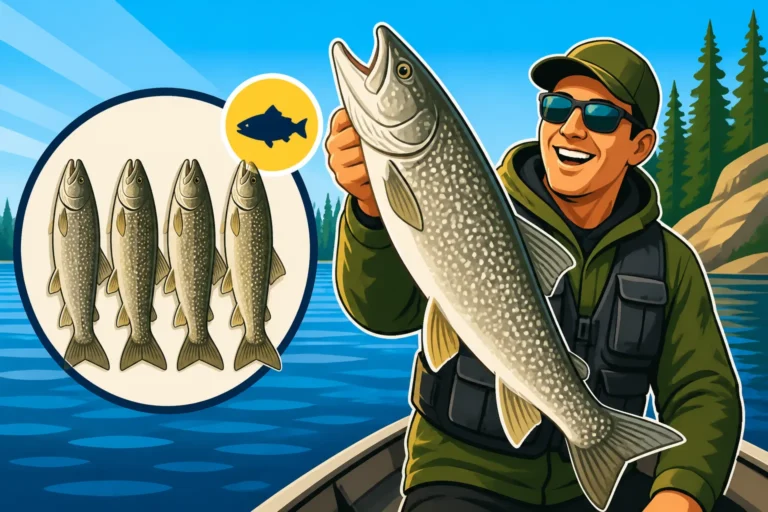
For many of Alberta's general waters, the province-wide regulation for lake whitefish typically allows for a daily catch limit of 10 fish. This "daily limit" refers to the maximum number of fish of a particular species you are allowed to catch and retain in a single day. However, it's crucial to understand the distinction between a "daily limit" and a "possession limit." Your possession limit is the total number of fish you are allowed to have on your person or in your possession at any given time, regardless of when they were caught. For lake whitefish, this often mirrors the daily limit, meaning you can't accumulate more than 10 whitefish from multiple fishing trips without consuming or processing them first.
While the "general" limit provides a baseline, it's more of a starting point than a hard and fast rule for every single body of water. Alberta's diverse aquatic environments necessitate nuanced regulations, meaning that while 10 whitefish might be common, it's far from universal. The season for lake whitefish is often year-round in many lakes, especially those that support robust populations and aren't subject to intense spawning closures like some trout or walleye fisheries. However, even if the season is open, the limits can still vary dramatically, which leads us to the next critical point.
Zone-Specific and Waterbody-Specific Exceptions
This is where the real complexity, and potential frustration, can arise for anglers. Alberta is divided into several major fishing management zones (like ES1, ES2, PP1, etc.), and within those zones, individual lakes, rivers, or even specific stretches of a river can have their own unique regulations that override the general provincial rules. For instance, while most lakes might have a 10-whitefish limit, a particular lake might be designated "catch and release only" for all species, or it might have a reduced limit of 5, or even a slot limit for certain sizes to protect larger breeding fish.
Specific examples of waters where you might encounter varied limits for lake whitefish include larger, heavily fished lakes like Lesser Slave Lake or Cold Lake. Even some smaller, more remote lakes, particularly those with delicate ecosystems or ongoing recovery efforts, might have more restrictive rules. For example, some waters within provincial parks, like Waterton Lakes National Park, might operate under federal park regulations which can differ significantly from provincial ones. This kind of variability is precisely why relying on what "someone told you" about a lake, or assuming a general rule applies everywhere, is a recipe for potential fines. You simply have to look it up every time, for every specific body of water you plan to fish. Checking the official guide is non-negotiable, much like knowing the current Alberta Fishing License Guide for 2026 before you even cast a line.
Table: Common Alberta Lake Whitefish Limits (Illustrative Examples)
To give you a clearer picture, here's an illustrative table outlining some potential scenarios you might encounter. Please remember, these are examples and you MUST consult the official Alberta Guide to Sportfishing Regulations for the most current and accurate information for your specific fishing location. Regulations are subject to change.
| Fishing Zone/Waterbody | Lake Whitefish Daily Limit | Lake Whitefish Possession Limit | Notes |
|---|---|---|---|
| General Waters (No Specific Rule) | 10 | 10 | Applies to many lakes not listed with special regulations. |
| Lesser Slave Lake | 10 | 10 | Historically stable, but always verify. |
| Cold Lake | 10 | 10 | A popular destination, often with consistent whitefish limits. |
| Select Mountain Lakes (e.g., Kananaskis Lakes) | 5 | 5 | Smaller, more sensitive ecosystems may have reduced limits. |
| Specific Rivers (e.g., Athabasca River) | 5 | 5 | Some rivers may have different regulations than lakes. |
| Catch & Release Only Waters | 0 | 0 | These are clearly marked in the regulations. |
This table highlights the potential range, from the common "10" to more restrictive limits in specific areas. It underscores the importance of digging into the details for your exact spot. Just as you wouldn't assume the Alberta Northern Pike Limit is the same everywhere, you can't for whitefish either.
How to Find the Most Accurate and Up-to-Date Information
Navigating the complexities of Alberta's fishing regulations can feel daunting, but thankfully, there are excellent resources available to ensure you're always informed. Relying on outdated information or hearsay is a surefire way to run into trouble, so becoming proficient at finding the official rules is an essential part of being a responsible angler in Alberta. The province makes a genuine effort to provide clear guidelines, and it's our responsibility to use them.
Navigating the Alberta Guide to Sportfishing Regulations
The Alberta Guide to Sportfishing Regulations is your bible when it comes to fishing in the province. It's published annually and is the definitive source for all rules, including lake whitefish limits. You can find this guide online on the MyWildAlberta portal, which is managed by Alberta Environment and Protected Areas. Many local tackle shops and outdoor retailers also provide physical copies, which can be handy to have in your vehicle. The key is to access the most current version for the year you are fishing, as regulations can and do change.
When you open the guide, start by identifying the fishing zone where you plan to fish. Alberta's zones are clearly mapped out. Once you know your zone, you'll find a section dedicated to "General Regulations" for that zone, followed by "Site-Specific Regulations." It's in this latter section that you'll look up your specific lake or river. These site-specific rules always take precedence over the general zone regulations. For instance, you might find a general zone limit for whitefish, but then see your particular lake listed with an entirely different, or even a "catch and release only," rule. Taking the time to thoroughly read the "Reading the Alberta Guide to Sportfishing Regulations" article will undoubtedly save you headaches and potential penalties.
Using the Alberta Regulations App
In today's digital age, the Alberta Environment and Protected Areas (AEPA) has also provided an incredibly useful tool for anglers on the go: the official AlbertaRELM app. This free application, available for both iOS and Android devices, puts the entire sportfishing regulation guide right in your pocket. It's a game-changer for those moments when you're out on the water, maybe exploring a new spot, and need to quickly verify a limit or a season date.
The app's interface allows you to search for specific waterbodies by name, browse by fishing zone, or even use your device's GPS to show regulations for waters near your current location. This eliminates the need to carry a bulky paper copy or rely on spotty internet to load a PDF. It's incredibly convenient, ensuring you always have the most up-to-date information at your fingertips, which is particularly vital for dynamic regulations like the "Alberta Walleye Special Harvest Licence Program" or specific whitefish limits. Before your next trip, make sure to download and familiarize yourself with "How to use the Alberta sportfishing regulations app" – it’s an invaluable tool for any Alberta angler.
Other Resources and Staying Informed
While the official guide and app are your primary sources, other resources can help you stay informed. Local tackle shops, like Fish Tales Bait & Tackle in Calgary or The Fishin' Hole in Edmonton, are excellent hubs of information. The staff often have intimate knowledge of local regulations and recent changes. They can also point you to specific pages in the guide or demonstrate how to use the app for a particular lake. Online fishing forums and community groups can also be helpful for local insights, though always cross-reference anything you hear there with official sources.
The most critical piece of advice is to check the regulations before every single fishing trip. Even if you fished a lake last month, a regulation change might have occurred. While dramatic mid-season changes are rare, annual updates are standard. This due diligence isn't just about avoiding fines; it's about being a responsible steward of Alberta's natural resources. It also ties into other important aspects of safe angling, such as understanding the "Alberta fishing license age requirements" for everyone in your party.
Responsible Angling Practices for Lake Whitefish
Catching lake whitefish can be a truly rewarding experience, whether you're targeting them for a meal or simply for the sport of it. However, as with all fishing, responsible practices are paramount. Beyond simply adhering to the limits, how you handle fish, whether you plan to release them or keep them, profoundly impacts the health of the fishery.
Best Practices for Catch and Release (When Applicable)
Sometimes, even when a limit allows you to keep fish, you might choose to practice catch and release—perhaps you’ve already filled your limit, or you’re targeting larger broodstock. When releasing lake whitefish, or any fish, the goal is to maximize their survival chances. This starts with minimizing the time the fish spends out of water. Every second counts. Have your camera ready (if you're taking a photo) and your tools easily accessible.
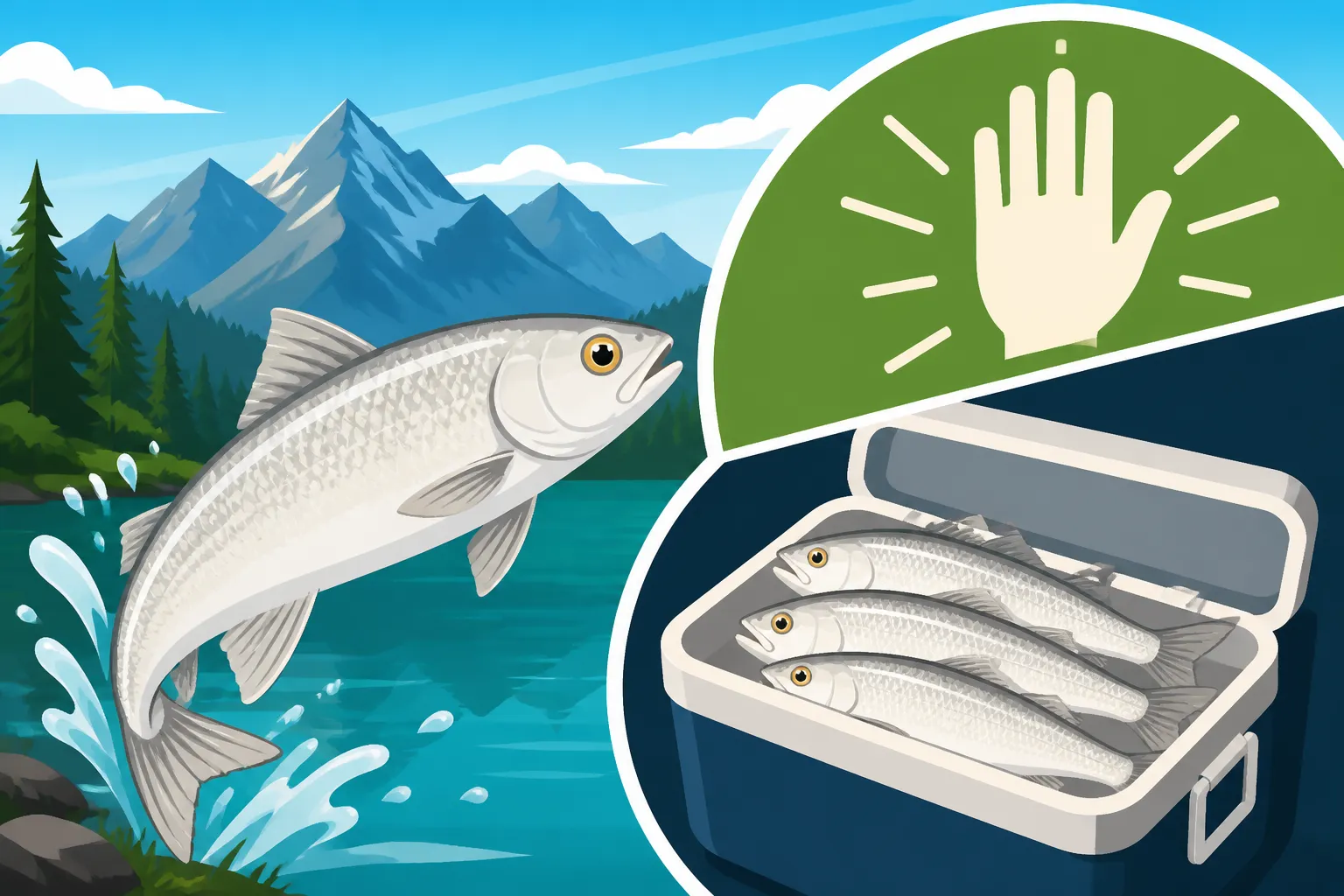
Wet your hands before touching the fish; dry hands can remove the fish’s protective slime coat, leaving it vulnerable to infection. If the fish is deeply hooked, don't try to rip the hook out. Instead, use a pair of long-nose pliers or a hook remover—tools readily available on Amazon—to carefully back out the hook. If the hook is too deep to remove without causing significant damage, it's often better to cut the line as close to the hook as possible. Barbless hooks, which are sometimes mandated in "Alberta Barbless Hook Requirement Waters", also make for much easier and less damaging unhooking. Support the fish gently in the water, allowing it to recover and swim away on its own power, rather than tossing it back. These small actions make a huge difference in post-release survival rates, aligning with the spirit of conservation that dictates all "Alberta Bag and Possession Limits by Species".
Ethical Harvest and Respecting Limits
When you do choose to harvest lake whitefish within the legal limits, do so ethically and with respect for the resource. The limits are set for a reason: to ensure sustainable populations. It’s not a challenge to catch as many as you can, but rather a guideline for what the fishery can reasonably sustain. Over-harvesting, even if you manage to avoid detection, hurts the entire resource. Always double-check your count, especially if you're fishing with multiple people, to ensure you don't accidentally exceed the group's collective limit.
If you encounter others who are clearly breaking the rules, whether it's exceeding the limit or fishing in "Alberta Catch and Release Only Waters", it's important to report it to the Report A Poacher line. Protecting our fisheries requires the vigilance of all anglers. Ultimately, ethical harvest is about valuing the resource, understanding its limits, and ensuring that there are plenty of fish for everyone to enjoy, both now and in the future.
Proper Handling and Storage of Harvested Fish
For the lake whitefish you decide to keep, proper handling is crucial for ensuring the best possible table fare. The quality of your catch starts to degrade the moment it's out of the water, so prompt and correct handling is essential. The quickest way to ensure good quality meat is to bleed the fish immediately after catching it. A quick cut to the gills or artery just behind the head allows the blood to drain, resulting in whiter, milder-tasting fillets.
After bleeding, get your fish onto ice as quickly as possible. A quality cooler with plenty of ice, easily found on Amazon, is your best friend here. Don't just toss them into a warm bucket; rapid cooling prevents bacterial growth and preserves the texture and flavor of the meat. When transporting your fish, be mindful of "Alberta Fishing Regulations Explained" regarding identification. Often, fish need to be kept in a state where their species, size, and number can be readily determined by a Fish and Wildlife Officer. This usually means keeping them whole until you get home, unless specific regulations allow for filleting on the water, which is often not the case for regulated species. Having a durable fillet knife, often reviewed highly on Amazon, can make preparing your catch much easier and safer once you’re back home.
Disclaimer
The information provided in this guide is for general informational purposes only and is based on typical regulations in Alberta. Fishing regulations, including bag and possession limits for lake whitefish, can change frequently and vary significantly by fishing zone and specific waterbody. It is the angler's sole responsibility to consult the most current official Alberta Guide to Sportfishing Regulations or the AlbertaRELM app before each fishing trip to ensure compliance with all applicable laws. Failure to do so may result in penalties.