Alberta Arctic grayling limit
It can feel incredibly daunting to plan a fishing trip in Alberta, especially when you're targeting a sensitive species like Arctic grayling, and you're not entirely sure what the current regulations and limits are. The rules can be specific, sometimes even changing from one river section to the next, leaving anglers worried about accidentally breaking the law. This comprehensive guide will walk you through everything you need to know about the Arctic grayling limit in Alberta, helping you fish responsibly and enjoy your time on the water.
Understanding Arctic Grayling in Alberta
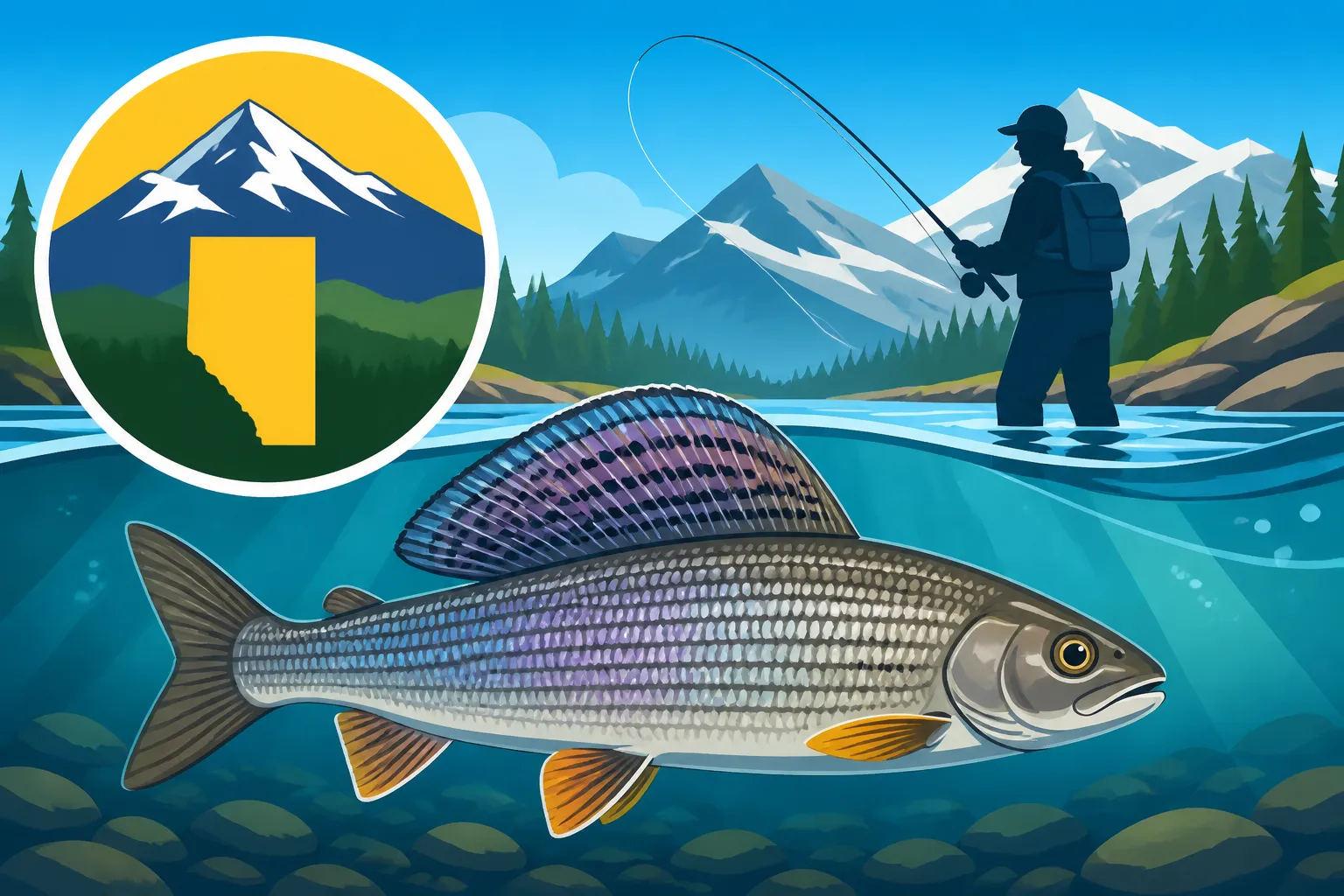
Arctic grayling are truly magnificent fish, a gem of Alberta's cold, clear northern waters. Their vibrant, sail-like dorsal fin, speckled with iridescent colours, makes them one of the most identifiable and sought-after species for many anglers. But beyond their beauty, there's a delicate balance to their existence that makes understanding their limits and conservation crucial.
Why Arctic Grayling Are Special and Sensitive
These fish are more than just a pretty catch; they are an indicator species, thriving only in pristine, cold, oxygen-rich waters. This makes them incredibly vulnerable to environmental changes like habitat degradation, water pollution, and rising water temperatures. Their slow growth rate and relatively short lifespan compared to some other game fish mean that overfishing, even at what might seem like a small scale, can have a devastating and long-lasting impact on their populations. Because of this sensitivity, provincial regulations are often very strict, leaning heavily towards catch-and-release practices to ensure these beautiful fish continue to grace our northern rivers for generations to come. Many dedicated conservationists and anglers work tirelessly to protect these fish, understanding their importance to the ecosystem. If you're keen to learn more about these fascinating fish, we have a detailed guide on What Arctic grayling look like and where they live.
Where You'll Find These Beautiful Fish in Alberta
While the Bow River might be famous for its trout, if you're chasing Arctic grayling, you'll need to head north. These fish are predominantly found in the northern reaches of Alberta, typically inhabiting major river systems that flow into the Arctic Ocean. Think about the Peace, Athabasca, and Hay River drainages, as well as their countless tributaries. These are the pristine, cold-water environments where Arctic grayling thrive. They prefer clear, relatively shallow streams with gravel bottoms for spawning and deeper pools with moderate currents for feeding and holding. Anglers often find success in remote, less-pressured areas where the water quality is impeccable. Exploring these wild, untamed regions is part of the allure of targeting grayling. For a deeper dive into their habitat, check out Where Arctic grayling are found in Alberta. Many of these northern rivers are considered some of the Best Fishing Rivers in Alberta.
The Alberta Arctic Grayling Limit Explained
Navigating fishing regulations can sometimes feel like deciphering an ancient text, but when it comes to Arctic grayling, the message from Alberta Environment and Protected Areas is quite clear: conservation is paramount. Understanding these rules is not just about avoiding a penalty; it's about protecting a fragile species.
Navigating the General Regulations
For the vast majority of waters in Alberta, the general regulation for Arctic grayling is a zero possession limit. This means that if you catch an Arctic grayling, you must immediately release it unharmed. This isn't just a suggestion; it's a mandatory rule designed to give these vulnerable populations the best chance at recovery and sustainability. This general rule applies unless explicitly stated otherwise for specific water bodies within the Alberta Guide to Sportfishing Regulations. It's a critical distinction to grasp: just because a river is open to fishing doesn't mean you can keep every species you catch. For Arctic grayling, the default is always catch and release. Familiarizing yourself with the Alberta Fishing Regulations Explained is a must for any angler, and you should always be Reading the Alberta Guide to Sportfishing Regulations before heading out.
Zone-Specific and Special Regulation Waters
While the province-wide general rule for Arctic grayling is zero possession, it's absolutely crucial to remember that Alberta's fishing regulations are highly nuanced and often zone-specific. Different management zones, and even particular sections of rivers or specific lakes, can have unique rules that supersede the general provincial guidelines. However, for Arctic grayling, these "special regulations" almost universally reinforce the zero possession limit, or in some rare cases, might completely close specific areas to grayling fishing entirely to protect spawning grounds or critical habitats.
It's not uncommon for specific northern rivers to have special regulations that might include a specific fishing season length or a "closed" status for grayling during certain times of the year, particularly during spawning periods. For example, a river known for grayling might be catch-and-release only for the entire open season, or it might be closed entirely from April to June to protect spawning fish.
Always, and I mean always, check the most current Alberta Guide to Sportfishing Regulations for the specific water body you plan to fish. You can’t just assume the general rule applies without verification. Ignoring these details can lead to fines and loss of fishing privileges. These details are often listed under the "Specific Water Body Regulations" sections within each management zone in the guide. Understanding Alberta Zone-Specific Season Dates, Explained is vital, especially when targeting a species with such tight restrictions. These specific regulations are put in place because the health of grayling populations can vary significantly even between nearby river systems. The concept of Alberta Catch and Release Only Waters is almost synonymous with Arctic grayling fishing in Alberta.
Here’s a quick summary table to illustrate the typical grayling limits:
| Water Body/Regulation Type | Possession Limit | Notes |
|---|---|---|
| Most Alberta Waters (General Regulation) | Zero (Catch & Release Only) | Mandatory immediate release of all Arctic grayling. |
| Special Regulation Waters (Specific Rivers/Lakes) | Zero (Catch & Release Only) | May also include specific season dates or closures to protect spawning. Always verify. |
| Waters with Unique Exceptions | Varies (Extremely Rare for Grayling) | Such exceptions are highly unusual for Arctic grayling and would be explicitly detailed in the regulations. |
Practical Tips for Responsible Arctic Grayling Angling
Since Arctic grayling fishing in Alberta is almost entirely a catch-and-release endeavor, your approach to angling needs to be geared towards minimizing stress and harm to the fish. This isn't just good sportsmanship; it's crucial for the survival of the species and often a regulatory requirement.
Best Practices for Catch and Release
To ensure the highest survival rate for the grayling you catch, several practices are essential. Firstly, use appropriate gear. Light to medium-light action rods with matching reels and lines are usually sufficient. Avoid overly heavy tackle that might exhaust the fish too quickly, making it more susceptible to post-release mortality. When the fish is hooked, land it as quickly as possible without "playing" it to exhaustion.
Once landed, keep the fish in the water as much as you can. Remove the hook gently and swiftly. Barbless hooks are not only highly recommended but are mandatory in many Alberta Barbless Hook Requirement Waters and should be your go-to for grayling. They cause less damage and are easier to remove. If you must handle the fish, wet your hands thoroughly beforehand to avoid removing the protective slime coat, which is vital for the fish's health and disease resistance. Support the fish horizontally, never vertically by the jaw or gills.
Consider using a knotless, rubberized landing net, as these are much gentler on the fish's delicate fins and scales than traditional string nets. Take photos quickly, if at all, and release the fish gently, allowing it to swim away on its own power. Sometimes, a grayling might need a moment to recover in the current, gently holding it upright until it kicks strongly.
Essential Gear for Ethical Grayling Fishing
Having the right equipment makes a huge difference in both your fishing experience and the well-being of the fish. As mentioned, barbless hooks are non-negotiable for grayling, often a legal requirement. You can find a wide variety of these online, on platforms like Amazon, ensuring you're compliant and ready for ethical angling.
Beyond hooks, consider your line. Fluorocarbon leaders are excellent for clear, northern waters as they are virtually invisible, which can be a huge advantage when targeting wary grayling. They also offer good abrasion resistance against submerged rocks and logs. A good pair of fishing pliers or hemostats (forceps) is invaluable for quick and safe hook removal, especially when dealing with smaller hooks or deep-set ones.
Your rod and reel choice should match the size of grayling you expect to encounter. Typically, ultralight to light spinning setups or a 3 to 5 weight fly rod are perfect for grayling, offering a fun fight while still being sensitive enough to detect subtle bites. These lighter setups allow for delicate presentations, which grayling often prefer. Don't forget a soft, rubberized Best Landing Net for Trout or grayling to cradle your catch gently. A good pair of polarized sunglasses will help you spot fish and underwater structure, aiding in both your success and your ability to avoid harming the fish by casting into obstructions.
Consequences of Exceeding Arctic Grayling Limits
It's easy to think that bending the rules slightly won't hurt, especially when you're out in the vast Alberta wilderness. However, exceeding the legal limits for any species, particularly sensitive ones like Arctic grayling, carries significant consequences. These regulations are not arbitrary; they are the result of extensive biological research and are designed to protect and conserve fish populations.
Firstly, the immediate consequence if you're caught breaking the rules can be substantial fines. Alberta's fisheries enforcement officers are out there, patrolling rivers and lakes, and they take violations very seriously. Depending on the severity of the offense, fines can range from hundreds to thousands of dollars. Imagine being on a dream fishing trip and having it abruptly ended by a hefty penalty that far outweighs the value of a fish. For more general information about penalties, you can look into Fishing Without a License in Alberta: Penalties, though grayling limit violations have their own specific set of consequences.
Beyond financial penalties, you could also face a suspension of your fishing license, meaning you wouldn't be able to fish in Alberta, or even elsewhere in Canada, for a specified period. In more severe cases, fishing equipment, including rods, reels, and even boats, can be seized. A conviction can also lead to a criminal record, which can impact various aspects of your life.
More importantly, every fish illegally harvested, especially a fragile species like the Arctic grayling, contributes directly to the decline of the population. These small actions accumulate, putting immense pressure on species already struggling. Responsible angling is about understanding your impact and making choices that ensure future generations can also experience the thrill of catching these incredible fish. It’s a privilege to fish in Alberta's beautiful waters, and with that privilege comes the responsibility to adhere to the rules that protect its natural resources.
Disclaimer
The information provided in this guide is for general informational purposes only and is not a substitute for the official Alberta Guide to Sportfishing Regulations. Regulations can change annually or even mid-season. Always consult the most current official guide published by Alberta Environment and Protected Areas before heading out to fish. Non-compliance with fishing regulations can result in significant penalties.