Alberta ice fishing season dates
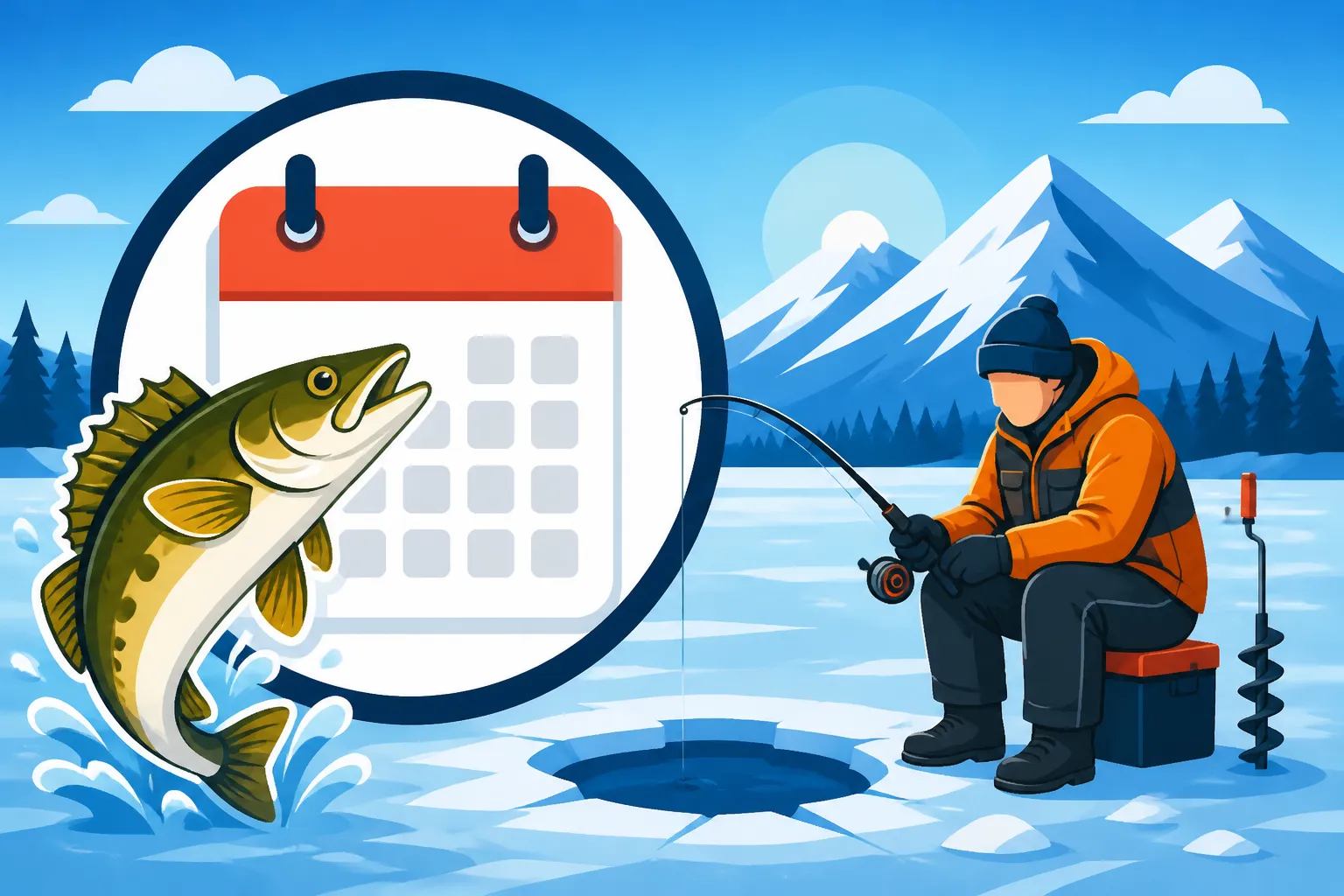
There's a unique thrill that comes with ice fishing in Alberta, but one of the biggest headaches can be figuring out exactly when you can safely and legally drop a line. Unlike the clear-cut opening day for open water, ice fishing season dates in Alberta are much more nuanced, leaving many anglers scratching their heads about specific timings. This guide will walk you through understanding these dates, where to find crucial information, and what factors truly dictate when it's time to hit the hard water.
The General Ice Fishing Season in Alberta
When it comes to ice fishing in Alberta, there isn't a single, province-wide "start" or "end" date like you might find for general fishing seasons. This often catches new anglers off guard, expecting a specific calendar entry. Instead, the ice fishing season is primarily dictated by ice formation and safety, alongside the existing, year-round or seasonal regulations for individual waterbodies and species.
Understanding the Factors Influencing Season Starts and Ends
The true beginning of ice fishing season is a natural event, not a regulatory one. It's all about the ice. As temperatures consistently drop below freezing in late fall, usually starting in November in more northern or higher elevation areas and extending into December for southern lakes, ice begins to form. Early season excitement often leads anglers out prematurely, which can be incredibly dangerous.
The season usually kicks off in earnest once lakes and ponds have developed a stable, safe layer of ice. This can vary wildly from year to year, and even from lake to lake within the same region. A particularly warm November or December can delay the start, while a sustained cold snap can bring it on quickly. Similarly, the end of the season in March or April is also ice-dependent. As spring approaches, rising temperatures and increased sun exposure begin to degrade the ice, making it unsafe long before any official "closing" date. Many seasoned anglers will tell you that the best advice is always to prioritize safety over eagerness.
General Open Water Regulations Versus Ice Fishing Conditions
It's crucial to understand that while ice conditions dictate when you can physically go ice fishing, the legal "season" for specific species or waterbodies still adheres to the rules outlined in the Alberta Guide to Sportfishing Regulations. For many lakes in Alberta, if a particular species (like Northern Pike or Yellow Perch) has a year-round open season with a specific daily limit, and there's safe ice, you can fish for them through the ice.
However, some waters or zones have specific seasonal closures, even during winter months. For example, a particular lake might be closed to fishing from October 1st to May 1st, meaning no ice fishing is permitted during that period, regardless of ice thickness. These regulations are designed to protect spawning fish or sensitive populations. This is why simply having ice doesn't automatically mean you can fish. Always double-check the specific regulations for your chosen lake or river.
Navigating Zone-Specific and Waterbody Rules for Ice Fishing
Alberta is a vast province, and its fishing regulations are as diverse as its landscapes. What applies to a lake in the Rockies won't necessarily apply to a prairie reservoir or a northern wilderness lake. This is especially true when it comes to ice fishing season dates, which are intrinsically tied to the specific regulations of each waterbody and fishing zone.
The Importance of the Alberta Guide to Sportfishing Regulations
Your absolute bible for all fishing in Alberta, including ice fishing, is the annual Alberta Guide to Sportfishing Regulations. This comprehensive document, produced by Alberta Environment and Protected Areas, details every rule, limit, and season for every waterbody in the province. It's available online and at many tackle shops. You can't just guess; you must consult this guide.
The guide divides the province into various fishing zones, and within each zone, it lists individual lakes, rivers, and streams, often with their own unique rules. For instance, a popular lake might be open year-round for pike and perch, but have a closed season for walleye, or perhaps only allow walleye retention through a special draw. This is where you'll find details on when certain species are off-limits, which directly impacts your ice fishing opportunities. For a deep dive into how to interpret this document, check out our guide on Reading the Alberta Guide to Sportfishing Regulations. It's a lifesaver for avoiding fines!
Common Ice Fishing Season Dates for Popular Species and Waterbodies
While there's no universal "ice fishing season" opener, most popular ice fishing species follow general season trends, assuming safe ice conditions.
- Northern Pike and Yellow Perch: These species are often available year-round in many Alberta lakes. If a lake is open year-round, and the ice is safe, you're good to go. Lakes like Pigeon Lake, Lac La Biche, and Gull Lake are classic examples where pike and perch are targeted throughout the winter. Always check the specific limits for these species, as they can vary by lake and zone. For example, your Alberta Northern Pike Limit might be different than your Alberta Yellow Perch Limit.
- Walleye: Walleye fishing in Alberta is a bit more complex due to conservation efforts. Many productive walleye lakes (like Lesser Slave Lake or Wabamun Lake) have open seasons for walleye during the winter months, typically starting in December or January, but often under a "Special Harvest License" program or with very specific catch limits. It's critical to check the "Alberta Walleye Special Harvest Licence Program" details within the regulations, as it's a draw system for retention. Otherwise, many walleye waters are strictly catch-and-release during the ice season. Make sure you know your Alberta Walleye Limit by Zone if you plan on keeping fish.
- Lake Trout: Found in deeper, colder lakes, lake trout often have seasons that extend into the winter. Cold Lake is a prime example, offering fantastic lake trout ice fishing once the ice is solid. Again, specific dates and limits will be in the regulations. Our article on Alberta Lake Trout Limit on Cold Lake can give you more specific details.
- Burbot: These "freshwater cod" are winter specialists, and their season often aligns perfectly with ice fishing, particularly from late fall through early spring. They are incredibly active under the ice. See our guide on Alberta burbot limit for more info.
- Trout (Rainbow, Brown, Brook): Stocked trout ponds and lakes often have year-round seasons or seasons that extend well into the winter, making them excellent ice fishing destinations for families. Natural trout streams and rivers, especially those in the mountains, often have very specific winter closures to protect spawning fish or due to sensitive habitats. You can find more detailed information by exploring Alberta Zone-Specific Season Dates, Explained.
Example Scenario: Imagine you're keen to ice fish for walleye on a lake near Edmonton. You can't just assume it's open. You'd open the Alberta Guide to Sportfishing Regulations, navigate to the specific fishing zone (e.g., Central Zone), find your chosen lake (e.g., Lake Wabamun), and read its specific regulations. You might find it's open for walleye from December 1st to March 15th, but only for catch-and-release, or with a specific draw tag. Missing this crucial detail could lead to a hefty fine, as fishing without the correct license or during a closed season can result in severe penalties, as detailed in our post on Fishing Without a License in Alberta: Penalties.
Safety First: Ice Thickness and Your Fishing Plans
Knowing the legal season dates is only half the battle. The other, arguably more important, half is ensuring the ice is safe enough to support you, your gear, and any vehicles you might bring. No amount of legal "open season" makes unsafe ice acceptable.
Recommended Ice Thickness Guidelines
Mother Nature doesn't care about your fishing license; she cares about physics. Ice safety is paramount, and conditions can change rapidly. A cold snap followed by a chinook can make a lake safe one day and treacherous the next. Always err on the side of caution. Here are the generally accepted guidelines for safe ice thickness, but remember, these are minimums and assume clear, solid black ice. Slushy ice, ice over moving water, or ice with currents underneath it requires extra vigilance.
| Activity | Minimum Safe Ice Thickness (Clear, Hard Ice) | Important Notes |
|---|---|---|
| Single person on foot | 4 inches (10 cm) | Always carry ice picks and know how to self-rescue. |
| Groups walking, light gear | 6 inches (15 cm) | Spread out, avoid walking in single file. |
| Snowmobile or ATV | 8-12 inches (20-30 cm) | Heavier vehicles require thicker ice; always check local reports. |
| Light vehicle (car/small truck) | 12-15 inches (30-38 cm) | Extremely risky; conditions must be perfect. Never drive onto ice unless confirmed safe by local authorities. |
| Medium vehicle (truck/SUV) | 16+ inches (40+ cm) | Very rare to be recommended. High risk. |
This table provides a good starting point, but always remember: "If in doubt, don't go out." For a more comprehensive look at this vital topic, check out our guide on How thick ice needs to be to fish safely in Alberta.
Monitoring Local Conditions and Resources
You are solely responsible for checking ice conditions. Never rely on tracks or holes left by others. What was safe yesterday might not be safe today.
Here's how to stay informed:
- Check with Local Bait Shops: These are often the best sources of up-to-date, hyper-local ice reports. They rely on the fishing community and want to keep everyone safe.
- Online Forums and Social Media Groups: Many dedicated Alberta ice fishing groups share real-time conditions. Use these as a guide, but always verify with your own observations.
- Visual Inspection: Look for consistency in ice colour and texture. Avoid discoloured, slushy, or cracked areas. Listen for warning sounds – groans and bangs are normal, but loud cracks or rushing water sounds are red flags.
- Test the Ice: Use an ice auger or spud bar to check thickness as you venture out. Drill a hole near shore and frequently as you move.
Don't forget your safety gear! Even if the ice seems thick, a pair of ice picks around your neck, a whistle, and a throw rope can be lifesavers. You can find essential items like these, from robust augers to flotation suits, readily available on Amazon.
Planning Your Winter Angling Adventures
Once you've got a handle on the legal season dates for your target waterbody and confirmed that the ice is safe, it's time to get down to the exciting part: planning your trip! Alberta offers an incredible array of ice fishing experiences, from cozy sheltered huts to adventurous backcountry excursions.
Essential Gear and Preparations for Ice Fishing
Having the right gear makes all the difference for comfort, safety, and success on the ice. A common frustration for new ice anglers is showing up unprepared for the elements or not having the right tools for the job.
- Shelter: A portable ice fishing hut provides warmth and protection from the wind, making a long day on the ice much more enjoyable. From lightweight flip-overs to larger pop-up hubs, there are options for every budget and group size. Remember to register your ice hut if you plan to leave it out overnight, as detailed in Alberta ice fishing hut registration rules.
- Auger: You'll need a way to drill holes through the ice. Manual augers work for thinner ice, but a power auger (gas, propane, or electric) is a godsend for thicker ice or drilling many holes.
- Rods and Reels: Specialized ice fishing rods are shorter and more sensitive. Pair them with small spinning reels spooled with cold-weather line.
- Electronics: A portable fish finder (flasher or sonar unit) is invaluable for locating fish and understanding bottom structure. Many anglers swear by them for increasing their catch rates. Models like the Garmin Striker or Humminbird Helix are popular choices and can often be purchased from Amazon.
- Warm Clothing: Layers are key! Insulated boots, thermal socks, warm gloves, a good winter jacket, and insulated pants are non-negotiable.
- Safety Gear: Ice picks, a rope, and a first-aid kit are essential.
- Bait and Lures: The specific bait and lures will depend on your target species. Minnows, maggots, and wax worms are popular natural baits, while small jigs, spoons, and soft plastics work wonders.
For a comprehensive checklist of what you'll need, dive into our Best Ice Fishing Gear for Alberta guide.
Finding the Best Winter Spots
Once you're geared up and aware of the regulations, the next step is finding where the fish are biting! Alberta is blessed with numerous lakes that turn into winter playgrounds.
- Popular Lakes: Lesser Slave Lake is renowned for its walleye and pike. Cold Lake is a legendary spot for lake trout. Pigeon Lake, Gull Lake, and Lac La Biche are excellent for pike and perch.
- Stocked Ponds: Many smaller, stocked ponds across the province offer fantastic opportunities for rainbow trout through the ice, especially for beginners and families. These are often easier to access and have consistent action.
- Local Knowledge: Again, local bait shops are goldmines of information on current hotspots and what's working. Don't be shy to ask.
- Online Resources: Websites like MyWildAlberta often have updates on stocking reports and conditions, though always cross-reference with actual ice conditions.
To help you pinpoint your next ice fishing adventure, take a look at our extensive guide on the Best Ice Fishing Lakes in Alberta. Remember, the Alberta fishing license is a must, no matter where or when you decide to fish. You can find comprehensive information on how to get yours in our Alberta Fishing License Guide for 2026.
Ice fishing in Alberta is a truly magical experience, offering tranquility and exciting catches in a unique winter setting. By understanding the fluid nature of "season dates," diligently checking regulations, and prioritizing ice safety, you'll be well on your way to a successful and memorable winter on the hard water. Just remember to pack your common sense alongside your tackle box, and you're set for an amazing time.
Disclaimer
The information provided in this guide is for general informational purposes only and does not constitute legal advice. Fishing regulations in Alberta are subject to change, and it is the responsibility of each angler to consult the most current Alberta Guide to Sportfishing Regulations before fishing. Always prioritize safety on the ice and adhere to all local guidelines and warnings.