Alberta night fishing restrictions
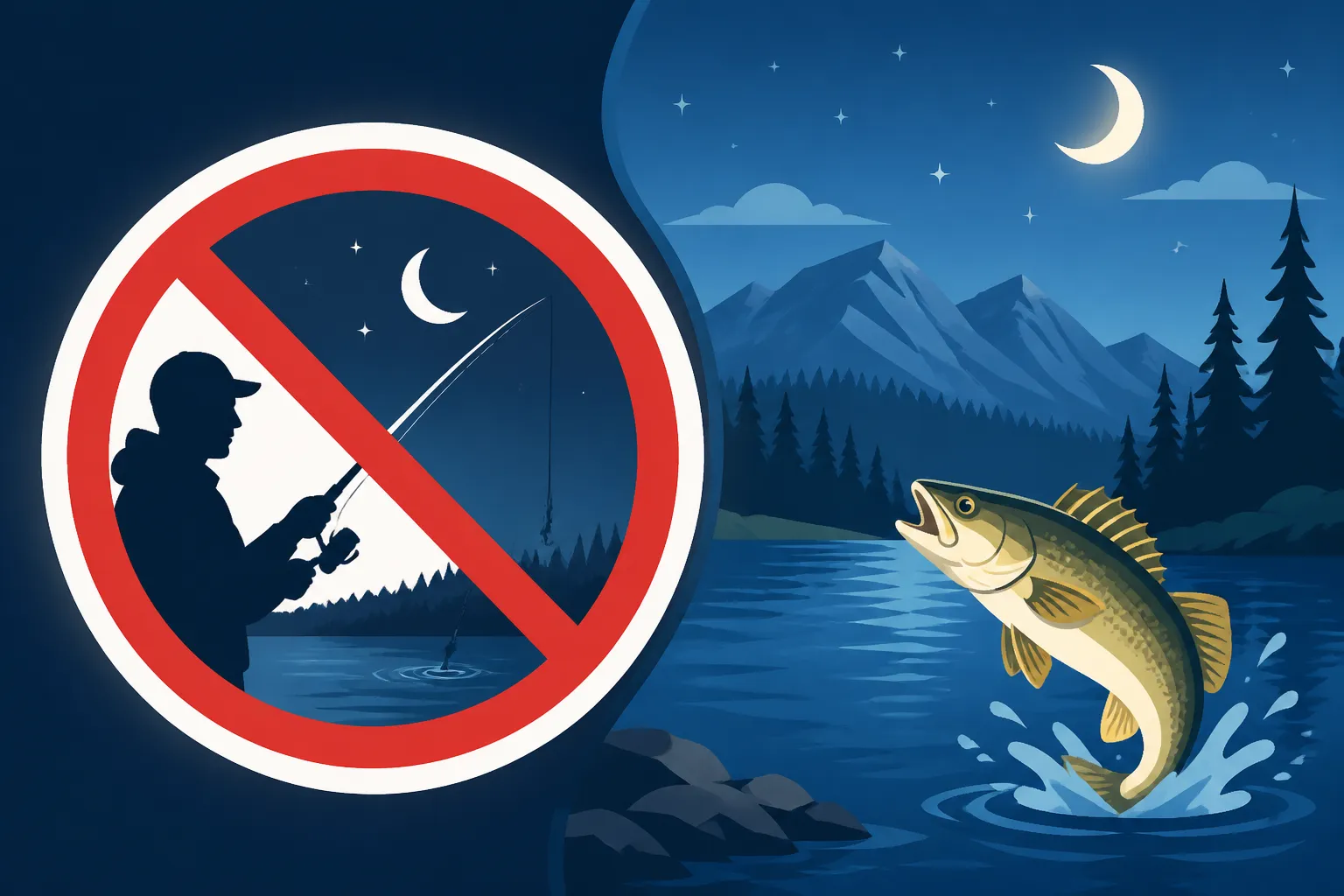
It's late, the air is crisp, and the lake is glassy smooth. You're probably thinking, "This is the perfect time for some quiet fishing," right? But then the nagging question pops into your head: "Can I even fish here at night in Alberta, or am I going to end up with a ticket?" It's a valid concern, and navigating the nuances of Alberta's fishing regulations around night angling can feel like trying to land a lunker with a string and a bent nail. This guide is here to shed some light on those dark water rules, helping you understand where you can legally cast a line after sunset and what you need to know to stay safe and compliant.
Understanding the General Rules for Night Fishing in Alberta
One of the biggest misconceptions out there is that night fishing is universally banned across Alberta. It’s an easy assumption to make, especially when you hear about time restrictions in other regions or for certain activities. However, the reality is a bit more nuanced, and it’s critical to dig into the specifics rather than relying on hearsay.
No Universal Ban, But Caveats Exist
The good news for many keen anglers is that Alberta doesn't have a blanket, province-wide prohibition on night fishing. This means that, in many areas, if you want to set up your gear under the stars, you're generally allowed to do so. This freedom can be a huge bonus, especially for species that become more active as the sun dips below the horizon, like walleye or burbot, or for those peaceful moments when the crowds have gone home. However, this general allowance comes with some significant "buts." The Alberta Guide to Sportfishing Regulations is the ultimate authority, and it’s here that you’ll find the specific exceptions that often trip people up.
For instance, while you might be allowed to fish, there could be other rules in play that impact your night activities. These could include restrictions on using certain types of gear, the methods you employ, or even where you can access the water during non-daylight hours. It’s never just about the act of fishing; it’s about the whole experience and how it interacts with the broader regulatory framework. Always remember that the absence of a specific ban on night fishing doesn't equate to a complete lack of rules governing your presence and activities by the water after dark.
Defining "Night" in Fishing Regulations
You might wonder how "night" is even defined in the context of fishing regulations. Is it when the sun technically sets? When it's completely dark? The Alberta regulations typically refer to "daylight hours" for certain activities or closures, which implies that outside of those hours is "night." For example, some regulations might state that certain fishing methods or activities are only permitted from "one hour before sunrise to one hour after sunset." If such a specific time frame isn't mentioned for a particular water body or species, then the general assumption is that fishing is permitted beyond those daylight hours.
However, these definitions can also pop up in unexpected places. For example, specific park regulations might define visitor hours, and being present in certain areas outside those hours could lead to fines, even if you’re "just fishing." It's not always about the fish; it's about the location's broader rules. Understanding how the regulations implicitly or explicitly define these timeframes is essential. It's not always a clear-cut "yes" or "no" for night fishing; sometimes, it's about understanding the context of other rules that influence when and where you can be.
Specific Water Bodies and Zones with Restrictions
While the general rule in Alberta leans towards allowing night fishing, it’s crucial to understand that many popular and sensitive areas have very specific restrictions. Ignoring these can not only lead to hefty fines but also harm delicate ecosystems. This is where most anglers run into trouble, assuming that a general rule applies everywhere.
National Parks and Protected Areas
This is perhaps the biggest area of confusion and strict enforcement. If you're planning a trip to one of Alberta's stunning National Parks like Banff, Jasper, or Waterton Lakes National Park, you need to be acutely aware that the rules are often much stricter. These parks operate under federal regulations, which often differ significantly from provincial ones.
- Banff National Park: Fishing in Banff National Park Fishing Guide is usually restricted to specific times of day. For example, many waters within Banff have explicit regulations stating that fishing is permitted only between sunrise and sunset. This is to minimize disturbance to wildlife, protect sensitive fish populations, and manage visitor safety in remote areas. Access to certain backcountry lakes or rivers might be closed entirely during certain seasons or after dark.
- Jasper National Park: Similar to Banff, Jasper National Park Fishing Guide has stringent rules. Angling after dark is generally prohibited in most, if not all, waters within the park boundaries. These rules are in place to ensure the preservation of the natural environment and the safety of both visitors and wildlife.
- Waterton Lakes National Park: In Waterton Lakes National Park Fishing Guide, you'll find similar federal regulations that often limit fishing to daylight hours. The delicate ecosystems and critical wildlife corridors in these parks necessitate these precautions.
The rationale behind these restrictions in National Parks often goes beyond just fishing. It’s about minimizing human-wildlife conflict, protecting vulnerable species (like the Bull Trout, which has a Bull Trout: Alberta's Threatened Native Fish status), and ensuring the overall ecological integrity of these protected landscapes. Before casting a line in any National Park, always consult the specific park’s fishing regulations, which are usually available at visitor centers or on the Parks Canada website.
Provincial Parks and Special Regulation Waters
Beyond the National Parks, various Provincial Parks and specific water bodies across Alberta can also have their own distinct night fishing regulations. These are often outlined in the "Site-Specific Regulations" section of the Alberta Guide to Sportfishing Regulations.
- Provincial Parks: Many provincial parks have designated camping areas, day-use areas, and specific operating hours. While the water itself might not be explicitly closed to night fishing, being in a day-use area after hours could be an infraction. For example, a park might close its gates at 11 PM, and any vehicle or person remaining inside could be trespassing. Always check the park's specific rules and operating hours, not just the fishing regulations, to avoid issues.
- Special Regulation Waters: Alberta has numerous Special Regulation Waters that have unique rules for various reasons – protecting threatened species, managing high-pressure fisheries, or maintaining ecological balance. These could include specific rivers or lakes known for their trophy trout or sensitive fish populations. While not common, it's possible that some of these waters might have specific time-of-day restrictions for angling. An example might be a "catch-and-release only" section that also has a "no fishing after dark" rule to reduce stress on fish during low light conditions or to prevent illegal harvesting under cover of darkness. It's your responsibility to read Reading the Alberta Guide to Sportfishing Regulations carefully, looking for specific call-outs for your chosen fishing spot. You can even use the Alberta Fishing Regulations App and Zone Lookup, Explained on your phone to quickly check.
Private Property and Municipal Bylaws
It's not just provincial and federal regulations you need to consider. Sometimes, local rules or private property laws can impact your night fishing plans.
- Private Property: If a body of water is entirely on private land, you need the landowner's permission to access it, regardless of the time of day. Fishing from the shore of a lake that borders private property without permission, especially at night, can lead to charges of trespassing. Even if you're on a boat, launching from private property without permission is an issue.
- Municipal Bylaws: Some municipalities might have bylaws restricting activities in public parks or along urban riverbanks after certain hours. While these might not explicitly ban "fishing," they could prohibit "being in the park" or "loitering" after hours, which would effectively prevent night fishing in those locations. For instance, fishing the Bow River near Calgary is fantastic, but accessing it through city parks at night could run afoul of city bylaws, even if the provincial fishing rules allow it. Always check local signs and city websites.
Here's a quick summary table to help you distinguish between general allowances and common restrictions:
| Location Type | General Night Fishing Rule | Common Restrictions/Considerations |
|---|---|---|
| Most Provincial Waters | Generally Allowed | Check Alberta Guide to Sportfishing Regulations for site-specific rules, access points. |
| National Parks | Generally NOT Allowed | Strict sunrise-to-sunset rules common. Check specific park regulations (e.g., Banff, Jasper). |
| Provincial Parks | Varies | Park operating hours may restrict access; check park rules for specific closures. |
| Special Regulation Waters | Varies | Consult Alberta Guide to Sportfishing Regulations for specific time-of-day rules (rare but possible). |
| Private Property | Requires Permission | Always need landowner's explicit permission for access, regardless of time. |
| Municipal Areas (Urban) | Varies | Check local bylaws for park closures or activity restrictions after dark. |
Essential Considerations for Legal and Safe Night Fishing
So, you've checked the regulations, and it looks like your chosen spot allows night fishing. Fantastic! But the game changes dramatically when the sun goes down. Safety and responsible angling become even more paramount.
Safety First: Gear and Precautions
Fishing in the dark carries inherent risks that aren't present during daylight hours. Preparing properly is not just about comfort; it's about survival and avoiding accidents.
- Visibility and Lighting: This is non-negotiable. You absolutely need reliable light sources. A good headlamp is a must, allowing you to keep your hands free for tying knots, baiting hooks, or unhooking fish. Consider bringing a backup headlamp or a powerful lantern for your general area, especially if you're shore fishing from a fixed spot. Many anglers find products from brands available on Amazon to be reliable for this purpose. Always choose lights with multiple settings, including a red light option, which helps preserve your night vision and is less disruptive to wildlife and other anglers.
- Navigation: Familiarize yourself with the area during the day. What looks like a clear path during the day can become a treacherous obstacle course at night. Know your entry and exit points, watch for steep banks, slippery rocks, or uneven terrain. If you're boating, ensure your boat lights are working, and have a reliable GPS or chart plotter. Understanding Alberta Boating Laws for Anglers and Life Jacket Requirements for Alberta Boaters is even more critical at night, as rescue can be significantly more challenging.
- Wildlife Awareness: Alberta is home to a lot of wildlife, and many animals are more active after dark. Bears, cougars, and coyotes are just a few of the creatures you might encounter. Make noise, carry bear spray, and know how to use it. Store food securely and away from your fishing spot. Being aware of your surroundings is crucial.
- Buddy System: Whenever possible, don't fish alone at night. Having a companion can be a lifesaver in an emergency. If you must go alone, inform someone of your plans, including your location and expected return time.
- Weather Conditions: Check the forecast religiously. Temperatures drop significantly at night, even in summer. Dress in layers, and be prepared for sudden changes in weather. Rain or wind can make an already challenging situation downright dangerous.
- First Aid and Emergency Gear: A well-stocked first-aid kit is essential. Include items for cuts, scrapes, insect bites, and any personal medications. Carry a fully charged cell phone, and if you're in a remote area, consider a satellite messenger device for emergencies.
Respecting the Environment and Other Users
Night fishing often brings a unique sense of solitude, but it's important to remember you're usually not the only one out there, and you're guests in a natural environment.
- Noise and Light Pollution: Keep your voice down, especially if you're near residential areas or other campers. Excessive light can be disruptive to other anglers, campers, and wildlife. Use your headlamp judiciously and turn off unnecessary lights.
- Leave No Trace: This rule is always important, but arguably even more so at night. It's easy to overlook a stray wrapper or a lost piece of line in the dark. Bring a garbage bag and double-check your area before you leave. Protect the delicate ecosystems you're enjoying.
- Wildlife Disturbance: While night fishing, you're entering the prime activity hours for many nocturnal animals. Keep a respectful distance, avoid disturbing nests or dens, and never feed wildlife. Your presence should have minimal impact on their natural routines.
Checking the Regulations: Your Best Friend
This cannot be stressed enough: the single most important thing you can do to ensure a legal and enjoyable night fishing trip is to consult the current regulations. The rules change. What was allowed last year might not be allowed this year. New Alberta Fishing Season Dates by Zone or special closures can come into effect.
- The Official Guide: Always refer to the most recent Alberta Guide to Sportfishing Regulations. This comprehensive document details everything from license requirements (like needing an Alberta Fishing License Guide for 2026) to species-specific rules and, most importantly for this topic, site-specific restrictions. Don't rely on old printed copies or anecdotal advice from friends.
- Online Resources and Apps: The Alberta government provides excellent online resources and a dedicated app. The Alberta Fishing Regulations App and Zone Lookup, Explained is an invaluable tool that allows you to quickly search regulations by water body, species, or zone right from your phone. This is particularly handy when you're on the go or exploring a new area.
- Local Knowledge: While official regulations are primary, local knowledge from reputable tackle shops or guides can offer practical insights into safe access points, common challenges, and specific unwritten rules of etiquette for particular fishing spots. Just make sure to cross-reference their advice with the official guide.
Ultimately, night fishing in Alberta offers a unique and often productive experience. But it demands extra vigilance, thorough preparation, and an unwavering commitment to understanding and respecting the rules. Tight lines, and stay safe out there!
Disclaimer
Please note that fishing regulations in Alberta are subject to change. While every effort has been made to provide accurate and up-to-date information, it is the angler's responsibility to consult the most current Alberta Guide to Sportfishing Regulations and any relevant local bylaws before heading out. This guide is for informational purposes only and should not be considered legal advice.