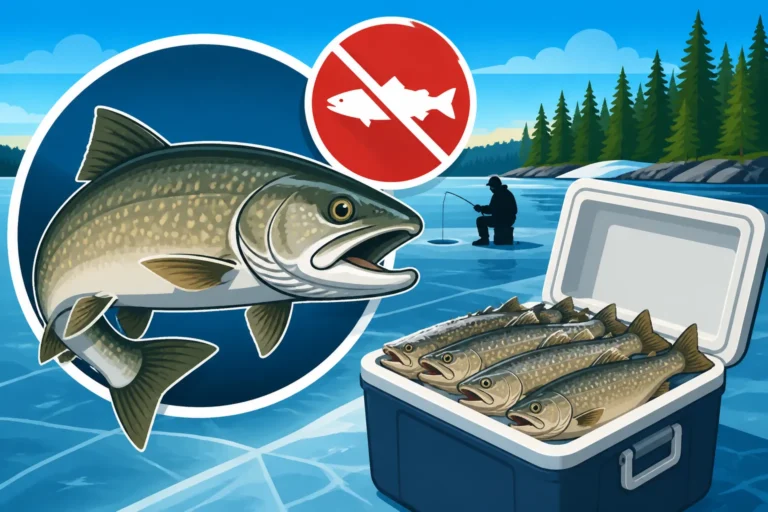
Alberta burbot limit
It can be incredibly confusing to figure out the specific regulations for every fish species in Alberta, especially for a unique bottom-dweller like burbot. You might hear different numbers from different anglers, or struggle to pinpoint the exact rules for your favourite fishing spot. This comprehensive guide will clear up all that uncertainty, detailing the burbot limits across Alberta and how to ensure you're always fishing within the law.
Navigating Alberta's Burbot Limits: The Essentials
Let's face it, keeping up with fishing regulations can feel like a full-time job. You want to enjoy your time on the ice or water, but you also want to be a responsible angler. When it comes to burbot, or "freshwater cod" as they're often called, understanding the provincial limits is crucial. These limits aren't just arbitrary numbers; they're carefully set to protect fish populations and ensure healthy fisheries for generations to come.
Understanding the General Rule for Burbot
For most waters in Alberta, the general provincial limit for burbot is 10 in your possession. This means that at any given time, whether you're actively fishing, heading home from the lake, or have fish stored in your freezer, the total number of burbot you have cannot exceed ten. It's a pretty generous limit compared to many other species, which reflects their robust populations in many of Alberta's larger lakes and rivers. However, this is just the general rule, and as any seasoned angler knows, "general" often comes with exceptions.
It’s vital to remember that "possession limit" isn't just about what's in your cooler on the way home. It encompasses all fish you have, whether fresh, frozen, smoked, or canned, that haven't been consumed. Imagine you had a great ice fishing trip last month and put six burbot in the freezer. If you head out again, you can only keep four more burbot before you hit your possession limit of ten. This system prevents anglers from stockpiling large quantities of fish over multiple trips, helping to distribute the harvest more evenly. For a broader overview of all species, you can consult our detailed article on Alberta Bag and Possession Limits by Species A proper understanding of this concept is fundamental to lawful angling.
Why Limits Matter for Conservation
You might wonder why we even need limits for a fish that seems so plentiful. The truth is, all fish populations, even abundant ones like burbot, are susceptible to overfishing if left unchecked. Burbot, while widespread, have certain behaviours that make them vulnerable, especially during winter when they are highly sought after by ice anglers. They are often found in predictable deep-water structures, making them easier to target en masse.
Conservation limits are designed to balance angler enjoyment with ecological sustainability. They help ensure that enough burbot reach maturity and reproduce, maintaining a healthy population structure. Without these regulations, certain lakes could quickly see their burbot numbers decline, impacting the entire aquatic ecosystem. This approach ties into the broader goal of Alberta Fishing Regulations Explained, which aims to manage all fish species responsibly. Every regulation, no matter how minor it seems, plays a part in the bigger picture of preserving Alberta's natural heritage. These limits aren't about restricting your fun; they're about protecting the resource for everyone, including future generations of anglers.
Deciphering the Alberta Guide to Sportfishing Regulations
The official rulebook for all things fishing in Alberta is the "Alberta Guide to Sportfishing Regulations." It's your best friend for avoiding fines and fishing legally. While the general burbot limit is ten, this guide will highlight specific waters where that limit might change, sometimes significantly.
Zone-Specific Regulations for Burbot
Alberta is divided into different fishing management zones, and each zone, or even individual lakes and rivers within those zones, can have unique regulations. This is where things get a bit more granular. You might find a lake in the Northern Boreal Zone that has a different burbot limit than a river in the Eastern Slopes. For instance, while most areas follow the general ten-fish limit, some specific water bodies might have a reduced daily limit, or even a catch-and-release only rule for burbot if their local population is deemed vulnerable.
To find the precise regulations for your planned fishing destination, you must consult the current year's Reading the Alberta Guide to Sportfishing Regulations. This guide is available online through the MyWildAlberta portal or in print at many fishing license vendors. You simply look up the water body you intend to fish, and it will list any special regulations for burbot, or confirm the general limit applies. Ignoring this step is one of the most common ways anglers inadvertently break the rules. Remember, ignorance of the law is no excuse, and wardens strictly enforce these zone-specific nuances. It's like checking the Alberta Fishing Season Dates by Zone; you wouldn't go out without knowing the season, so don't go out without knowing the specific limits either.
Daily Versus Possession: What's the Difference?
This is a common point of confusion for many anglers, and it's absolutely critical to understand, especially for species with generous limits like burbot.
- Daily Limit: This is the maximum number of a particular fish species you are allowed to catch and keep in one day, from midnight to midnight. If a lake has a daily limit of 5 burbot, you can only keep 5 burbot within that 24-hour period.
- Possession Limit: This is the total number of a particular fish species you are allowed to have at any given time, whether on your person, in your cooler, in your vehicle, at your campsite, or in your home freezer. As mentioned, for most of Alberta, this is 10 burbot.
Let's illustrate with an example: Imagine you're ice fishing on Lesser Slave Lake, which typically follows the general burbot limits. The daily limit would be 10, and the possession limit would also be 10. If you catch 10 burbot on Monday, you can't keep any more until Tuesday, and even then, if you still have Monday's catch in your freezer, you've already hit your possession limit. So, you'd need to consume some of your catch before you could legally keep more. Conversely, if a special regulation water had a daily limit of 2 burbot, but the possession limit was still 10, it would take you five separate fishing days, keeping two each day, to reach your possession limit. Always verify both the daily and possession limits for your specific body of water in the official regulations. This distinction is crucial for staying compliant with the law and for understanding your Alberta Bag and Possession Limits by Species.
Beyond the Limit: Responsible Angling Practices
While knowing the numbers is essential, being a responsible angler goes beyond just adhering to catch limits. It involves ethical practices that ensure the health and sustainability of our fisheries, especially when you encounter fish you can't or don't want to keep.
Catch and Release for Burbot
Burbot are incredibly resilient fish, especially in cold water. If you've reached your daily or possession limit, or if you're just targeting burbot for sport, practicing proper catch and release is paramount. Unlike some other species, burbot are known for their slime coat, which protects them from disease. Minimize handling by keeping the fish in the water as much as possible. If you must handle them, do so with wet hands or a wet net. Avoid squeezing their body, especially around the internal organs.
When releasing, ensure the fish is able to swim away strongly. If it seems sluggish, gently hold it upright in the water, facing into a mild current, until it regains its strength. Using a de-hooking tool can also minimize damage, especially if the fish has swallowed the hook. These simple steps significantly increase the burbot's chances of survival and contribute to the overall health of the fishery. Remember, even if a species is robust, every fish matters. You can find more comprehensive advice on sustainable practices in our guide to Burbot Fishing in Alberta.
Proper Transportation and Identification of Your Catch
Once you've decided to keep your legal limit of burbot, ensuring they are transported correctly is the next step. Alberta regulations stipulate that fish must be transported in a way that allows for easy identification of the species and count. This generally means keeping them whole or filleting them in a way that leaves a patch of skin attached to the fillet, clearly identifying the species. For burbot, this usually isn't an issue as their distinctive skin is hard to mistake.
However, if you're mixing your catch with other species, like walleye or pike, you need to be extra diligent. It's best practice to keep each species separate or clearly labelled. A cooler with plenty of ice is ideal for keeping your catch fresh and maintaining its quality for the table. Don't just toss them in a bucket of water; rapid cooling is key to preventing spoilage. When driving, ensure your fishing license and WIN Card are readily accessible, as wildlife officers often conduct checks, especially around popular fishing areas. These officers are checking to ensure you're compliant with your Alberta Fishing License Guide for 2026. You want your burbot to arrive home fresh and ready for cooking, not subject to a regulatory headache.
The Thrill of Chasing Alberta's Freshwater Cod
Beyond the regulations, burbot offer a unique and often rewarding fishing experience. They're not the flashiest fish, but they put up a good fight and are fantastic table fare. Knowing when and how to target them can make all the difference.
Prime Time and Techniques for Burbot Success
Burbot are primarily nocturnal and cold-water dwellers, making them a prime target for winter ice fishing. In fact, many anglers consider ice fishing the absolute best time to catch burbot in Alberta. As the ice thickens and temperatures drop, burbot become more active, moving into shallower feeding grounds in many lakes. This makes them accessible for anglers using portable shelters or even just fishing out in the open.
Effective techniques often involve jigging with glow-in-the-dark lures, tipped with bait like pieces of herring, smelt, or even shrimp. Burbot have an incredible sense of smell, and a good stinky bait can be irresistible. A common setup includes a medium-heavy rod, a sturdy reel, and line strong enough to handle a decent-sized fish from the depths. Many anglers use a portable fish finder to locate structure and identify burbot holding near the bottom. If you're looking to upgrade your gear, you can often find great deals on specialized burbot jigs and other ice fishing essentials on Amazon. For those really serious about their winter pursuit, diving into our guide on How to Catch Burbot Through the Ice is a must, as is our article on Jigging for Burbot Through the Ice. These guides cover everything from specific lures to the optimal depth and time of day.
Preparing Your Burbot Catch: A Culinary Delight
Burbot truly earn their nickname "poor man's lobster." The flesh is firm, white, and flaky, with a sweet, mild flavour that remarkably resembles lobster or scallops when cooked correctly. This makes them a highly prized catch for many Alberta anglers, providing an excellent culinary experience.
One of the most popular ways to prepare burbot is to cut the fillets into chunks, blanch them briefly in boiling water, then chill them. Served with melted butter and lemon, they are almost indistinguishable from lobster tail. They also bake, fry, or sauté beautifully. Some anglers even make delicious burbot chowder. Just like any fish, proper handling from the moment it's caught will ensure the best flavour. Bleeding the fish immediately and placing it on ice will significantly improve the texture and taste. Don't be shy about experimenting with different recipes; you'll be surprised at how versatile and delicious this often-underestimated fish can be. Make sure to check out our article on Burbot in Alberta Lakes for more details on where to find these delicious fish and general habits.
Summary Table: Typical Alberta Burbot Limits
To help you keep track, here's a general overview of burbot limits in Alberta. Always remember to consult the official Alberta Guide to Sportfishing Regulations for the most accurate and up-to-date information for your specific fishing location.
| Category | General Provincial Limit | Common Exceptions (Always Verify!) | Notes |
|---|---|---|---|
| Daily Limit | 10 | 0 (Catch & Release Only) | Maximum kept per day (midnight to midnight). |
| Possession Limit | 10 | Varies by specific water body | Total fish you can have at any time (fresh, frozen, etc.). |
| Season | Open Year-Round | Varies by specific water body | Burbot are generally open year-round, but check specific closures. |
| Size Restrictions | None | Varies by specific water body | No general size limits, but special regulations may apply. |
This table serves as a quick reference, but it cannot replace the official guide. Laws can change annually, so always get the current year's regulations. For example, if you're planning a trip, a quick check on MyWildAlberta or even picking up a physical copy is a must before you cast your line. Planning ahead ensures you're ready for Ice Fishing in Alberta with all the right knowledge. You can even find essential items like a portable ice hut or a quality bait bucket on Amazon, ensuring you're fully equipped for a successful and legal burbot adventure.
Disclaimer
The information provided in this guide is for general informational purposes only and does not constitute legal advice. Fishing regulations in Alberta are subject to change, and it is the responsibility of every angler to consult the most current official "Alberta Guide to Sportfishing Regulations" published by the Government of Alberta before engaging in any fishing activities. Compliance with all provincial and federal laws is mandatory.