Alberta Red Deer River fishing regulations
Figuring out fishing regulations can feel like trying to untangle a particularly stubborn bird's nest. You just want to enjoy a peaceful day on the water, but before you even cast a line, you're faced with a maze of rules, zones, and exceptions. This is especially true for a major waterway like Alberta's Red Deer River, which stretches through diverse landscapes, each with its own nuances. This comprehensive guide is here to cut through the confusion, helping you understand the specific fishing regulations for the Red Deer River so you can fish confidently and responsibly.
The Foundation: Your Alberta Fishing License and WIN Card
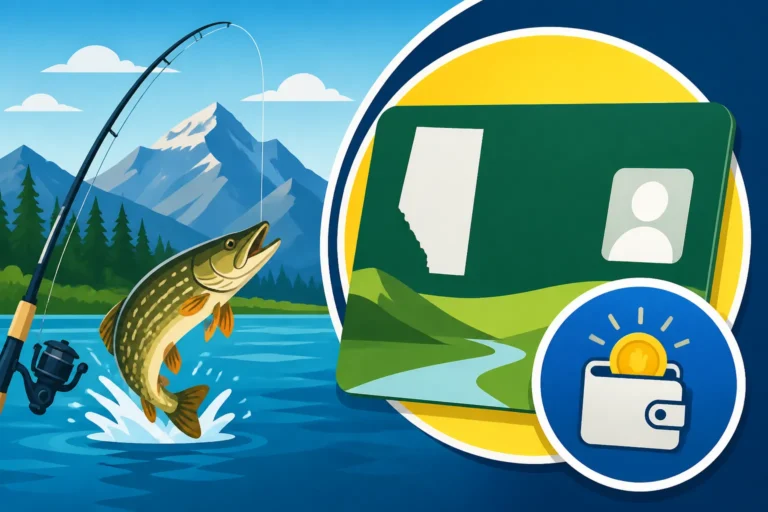
Before you even think about the specific rules for the Red Deer River, there are a couple of non-negotiable items every angler over the age of 16 (and under 65) needs: an Alberta fishing license and a Wildlife Identification Number (WIN) card. Trust me, it’s not as complicated as it sounds, but skipping these steps can lead to hefty fines, ruining your peaceful outing.
Getting Your Alberta Fishing License
Your fishing license is your golden ticket to legally fish in Alberta's abundant waters, including the Red Deer River. Think of it as your entry pass. You can't fish without one, and the cost varies depending on whether you're an Alberta resident, a non-resident Canadian, or an international visitor, and also the duration of the license (annual, 1-day, 7-day). The process is quite streamlined these days, often done online through the MyWildAlberta portal.
When you're looking to buy your license, make sure you're aware of the different types available. A common mistake is just grabbing any license without checking if it aligns with your residency status or planned fishing duration. For example, a non-resident angler visiting for a quick weekend trip might opt for an Alberta 1-Day Non-Resident Fishing License Cost rather than a full annual one. It’s all about finding the right fit for your angling adventure. Keep in mind that these licenses are generally valid from April 1st to March 31st of the following year, regardless of when you purchase them within that cycle.
Understanding the WIN Card Requirement
Ah, the WIN card. This little piece of plastic (or digital ID on your phone) is your unique identifier in Alberta's wildlife management system. It’s mandatory for anyone buying a fishing license, and it's essentially how the province keeps track of who's out there enjoying our natural resources. You only need to purchase a WIN card once, and it's valid for five years. After that, you just pay an Alberta WIN Card Activation Fee, Explained to renew it.
Many anglers initially wonder why they need two separate pieces of identification just to go fishing. The simplest explanation is that the WIN card establishes your identity within the system, making it easier to purchase licenses, apply for draws like the Walleye Special Harvest Licence, and track your history as a recreational user. It also helps the province manage wildlife and fisheries resources more effectively. So, while it might seem like an extra step, it serves a crucial purpose in supporting sustainable fishing practices. You can get your WIN card at the same time and place you purchase your fishing license, whether that's online or at a licensed vendor.
Diving Into Red Deer River Specific Regulations
Now, let's get down to the nitty-gritty of the Red Deer River itself. This isn't a small creek; it's a significant system, and as such, its regulations can vary depending on which stretch you're fishing. It's vital to know if you're in the headwaters, the prairie section, or near a reservoir, as the rules can change quite dramatically.
General Rules Across the Red Deer River System
Regardless of where you are on the Red Deer River, some fundamental provincial regulations always apply. These are usually outlined in the Alberta Guide to Sportfishing Regulations. For instance, most provincial waters, unless otherwise specified, prohibit fishing with more than one line. If you're planning a trip, make sure you've consulted Reading the Alberta Guide to Sportfishing Regulations to get a full overview.
The Red Deer River is home to a variety of popular sport fish, including Northern Pike, Walleye, Lake Whitefish, Burbot, and various trout species like Rainbow Trout, Brown Trout, and sometimes even Bull Trout in the upper reaches. Understanding the general provincial daily bag limits and possession limits is crucial. For example, while some lakes might have a more liberal pike limit, the Red Deer River might have specific, often stricter, limits or even catch-and-release sections for certain species to protect vulnerable populations. It’s also common to find bait bans or single barbless hook rules in designated trout waters, especially upstream. This means you need to be really careful about what you're rigging up on your line. You can find excellent barbless hooks on Amazon if you're stocking up!
Zone-Specific Regulations: Headwaters to Prairie Stretches
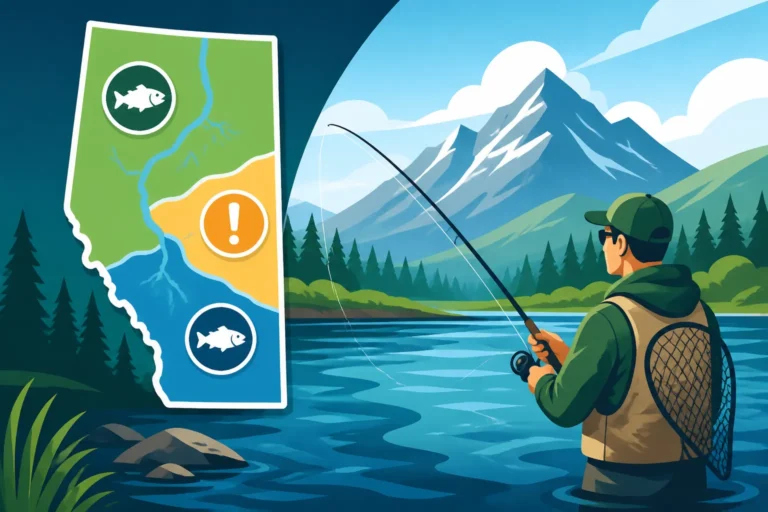
The Red Deer River is truly a tale of two rivers, or even three, when it comes to regulations. The upper stretches, closer to the mountains and foothills (think near Sundre and upstream), are often managed as trout streams. These areas frequently have more restrictive rules:
- Upper Red Deer River (Headwaters to Sundre area): Here, you're typically looking at special trout regulations. This often means catch-and-release only for specific trout species, potential bait bans, and a mandatory single barbless hook rule. This is because these colder, clearer waters are vital spawning and rearing grounds for native trout like Bull Trout and Cutthroat Trout, which are particularly sensitive. It's not uncommon to find areas designated as Alberta Catch and Release Only Waters to protect these vulnerable populations.
- Mid-Red Deer River (Sundre to Red Deer City): As the river transitions to more agricultural landscapes, the regulations might become a bit more mixed. You'll still find trout, but pike and walleye become more prevalent. It’s a transition zone where you might encounter regulations that allow for limited harvest of certain species, but still with careful consideration for trout populations. This section sees a lot of recreational use from the city of Red Deer, so pressure is higher.
- Lower Red Deer River (Red Deer City downstream to Saskatchewan border): In these warmer, slower-moving prairie sections, species like Walleye, Northern Pike, Lake Whitefish, and Burbot are the primary targets. Regulations here are often geared towards managing these populations, which might include specific size limits or daily bag limits for walleye and pike. For instance, the regulations around the Dickson Dam and Gleniffer Lake, which is a reservoir on the Red Deer River, will be particularly important for many anglers, often focusing on walleye and pike management.
It's absolutely critical to consult the most current Alberta Guide to Sportfishing Regulations, as these zone boundaries and their associated rules can change annually based on fisheries management goals. Don't rely on old information you found online from a few years back!
Essential Gear Considerations and Restrictions
Beyond the general license requirements, the Red Deer River has specific regulations that dictate what kind of gear you can use, especially in its headwaters and trout-heavy sections.
For example, many of the upper, colder water sections of the Red Deer River and its tributaries will be designated as "Bait Ban" waters, or require "single barbless hooks only." This means no live bait, no dead bait, and any lure you use must have its barbs pinched down flat. This rule is in place to minimize harm to fish, especially when practicing catch and release. A fish caught on a barbless hook is much easier to unhook and has a higher chance of survival. You can easily find tools to debard your hooks on Amazon, or look for barbless hooks specifically designed for fly fishing or conventional gear.
Another important point to remember for river fishing, generally, is the number of lines. In Alberta, you're usually limited to a single line per angler when fishing rivers unless specifically stated otherwise. Lakes might allow two lines, but rivers almost always stick to one to prevent overcrowding and entangled lines, especially in popular spots.
Species-Specific Limits and Seasons on the Red Deer River
Understanding which species you can target, when, and how many you can keep is fundamental to legal and responsible fishing on the Red Deer River. This is where the regulations get very specific.
Walleye, Pike, and Panfish Regulations
In the lower and mid-sections of the Red Deer River, Walleye and Northern Pike are highly sought after.
- Walleye: Regulations for walleye are often the most dynamic and complex in Alberta, and the Red Deer River is no exception. Walleye often have specific size limits (slot limits), daily bag limits, and a closed season during their spawning period (typically spring). For instance, there might be a rule allowing you to keep only one walleye, and it must fall within a specific size range (e.g., 43-55 cm). This helps protect both the young, fast-growing fish and the large, important breeding stock. Sometimes, there are special draw licenses, like the Alberta Walleye Special Harvest Licence Program, for certain areas or lakes that have healthy populations capable of sustaining additional harvest. Always check the current guide for the exact limits for the Red Deer River.
- Northern Pike: Pike are abundant throughout much of the Red Deer River. Their regulations are generally a bit more consistent than walleye, but still subject to specific limits. You'll often find a daily bag limit for pike, which might be higher than for walleye, but again, certain areas could have special rules. For example, some sections might have a "zero possession" limit for larger pike, encouraging anglers to release the "trophy" fish. Consult the guide for the current Alberta Northern Pike Limit on the Red Deer River.
- Panfish (Yellow Perch, etc.): Yellow Perch are common in the slower-moving sections and backwaters of the Red Deer River system. Panfish often have more generous daily limits, but they are still regulated. These smaller fish are a great target for families and beginners.
Trout and Whitefish Management in Upstream Sections
The Red Deer River's headwaters and upper tributaries are primarily managed for their trout and whitefish populations. This is where you need to be particularly mindful of conservation.
- Trout (Rainbow, Brown, Bull, Cutthroat): In the clear, cold waters upstream, you'll find various trout species. Rainbow Trout and Brown Trout are popular sport fish. However, Bull Trout and Westslope Cutthroat Trout are native, sensitive species, and they often fall under very strict protection. The rule for Bull Trout across Alberta is generally "zero possession," meaning if you catch one, you must release it immediately and safely. You'll want to review the Alberta Bull Trout Zero Possession Rule thoroughly before fishing upstream. Cutthroat Trout in some areas also have very strict catch-and-release rules or highly reduced limits. Season dates for trout streams are often specific, with some rivers opening later in the spring to protect spawning fish.
- Mountain Whitefish: These native fish are common in the upper and mid-sections of the Red Deer River. While often overlooked by anglers focused on trout, they provide excellent sport, especially in colder months. They usually have a generous daily bag limit, but it's always best to verify the current regulations for Alberta Mountain Whitefish Limit in the guide.
It cannot be stressed enough: always consult the current Alberta Guide to Sportfishing Regulations for the most up-to-date and exact numbers and dates. It's available online through MyWildAlberta, and often in print at sporting goods stores.
Best Practices for Ethical Angling and Conservation
Beyond simply following the letter of the law, ethical angling and conservation play a huge role in ensuring the Red Deer River remains a fantastic fishery for generations to come. It’s about being a good steward of the resource.
Safe Release Techniques and Handling
Many sections of the Red Deer River, especially those with sensitive trout populations, emphasize catch and release. This means knowing how to handle fish carefully is just as important as knowing how to catch them.
- Minimize Air Exposure: Fish need water to breathe. Keep them in the water as much as possible, especially during photos. Even a few seconds out of water can cause significant stress or damage.
- Wet Hands: Always wet your hands before touching a fish. Dry hands remove their protective slime layer, making them vulnerable to disease.
- Barbless Hooks: This goes back to the regulations, but it's a best practice. Barbless hooks make unhooking quicker and cause less damage to the fish's mouth. If you’re fishing an area that doesn’t require them, consider using them anyway.
- Appropriate Tools: Carry needle-nose pliers or hemostats to quickly remove hooks. A good rubberized net (often found on Amazon) also helps protect the fish’s scales and fins.
- Support the Fish: When handling a fish, especially larger ones, support its body horizontally. Never hold a fish vertically by its jaw or tail, as this can cause internal damage.
- Revive the Fish: If a fish is lethargic after being caught, hold it gently in the current until it can swim away strongly on its own.
By following these simple steps, you significantly increase the chances of a released fish surviving and thriving, which is crucial for maintaining healthy populations, particularly for species like bull trout where Bull Trout Catch and Release Survival Tips are paramount.
Preventing Invasive Species Spread
One of the biggest threats to Alberta's waterways, including the Red Deer River, is the introduction and spread of aquatic invasive species (AIS). These unwanted organisms, whether plants, animals, or pathogens, can outcompete native species, destroy habitat, and disrupt entire ecosystems. They can be microscopic or visible, and often hitchhike on your gear.
- Clean, Drain, Dry: This mantra is your best defense.
- Clean: Inspect and remove all plants, mud, and debris from your boat, trailer, waders, boots, and fishing gear before leaving any water body.
- Drain: Drain all water from your boat, motor, livewell, bilge, and bait buckets.
- Dry: Dry your boat and gear completely before launching into another water body. If drying isn't possible, use a high-pressure wash with hot water.
- Dispose of Bait Properly: Never release live bait or dump bait water into a different water body. Dispose of it in the trash.
- Be Vigilant: Learn to identify common invasive species in Alberta, like zebra mussels or whirling disease. If you suspect you've found an invasive species, report it to the provincial authorities. Your local fisheries office can provide guidance and resources.
This might seem like a lot of extra work, but the long-term health of our fisheries depends on every angler doing their part. The impact of just one invasive species can be devastating and irreversible.
Where to Find Up-to-Date Information and Access Points
It's easy to get overwhelmed by all the information out there, but knowing where to go for the most accurate and current regulations is key.
Official Sources for Alberta Sportfishing Regulations
The absolute best and most reliable source for Red Deer River fishing regulations, or any Alberta water body for that matter, is the official Alberta Guide to Sportfishing Regulations.
- MyWildAlberta Website: This is the primary online portal. The regulations are published annually, typically in late March or early April, and are available for download as a PDF. The website also provides a handy search tool where you can look up specific water bodies like the Red Deer River by name to see its current rules. There’s also an Alberta Fishing Regulations App and Zone Lookup, Explained that many anglers find incredibly useful on the go.
- Licensed Vendors: Hard copies of the regulation guide are usually available for free at most stores that sell fishing licenses (e.g., Canadian Tire, many local tackle shops, some gas stations). It’s always a good idea to grab a physical copy, especially if you plan to fish in areas with spotty cell service.
- Alberta Environment and Protected Areas (AEPA): This department is responsible for fisheries management. Their website offers more in-depth information on conservation efforts, special projects, and contacts for regional fisheries biologists.
Before every fishing trip, especially to a river as diverse as the Red Deer, take a few minutes to check the current guide. Regulations can change, and what was legal last year might not be this year.
Navigating Public Access Along the Red Deer River
The Red Deer River offers numerous public access points, from formal boat launches to informal shore fishing spots.
- Urban Access: Within the city of Red Deer, there are several parks and green spaces that offer easy access for shore fishing or launching small watercraft. Places like Bower Ponds, Rotary Park, and other riverfront trails provide convenient spots. Just be mindful of city bylaws and private property.
- Provincial Parks and Recreation Areas: Further upstream and downstream, you'll find provincial parks and recreation areas like Gleniffer Lake (which is part of the Red Deer River system), Big Bend Recreation Area, and others that provide designated access points, boat launches, and often camping facilities. These areas are usually well-marked.
- Crown Land: Alberta has extensive Crown land, and much of the Red Deer River flows through it, offering countless opportunities for fishing. While access might be less developed, it's often permissible, but it's crucial to understand Alberta fishing rules on Crown land lakes (which apply to rivers too) and respect any signage indicating private property. Always double-check land ownership using provincial land-use maps if you're venturing off the beaten path.
- Boat Launches: For those with boats, there are several public boat launches along the river and on Gleniffer Lake. Always check water levels and conditions before launching, as the Red Deer River can have varying currents and depths throughout the season. Remember your Alberta Boating Laws for Anglers too!
When accessing the river, always be respectful of private property, pack out everything you pack in (and more if you can!), and leave no trace. This ensures that these beautiful fishing spots remain pristine and accessible for everyone.
| Species | Common Red Deer River Zones | Typical Daily Limit (Check Guide) | Common Size Restrictions (Check Guide) | Season Notes (Check Guide) |
|---|---|---|---|---|
| Walleye | Mid to Lower River, Gleniffer Lake | 1 to 3 | Slot limits (e.g., 43-55 cm) | Closed during spring spawn (April/May), open usually June 1 – March 31 |
| Northern Pike | All River Sections | 3 to 10 | Often 1 over a certain size | Generally open year-round |
| Rainbow Trout | Upper & Mid River | 1 to 5 | No size limit or slot | May have later opening in spring (e.g., June 15) |
| Brown Trout | Upper & Mid River | 1 to 5 | No size limit or slot | May have later opening in spring (e.g., June 15) |
| Bull Trout | Upper River (Headwaters) | 0 (Zero Possession) | N/A (Catch & Release Only) | Special sensitive species rules, always C&R |
| Yellow Perch | Mid to Lower River, Backwaters | 10 to 15 | No size limit | Generally open year-round |
| Lake Whitefish | All River Sections | 10 to 15 | No size limit | Generally open year-round |
| Burbot | All River Sections | 3 to 10 | No size limit | Generally open year-round, popular for ice fishing |
Note: This table provides typical examples. ALWAYS consult the current Alberta Guide to Sportfishing Regulations for the most accurate and up-to-date information. Specific sections of the Red Deer River may have unique rules.
Disclaimer
The information provided in this guide is for general informational purposes only and is not a substitute for the official Alberta Guide to Sportfishing Regulations. Regulations are subject to change, and it is the sole responsibility of each angler to consult the current official guide published by Alberta Environment and Protected Areas before fishing. Failure to comply with regulations can result in significant fines and penalties.