Best months to catch trout on the Bow River
For any angler dreaming of casting a line on Alberta's legendary Bow River, the burning question often isn't if you'll catch a trout, but when is the absolute best time to hit the water. It can feel overwhelming trying to plan a trip without knowing when conditions are prime, leading to frustration and wasted efforts. This comprehensive guide will walk you through the Bow River's seasons, breaking down what to expect month-by-month, so you can maximize your chances of a truly memorable trout fishing experience.
Understanding the Bow River's Unique Dynamics
The Bow River isn't just any trout stream; it's a world-renowned fishery that boasts incredible populations of large rainbow and brown trout. What makes it so special, and also a bit complex, is its tailwater nature. Flowing out of the mountains and regulated by the Ghost Dam and the city of Calgary's weir, its water temperatures and flows are somewhat more stable than a freestone river, but still subject to significant seasonal changes, especially with snowmelt and rain. These factors directly influence insect hatches, fish behavior, and ultimately, your success.
The Impact of Water Temperature and Flow
Water temperature is a critical factor for trout, influencing their metabolism, activity levels, and feeding patterns. They generally prefer cooler water, roughly 7-18°C (45-65°F). Below this range, they're sluggish; above it, they become stressed. Similarly, river flow, measured in cubic meters per second (CMS), dictates where fish hold and how accessible they are to anglers. High flows can make wading dangerous and spread fish out, while low flows can concentrate them but also make them spooky. Keeping an eye on these metrics, often available through Alberta Environment and Protected Areas (AEPA) online gauges, is paramount for planning your Bow River adventures. You can often find detailed information and charts to help you prepare by Reading the Alberta Guide to Sportfishing Regulations.
Prime Feeding Windows and Hatches
Trout on the Bow are opportunistic feeders, but they absolutely key in on insect hatches. Understanding when specific insects are active is like having a secret weapon. From the prolific midges of winter to the legendary caddis and mayfly hatches of summer, each season offers unique opportunities. Knowing what's hatching, or what's likely to hatch, will guide your fly selection and fishing techniques. Without this knowledge, you might be throwing everything but the kitchen sink at them with limited success. This is where local fly shops and online resources become invaluable, and why anglers often obsess over Fly Patterns for the Bow River.
Spring Fishing on the Bow River: The Awakening (April – June)
Spring on the Bow River is a season of transition, often presenting a mixed bag of conditions that can challenge and reward anglers in equal measure. After the long winter, trout begin to become more active, and the river slowly comes back to life.
Early Spring Challenges and Opportunities (April)
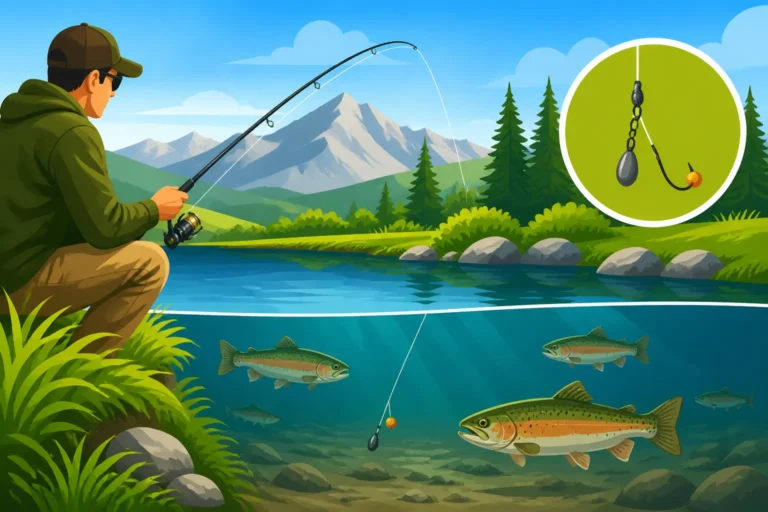
April can be a tricky month. Snowmelt from the mountains often leads to rising water levels and increased turbidity, especially during warmer spells or heavy rain. This "runoff" period can make fishing difficult, as the fish tend to hug the banks to escape the strong current and can be harder to spot. However, if flows are manageable and the water hasn't completely turned into "chocolate milk," there are opportunities. Subsurface techniques like nymphing with large, dark patterns can be effective. Consider using heavier leaders and split shot to get your flies down to where the fish are holding. Look for slower seams and eddies where trout can rest out of the main current. This is a time when having a sturdy pair of Best Waders for Alberta Trout Rivers is essential, as you'll often be wading in cold, fast-moving water.
Mayfly and Caddis Emergence (May – Early June)
As May progresses, water temperatures gradually warm, and insect activity really starts to pick up. This is when the first significant hatches of blue-winged olives (BWOs) and caddis begin. BWOs are small mayflies that hatch on cloudy days, offering delicate dry fly opportunities. Caddis, on the other hand, often hatch in massive numbers, especially in the evenings, creating a frenzy of rising fish.
During this period, focus on matching the hatch. Keep an eye on the water for rising fish and emerging insects. If you see BWOs, a small parachute BWO pattern can be deadly. For caddis, elk hair caddis or X-caddis patterns often produce. If fish aren't rising, nymphing with imitations of caddis larvae and pupae, or BWO nymphs, can be highly effective. The Bow River is famous for its productive nymphing runs, and many anglers excel at Euro Nymphing the Bow River during this time. Remember that water temperatures are still on the cooler side, so trout might not be as acrobatic, but they'll be actively feeding.
Summer Fishing on the Bow River: Peak Season (Late June – August)
Summer is arguably the most popular time to fish the Bow River, and for good reason. Warmer water temperatures (but not too warm!), prolific insect hatches, and generally stable flows make for fantastic fishing conditions. This is when the river truly shines, offering diverse opportunities for dry fly, nymphing, and streamer fishing.
Glorious Hatches and Surface Action (Late June – July)
As the river settles after spring runoff, usually by late June or early July, fishing really takes off. This period sees an explosion of insect life. Key hatches include more caddis, various species of mayflies (like Pale Morning Duns or PMDs), and even terrestrial insects like grasshoppers and ants making their way onto the water.
This is prime time for dry fly enthusiasts. Mornings and evenings, in particular, can offer incredible surface action as trout gorge on emerging and adult insects. During the day, if hatches are sparse, terrestrials can be very effective, especially along grassy banks. Look for "sipping" rises, which often indicate trout feeding on smaller mayflies, or aggressive splashes for caddis or terrestrials. Floating a foam hopper pattern along the banks on a sunny afternoon can be incredibly exciting. For deeper insights into what to throw, check out a comprehensive Fly Fishing for Trout on the Bow River guide. Having a variety of fly patterns readily available, perhaps organized in a waterproof fly box purchased from Amazon, is crucial.
Warm Water and Oxygen Concerns (August)
August can be a fantastic month, but it also presents a potential challenge: warm water. While the Bow's tailwater nature helps keep temperatures relatively stable compared to other rivers, prolonged heatwaves can push water temperatures into the stress zone for trout (above 18°C or 65°F). When this happens, ethical anglers prioritize the health of the fish.
If water temperatures climb, especially into the mid-60s Fahrenheit, consider fishing only in the early mornings or late evenings when the water is coolest, or target different waters entirely. Trout become lethargic and easily stressed in warm water, making catch and release more dangerous for them. It's a good practice to carry a small fishing thermometer and check the water regularly. If you find yourself needing a reliable thermometer, you can often find a good selection on Amazon. Always practice safe handling techniques, minimizing fight time and keeping fish wet, especially when water temperatures are elevated. You can learn more about Best water temperature for trout fishing in Alberta for different species.
Fall Fishing on the Bow River: Trophy Season (September – November)
Fall on the Bow River is a magical time, often considered by many experienced anglers to be the best time to catch large, aggressive trout. The crowds thin out, the autumn colors are stunning, and the trout are actively feeding, preparing for winter.
Pre-Spawn Aggression and Streamer Fishing (September – October)
As water temperatures begin to cool in September and October, trout become incredibly active. Both brown and rainbow trout begin their pre-spawn feeding frenzy, bulking up on protein. This makes them highly susceptible to streamers, which imitate baitfish.
This is the time to break out your bigger flies and heavier leader material. Stripping large articulated streamers through deep runs, undercuts, and along structure can elicit brutal strikes from trophy-sized trout. Colors like olive, black, white, and brown are often effective. Nymphing remains strong, especially with larger stonefly or worm patterns, as trout are less picky and more focused on caloric intake. The cooler weather also means you'll need proper layering, and waterproof outerwear, perhaps some high-quality rain gear, can be found on Amazon.
Brown Trout Spawning and Ethical Angling (November)
November sees water temperatures continue to drop, and brown trout begin their annual spawn. During this time, it's crucial for anglers to be ethical and avoid targeting spawning fish on their redds (gravel nests). Disturbing spawning trout can have a detrimental impact on future generations.
Instead, focus on fishing for actively feeding rainbow trout or brown trout that are not on redds. Often, large brown trout will congregate downstream of spawning areas, looking for loose eggs, offering unique nymphing opportunities. Small egg patterns, paired with a larger nymph, can be very effective. While conditions can be cold, the rewards of catching a robust, pre-winter trout can be immense. This season often produces some of the biggest fish of the year for those who know where and how to look. Remember to use a proper Best Landing Net for Trout with rubber mesh to minimize harm to these valuable fish.
Winter Fishing on the Bow River: A Quiet Pursuit (December – March)
Winter fishing on the Bow River is not for the faint of heart, but it offers a peaceful, solitary experience with the chance to catch surprisingly active trout. While many anglers pack away their gear, the dedicated few often find great success.
Midges and Slow Presentations (December – March)
Water temperatures are at their coldest during winter, meaning trout are often lethargic and hold in deeper, slower water. Insect activity is minimal, dominated by tiny midges. This requires a delicate touch and precise presentations.
Nymphing with small midge patterns, tiny baetis nymphs, or even small worm imitations is the primary technique. It's often a game of patience, waiting for subtle takes. Indicators are essential, and often you'll need to use very light tippets. Focus on deep pools, slow runs, and soft seams. The rewards of a winter Bow River trout, often pristine and fat, are truly special. This is a great time to truly hone your nymphing skills. For general advice on the river, the Bow River Fishing Guide has helpful context.
Seasonal Fishing Considerations at a Glance
Here’s a quick overview of what to expect and how to prepare for each season on the Bow River:
| Season | Typical Months | Water Conditions | Key Hatches/Food Sources | Recommended Techniques | Gear Notes |
|---|---|---|---|---|---|
| Spring | April – Early June | Cold, often high/turbid | BWOs, Caddis | Nymphing, some Dry Fly | Waders, warm layers, heavier leader, split shot |
| Summer | Late June – August | Moderate to warm, clear | Caddis, PMDs, Terrestrials | Dry Fly, Nymphing, some Streamer | Lighter gear, terrestrial patterns, thermometer |
| Fall | September – November | Cooling, clear | Attractors, Eggs, Midges | Streamers, Nymphing | Heavier streamers, warm clothing, rubber net |
| Winter | December – March | Cold, low/clear | Midges | Delicate Nymphing | Warmest layers, sensitive rod, small flies |
Tips for Year-Round Success on the Bow
Beyond knowing the best months, there are always ways to improve your chances on the Bow.
Stay Mobile and Observe
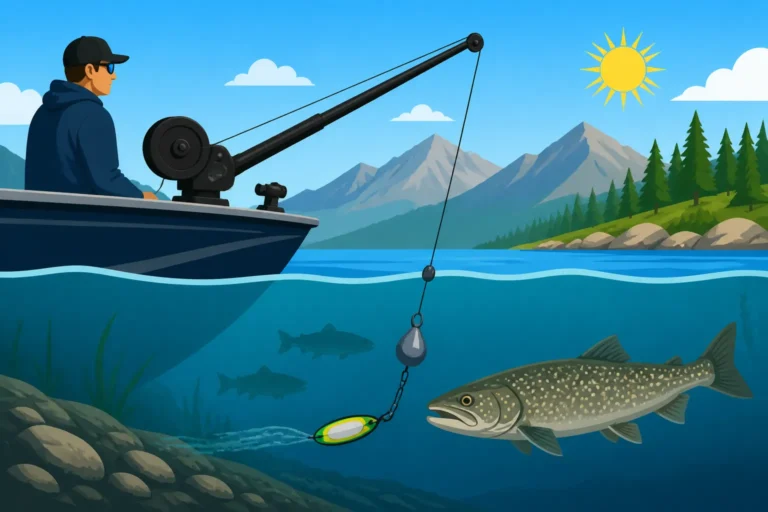
The Bow River is a vast system. Don't be afraid to move around. If a spot isn't producing, try another. Observing the water for rises, insect activity, and potential holding lies is crucial. What works one day might not work the next, and conditions can change rapidly. This flexibility is key to consistent success. Drifting the river in a boat can cover significant ground and access areas that are tough to reach by wading. You can learn more about Drift Fishing for Trout on the Bow River to get an idea of the logistics.
Gear Matters: The Right Tools for the Job
Having the right gear makes a huge difference. From quality waders and boots for safety and comfort in cold water, to a selection of flies that covers the seasonal hatches, don't skimp on essentials. A good fly rod, perhaps one of the Best Fly Rods for the Bow River, suited to both nymphing and dry fly presentations, is invaluable. Always carry a net with rubber mesh to protect the fish, and a pair of polarized sunglasses to cut the glare and spot fish. For those new to the sport, starting with a good quality beginner rod and reel combo can set you up for success.
Respect the Resource and Regulations
The Bow River is a precious resource. Always practice catch and release with care, especially for large trout, which are the backbone of the fishery. Minimize handling time, keep fish in the water as much as possible, and use a rubberized net. Familiarize yourself with all current Alberta fishing regulations, as they can change annually. Ignoring these regulations can lead to serious penalties, as well as harm the fishery we all love. Detailed information can be found in the official guide or online through MyWildAlberta.
Disclaimer
The information provided in this guide is for general informational purposes only and is not a substitute for official regulations. Always consult the current Alberta Guide to Sportfishing Regulations for the most up-to-date and legally binding information before heading out to fish. Fishing conditions can change rapidly, and personal safety should always be your top priority.